
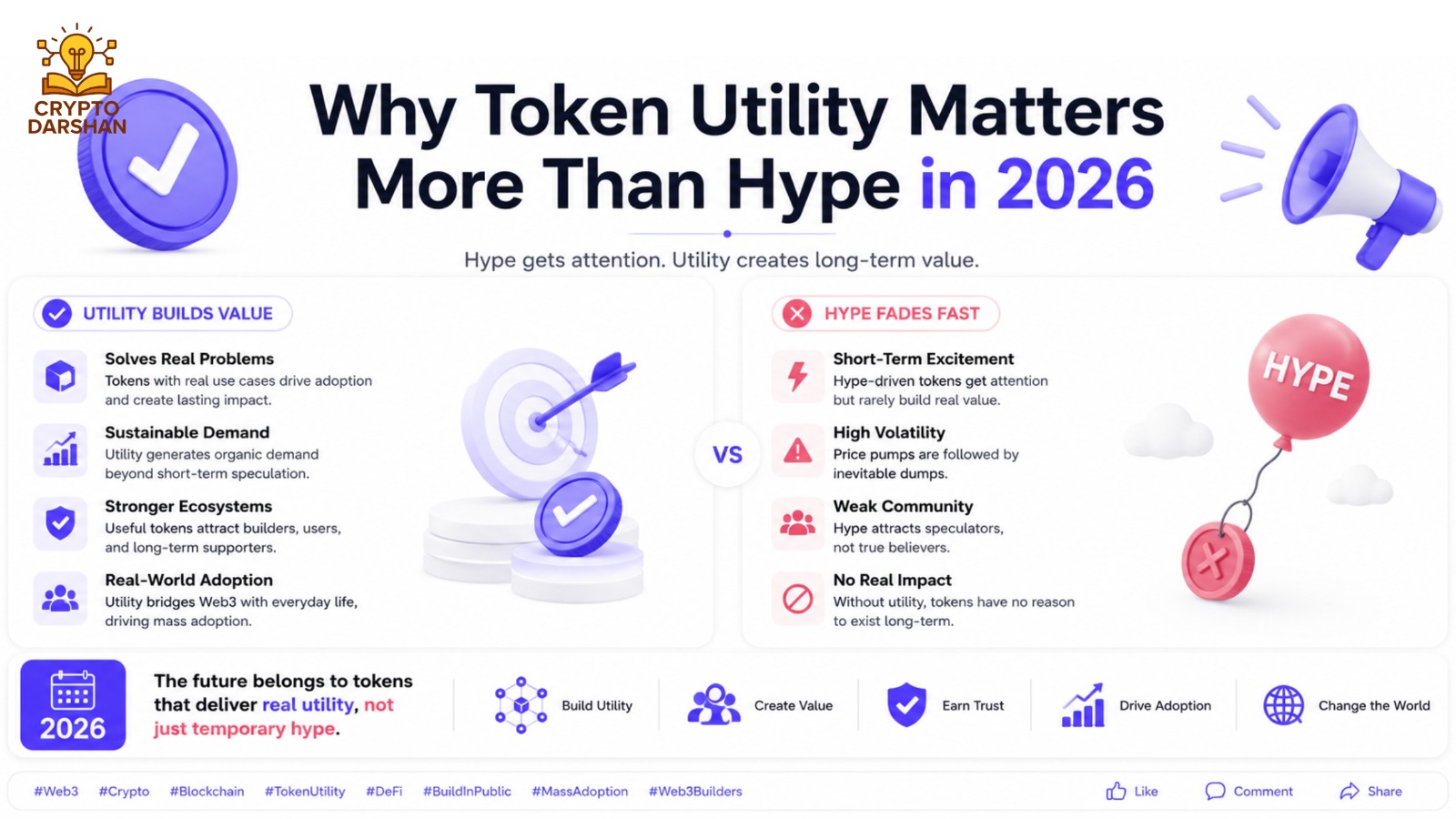
The cryptocurrency market has evolved rapidly over the past decade. From the early days of Bitcoin to the explosion of altcoins, decentralized finance (DeFi), and non-fungible tokens (NFTs), the digital asset space has seen both innovation and speculation. However, as the market matures, one truth has become clear , token utility matters far more than hype.
In 2026, investors, developers, and users are shifting their focus from short-term excitement to long-term value creation. Projects that rely solely on marketing buzz or speculative trading are fading, while those with real-world use cases and strong token utility are thriving. This article explores why token utility is the foundation of sustainable growth in the crypto ecosystem, how it drives adoption, and what makes it more important than hype in the evolving digital economy.
Understanding Token Utility

What Is Token Utility?
Token utility refers to the practical use or function of a cryptocurrency within its ecosystem. It defines what a token can do, how it interacts with users, and what value it provides beyond speculation. A token with strong utility serves a clear purpose — it powers transactions, grants access to services, enables governance, or incentivizes participation.
For example:
- In decentralized finance (DeFi), tokens are used for staking, lending, and liquidity provision.
- In gaming, tokens allow players to buy assets, trade items, or earn rewards.
- In governance systems, tokens give holders voting rights to influence project decisions.
Without token utility, a cryptocurrency becomes nothing more than a speculative asset with no intrinsic value.
The Difference Between Utility and Hype
Hype is temporary excitement driven by marketing, celebrity endorsements, or social media trends. It can inflate prices quickly but often leads to crashes when the excitement fades. Utility, on the other hand, creates lasting value by solving real problems and offering tangible benefits.
In 2026, the market is maturing. Investors are more informed, and they prioritize token utility over hype. Projects that fail to deliver real use cases are losing relevance, while those with strong fundamentals are gaining long-term traction.
The Evolution of the Crypto Market

From Speculation to Substance
The early years of cryptocurrency were dominated by speculation. Many investors bought tokens hoping for quick profits, often without understanding the underlying technology. This speculative behavior led to bubbles, such as the 2017 ICO boom and the 2021 NFT craze.
By 2026, the market has matured. Regulators, institutions, and retail investors now demand transparency, sustainability, and real-world applications. The focus has shifted from “What’s the next big hype?” to “What problem does this token solve?”
The Role of Regulation
Regulatory clarity has also played a major role in emphasizing token utility. Governments and financial authorities are now distinguishing between utility tokens and security tokens. Projects that demonstrate genuine utility are more likely to gain approval and investor confidence.
This shift has encouraged developers to design tokens with clear functions, such as powering decentralized applications (dApps), enabling governance, or facilitating cross-border payments.
Why Token Utility Matters More Than Hype

1. Long-Term Value vs. Short-Term Excitement
Hype creates temporary price spikes driven by social media trends, celebrity endorsements, or FOMO (fear of missing out). However, once the excitement fades, prices often crash dramatically. Token utility, on the other hand, provides lasting value because the token serves a real purpose within its ecosystem. When users need a token to access services, pay fees, or participate in governance, it creates consistent demand that sustains value over time, regardless of market sentiment.
2. Real-World Problem Solving
Tokens with genuine utility solve actual problems in the real world. They might enable faster cross-border payments, provide access to decentralized financial services, or allow secure digital identity verification. Hype-driven tokens often lack any practical application beyond speculation. In today’s maturing crypto market, investors and users are looking for projects that make their lives easier or solve inefficiencies in existing systems, not just tokens that promise quick profits.
3. Sustainable Ecosystem Growth
Token utility creates a self-sustaining ecosystem where users continuously engage with the platform. For example, if a token is required for staking, governance voting, or accessing premium features, users have ongoing reasons to hold and use it. This creates a network effect where more users attract more developers, which attracts more users. Hype-based projects collapse when attention moves elsewhere because they lack this fundamental engagement loop that keeps communities active and growing.
4. Investor Confidence and Institutional Adoption

Sophisticated investors, especially institutions, conduct thorough due diligence before investing. They analyze tokenomics, use cases, and long-term viability rather than following trends. Tokens with clear utility demonstrate transparent value propositions, making them attractive to serious investors. Institutional money flows toward projects with proven utility because they offer predictable returns through mechanisms like staking rewards, transaction fees, or yield generation, rather than relying on unpredictable price speculation.
5. Resistance to Market Volatility
Hype-driven tokens experience extreme volatility because their prices are based purely on sentiment and speculation. When market conditions change or a new trend emerges, these tokens can lose 80-90% of their value overnight. Tokens with strong utility maintain more stable prices because their value is anchored to actual usage. If thousands of people need a token daily to use a platform or service, that creates a price floor based on genuine demand, protecting against complete collapse.
6. Regulatory Compliance and Legal Protection
Regulators worldwide are distinguishing between utility tokens and security tokens. Tokens that serve clear functional purposes within their ecosystems are more likely to be classified as utility tokens, which face less stringent regulations. Hype-driven tokens that promise returns without providing real utility often get classified as securities, subjecting them to strict regulations or potential bans. Projects with genuine token utility can navigate regulatory landscapes more easily and build sustainable, compliant businesses.
7. Community Trust and Reputation
The crypto industry has been damaged by countless scams, rug pulls, and failed hype projects. This has made users skeptical and cautious. Projects that focus on building real utility earn trust through transparency, consistent development, and delivering on promises. They build loyal communities of users who genuinely benefit from the platform. Trust is the foundation of long-term success, and token utility demonstrates that a project is serious about creating value rather than just extracting money from speculators.
8. Future-Proof Innovation
As blockchain technology matures and integrates with mainstream industries, only tokens with genuine utility will survive. The future of crypto involves real-world applications in finance, healthcare, supply chain, gaming, and identity management. Tokens that power these applications will become essential infrastructure. Hype cannot sustain a project for years, but utility can. Projects building real solutions today are positioning themselves to be the leaders of tomorrow’s decentralized economy, while hype-based projects will be forgotten footnotes in crypto history.
Types of Token Utility

1. Payment Utility
Tokens that serve as a medium of exchange within an ecosystem have payment utility. They allow users to pay for goods, services, or transaction fees. Examples include Bitcoin for peer-to-peer payments and Ether for gas fees on the Ethereum network.
2. Governance Utility
Governance tokens give holders the right to vote on project decisions, such as protocol upgrades or fund allocation. This democratic model empowers communities and ensures decentralized control. Examples include UNI (Uniswap) and AAVE (Aave).
3. Access Utility
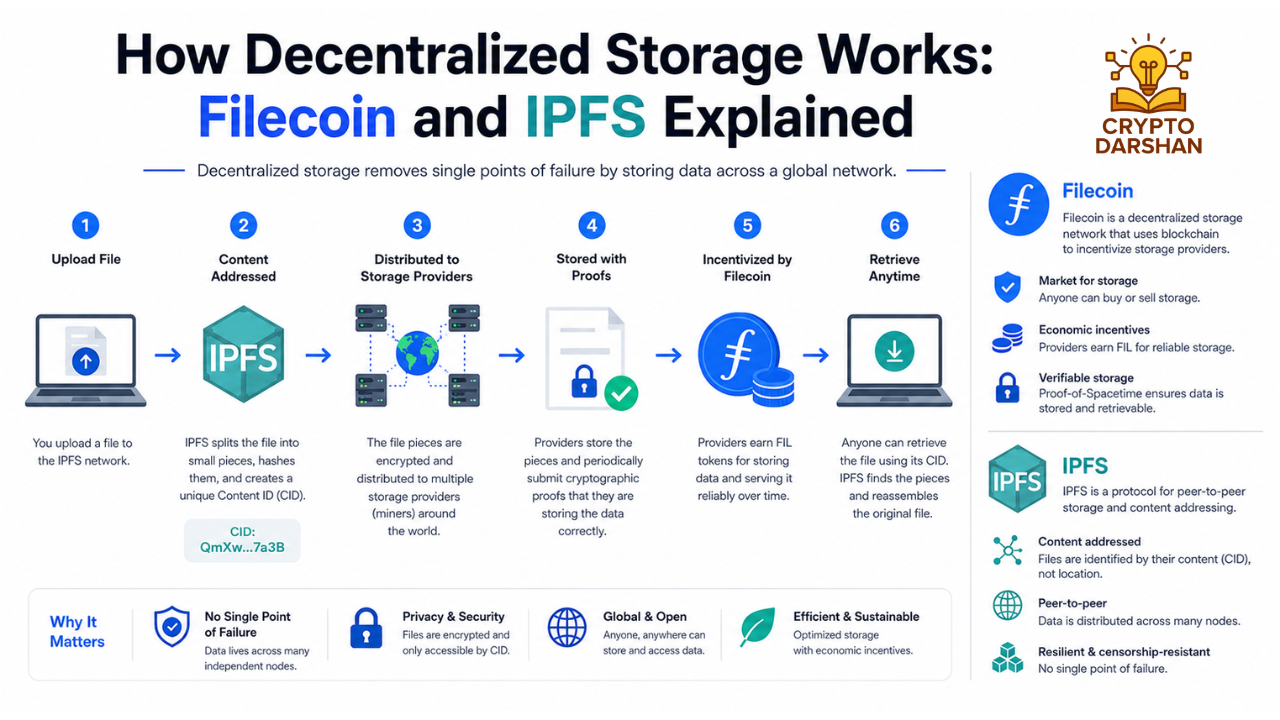
Some tokens grant access to specific features, platforms, or services. For instance, a token might be required to use a decentralized storage network or participate in a private community. This type of token utility creates exclusivity and demand.
4. Staking and Reward Utility
Staking tokens allow users to lock their assets to support network security or liquidity. In return, they earn rewards. This mechanism encourages long-term holding and participation, strengthening the ecosystem.
5. Asset-Backed Utility
Certain tokens are backed by real-world assets such as gold, real estate, or fiat currency. Their token utility lies in representing ownership or value transfer in a digital form, bridging traditional finance and blockchain technology.
The Dangers of Hype-Driven Tokens

1. Short-Term Gains, Long-Term Losses
Hype-driven tokens often experience rapid price increases followed by steep declines. Investors who buy during the hype phase usually suffer losses when the excitement fades. Without token utility, there is no reason for users to hold or use the token.
2. Lack of Sustainability
Projects built on hype rarely survive market corrections. When prices fall, developers and investors lose interest, leading to project abandonment. Sustainable projects, on the other hand, continue to grow because their token utility ensures ongoing engagement.
3. Erosion of Trust
Repeated hype cycles damage the credibility of the entire crypto industry. Scams, rug pulls, and failed projects make new investors wary. Focusing on token utility helps rebuild trust by demonstrating real value and transparency.
4. Regulatory Scrutiny
Regulators are cracking down on speculative tokens that mislead investors. Projects that cannot prove genuine utility risk being classified as securities or banned altogether. Building strong token utility helps projects comply with regulations and avoid legal issues.
How Token Utility Drives Adoption in 2026

1. Integration with Real-World Applications
In 2026, blockchain technology is being integrated into mainstream industries. Tokens with clear utility are powering decentralized finance, supply chain management, healthcare data systems, and digital identity solutions. This integration proves that token utility is the bridge between blockchain innovation and real-world impact.
2. Institutional Involvement
Institutions are entering the crypto space cautiously, focusing on projects with proven utility. They prefer tokens that generate yield, support governance, or facilitate cross-border payments. This institutional demand reinforces the importance of token utility over hype.
3. User-Centric Design
Projects are now prioritizing user experience. Tokens that simplify transactions, reduce fees, or enhance accessibility are gaining traction. The focus is shifting from speculative trading to practical usage, making token utility the core of user engagement.
4. Sustainable Ecosystems
Sustainability is a major theme in 2026. Projects that design eco-friendly consensus mechanisms and fair tokenomics are attracting global attention. Token utility ensures that these ecosystems remain active and self-sustaining without relying on external hype.
Building Strong Token Utility: Best Practices for Developers

1. Define a Clear Purpose
Every token should have a well-defined purpose. Developers must identify what problem the token solves and how it fits into the ecosystem. A clear mission ensures that the token remains relevant and valuable.
2. Design Sustainable Tokenomics
Tokenomics should balance supply and demand. Inflationary models can devalue tokens, while deflationary models can limit accessibility. Developers must design systems that reward participation without encouraging speculation.
3. Encourage Real Usage
Tokens should be integrated into everyday activities within the ecosystem. Whether it’s paying for services, voting on proposals, or earning rewards, users must have reasons to use the token regularly.
4. Foster Community Engagement
A strong community is essential for long-term success. Developers should involve users in governance, reward contributions, and maintain transparency. Community-driven projects with strong token utility are more resilient to market fluctuations.
5. Ensure Regulatory Compliance
Compliance builds trust. Developers must understand local and international regulations to ensure their tokens meet legal standards. Clear documentation and transparency about token utility can prevent future legal challenges.
Case Studies: Projects That Prioritize Token Utility

Ethereum (ETH)
Ethereum’s success lies in its strong token utility. ETH is required to pay gas fees for transactions and smart contracts, making it indispensable to the network. Its utility ensures consistent demand, regardless of market hype.
Chainlink (LINK)
Chainlink provides decentralized oracles that connect smart contracts with real-world data. The LINK token is used to pay node operators, ensuring the reliability of data feeds. This practical token utility has made Chainlink a cornerstone of the DeFi ecosystem.
Binance Coin (BNB)
BNB started as a discount token for trading fees on Binance but evolved into a multi-purpose asset. It now powers the Binance Smart Chain, supports staking, and enables payments. Its expanding token utility has sustained its value over time.
The Future of Token Utility Beyond 2026

As blockchain technology continues to evolve, token utility will become even more diverse and sophisticated. Future trends include:
1. AI and Blockchain Integration
Tokens will power AI-driven applications and decentralized computing networks. They’ll enable data marketplaces where users monetize their information and govern AI decision-making through community voting. Smart contracts will become more intelligent, automatically optimizing rewards based on AI predictions. This creates a new era where tokens control how AI models are trained and deployed in decentralized systems.
2. Cross-Chain and Multi-Chain Utility
Tokens will work seamlessly across multiple blockchains without complex bridges. Universal standards will allow one token to function on Ethereum, Solana, Cardano, and other networks simultaneously. Users won’t worry about which blockchain they’re using—tokens will simply work everywhere, making Web3 as easy as using the regular internet.
3. Real-World Asset Tokenization
Physical assets like real estate, art, vehicles, and commodities will be represented as tokens. This enables fractional ownership, letting anyone invest in expensive assets. You could own part of a building, farmland, or rare artwork through tokens. This democratizes investment and creates massive new markets beyond digital applications.
4. Decentralized Identity and Reputation Systems
Tokens will manage digital identity and reputation across platforms. Identity tokens will store credentials and personal data that users fully control. Reputation tokens will track trustworthiness—your history as a freelancer or seller becomes portable and verifiable. These replace traditional logins and credit scores, giving people true ownership of their digital identities.
5. Programmable and Adaptive Token Utility
Future tokens will automatically adapt based on ecosystem needs. They might adjust staking rewards during network congestion, change governance rights based on participation, or unlock new features as projects grow. Tokens could evolve over time—starting as governance tools, becoming payment mechanisms, then staking assets—without requiring migrations or hard forks.
FAQ: Why Token Utility Matters More Than Hype in 2026

1. What is token utility in crypto?
Token utility refers to the real-world function of a cryptocurrency within a blockchain ecosystem. Utility can include governance rights, staking rewards, transaction fees, gaming use cases, platform access, or powering decentralized applications.
2. Why is token utility becoming more important in 2026?
As the crypto market matures, investors are focusing less on speculation and more on sustainable value. Tokens with strong utility are more likely to maintain demand and survive market downturns.
3. How does hype affect crypto token prices?
Hype can rapidly increase token prices through social media trends, influencer promotion, and community excitement. However, hype-driven rallies are often short-lived if the project lacks real use cases or adoption.
4. What are examples of strong token utility?
Strong utility examples include tokens used for staking, governance voting, gas fees, liquidity incentives, gaming economies, decentralized storage, and AI-powered blockchain services.
5. Can a token succeed without utility?
Some tokens may experience short-term success through speculation alone, but long-term growth usually requires real utility, active users, and ecosystem demand.
6. Why do investors prefer utility-driven projects?
Utility-driven projects often show stronger fundamentals, long-term sustainability, and better adoption potential. Investors increasingly look for projects solving real problems instead of relying purely on marketing.
7. How does token utility support ecosystem growth?
Utility creates ongoing demand for a token because users need it to access services, participate in governance, or interact with decentralized applications inside the ecosystem.
8. What industries are driving utility-based crypto adoption?
Industries such as DeFi, gaming, AI, payments, decentralized identity, supply chain management, and tokenized real-world assets are increasing demand for utility-focused tokens.
Conclusion
The cryptocurrency market in 2026 is more mature, transparent, and utility-driven than ever before. The days of hype-based projects dominating headlines are fading. Investors, developers, and users now understand that token utility is the true measure of a project’s value.
Tokens with real-world use cases, sustainable tokenomics, and strong community engagement will define the next era of blockchain innovation. Hype may create temporary excitement, but token utility builds lasting ecosystems that stand the test of time.
In the end, the projects that focus on solving real problems, empowering users, and delivering tangible value will lead the way. Token utility is not just a feature — it is the foundation of the decentralized future.