Crypto market shock data from February 2026 reveals Bitcoin stabilizing near $68K after massive $2.2B futures liquidations, driven by geopolitical tensions and bear market warnings pointing to possible drops below $55K. The cryptocurrency market has always been unpredictable, but 2026 might be the year that redefines volatility and opportunity. After years of consolidation, regulatory shifts, and technological innovation, the crypto market appears poised for a major move. Analysts, investors, and blockchain developers are all watching the same indicators on-chain data, macroeconomic trends, and institutional behaviour that suggest something big is brewing.
This article explores the data behind the growing speculation that the crypto market is about to shock everyone. From Bitcoin’s supply dynamics to Ethereum’s network activity, from stablecoin flows to global adoption metrics, every signal points toward a potential paradigm shift.
Bitcoin’s Supply Shock: The Halving Effect and Beyond

Bitcoin remains the heartbeat of the crypto market. Every four years, the Bitcoin halving event cuts the block reward miners receive by half, reducing the rate at which new BTC enters circulation. Historically, each halving has triggered a massive bull run within 12 to 18 months.
The most recent halving occurred in 2024, and its effects are now rippling through the market. With fewer coins being mined daily and institutional demand rising, Bitcoin’s supply-demand balance is tightening.
Key Data Points:
- Daily new BTC issuance dropped from 900 to 450 coins post-halving.
- Over 70% of Bitcoin’s total supply hasn’t moved in over a year, indicating strong holder conviction.
- Exchange reserves are at their lowest levels since 2018, suggesting reduced selling pressure.
This combination of scarcity and demand could ignite a supply shock. Historically, when Bitcoin’s liquid supply falls below 15% of total supply, price rallies tend to follow.
Why the Halving Matters More Than Ever:
Unlike previous cycles, the 2024 halving coincided with a surge in institutional adoption and global inflation concerns. This alignment of macroeconomic and on-chain factors could amplify Bitcoin’s price response. With ETFs and corporate treasuries accumulating BTC, the available supply for retail investors is shrinking rapidly.
Institutional Accumulation: The Smart Money Moves First

Institutional investors are quietly accumulating crypto assets again. After a cautious 2022–2023 period marked by regulatory uncertainty, major financial institutions are re-entering the market. To understand how institutional investments could trigger the next big move, read our detailed guide on Bitcoin Spot ETF vs Futures ETF.
Evidence of Institutional Activity:
- Spot Bitcoin ETFs approved in multiple countries have attracted billions in inflows.
- Hedge funds are increasing crypto exposure, with some allocating up to 10% of portfolios to digital assets.
- Custody solutions from major banks have made institutional participation safer and more compliant.
When institutions accumulate, they do so strategically during periods of low retail interest. This pattern mirrors the 2018–2020 accumulation phase that preceded the 2021 bull run.
Why Institutional Entry Is a Game-Changer:
Institutional investors bring not only capital but also credibility. Their participation signals to regulators and traditional markets that crypto is a legitimate asset class. Moreover, institutional-grade infrastructure such as insured custody, regulated exchanges, and transparent reporting reduces risk and attracts even more participants.
Ethereum’s Transformation: From Gas Fees to Global Utility

Ethereum continues to evolve beyond its role as a smart contract platform. The transition to proof-of-stake (PoS) and the introduction of scaling solutions like rollups have drastically improved network efficiency.
Key Metrics:
- Over 30 million ETH are now staked, reducing circulating supply.
- Layer-2 networks such as Arbitrum and Optimism process more transactions daily than Ethereum’s mainnet.
- Gas fees have dropped by over 70% since 2023, making decentralized applications (dApps) more accessible.
Why Ethereum’s Evolution Matters:
Ethereum’s shift to PoS has made it more energy-efficient and sustainable. The network now supports thousands of decentralized applications across finance, gaming, and identity management. With the rise of tokenized assets and decentralized finance, Ethereum is becoming the backbone of the new digital economy.
As more institutions adopt Ethereum-based systems for tokenization and settlement, ETH’s role as a utility token strengthens. This could lead to a supply squeeze similar to Bitcoin’s, as staking locks up a significant portion of the total supply.
The Rise of Stablecoins: Liquidity and Global Adoption

Stablecoins have become the backbone of the crypto economy. They bridge the gap between traditional finance and blockchain ecosystems, providing liquidity and stability.
Data Insights:
- The total stablecoin market cap exceeds $200 billion, with USDT and USDC leading.
- Stablecoin transaction volume on-chain surpasses that of Bitcoin and Ethereum combined.
- Emerging markets are adopting stablecoins as alternatives to volatile local currencies.
Why Stablecoins Are Critical:
Stablecoins act as the lifeblood of decentralized finance. They enable seamless trading, lending, and cross-border payments without the volatility of traditional cryptocurrencies. In countries with unstable currencies, stablecoins offer a safe and accessible store of value.
Moreover, stablecoins are becoming a key tool for global commerce. Businesses can settle international transactions instantly, avoiding the delays and fees of traditional banking systems.
Crypto Market Shock Signals Hidden in On-Chain Data
On-chain analytics provide a transparent view of investor behavior. Metrics such as active addresses, transaction volume, and realized profits reveal the underlying health of the market.
Current On-Chain Trends:
- Active Bitcoin addresses have increased by 25% since mid-2025.
- Exchange inflows are decreasing, indicating fewer investors are selling.
- Long-term holders are accumulating, while short-term traders are exiting.
Why On-Chain Data Matters:
Unlike traditional markets, blockchain data is fully transparent. Analysts can track wallet movements, exchange flows, and network activity in real time. This transparency allows investors to identify accumulation phases, whale activity, and potential market reversals before they appear in price charts.
Regulatory Clarity: The Catalyst for Institutional Confidence

Regulation has long been a double-edged sword for crypto. While uncertainty can suppress growth, clear frameworks can unlock massive institutional participation.
In 2025, several major economies introduced comprehensive crypto regulations:
- The United States established a unified digital asset framework under the SEC and CFTC.
- The European Union implemented MiCA (Markets in Crypto-Assets) regulations, standardizing compliance.
- Asian markets like Japan and Singapore expanded licensing for crypto exchanges and custodians.
Why Regulation Is a Turning Point:
Regulatory clarity reduces risk and encourages innovation. It allows legitimate projects to thrive while filtering out scams and unregistered securities. For institutions, compliance frameworks provide the confidence needed to allocate capital safely.
Macroeconomic Factors: Inflation, Interest Rates, and Digital Gold

Global macroeconomic conditions play a crucial role in crypto market dynamics. With inflationary pressures persisting and central banks maintaining cautious monetary policies, investors are seeking alternative stores of value.
Bitcoin, often dubbed “digital gold,” benefits from this environment. Its fixed supply and decentralized nature make it an attractive hedge against fiat currency debasement.
Supporting Data:
- Correlation between Bitcoin and gold prices has strengthened since 2024.
- Institutional reports show increasing allocation to Bitcoin as a macro hedge.
- Countries facing currency crises are witnessing surging crypto adoption.
Why This Matters:
As traditional markets face uncertainty, crypto assets could emerge as safe-haven investments. Bitcoin’s scarcity and independence from central banks make it a unique asset in times of economic instability.
The Altcoin Renaissance: Innovation Beyond Bitcoin and Ethereum

While Bitcoin and Ethereum dominate headlines, the altcoin sector is quietly innovating. New blockchain projects are addressing scalability, interoperability, and privacy challenges.
Notable Trends:
- Layer-1 blockchains like Solana, Avalanche, and Cardano are expanding ecosystems with developer incentives.
- Interoperability protocols such as Polkadot and Cosmos are connecting isolated blockchains.
- Privacy-focused coins are gaining traction amid growing concerns over data surveillance.
Why Altcoins Are Important:
Altcoins represent the experimental frontier of blockchain technology. They test new consensus mechanisms, governance models, and use cases. Many of today’s leading innovations like NFTs and DeFi originated from altcoin ecosystems.
DeFi 2.0: The Evolution of Decentralized Finance

Decentralized finance has matured significantly since its explosive growth in 2020–2021. The new generation of DeFi platforms focuses on sustainability, security, and real-world integration.
Key Developments:
- Protocols are introducing insurance mechanisms to protect users from smart contract risks.
- Real-world assets (RWAs) like bonds and real estate are being tokenized for on-chain trading.
- Cross-chain liquidity solutions are enabling seamless asset transfers across networks.
Why DeFi 2.0 Is Revolutionary:
DeFi 2.0 is bridging the gap between blockchain and traditional finance. Tokenized assets allow investors to trade real-world instruments on decentralized platforms, increasing transparency and accessibility. This integration could redefine how global finance operates.
NFTs and the Creator Economy: Beyond Digital Art

Non-fungible tokens (NFTs) have evolved from speculative collectibles into powerful tools for digital ownership and intellectual property management.
Emerging Use Cases:
- Music, film, and gaming industries are adopting NFTs for royalties and licensing.
- Brands are using NFTs for loyalty programs and digital identity verification.
- NFT marketplaces are integrating with metaverse platforms for immersive experiences.
Why NFTs Still Matter:
NFTs are redefining ownership in the digital age. They give creators direct control over their work and revenue streams. As industries adopt blockchain for licensing and rights management, NFTs will become a cornerstone of the digital economy.
Global Adoption: From Retail to Nation-States

Crypto adoption is no longer limited to tech enthusiasts. Governments, corporations, and individuals worldwide are embracing digital assets for payments, savings, and innovation.
Adoption Highlights:
- Over 400 million people globally now own some form of cryptocurrency.
- Countries like El Salvador and the Central African Republic have adopted Bitcoin as legal tender.
- Major corporations accept crypto payments and hold digital assets on balance sheets.
Why Global Adoption Is Accelerating:
The combination of mobile technology, internet access, and financial need is driving adoption in developing regions. Crypto offers a lifeline for those excluded from traditional banking systems, enabling global participation in the digital economy.
The Role of Artificial Intelligence in Crypto Analysis

Artificial intelligence (AI) is transforming how investors analyze and trade cryptocurrencies. Machine learning models can process vast amounts of on-chain and market data to identify trends and predict movements.
Applications of AI in Crypto:
- Sentiment analysis from social media and news sources.
- Predictive modeling for price trends and volatility.
- Automated portfolio management and risk assessment.
Why AI Integration Is Crucial:
AI enhances decision-making by removing emotional bias and improving accuracy. As AI-driven analytics become mainstream, investors can make data-backed decisions faster and more efficiently.
Potential Risks: What Could Derail the Market?

Despite the bullish indicators, risks remain. Understanding these factors is essential for balanced analysis.
Major Risks:
- Regulatory overreach or inconsistent global policies.
- Cybersecurity threats targeting exchanges and wallets.
- Over-leverage in derivatives markets leading to liquidations.
- Technological vulnerabilities in smart contracts or consensus mechanisms.
Why Risk Management Matters:
Crypto’s volatility can amplify both gains and losses. Investors must diversify, use secure storage solutions, and stay informed about regulatory changes to navigate the market safely.
Expert Predictions: What Analysts Are Saying

Leading analysts and institutions are increasingly optimistic about crypto’s future.
Forecast Highlights:
- Several research firms predict Bitcoin could surpass $150,000 by 2027.
- Ethereum’s market cap could reach parity with Bitcoin as utility expands.
- The total crypto market capitalization may exceed $10 trillion within five years.
These projections are based on historical cycles, adoption rates, and macroeconomic conditions.
The Data-Driven Conclusion: A Market on the Edge of Transformation

All available data on-chain metrics, institutional flows, regulatory clarity, and macroeconomic trends points toward a major inflection point in the crypto market.
The combination of reduced supply, rising demand, and global adoption creates a perfect storm for potential growth. While short-term volatility is inevitable, the long-term outlook remains overwhelmingly positive.
The crypto market may indeed be on the verge of shocking everyone not through hype, but through data-backed transformation.
The Role of Emerging Economies in the Next Crypto Boom

Emerging economies are becoming the unexpected drivers of crypto adoption. In regions where traditional banking systems are limited or unstable, digital assets offer financial inclusion and stability.
Key Developments:
- Africa’s peer-to-peer crypto trading volume has grown by over 40% year-over-year.
- Latin American countries are using stablecoins to combat inflation and currency devaluation.
- Southeast Asia is witnessing a surge in blockchain-based remittance platforms.
These regions are not just adopting crypto for speculation they are using it for survival. As global remittance networks and decentralized finance tools expand, emerging markets could lead the next wave of crypto growth. Asia is becoming a major catalyst for growth learn more in our analysis of Asia’s Crypto Boom: Singapore, Hong Kong & Beyond.
The Energy Debate: Sustainability and Green Mining

One of the most debated topics in crypto is energy consumption. Bitcoin mining, in particular, has faced criticism for its environmental impact. However, the industry is rapidly evolving toward sustainability.
Sustainability Trends:
- Over 60% of Bitcoin mining now uses renewable energy sources.
- New mining operations are relocating to regions with surplus clean energy, such as Iceland and Canada.
- Innovations like flare gas mining and hydro-powered facilities are reducing carbon footprints.
The narrative around crypto’s environmental impact is shifting. As green mining becomes the norm, institutional investors previously hesitant due to ESG concerns are re-evaluating their positions.
The Metaverse and Web3 Integration

The metaverse and Web3 ecosystems are merging with crypto to create a new digital economy. Blockchain technology underpins ownership, identity, and value exchange in these virtual worlds.
Integration Highlights:
- Major tech companies are building metaverse platforms with native crypto economies.
- Web3 wallets are becoming gateways to decentralized social networks and virtual marketplaces.
- Play-to-earn gaming models are introducing millions of new users to blockchain technology.
As the metaverse expands, crypto assets will serve as the foundation for digital property rights and economic activity. This convergence could unlock trillions in new market value.
The Future of Central Bank Digital Currencies (CBDCs)

A central bank digital currency, or CBDC, is a government-issued form of money that lives entirely online. Central banks worldwide are exploring digital currencies to modernize payment systems and maintain monetary control. While CBDCs differ from decentralized cryptocurrencies, their development validates blockchain’s potential.
CBDC Landscape:
- Over 100 countries are researching or piloting CBDCs.
- China’s digital yuan is already in public circulation across major cities.
- The European Central Bank and the U.S. Federal Reserve are testing digital euro and digital dollar prototypes.
CBDCs could coexist with decentralized crypto assets, bridging traditional finance and blockchain ecosystems. Their introduction may accelerate public understanding and acceptance of digital currencies.
The Next Frontier: Quantum Computing and Blockchain Security

As technology advances, quantum computing poses both a challenge and an opportunity for blockchain security. Quantum computers could theoretically break current cryptographic algorithms, but the industry is already preparing.
Security Innovations:
- Post-quantum cryptography research is underway to develop resistant algorithms.
- Blockchain networks are exploring hybrid encryption models for future-proofing.
- Decentralized identity systems are integrating quantum-safe protocols.
The proactive approach to quantum threats demonstrates the crypto industry’s adaptability and resilience.
The Social Impact of Crypto: Redefining Financial Freedom

Beyond profits and speculation, crypto represents a social movement toward financial empowerment. It enables individuals to control their wealth without intermediaries, especially in regions with limited access to banking.
Social Benefits:
- Microtransactions and remittances are becoming faster and cheaper.
- Charitable organizations use blockchain for transparent donations.
- Decentralized identity systems empower users to own their data.
Crypto’s social impact could redefine global finance, making it more inclusive and equitable.
Frequently Asked Questions (FAQ)

1. Why do analysts say the crypto market is about to shock everyone?
Analysts point to a mix of high institutional ETF inflows, DeFi growth, and macroeconomic risks. These factors could trigger sudden price surges or sharp declines, making the market highly volatile.
2. Which cryptocurrencies are most likely to experience big moves in 2026?
Bitcoin (BTC), Ethereum (ETH), and XRP are currently the most closely watched, as they have large market caps, active institutional interest, and significant on-chain activity.
3. How do ETF inflows impact the crypto market?
ETF inflows bring large-scale institutional money into crypto, potentially supporting prices. A surge in ETF investment can create upward momentum, while low inflows or withdrawals may pressure prices downward.
4. What macroeconomic factors could trigger a crypto market shock?
Key factors include interest rate changes, U.S. jobs data, inflation trends, and the possibility of a global recession. These affect investors’ appetite for risk assets, including crypto.
5. Is Bitcoin’s price still tied to stock market trends?
Yes. Bitcoin and other major cryptos have shown increasing correlation with tech stocks and risk assets. Broad equity market declines can sometimes pull crypto down as well.
6. Could smaller altcoins face severe losses despite overall market growth?
Absolutely. Illiquid or lesser-known altcoins are more vulnerable if funding slows or liquidity dries up. Many could see large corrections even if BTC and ETH are stable.
7. What technical levels should traders watch for BTC and ETH?
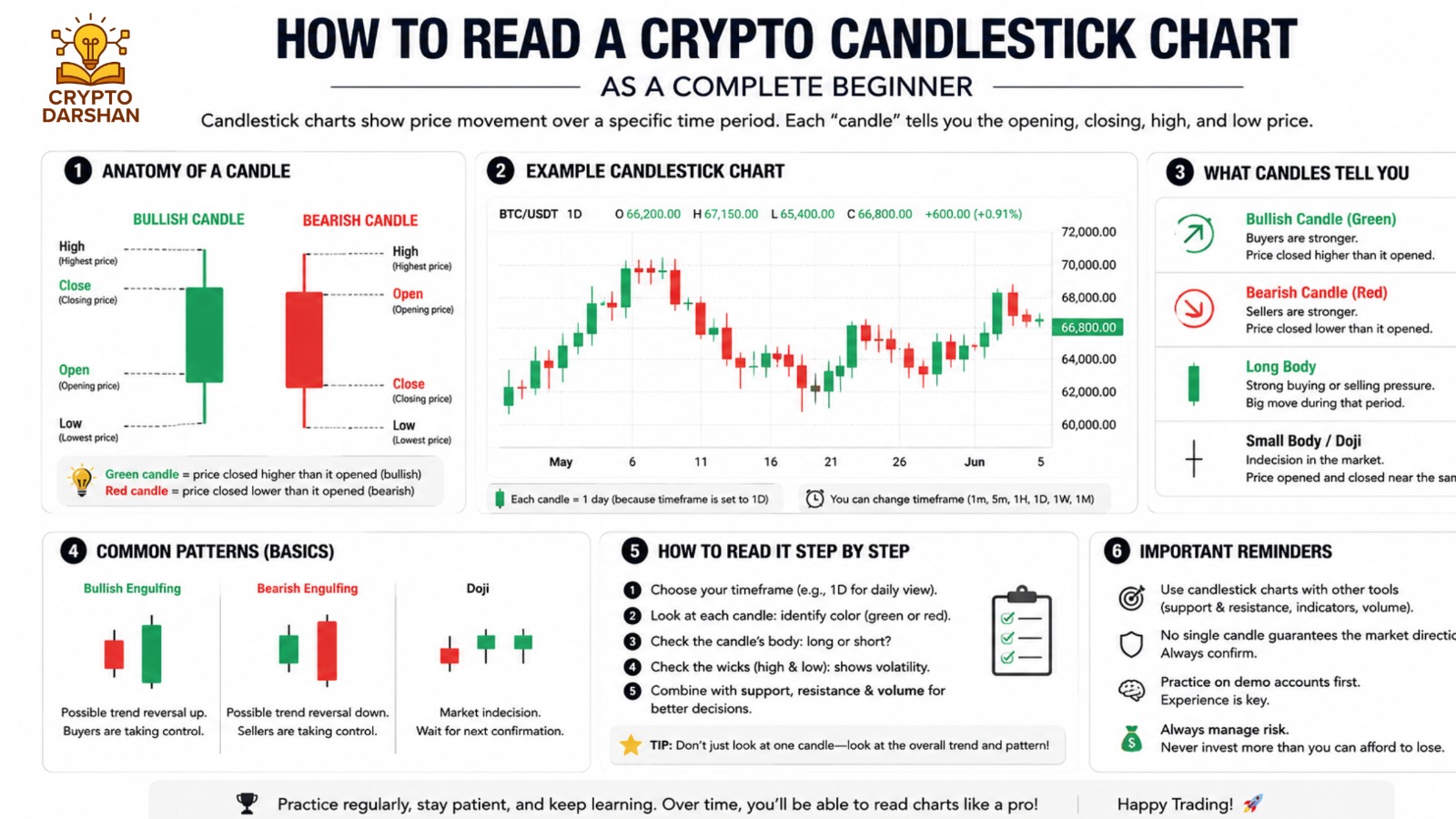
Critical price zones for BTC are around $71,000 for a bullish breakout and $60,000 for a potential decline. Ethereum has similar key resistance and support levels tied to major moving averages.
8. How does DeFi growth affect overall crypto market stability?
Rising DeFi adoption increases total value locked (TVL), attracting institutional interest and improving liquidity. This can stabilize the market, but concentrated risk in DeFi protocols may amplify volatility if failures occur.
Final Thoughts
The cryptocurrency landscape is evolving faster than ever. What was once a speculative niche has matured into a global financial ecosystem. As blockchain technology integrates deeper into everyday life, the next market cycle could redefine wealth creation, financial inclusion, and digital ownership.
The data doesn’t lie: the crypto market is preparing for something extraordinary. Whether it’s a historic bull run or a structural shift in global finance, one thing is certain the world is watching, and the shockwave is coming.