

Thailand is moving hard against suspicious crypto flows, and stablecoins are now in the spotlight. The Bank of Thailand and related regulators are stepping up monitoring of USDT and other digital assets as part of a broader push to stop money laundering, scam-related transfers, and hidden cash movement.
This is not a total ban on crypto. But it is a clear warning that Thailand wants tighter control over how stablecoins are used, especially when large sums move in ways that look unusual or hard to explain. For traders, exchanges, and everyday users, that means the crypto landscape in Thailand may soon feel stricter and more heavily watched.
Why Thailand Is Cracking Down
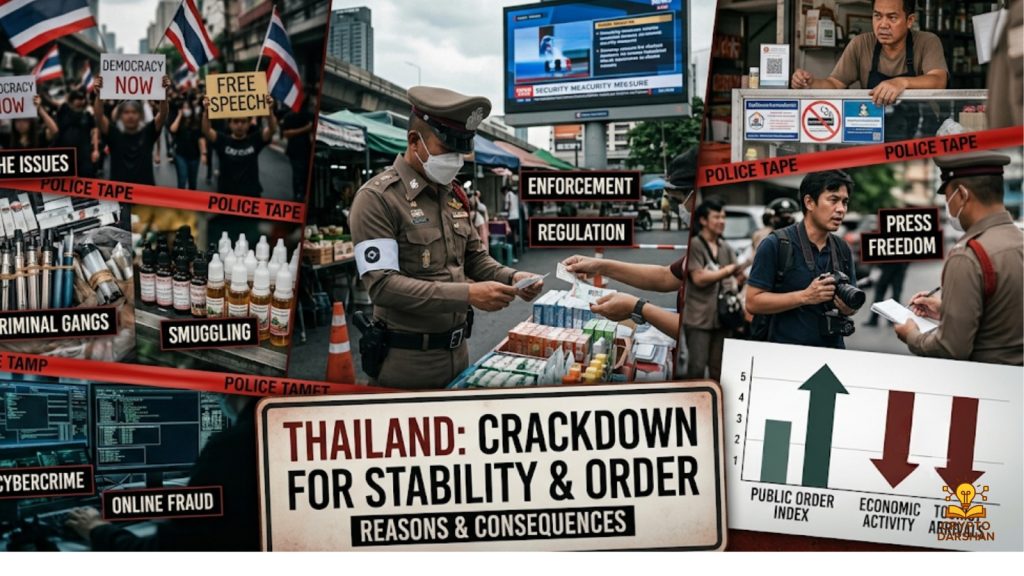
The main concern is not ordinary crypto trading. The issue is the possible use of stablecoins to move illegal funds through the financial system without drawing attention. Stablecoins like USDT are popular because they are fast, widely accepted, and easy to transfer across borders.
That same convenience can also attract bad actors. Regulators are now paying closer attention to transactions that may be tied to scam operations, hidden income, fraud networks, or gray-market activity. In other words, Thailand is trying to stop digital assets from becoming a tool for dirty money.
This is why the central bank is focusing not just on crypto exchanges, but also on cash deposits, foreign exchange activity, and gold-related transactions. Authorities appear to believe that suspicious money may be moving through multiple channels at the same time, not just through blockchain platforms.
Stablecoins Are the Main Focus

Among all crypto assets, stablecoins are getting the most attention right now. That is because they are often used as a bridge between the traditional financial world and the crypto market. A user can move money into stablecoins, send them quickly, and convert them back later with little delay.
For law enforcement and financial regulators, that speed can be a problem. It makes it easier to move funds before banks or compliance teams can fully review them. It also creates a challenge when the money comes from scams or unverified sources.
Thailand’s regulators seem especially alert to USDT because of its high usage and liquidity. In active trading markets, stablecoins can move huge volumes every day. That makes them useful for legitimate users, but it also makes suspicious activity harder to detect unless monitoring systems are strong.
What This Means for Crypto Users

For most regular crypto users, this crackdown will likely show up as more checks, more documentation, and slower processing for large transactions. Exchanges and banks may ask where funds came from, why they are being moved, and who is behind the transfer.
This may be inconvenient, but it is not unusual. Around the world, governments are applying stricter anti-money laundering rules to crypto because they want better visibility into how digital funds are being used. Thailand is now following that trend, but in a more aggressive way.
The biggest impact will likely fall on high-volume traders, OTC desks, and businesses that move large amounts of stablecoins. These users may face more audits and more questions from financial institutions. Smaller retail traders may feel less direct pressure, but they could still notice tighter account reviews and stronger identity checks.
No Ban, But Stronger Control
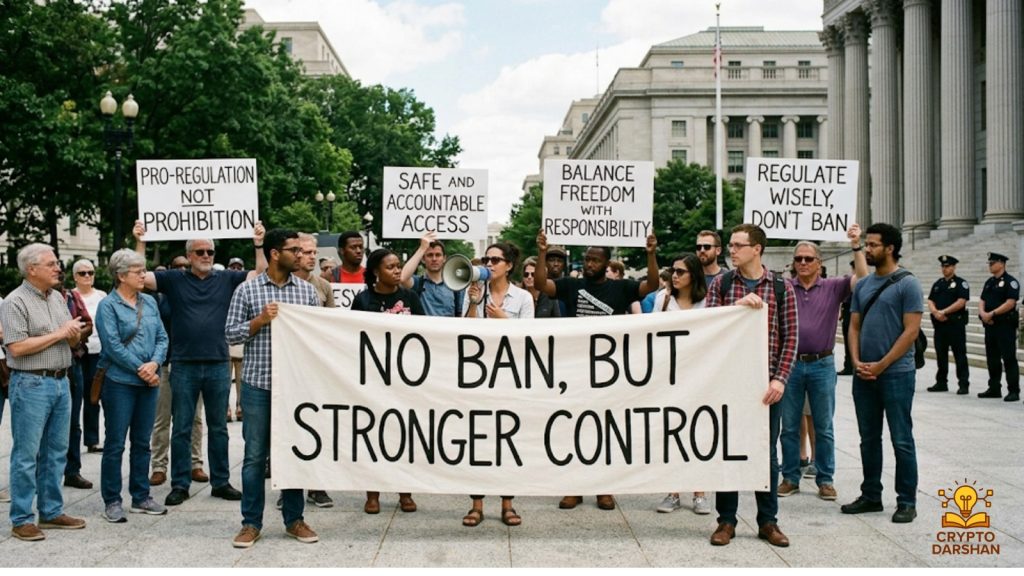
It is important to separate this crackdown from a full crypto ban. Thailand is not shutting down digital assets. Crypto trading is still legal, and the country has continued to explore regulated blockchain use in different areas.
What has changed is the level of scrutiny. Regulators want to reduce abuse without killing innovation. That means the rules are becoming more selective and more serious, especially when money flows look connected to fraud or underground finance.
This approach shows that Thailand is trying to walk a fine line. On one side, it wants to support financial technology and digital markets. On the other hand, it wants to protect the banking system from illegal activity and reputation risk.
Wider Impact on the Crypto Market

Thailand’s move could have a wider effect beyond its borders. If the crackdown becomes a model for other Asian markets, stablecoin users may see more compliance pressure across the region. Exchanges may need to improve transaction monitoring tools, strengthen customer verification, and report suspicious activity more quickly.
This could make crypto trading feel less anonymous, but it may also help build more trust in the market over time. Better oversight can reduce fraud, improve transparency, and make it harder for criminals to hide. The trade-off is that genuine users may need to work harder to move funds freely.
For the crypto industry, this is another reminder that regulation is now a major part of the story. Stablecoins are no longer being viewed only as a trading tool. They are also being treated as a financial instrument that can affect banking stability, crime prevention, and cross-border controls.
The Bigger Message
Thailand’s anti-crypto push is really about control, not fear. Regulators are not rejecting digital finance. They are saying that if stablecoins are going to be used at scale, then they must be monitored like other serious financial instruments.
That message matters because stablecoins sit right at the center of modern crypto activity. They support trading, remittances, DeFi, and international transfers. But they also create openings for abuse if rules are too loose.
So while this crackdown may sound harsh, it reflects a broader global shift. Governments are no longer asking whether they should regulate crypto more closely. They are deciding how strict that regulation should be, and Thailand is clearly leaning toward stronger enforcement.