A co-founder of Coinbase is reportedly involved in efforts to secure access to Venezuela oil reserves, a move that aligns with a broader U.S. government push to lock in long-term energy supplies from the South American nation. The initiative comes as the Trump administration finalizes what it describes as a historic agreement to take majority control of more than 65 billion barrels of Venezuela’s proven oil, a deal officials say could more than double U.S. reserves and eventually lower fuel costs.
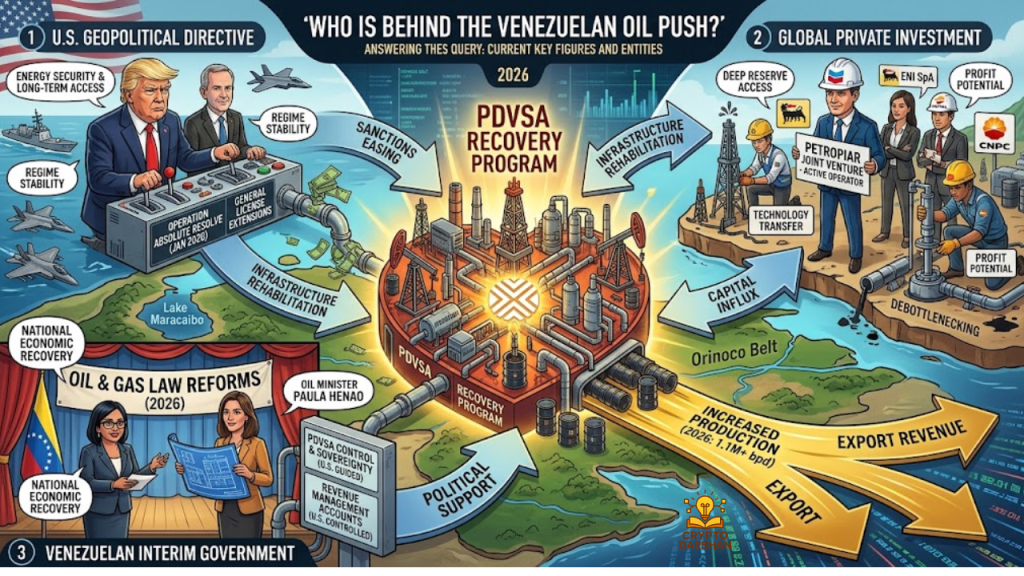
Who Is Behind the Venezuelan Oil Push?
Chris Dixon, best known as a co-founder of Coinbase and now a general partner at Andreessen Horowitz (a16z), has emerged as a key figure in discussions around Venezuela oil , according to reporting on the unfolding negotiations. While Dixon built his reputation in crypto and venture capital, his involvement reflects a wider trend of tech and finance leaders diversifying into energy and physical infrastructure assets.
Dixon’s interest is not in operating oil fields directly but in helping structure investment vehicles and partnerships that can channel capital, technology, and operational expertise into Venezuela’s underdeveloped reserves. The effort dovetails with a16z’s recent launch of a $1.1 billion “Machine Age Fund” aimed at AI hardware and physical infrastructure, signaling the firm’s broader pivot beyond pure software and crypto.
The Bigger Picture: U.S.–Venezuela Oil Negotiations
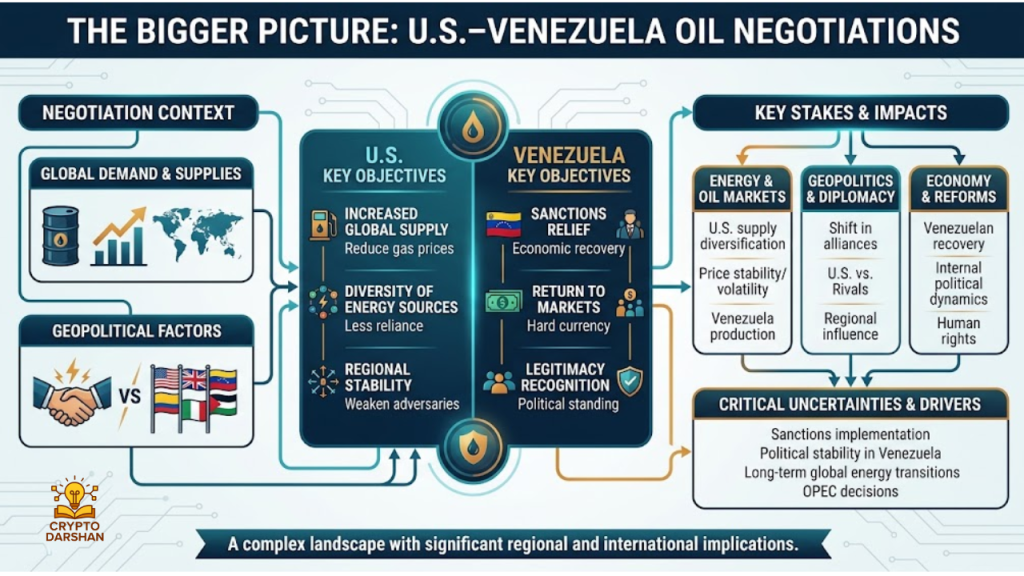
The reported interest from Dixon and associated investors sits alongside parallel talks between the U.S. government and Venezuela’s interim authorities. Multiple outlets say Washington is negotiating long-term access to as many as 17 oil fields spanning the Orinoco Belt and Lake Maracaibo, areas that collectively hold an estimated 90 billion barrels of proven reserves.
President Donald Trump announced on August 28, 2026, that Venezuela had agreed to give the U.S. majority control of more than 65 billion barrels of proven reserves. Under the framework described by officials, the U.S. would hold a 55% stake in a joint venture covering these fields, with American companies developing the assets and a portion of revenues flowing back to Venezuela.
The administration says the deal is designed to replenish U.S. strategic reserves, expand domestic supply options, and put downward pressure on gasoline prices over time. However, no final, publicly filed agreement has been released, and details such as field names, exact terms, and timelines remain subject to change.
Why Venezuela’s Oil Matters
Venezuela holds the world’s largest proven oil reserves, estimated at roughly 300 billion barrels, yet its actual production has collapsed over the past decade due to underinvestment, sanctions, and operational decay. Current output is a fraction of its potential, leaving much of its heavy crude stranded underground
For the U.S., tapping even a portion of these reserves offers a strategic hedge against global supply shocks and OPEC-driven price swings. For Venezuela, attracting foreign capital and technical expertise is seen as essential to reviving Venezuela oil s oil industry and generating export revenue.
The fields under discussion include mature assets around Lake Maracaibo, where Venezuela’s oil boom began more than a century ago, as well as undeveloped blocks in the Orinoco heavy-oil belt. Some of these areas are currently operated by small foreign firms, including Chinese contractors whose agreements date back to the Maduro era.
Role of Private Capital and Tech Investors
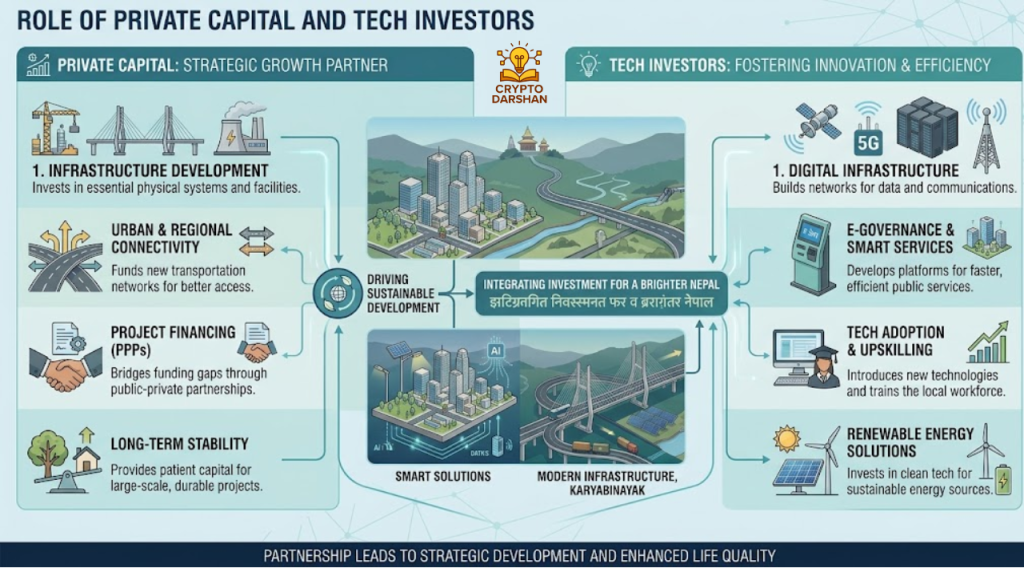
While major oil companies like Chevron and Halliburton are close to signing their own investment deals in Venezuela, the involvement of figures like Dixon highlights a parallel track focused on financial structuring and cross-border capital flows. Chevron, for example, is reportedly on the verge of adding two heavy-oil fields to its existing Venezuelan joint ventures, which already produce roughly 240,000–250,000 barrels per day in total.finance.
Tech-backed investors and funds are exploring ways to layer in modern data, automation, and potentially tokenized revenue-sharing models on top of traditional energy projects. Though not confirmed in public filings, such approaches could allow fractional investment, improved transparency, and new ways to distribute cash flows from Venezuela oil production to a broader set of stakeholders.
This hybrid model—combining conventional Venezuela oil development with fintech and crypto-inspired structures—is where Dixon’s background becomes relevant. His experience building Coinbase, a regulated crypto exchange, and advising on complex financial infrastructure at a16z positions him to help navigate both U.S. regulatory requirements and innovative capital markets solutions.finance.
Risks, Criticism, and Legal Questions
Despite the optimism from U.S. officials, the proposed Venezuela deal faces significant hurdles. Legal experts warn that any arrangement granting the U.S. government or private investors long-term control over Venezuelan resources could be challenged by rival political factions within Venezuela or by future administrations.
There are also geopolitical risks, including potential pushback from countries like China and Russia, which have existing interests in Venezuela’s energy sector. Environmental groups and some lawmakers may oppose deepening U.S. ties to fossil-fuel projects at a time when climate policy remains contentious.
From an investment standpoint, the assets are high-reward but also high-risk: decades of underinvestment mean substantial capital and time will be needed before production scales meaningfully. Sanctions regimes, currency controls, and political instability add further layers of complexity.
What This Could Mean for Crypto and Energy Markets
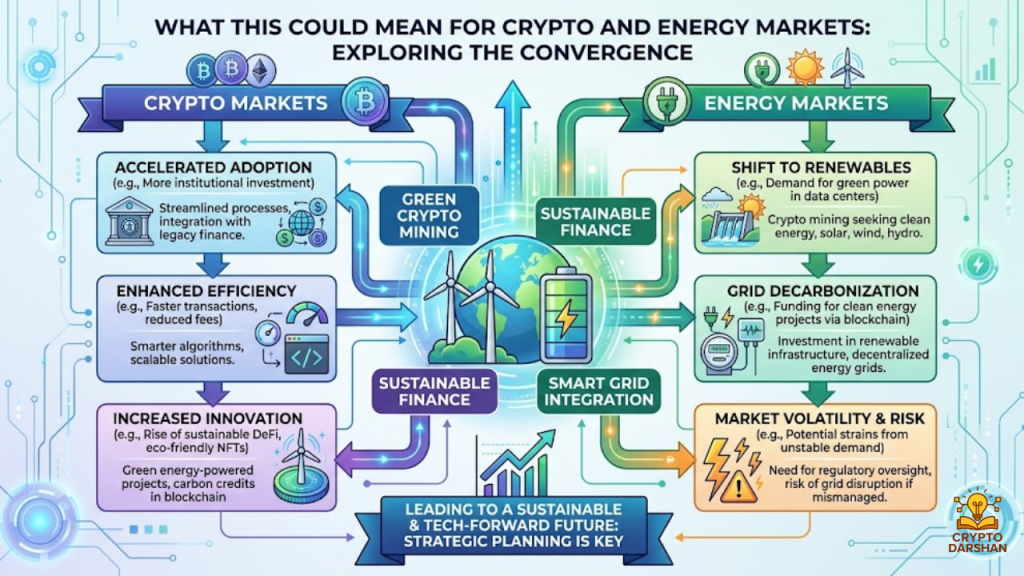
If the U.S.–Venezuela oil framework holds, it could reshape global supply expectations and influence inflation dynamics—factors that historically impact both traditional markets and crypto assets like Bitcoin. Some analysts already link the deal to potential moves in oil prices, the U.S. dollar, and risk assets, noting that a larger, more secure U.S. reserve base might alter macro narratives around energy scarcity.
For crypto-native investors, the story underscores a broader theme: leading figures from the digital-asset world are increasingly engaging with physical infrastructure, from AI data centers to energy projects. Dixon’s reported focus on Venezuela oil is one example of how crypto pioneers are looking beyond exchanges and tokens to the real-world systems that power the global economy.