

Tether has officially abandoned its ambitious $120 million Bitcoin mining project in Uruguay after a prolonged dispute with the state-owned electricity utility left its facilities without reliable power. The stablecoin giant’s exit marks a significant setback for its South American mining expansion plans, though the company continues to invest heavily in Bitcoin mining and renewable energy projects elsewhere in the region.
What Happened in Uruguay?
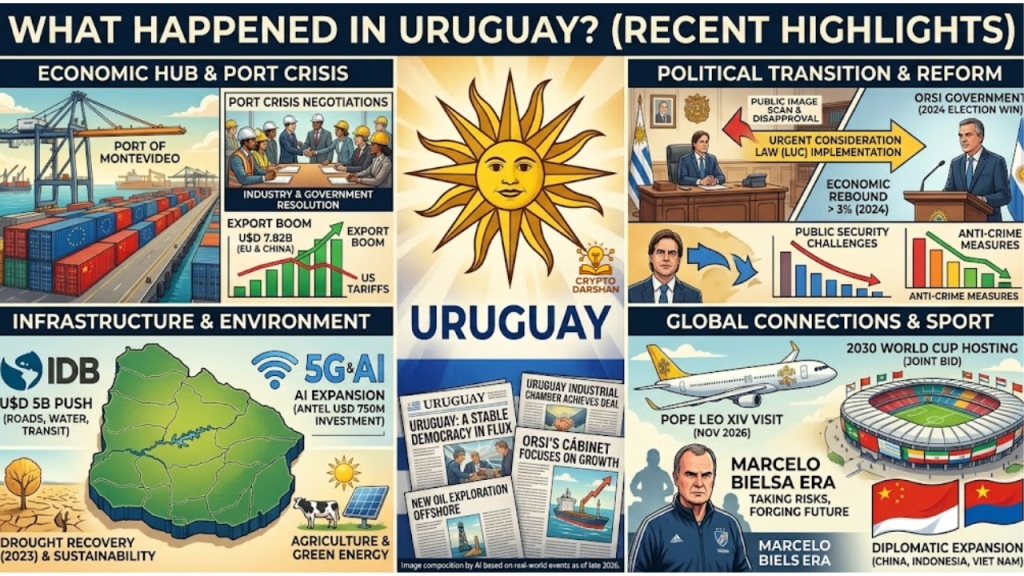
Tether’s Uruguay mining venture began in 2023 as the company’s first major Bitcoin mining operation in South America. The project spanned two facilities in the Florida department of Uruguay, with an estimated investment of around $60 million per site, totaling approximately $120 million. At the time, Tether praised Uruguay as the “perfect platform” for mining due to its renewable energy supply and stable electricity grid.
However, the project quickly ran into trouble over electricity allocations. The core issue was a contractual disagreement between Tether’s local entity, Microfin, and Uruguay’s state utility UTE over how much power the mining facilities could draw. Tether interpreted a contract provision as setting a minimum power allocation that could be increased later, while UTE viewed the same figure as the maximum available under the agreement.
As mining demand grew, this discrepancy became critical. Former contractors reported that the sites sometimes lacked sufficient electricity to operate for days at a time. By November 2024, internal UTE briefings showed the dispute was already underway, and negotiations grew more complicated after Uruguay’s new left-leaning government took office in March 2025 and appointed new directors at UTE.
The situation deteriorated further when Microfin stopped paying electricity bills in May 2025. Although UTE’s board approved a revised contract and memorandum of understanding, Tether representatives did not attend the scheduled signing. With bills outstanding (reportedly around $5 million) and no signed agreement, UTE disconnected power to the facilities on July 25, 2025. Microfin eventually settled the debt in December 2025, but by then Tether had already informed Uruguay’s labor authorities that it would cease local operations and laid off 30 of its 38 employees.
Uruguay Was Just the Beginning of a Bigger Plan

Uruguay was never meant to be Tether’s only mining destination in South America. According to former contractors, the country served as a testing ground for Tether’s mining model before potential expansion into Brazil, Paraguay, and Argentina. Uruguay offered political stability, established infrastructure, and an electricity system powered heavily by renewable sources—making it an ideal entry point for a much larger regional operation.
Early operations showed promise. A February 2024 company video displayed rows of mining buildings surrounded by farmland and wind turbines, with internal roads bearing crypto-themed names like “Memepool Avenue” and “Halving Street.” Tether executives, including CEO Paolo Ardoino and chairman Giancarlo Devasini, were frequent visitors to Uruguay’s coastal resort of Punta del Este, a hub for wealthy foreign residents and technology investors.
Tether’s Mining Ambitions Continue Elsewhere
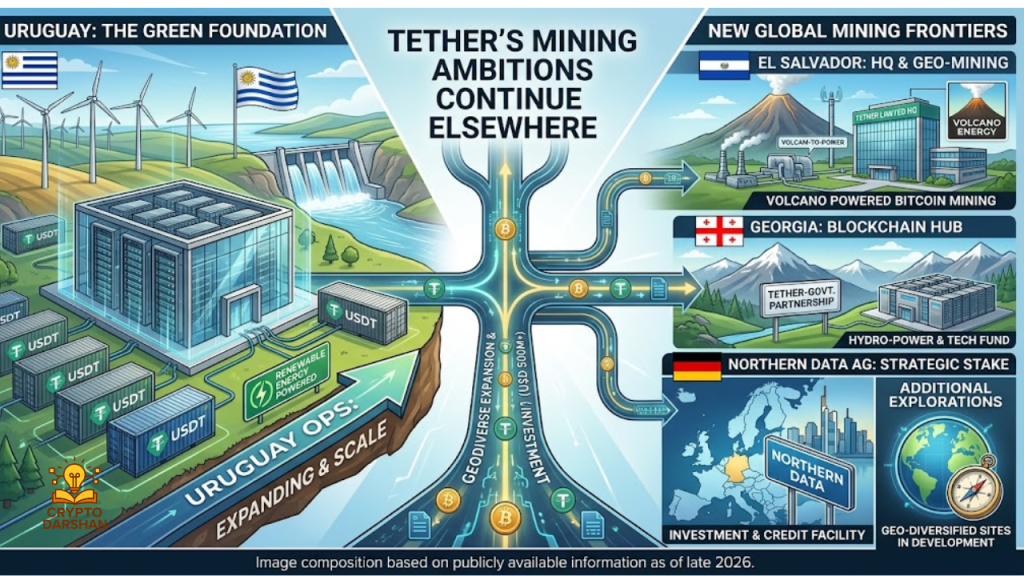
Despite the Uruguay setback, Tether remains committed to Bitcoin mining. In July 2025, the company signed a mining agreement with Latin American agricultural producer Adecoagro to use renewable electricity for Bitcoin mining in Brazil. Adecoagro had more than 230 megawatts of renewable generation capacity at the time and planned to use mining to monetize surplus electricity. Ardoino stated that the Brazil project formed part of Tether’s commitment to renewable-powered mining.
Tether’s overall investment in energy production and Bitcoin mining exceeds $2 billion, according to Ardoino. The company also retains a 19.7% stake in Bitdeer, a Bitcoin mining and AI infrastructure firm, after selling 627,000 shares for about $12.7 million in June 2026.
Beyond direct mining operations, Tether has invested in mining-related software. In February 2026, the company released MiningOS as open-source software, designed to manage installations ranging from small home setups to large industrial sites. This was followed by an open-source Mining Development Kit in April 2026, providing developers with tools for controlling and automating mining hardware.
Why Bitcoin Mining Is Getting Harder
Tether’s Uruguay exit comes during a challenging period for Bitcoin miners globally. The April 2024 Bitcoin halving cut the block subsidy paid to miners in half, forcing operators to rely on more efficient machines, cheaper electricity, or alternative uses for their infrastructure. By mid-2026, hashprice—a measure of miner revenue per unit of computing power—had fallen into the high-$20 range per petahash per day, while older machines faced breakeven levels of about $35.
In response, some operators have increasingly allocated power and facilities to artificial intelligence and high-performance computing. A June 2026 analysis found that public Bitcoin miners had secured more than $70 billion in AI and high-performance computing contracts. Mining specialist Nicolas Ribeiro noted that Uruguay’s reliable grid and internet connectivity could make the country better suited to AI data centers, while relatively expensive electricity weakens Bitcoin mining economics.
Tether’s Financial Strength Supports Diversification

Tether’s ability to absorb the Uruguay loss stems from its robust stablecoin business. The company controls about $183 billion worth of stablecoins and reported $1.04 billion in net profit for the first quarter of 2026. Its total assets stood at $191.77 billion, with about $141 billion invested in U.S. Treasuries.
Profits from the stablecoin operation have been deployed into diverse ventures, including data centers, video platform Rumble, brain-computer interface businesses, and Italy’s Juventus football club. This financial flexibility allows Tether to continue experimenting with Bitcoin mining despite setbacks like the Uruguay project.
What This Means for Crypto Mining in Latin America
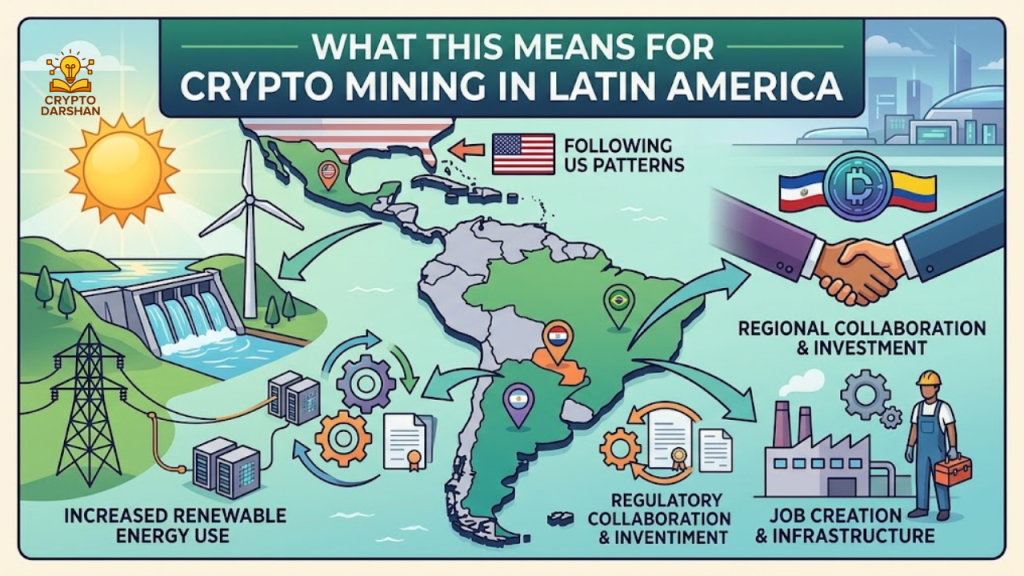
Tether’s Uruguay experience highlights the challenges of large-scale Bitcoin mining in regions with complex regulatory and utility landscapes. While countries like Uruguay offer renewable energy and political stability, contractual disputes and electricity pricing can quickly undermine mining economics.
For now, Tether appears to be shifting focus toward Brazil and other markets where renewable energy surplus and favorable agreements can support profitable mining operations. The company’s continued investment in mining infrastructure and open-source tools suggests it views Bitcoin mining as a long-term strategic priority, even as it navigates the evolving economics of the industry.