


Argentina is moving closer to a new phase in digital finance as BIND and Petersen advance projects linked to peso-pegged tokens. The idea behind Argentina peso stablecoins is simple: give businesses a digital version of the local currency that can move faster, settle more efficiently, and work better with programmable payment systems.
What Is Happening

Recent reporting says that two banking-linked groups in Argentina are pushing ahead with their own digital peso projects through virtual asset subsidiaries. BIND Group is developing its plan through BEN, while Petersen Group is working on DIPE, a token that already has a whitepaper.
These projects are aimed at institutional users, not casual retail traders. That means the main target is businesses that need better tools for payments, liquidity control, treasury operations, and automated financial workflows.
The focus on institutional payment infrastructure is part of a broader industry shift, similar to Coinbase Wants to Build Canada’s All-in-One Financial App, where crypto firms are expanding beyond trading into full-scale financial services.
Why the Projects Matter

The rise of Argentina peso stablecoins could help solve a real problem for companies operating in a volatile and heavily regulated economy. A token tied to the peso may make it easier to move money internally, pay suppliers, manage balances, and handle transactions in a more modern way.
In practical terms, this could reduce delays and manual steps in business finance. It may also help companies use blockchain systems without fully leaving the peso economy behind.
BIND’s Role in the Market
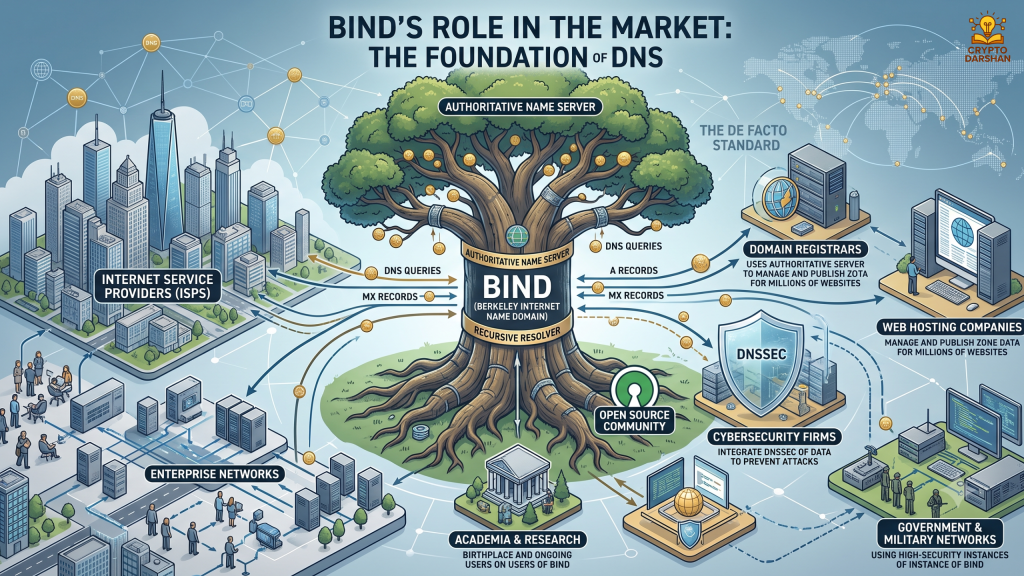
BIND Group has already made progress in digital asset infrastructure through BEN, its licensed virtual asset service provider. Grupo BIND and Circle have partnered to provide regulated institutional access to USDC stablecoins in Argentina through BIND’s digital assets platform, BEN.
That makes BIND’s peso project especially interesting. If Argentina peso stablecoins are introduced inside a regulated setup, businesses may see them as a safer and more practical tool for everyday operations.
The structure also matters because BIND’s bank arm cannot directly offer crypto services under current rules. By moving through subsidiaries, the group is finding a path that fits within the legal and regulatory framework.
Petersen’s DIPE Project

Petersen Group is also developing a peso-pegged token, and its DIPE project appears to be more advanced than a simple concept. The presence of a whitepaper suggests the group is seriously mapping out how the token would work, who would use it, and what business problems it would solve.
Like BIND, Petersen is using a subsidiary structure rather than launching directly through its banking business. That is a smart move in a market where crypto-related activity from banks remains tightly restricted.
The use of separate subsidiaries also reflects the growing need for clear governance structures, a challenge explored in Blockchain Governance Wars, where project oversight and regulatory compliance play a central role.
Regulatory Pressure Remains
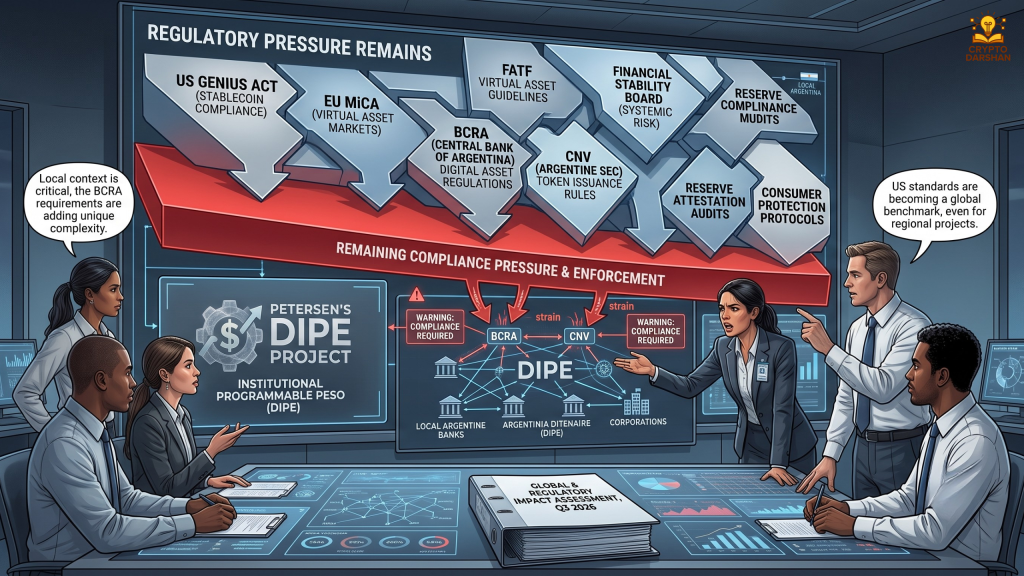
The biggest challenge for Argentina peso stablecoins is regulation. Argentina’s central bank banned private banks from providing crypto-related services in 2022, and that restriction still shapes how financial groups approach the sector.
There is also a history of regulator attention around peso-linked tokens. Earlier action against the argt peso stablecoin showed that authorities are watching closely when digital assets intersect with the local currency and capital markets rules.
Because of this, the future of Argentina peso stablecoins will depend not only on technology but also on how clearly the projects handle compliance, custody, and disclosure. Trust will be just as important as speed.
What Businesses Could Gain

If the projects succeed, companies may get a more efficient way to manage local-currency payments on blockchain rails. That could improve treasury planning, reduce friction in settlements, and make it easier to automate money movement between systems.
As blockchain-based payment infrastructure evolves, businesses are gaining more practical ways to move value digitally, a trend explored in Crypto Debit Cards Explained: Spend Your Bitcoin Like Cash.
The potential impact is wider than a simple token launch. Argentina peso stablecoins could become part of a larger push to modernize business payments in Latin America, where firms are increasingly looking for digital financial tools that work in local currency rather than only in dollars.
For companies that deal with frequent transfers or structured payment flows, the appeal is obvious. A digital peso token can combine the familiarity of the local currency with the speed of blockchain-based settlement.
The Bigger Picture

The story around Argentina peso stablecoins shows how banking-linked firms are trying to adapt to a changing financial landscape. Instead of waiting for a full system-wide overhaul, they are building practical products that could work inside today’s rules.
That approach may be the key to adoption. If businesses can use a peso-backed digital asset without adding too much complexity or regulatory risk, the market could grow steadily over time.
Still, this remains an early-stage development. Argentina peso stablecoins are not yet a mainstream payment tool, and their long-term success will depend on regulation, market demand, and how well the technology performs in real business use.
Even so, the progress from BIND and Petersen is notable. It suggests that Argentina’s private financial sector is no longer just observing the stablecoin trend from the sidelines. It is now actively building products that could bring the peso into the digital asset era.