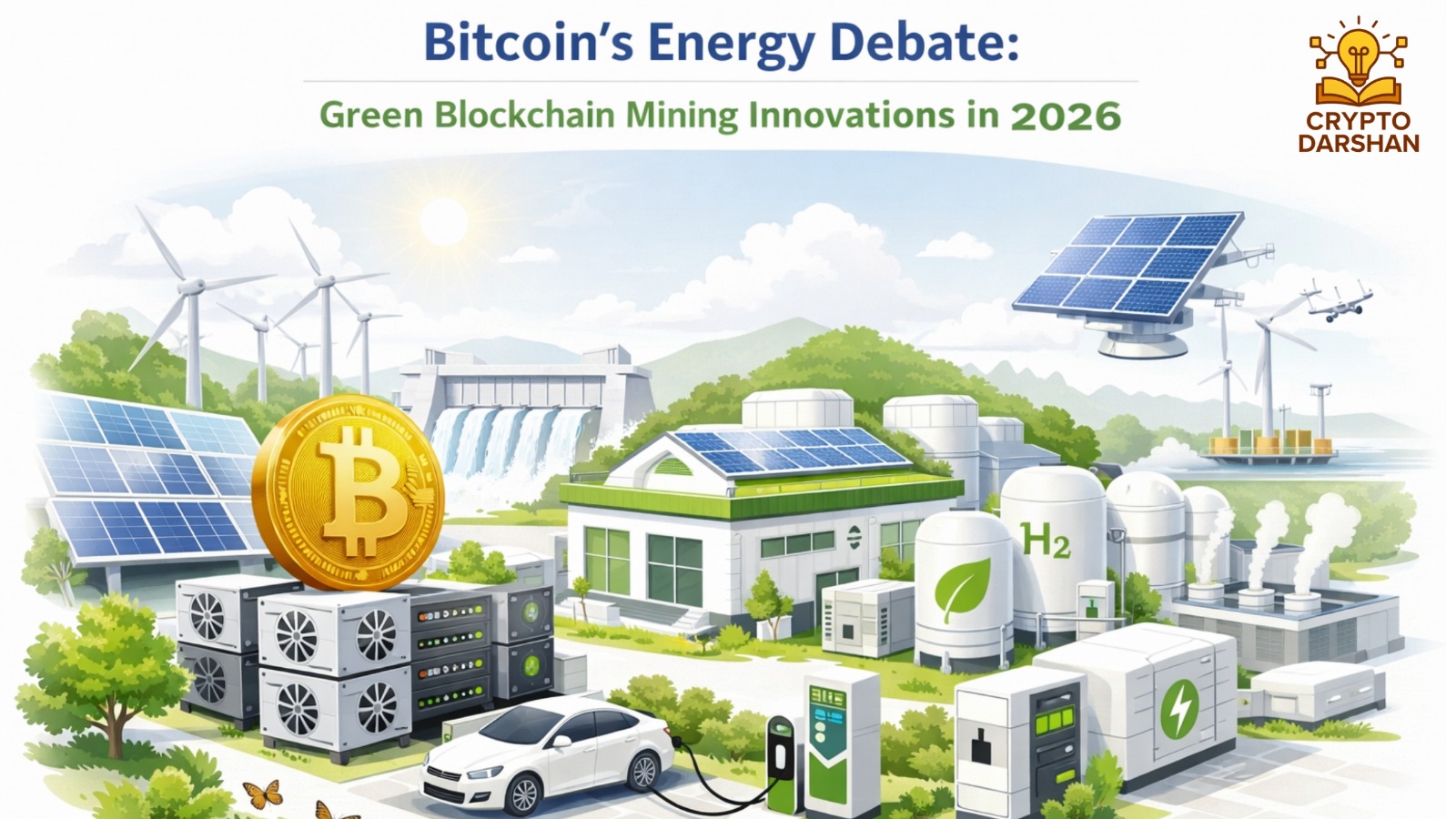
The global conversation around Blockchain Mining has evolved dramatically over the past decade. Once criticized for its massive energy consumption and environmental footprint, the industry is now undergoing a green transformation. In 2026, Blockchain Mining stands at the intersection of sustainability, innovation, and financial technology. The debate surrounding Bitcoin’s energy use has shifted from condemnation to collaboration, as miners, developers, and governments collaborate to develop environmentally friendly solutions. This article examines the latest green innovations in Blockchain Mining, the technologies driving change, and the future of sustainable digital currencies.
Understanding Blockchain Mining
Blockchain Mining is the process through which transactions on a blockchain network are verified, recorded, and secured. It involves using powerful computers to solve complex mathematical problems, known as cryptographic puzzles, that validate blocks of transactions. Once a block is successfully mined, it is added to the blockchain, creating a permanent and tamper-proof record. Miners are rewarded with cryptocurrency, such as Bitcoin, for their computational efforts, which incentivizes participation and maintains network security.
This process ensures that the blockchain remains decentralized, transparent, and resistant to fraud, as every transaction must be verified by multiple participants before being confirmed. In essence, Blockchain Mining is the backbone of blockchain technology, enabling trust and integrity in digital financial systems.
The Evolution of Blockchain Mining

From Proof-of-Work to Sustainable Models
Blockchain Mining began as a simple concept: using computational power to validate transactions and secure the network. Bitcoin’s Proof-of-Work (PoW) mechanism was revolutionary, but it came with a cost—high energy consumption. Early miners used CPUs, then GPUs, and eventually ASICs (Application-Specific Integrated Circuits), each generation demanding more electricity.
By 2026, the industry has recognized the need for balance. While PoW remains the foundation of Bitcoin, new hybrid models and energy-efficient consensus mechanisms are emerging. These innovations aim to maintain network security while reducing environmental impact.
The Energy Debate
The energy debate around Blockchain Mining has been one of the most polarizing topics in the crypto world. Critics argue that Bitcoin’s energy use rivals that of small nations, while supporters claim that mining drives renewable energy adoption. The truth lies somewhere in between. In 2026, the focus has shifted from how much energy is used to how that energy is sourced.
While critics focus on Bitcoin’s electricity consumption, its long-term growth narrative remains strong, as we explained in 1 Number That Proves Bitcoin’s Long-Term Climb Isn’t Over.
The Environmental Impact of Traditional Mining

Carbon Footprint of Early Mining Operations
In the early 2020s, Blockchain Mining operations were often powered by coal and natural gas. Massive mining farms in regions with cheap electricity contributed significantly to carbon emissions. The environmental cost became a major concern for regulators and environmentalists.
The Push for Renewable Energy
As awareness grew, miners began relocating to areas with abundant renewable energy sources. Hydroelectric power in Scandinavia, geothermal energy in Iceland, and solar farms in North America became popular choices. By 2026, over 60% of global Blockchain Mining operations will be powered by renewable energy, marking a significant shift toward sustainability.
Green Blockchain Mining: The 2026 Revolution

Renewable Energy Integration
The integration of renewable energy into Blockchain Mining has become a defining trend. Solar, wind, and hydroelectric power now dominate the energy mix for major mining operations. Companies are investing in on-site renewable infrastructure to ensure a consistent and clean energy supply.
Solar-Powered Mining Farms
Solar energy has become one of the most accessible and scalable solutions for Blockchain Mining. Large-scale solar farms in sunny regions like Texas, Australia, and the Middle East now power thousands of mining rigs. Advances in battery storage technology allow miners to operate 24/7, even when sunlight is unavailable.
Wind Energy and Offshore Mining
Wind energy has also gained traction. Offshore wind farms, particularly in Europe and Asia, are being used to power Blockchain Mining facilities. These setups take advantage of strong and consistent wind patterns, reducing reliance on fossil fuels.
Hydroelectric and Geothermal Solutions
Hydroelectric power remains one of the most efficient renewable sources for Blockchain Mining. Countries like Norway, Canada, and Bhutan have become global leaders in hydro-powered mining. Geothermal energy, particularly in volcanic regions like Iceland and El Salvador, provides another sustainable option.
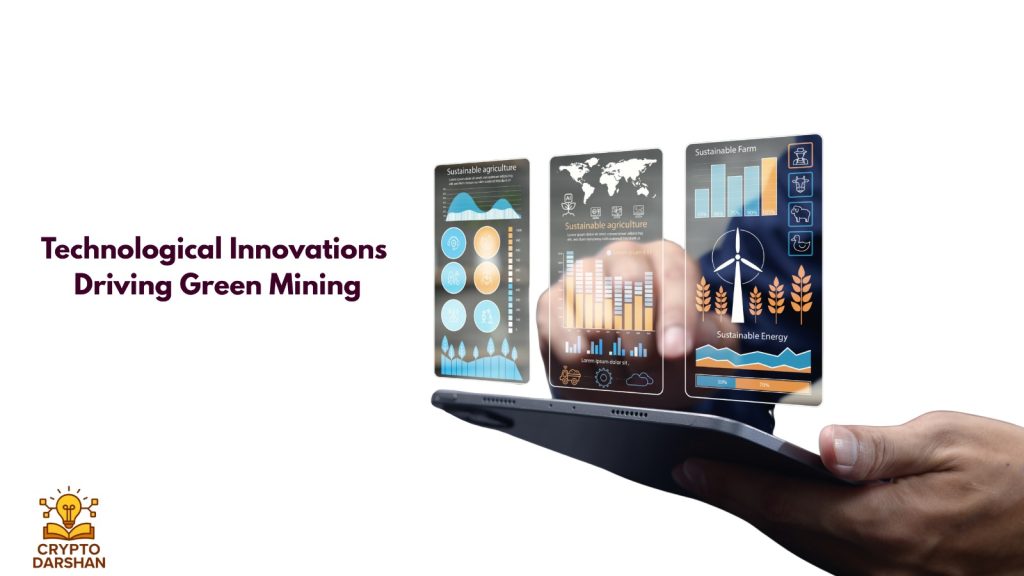
Technological Innovations Driving Green Mining
Energy-Efficient Hardware
The development of energy-efficient mining hardware has been a game-changer. Modern ASICs consume significantly less power per hash compared to earlier models. Companies like Bitmain, MicroBT, and Canaan have introduced chips that optimize performance while minimizing energy use.
Smart Cooling Systems
Cooling has always been a major challenge in Blockchain Mining. Traditional air-cooling systems waste energy and increase operational costs. In 2026, immersion cooling and liquid-based systems have become standard. These technologies reduce heat waste and improve hardware longevity.
AI and Machine Learning Optimization
Artificial intelligence (AI) and machine learning are now integral to Blockchain Mining operations. AI algorithms analyze energy consumption patterns, predict hardware failures, and optimize mining efficiency. This intelligent automation reduces downtime and energy waste.
Blockchain Mining in Space
A futuristic concept that has gained attention is space based Blockchain Mining. Companies are exploring the possibility of using solar energy in orbit to power mining operations. Although still in the experimental stage, this innovation could redefine the boundaries of sustainable mining.
Government Policies and Global Regulations

Carbon Taxes and Incentives
Governments worldwide have introduced carbon taxes and incentives to encourage green Blockchain Mining. Countries offering tax breaks for renewable-powered mining have attracted significant investment. This policy shift has accelerated the transition to sustainable practices.
Environmental Reporting Standards
Transparency has become a key requirement in 2026. Mining companies must now disclose their energy sources and carbon footprints. Blockchain technology is used to verify and record these environmental metrics, thereby ensuring accountability.
International Collaboration
Global organizations are working together to standardize sustainable mining practices. The Green Blockchain Alliance, formed in 2024, has established guidelines for eco-friendly Blockchain Mining. This collaboration promotes knowledge sharing and technological innovation across borders.
The Economics of Green Blockchain Mining

Cost Efficiency and Profitability
While renewable energy infrastructure requires upfront investment, the long-term benefits are substantial. Lower operational costs, government incentives, and reduced regulatory risks make green Blockchain Mining more profitable in the long run.
Tokenized Carbon Credits
A major innovation in 2026 is the tokenization of carbon credits. Miners can earn digital tokens for using renewable energy, which can be traded on blockchain-based marketplaces. This system creates a financial incentive for sustainable mining practices.
Decentralized Energy Markets
Blockchain technology is also transforming the energy sector itself. Decentralized energy markets allow miners to buy and sell renewable energy directly from producers. This peer-to-peer model increases efficiency and reduces costs.
Case Studies: Leading Green Mining Projects

El Salvador’s Volcano-Powered Mining
El Salvador has become a global pioneer in geothermal Blockchain Mining. By harnessing volcanic energy, the country powers its national Bitcoin mining operations with zero emissions. This initiative has inspired other nations to explore similar solutions.
Canada’s Hydroelectric Mining Hubs
Canada’s abundant hydroelectric resources have made it a hotspot for green Blockchain Mining. Companies in Quebec and British Columbia operate massive facilities powered entirely by renewable energy, setting new standards for sustainability.
Texas Solar Mining Farms
Texas has emerged as a leader in solar-powered Blockchain Mining. The state’s vast open land and sunny climate provide ideal conditions for large-scale solar farms. These operations contribute to both local economies and global sustainability goals.
The Role of Blockchain in Environmental Sustainability
Transparent Energy Tracking
Blockchain technology itself is being used to track energy consumption and carbon emissions. Smart contracts record every kilowatt-hour used in Blockchain Mining, ensuring transparency and accountability.
Green NFTs and Eco Tokens
The rise of green NFTs and eco tokens has further integrated sustainability into the blockchain ecosystem. These digital assets promote environmental awareness and fund renewable energy projects.
Circular Economy in Mining
Recycling and repurposing old mining equipment have become standard practices. The circular economy model ensures that hardware waste is minimized, and valuable materials are reused in new devices.
The Future of Blockchain Mining

Quantum Computing and Energy Efficiency
Quantum computing could revolutionize Blockchain Mining by drastically reducing energy requirements. Although still in development, quantum algorithms promise faster and more efficient transaction validation.
Decentralized Autonomous Mining Networks
Decentralized Autonomous Organizations (DAOs) are now managing mining operations. These self-governing systems use smart contracts to allocate resources, optimize energy use, and distribute rewards fairly.
Integration with Smart Grids
Smart grids powered by blockchain technology are enabling real-time energy management. Blockchain Mining operations can now adjust their energy consumption based on grid demand, contributing to overall energy stability.
Challenges and Opportunities Ahead

Balancing Profit and Sustainability
The biggest challenge remains balancing profitability with environmental responsibility. While green Blockchain Mining is gaining traction, some operators still prioritize short-term gains over long-term sustainability.
Technological Barriers
Despite progress, renewable energy integration faces technical challenges such as storage limitations and grid instability. Continued innovation is essential to overcome these barriers.
Global Inequality in Mining Access
Not all regions have equal access to renewable energy. Developing countries may struggle to adopt green Blockchain Mining due to infrastructure and financial constraints. International cooperation is key to bridging this gap.
The Social Impact of Green Blockchain Mining

Job Creation and Economic Growth
The shift toward renewable-powered Blockchain Mining has created new job opportunities in engineering, energy management, and technology development. Local economies benefit from infrastructure investments and energy innovation.
Community Empowerment
Community-based mining projects are emerging, where local populations share ownership of renewable-powered mining facilities. This model promotes economic inclusion and sustainable development.
Education and Awareness
Educational programs focused on sustainable Blockchain Mining are expanding. Universities and research institutions are partnering with mining companies to develop eco-friendly technologies and train the next generation of blockchain engineers.
The Role of Artificial Intelligence in Sustainable Mining

Predictive Maintenance
AI-driven predictive maintenance systems monitor mining hardware in real time, identifying potential failures before they occur. This reduces downtime and energy waste, improving overall efficiency.
Energy Optimization Algorithms
Machine learning algorithms analyze energy consumption patterns and automatically adjust mining operations for maximum efficiency. These systems ensure that Blockchain Mining remains both profitable and sustainable.
Environmental Data Analytics
AI tools are being used to analyze environmental data, helping miners choose optimal locations and energy sources. This data-driven approach enhances decision-making and sustainability outcomes.
Blockchain Mining and the Circular Economy
Blockchain Mining and the Circular Economy are two powerful ideas that, when combined, can create a more sustainable and efficient digital ecosystem. To understand their relationship, it’s important to first define what each term means.
Applying Circular Economy Principles to Blockchain Mining

1. Reduce: Designing Energy-Efficient Mining Systems
The first step in the circular economy is to reduce resource consumption. In Blockchain Mining, this means developing energy-efficient hardware and optimizing mining operations to use less power.
- Energy-efficient ASICs: Modern mining chips are designed to perform more computations per watt, reducing overall energy use.
- Smart cooling systems: Immersion and liquid cooling technologies lower energy waste by maintaining optimal temperatures.
- AI optimization: Artificial intelligence helps miners adjust power usage dynamically, ensuring that no energy is wasted.
By reducing energy consumption, miners not only lower costs but also decrease their environmental footprint.
2. Reuse: Extending the Life of Mining Equipment
The second principle of the circular economy is reuse. Instead of discarding old mining rigs, companies can repurpose or refurbish them for continued use.
- Hardware refurbishment: older mining rigs can be upgraded with new components or repurposed for less energy-intensive blockchains.
- Secondary markets: Used mining equipment can be sold to smaller miners or educational institutions for research and training.
- Repurposing for other industries: Some mining hardware can be adapted for use in data processing, AI training, or scientific simulations.
This approach extends the lifespan of mining equipment, reduces e-waste, and creates new economic opportunities.
3. Recycle: Recovering Valuable Materials
When mining equipment reaches the end of its life, recycling becomes essential. Mining rigs contain valuable materials such as copper, aluminum, and rare earth metals that can be recovered and reused.
- Component recycling: Specialized facilities can extract metals and electronic components from old mining rigs.
- Material recovery programs: Mining companies can partner with recycling firms to ensure responsible disposal and material recovery.
- Circular supply chains: Recycled materials can be used to manufacture new mining hardware, reducing the need for virgin resources.
This recycling process not only conserves natural resources but also reduces the carbon footprint associated with hardware production.
4. Regenerate: Using Waste Heat and Byproducts
A unique opportunity in Blockchain Mining is the ability to regenerate value from waste heat. Mining rigs generate significant heat during operation, which can be captured and reused.
- District heating systems: Some mining farms channel waste heat to warm nearby homes, offices, or greenhouses.
- Agricultural applications: Heat from mining operations can support indoor farming or aquaponics systems.
- Industrial reuse: Factories and data centers can integrate mining operations to utilize excess heat efficiently.
By turning waste into a resource, miners contribute to a regenerative energy cycle that benefits both the environment and local communities.
The Global Shift Toward Sustainable Digital Economies
Corporate Responsibility
Major corporations involved in Blockchain Mining are adopting sustainability goals aligned with global climate targets. Environmental, Social, and Governance (ESG) reporting has become a standard practice.
Green Finance and Investment
Investors are increasingly favoring eco-friendly mining projects. Green bonds and sustainability-linked loans are funding renewable-powered Blockchain Mining operations worldwide.
Collaboration Between Sectors
The intersection of blockchain, energy, and environmental sectors is fostering unprecedented collaboration. Joint ventures between tech companies, energy providers, and governments are accelerating the green mining revolution.
Predictions for 2030 and Beyond

100% Renewable Blockchain Mining
By 2030, experts predict that nearly all Blockchain Mining operations will be powered by renewable energy. Advances in solar, wind, and geothermal technologies will make this goal achievable.
Carbon-Negative Mining
Some companies are already experimenting with carbon negative Blockchain Mining, where operations remove more carbon from the atmosphere than they emit. This could redefine the industry’s environmental impact.
Integration with Global Energy Systems
Blockchain Mining will become an integral part of global energy systems, balancing supply and demand through smart contracts and decentralized energy trading.
FAQ

1. Why is Bitcoin mining criticized for high energy consumption?
Bitcoin mining uses the Proof of Work consensus mechanism, which requires powerful computers to solve complex mathematical problems. This process consumes significant electricity, especially in large mining farms, leading to concerns about environmental impact.
2. Are there greener alternatives to traditional Bitcoin mining?
Yes. Some blockchain networks use Proof of Stake, which requires far less energy because it doesn’t rely on energy-intensive mining hardware. However, Bitcoin continues to use Proof of Work due to its strong security and decentralization benefits.
3. How are Bitcoin miners reducing their environmental impact in 2026?
Many mining companies are switching to renewable energy sources such as solar, wind, and hydroelectric power. Some miners also use excess energy from power grids or capture flared natural gas that would otherwise be wasted.
4. What role do renewable energy sources play in Bitcoin mining?
Renewable energy helps reduce the carbon footprint of mining operations. Regions with abundant hydro or solar power are becoming popular locations for mining facilities because they provide cheaper and cleaner electricity.
5. Can Bitcoin mining actually support renewable energy development?
Yes. Mining operations can stabilize energy grids by purchasing excess renewable energy that might otherwise go unused. This can make renewable energy projects more financially viable.
6. What innovations are improving mining efficiency?
New ASIC hardware, better cooling systems like immersion cooling, and optimized mining software are making mining operations more energy efficient while maintaining network security.
7. Are governments regulating Bitcoin mining energy use?
Some governments are introducing energy regulations, carbon reporting requirements, and renewable energy incentives to ensure mining operations become more environmentally responsible.
Conclusion
The transformation of Blockchain Mining from an energy-intensive process to a sustainable, eco-friendly industry marks a pivotal moment in technological history. In 2026, the focus is no longer on whether Bitcoin and blockchain are harmful to the environment, but on how they can drive the global transition to renewable energy. Through innovation, collaboration, and responsible governance, Blockchain Mining is proving that digital progress and environmental stewardship can coexist.
The future of Blockchain Mining lies in sustainability, transparency, and technological advancement. As the world continues to embrace green energy and decentralized systems, the mining industry will play a crucial role in shaping a cleaner, smarter, and more equitable digital economy.