
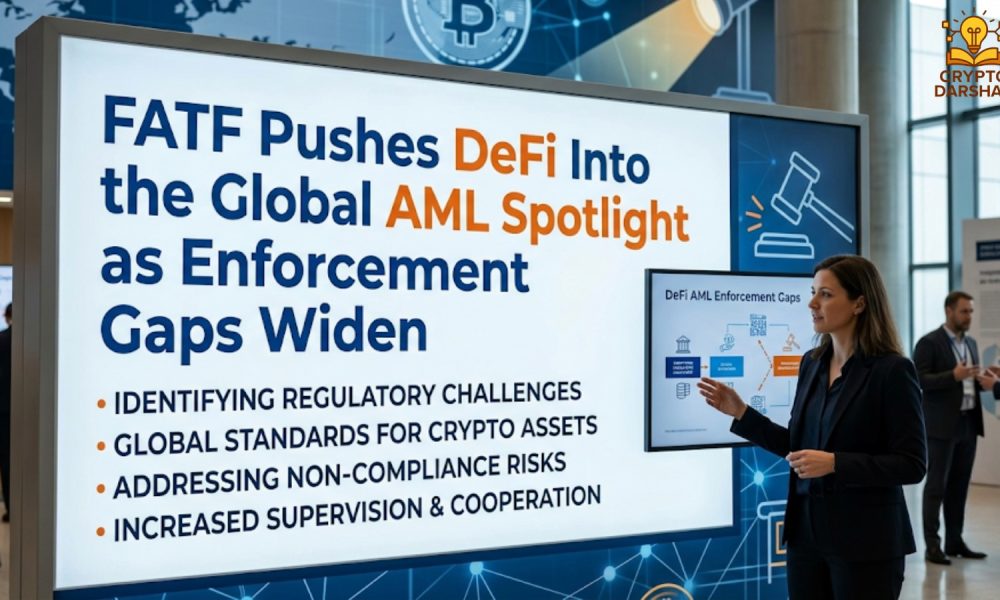
The Financial Action Task Force is putting decentralized finance under a sharper microscope. In its latest report, the global watchdog says DeFi is being increasingly used by illicit actors because enforcement remains weak, rules are uneven, and accountability is often unclear.
The report arrives at a time when crypto regulation is becoming more aggressive worldwide. FATF says the fast growth of DeFi has created new opportunities for innovation, but it has also opened the door to money laundering, fraud, ransomware, and other financial crimes.
Why FATF Is Focusing on DeFi
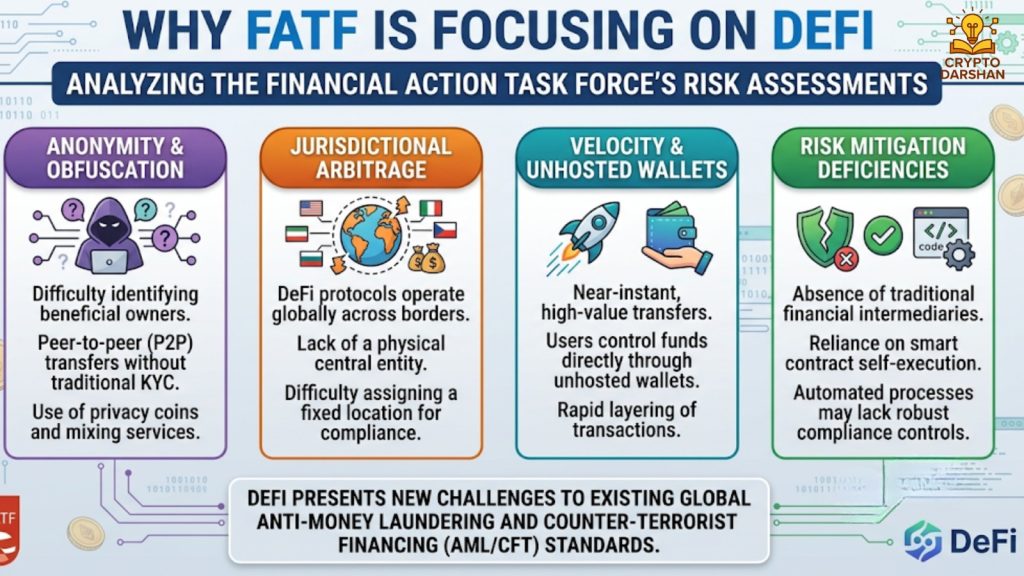
DeFi has become one of the most important parts of the crypto ecosystem. It allows users to borrow, lend, trade, and transfer assets without relying on a traditional bank or centralized financial company. That openness is part of what makes DeFi attractive, but it is also what makes it hard to supervise.
FATF says this structure creates serious anti-money-laundering challenges. Criminal groups can take advantage of borderless transfers, limited identity checks, and fast-moving on-chain activity to hide the origin of funds.
The watchdog is not saying DeFi is illegal. Instead, it is warning that the sector still has major control gaps that make abuse easier than in traditional finance.
What The New Report Warns About
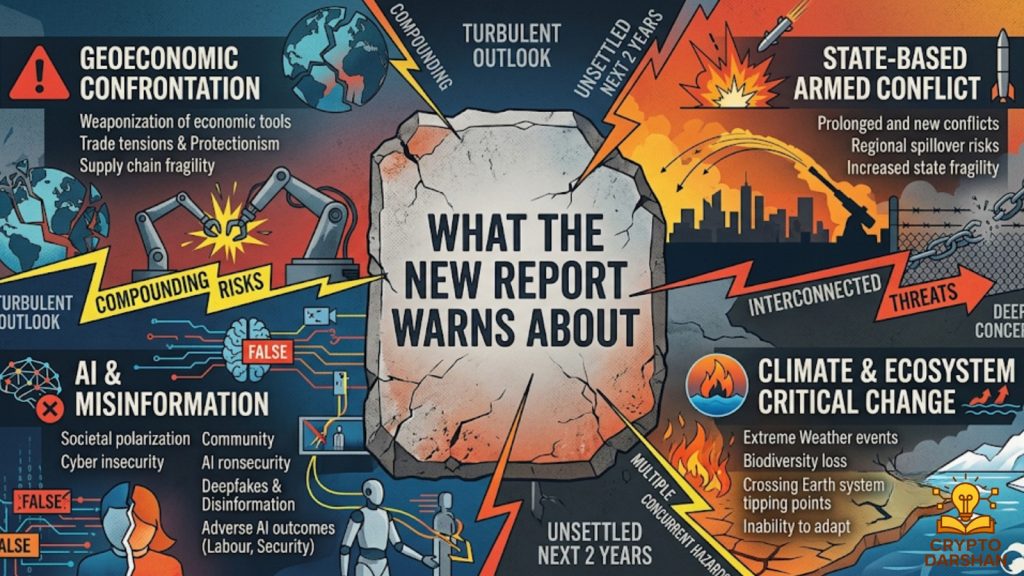
According to FATF, illicit actors are using DeFi in several ways. These include fraud schemes, ransomware payments, professional laundering operations, and even activities linked to proliferation financing.
The organization also says that many countries have already introduced laws covering virtual assets, but implementation is still lagging behind. In other words, the rules may exist on paper, but they are not always enforced effectively in practice.
That gap is important. FATF argues that criminals do not need the entire global system to fail. They only need enough weak spots to move funds, split transactions, and avoid detection.
Why DeFi Is Hard To Regulate
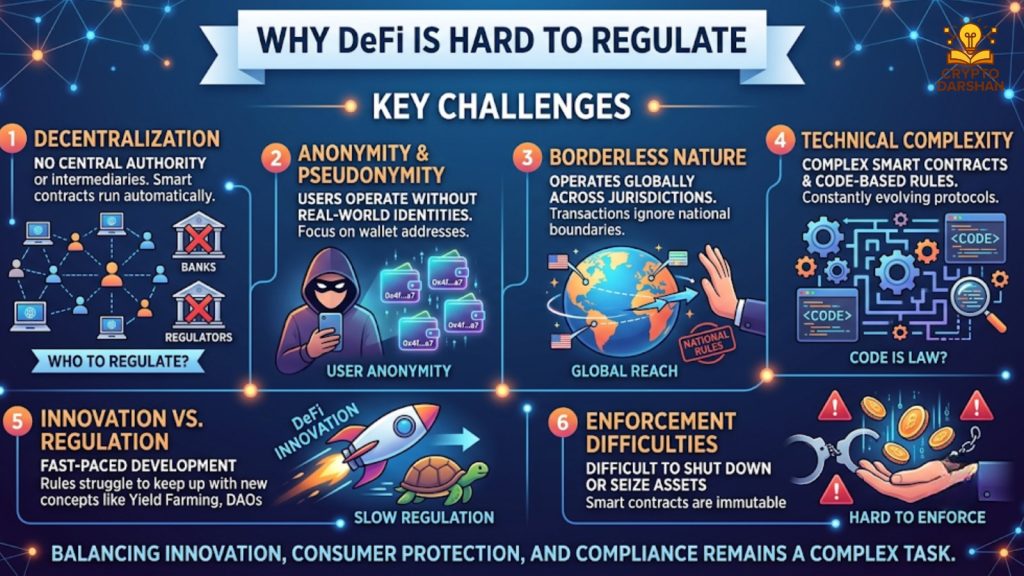
One of the biggest problems is that DeFi does not work like a normal company. There is often no single central office, no obvious compliance team, and no easy way to identify who should be held responsible when something goes wrong.
That does not mean regulators have no options. FATF’s report suggests that authorities should look more closely at controllers, developers, and any other parties that influence how a protocol runs.
This is a key shift. Instead of asking only whether a platform is decentralized, regulators are now asking who really controls the system, who benefits from it, and who should carry compliance duties.
The Risk For The Wider Crypto Sector
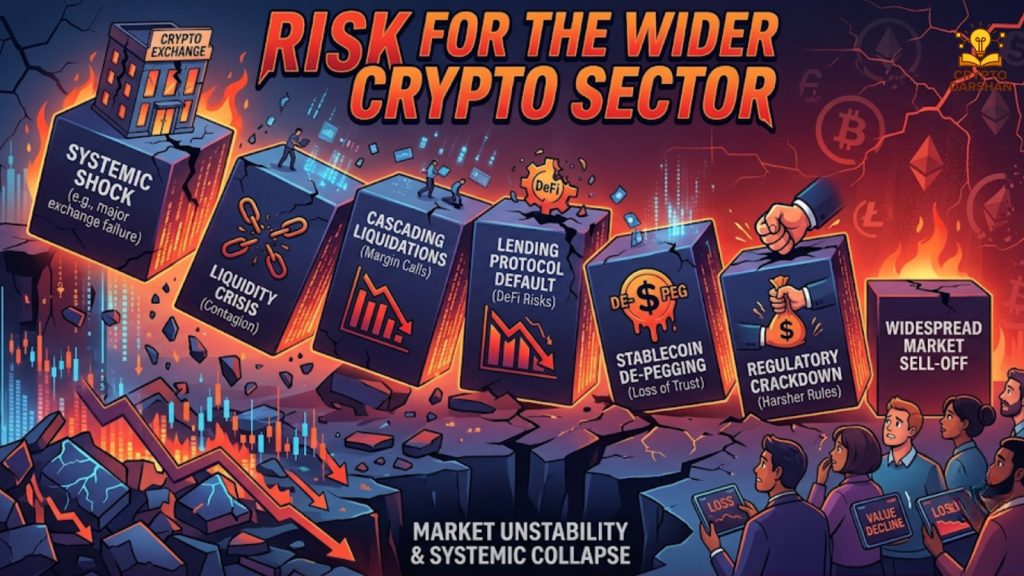
The report matters far beyond DeFi developers. When FATF takes a stronger position, it often shapes how national regulators, banks, exchanges, and payment firms respond next.
That could mean tougher compliance checks, stricter monitoring of wallets and bridges, and more pressure on crypto businesses to prove that they can stop suspicious activity. For legitimate projects, that may create more work and higher costs. For risky projects, it could make access to major markets harder.
At the same time, tighter controls may help the industry in the long run. Stronger AML standards can improve trust, reduce criminal abuse, and make it easier for institutional players to participate.
What Users And Builders Should Expect

For everyday users, this may eventually show up as more verification steps, stronger screening, and closer attention to transaction sources. For builders, the message is even clearer: compliance can no longer be treated as an afterthought.
DeFi teams may need to think more seriously about governance design, access controls, monitoring tools, and how their systems interact with regulators. Projects that ignore these issues may face legal pressure, reputational damage, or reduced market access.
There is also a broader policy lesson here. FATF appears to be signaling that the next stage of crypto regulation will focus less on whether a product is innovative and more on whether it is safe, traceable, and accountable.
What This Means For Crypto In 2026

This report is another sign that crypto regulation is entering a more mature phase. The early days of “move fast and break things” are giving way to a new reality where compliance, governance, and enforcement are becoming central to growth.
For DeFi, that does not necessarily mean the end of innovation. But it does mean the sector will likely need to adapt faster, explain itself better, and build with compliance in mind from the start.
In simple terms, FATF’s message is this: decentralized finance cannot stay outside the anti-money-laundering conversation forever. The longer the enforcement gap remains open, the more likely regulators are to close it with stronger rules, sharper scrutiny, and broader oversight.