
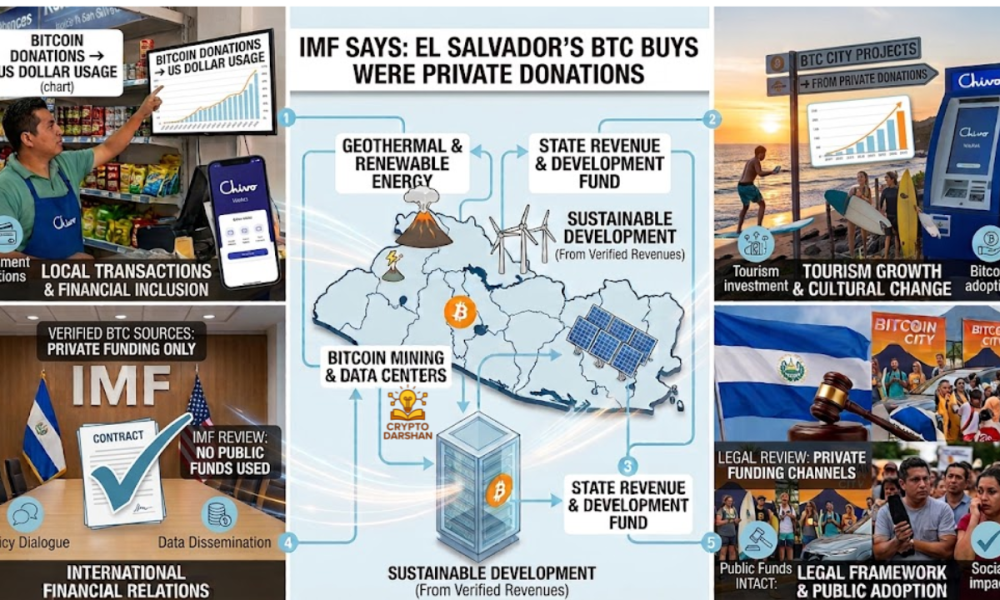
El Salvador did not use taxpayer money to grow its bitcoin reserves after the first review of its IMF loan program, the International Monetary Fund confirmed. The increase came from private donations, not public purchases, according to documents provided by Salvadoran authorities.
What the IMF verified
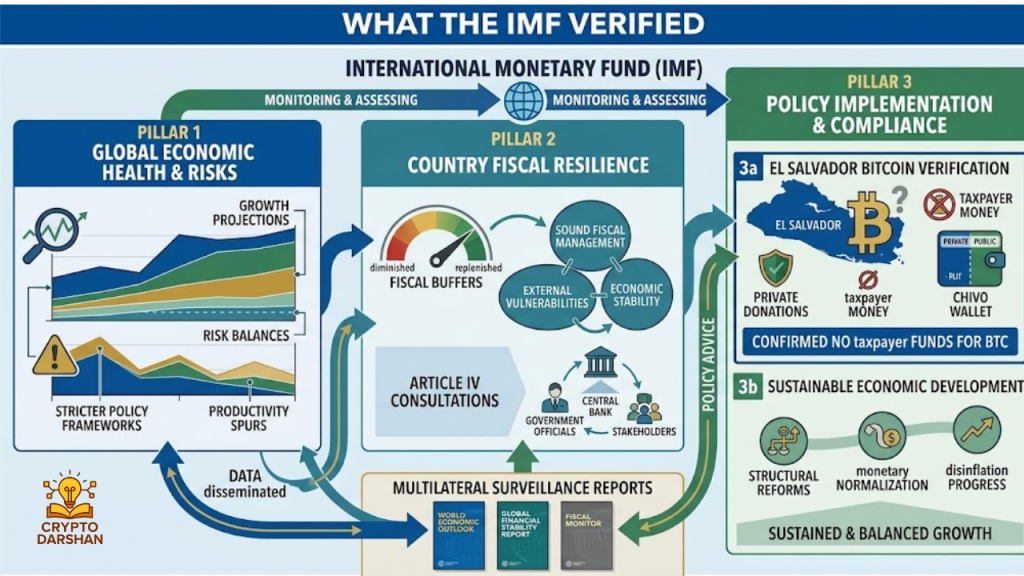
In a statement released Thursday, the IMF said it examined documentation from El Salvador’s government and concluded that all bitcoin added since the first review in June 2025 reflected private donations. The fund added that it does not expect further accumulation beyond those documented donations.
The clarification matters because the IMF’s original agreement required the public sector’s bitcoin balance to remain unchanged after the first review. By attributing the growth to private donations, they effectively separated the new coins from government-funded buying under the terms of the program.
How big is El Salvador’s bitcoin stash now?
El Salvador’s official reserve tracker shows holdings of about 7,764 BTC as of early September 2026. At roughly $80,900 per bitcoin, that stack is worth around $628 million.
The balance is higher than it was before the IMF agreement, reflecting additions that the IMF now says were donation-funded rather than financed with government resources. The IMF did not name the donors or disclose how much each contributed.
Why this was a sticking point in IMF talks
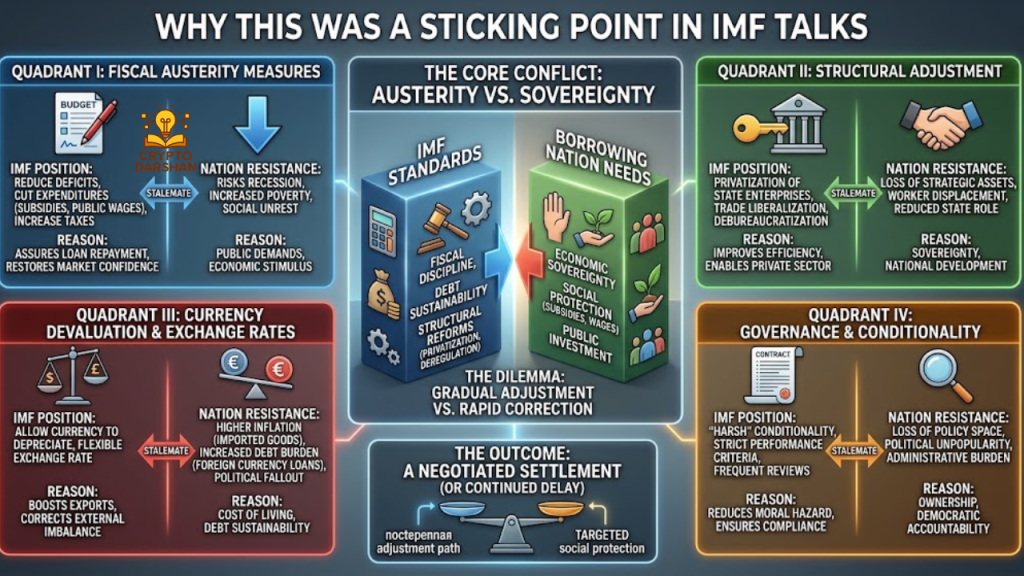
El Salvador made bitcoin legal tender in 2021 under President Nayib Bukele, but its later the program imposed strict limits on public-sector involvement with the asset. Key conditions included:
- Making private-sector acceptance of bitcoin voluntary rather than mandatory
- Requiring taxes to be paid in U.S. dollars, not bitcoin
- Capping public-sector bitcoin purchases at zero under the program
Against that backdrop, any growth in the state’s reported bitcoin holdings raised questions about compliance. The IMF’s latest assessment resolves that tension by stating the post-review increase did not involve public funds.
Chivo wallet changes also part of the deal
The IMF statement also noted structural changes to El Salvador’s Chivo crypto wallet. Majority ownership and operational control have been transferred to a private operator, while the government retains a minority stake and responsibility for custodial duties over customer assets.
This shift aligns with the broader IMF framework, which sought to reduce direct public-sector exposure to crypto operations while preserving some state role in safeguarding user funds.
Funding deal advances as bitcoin question eases
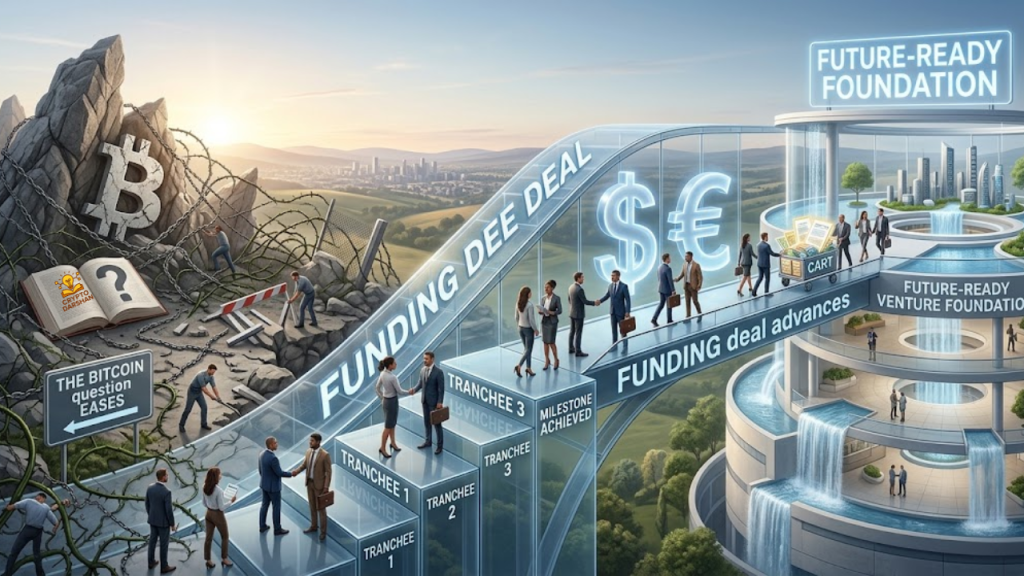
The bitcoin clarification came as the IMF reached a staff-level agreement with El Salvador covering the combined second and third reviews of its 40-month financing program. The deal would unlock about $140 million in disbursements, pending final approval by the IMF’s executive board and completion of agreed prior actions.
By confirming that recent bitcoin accumulation was donation-funded and signaling that no further buildup is expected beyond documented donations, it removed a major obstacle to moving the program forward.
What “private donations” could mean in practice
The IMF did not specify who the donors are or the mechanism used to transfer the bitcoin. Past reporting has highlighted El Salvador’s “one bitcoin a day” purchase policy and periodic large acquisitions, which the government previously framed as part of its national strategy.
Under the IMF’s current reading, those additions after June 2025 are treated as externally funded inflows rather than budget-financed purchases. That distinction allows the country to keep its reported stack growing without breaching the zero-purchase condition attached to public resources in the loan program.
Implications for El Salvador’s bitcoin policy
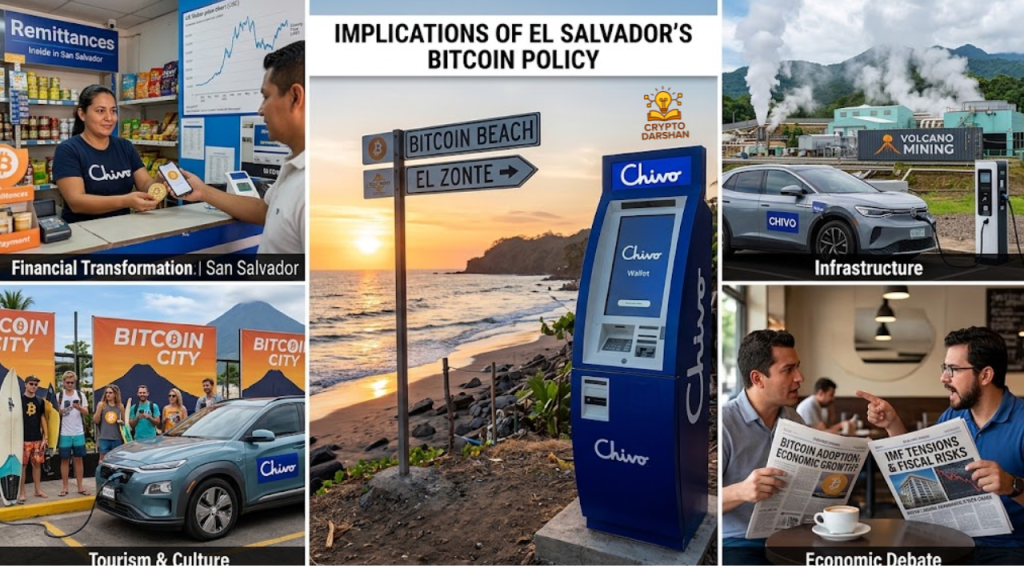
For Bukele’s administration, the IMF’s statement preserves room to maintain a visible bitcoin reserve while staying within the letter of its loan agreement. It also reinforces a hybrid model where:
- The state continues to hold a large bitcoin balance on its books
- New inflows are classified as private donations rather than public buys
- Core fiscal and monetary operations remain anchored to the U.S. dollar
At the same time, the IMF’s note that “no further accumulation beyond documented donations is expected” sets a clear boundary. Any future growth that looks like government-funded purchasing could trigger renewed scrutiny under the program.
Where things stand now
With the bitcoin question addressed, El Salvador is positioned to move toward formal board approval of the $140 million disbursement. Its reported holdings of roughly 7,764 BTC remain among the largest national stacks globally, even as the funding source for recent additions is now officially categorized as private rather than public.
For observers tracking the intersection of sovereign finance and crypto, the episode underscores how accounting classifications—and the source of funds—can determine whether a country’s bitcoin strategy fits within traditional lending frameworks.