

The year 2026 marks a new era in digital finance, where AI and Blockchain technologies are transforming how investors manage their crypto portfolios. Artificial Intelligence (AI) brings automation, prediction, and data-driven decision-making, while Blockchain ensures transparency, security, and decentralization. Together, AI and Blockchain are redefining portfolio management by creating smart agents capable of analyzing markets, executing trades, and optimizing investments without human intervention.
This combination is not just a technological advancement—it’s a revolution in how financial systems operate. Investors now rely on intelligent algorithms that learn from data, adapt to market changes, and execute strategies in real time. Meanwhile, blockchain ensures that every transaction is verifiable, immutable, and secure. This synergy between AI and Blockchain is shaping the future of decentralized finance (DeFi), making crypto investing more efficient, transparent, and accessible.
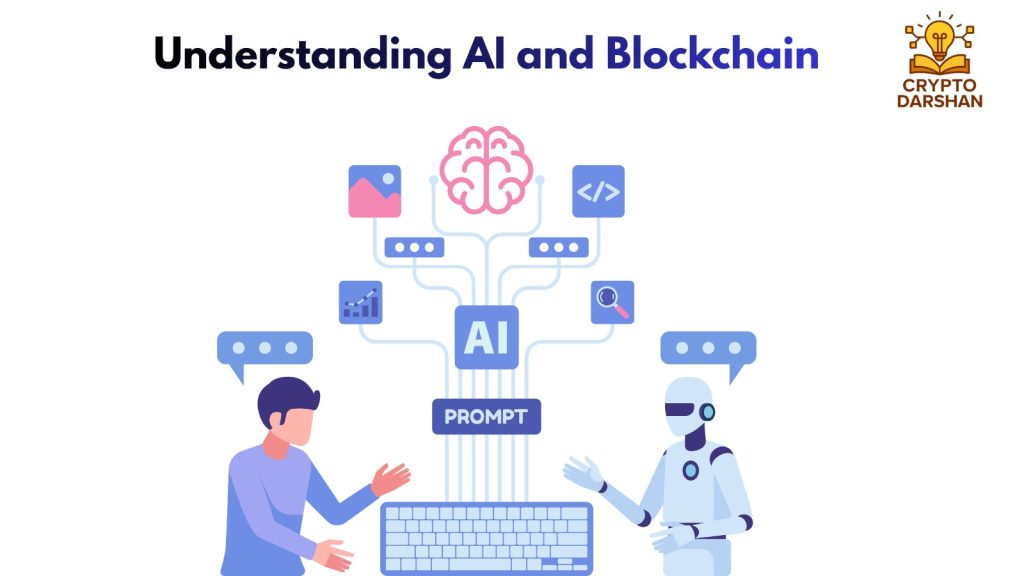
Understanding AI and Blockchain
What Is Artificial Intelligence (AI)?
Artificial Intelligence refers to computer systems that can perform tasks requiring human-like intelligence, such as learning, reasoning, and problem-solving. In finance, AI analyzes massive datasets, identifies patterns, and makes predictions about market trends. Machine learning (ML), a subset of AI, allows systems to improve their performance over time without explicit programming.
What Is Blockchain?
Blockchain is a decentralized digital ledger that records transactions across multiple computers. It ensures transparency, security, and immutability. Each transaction is stored in a block, linked to previous ones, forming a chain that cannot be altered. Blockchain eliminates intermediaries, reduces fraud, and provides a trustless environment for digital transactions.
The Synergy Between AI and Blockchain
When combined, AI and Blockchain create a powerful ecosystem. AI enhances blockchain by improving efficiency, scalability, and automation, while blockchain provides AI with secure, verifiable data. Together, they enable smart agents—autonomous systems that can make financial decisions, execute trades, and manage assets transparently.
The Evolution of Crypto Portfolio Management

Traditional Portfolio Management
Before the rise of AI and Blockchain, portfolio management relied heavily on human expertise. Financial advisors analyzed market trends, assessed risks, and made investment decisions manually. This process was time-consuming, prone to bias, and limited by human capacity to process large amounts of data.
The Shift to Automation
With the introduction of AI, portfolio management became more data-driven. Algorithms could analyze thousands of data points in seconds, identify profitable opportunities, and execute trades automatically. However, centralized systems still posed risks such as data breaches and lack of transparency.
The Role of Blockchain in Modern Portfolios
Blockchain introduced decentralization and transparency to portfolio management. Investors could now verify transactions, track asset ownership, and ensure data integrity. Smart contracts automated processes like rebalancing portfolios and distributing profits. The integration of AI and Blockchain has taken this further, enabling fully autonomous portfolio management systems.
How AI and Blockchain Work Together in Crypto Portfolio Management
1. Data Collection and Analysis
AI systems gather data from multiple sources including crypto exchanges, market prices, trading volumes, social media sentiment, news articles, and on-chain transactions. Blockchain ensures this data is authentic, tamper-proof, and verifiable. AI algorithms process millions of data points in seconds to identify patterns and trends. The combination guarantees that portfolio decisions are based on accurate, real-time information rather than manipulated or false data, leading to more reliable investment strategies.
2. Predictive Market Analytics
AI uses machine learning models to forecast price movements, market trends, and volatility patterns by analyzing historical data. These predictive models continuously learn and improve their accuracy over time. Blockchain provides transparent access to complete transaction histories and market data, ensuring AI trains on reliable information. This synergy helps investors anticipate market shifts before they happen, allowing smart agents to adjust portfolios proactively and capitalize on emerging opportunities while avoiding potential losses.
3. Automated Trade Execution
Smart agents powered by AI determine optimal entry and exit points for trades based on market analysis and predefined strategies. Once decisions are made, blockchain smart contracts execute these trades automatically without human intervention. Every transaction is recorded immutably on the blockchain, creating a permanent audit trail. This automation eliminates emotional decision-making, reduces human error, ensures trades happen at the best possible moments, and provides complete transparency about when and why trades were executed.
4. Real-Time Risk Assessment
AI algorithms continuously monitor portfolio exposure by analyzing volatility, liquidity levels, correlation between assets, and overall market sentiment. Blockchain provides transparent, real-time records of asset performance, ownership, and transaction history. Together, they enable dynamic risk management where portfolios automatically adjust to changing market conditions. If risk levels exceed predetermined thresholds, AI triggers rebalancing actions that blockchain smart contracts execute immediately, protecting investments from sudden market downturns.
5. Portfolio Optimization and Rebalancing
AI continuously evaluates portfolio performance against investment goals and market conditions, identifying when asset allocations need adjustment. Machine learning algorithms calculate optimal asset distributions to maximize returns while minimizing risk. Blockchain smart contracts automate the rebalancing process, executing buy and sell orders transparently. Every adjustment is recorded on the blockchain, ensuring investors can verify why changes were made. This combination ensures portfolios remain optimized without constant manual intervention.
6. Sentiment Analysis and Market Intelligence
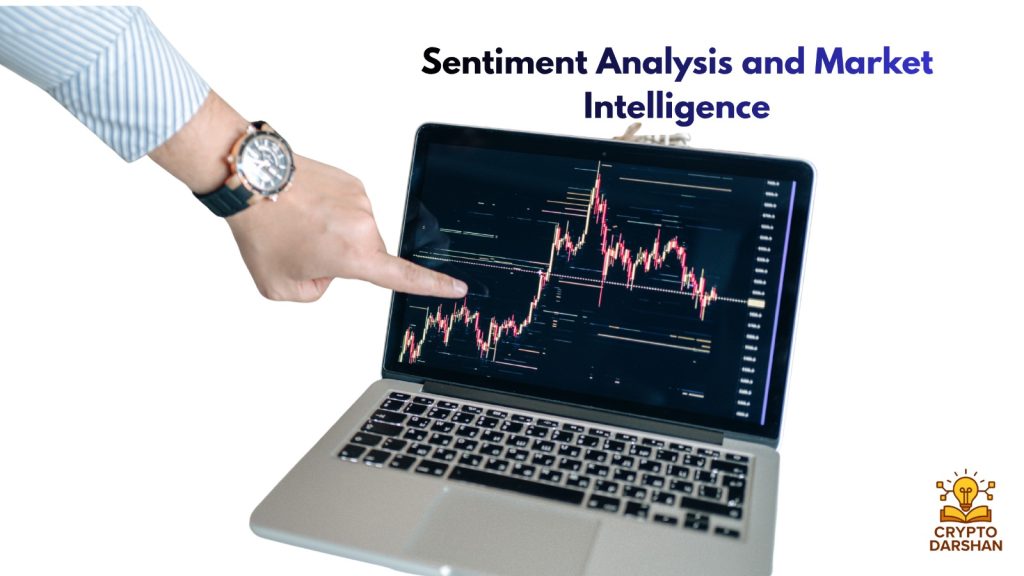
AI uses natural language processing (NLP) to analyze news articles, social media posts, forum discussions, and regulatory announcements to gauge market sentiment. This helps predict how investor emotions might affect prices. Blockchain verifies the authenticity of data sources and timestamps information, preventing manipulation. By understanding market psychology through AI while ensuring data integrity through blockchain, smart agents can anticipate market reactions to events and adjust portfolios accordingly before major price movements occur.
7. Security and Fraud Detection
AI monitors blockchain transactions in real-time, identifying suspicious patterns, unusual trading behaviors, and potential security threats. Machine learning models detect anomalies that might indicate hacking attempts, wash trading, or market manipulation. Blockchain’s encryption and decentralized structure protect portfolio data from unauthorized access. Together, AI and blockchain create multiple security layers—AI actively hunts for threats while blockchain ensures that legitimate transactions are immutable and verifiable, significantly reducing fraud risks.
8. Smart Contract Automation
Blockchain smart contracts automate portfolio management tasks like dividend distribution, fee payments, profit-taking, and stop-loss execution. AI enhances these contracts by optimizing their parameters based on real-time market analysis. For example, AI might adjust stop-loss levels dynamically as volatility changes, and smart contracts execute these adjustments automatically. This creates self-managing portfolios where complex strategies are implemented transparently and efficiently without requiring constant human oversight or intermediary involvement.
9. Cross-Asset Portfolio Diversification

AI analyzes correlations between different cryptocurrencies, tokenized assets, DeFi protocols, and traditional financial instruments to create diversified portfolios. Blockchain enables tokenization of real-world assets like real estate, commodities, and stocks, making them tradable alongside cryptocurrencies. AI manages these diverse assets holistically, rebalancing across multiple asset classes and blockchains. This cross-asset intelligence reduces overall portfolio risk while maximizing return opportunities across the entire digital and tokenized asset ecosystem.
10. Transparent Performance Tracking
Blockchain records every portfolio transaction, rebalancing action, and performance metric immutably, creating a complete and verifiable history. AI generates detailed analytics, performance reports, and insights from this blockchain data, showing exactly how portfolios performed and why specific decisions were made. Investors can audit AI decisions at any time, ensuring accountability. This transparency builds trust in automated systems, allows for continuous improvement of AI strategies, and provides clear documentation for tax reporting and regulatory compliance.
Smart Agents: The Future of Crypto Investing
What Are Smart Agents?
Smart agents are autonomous systems that use AI and Blockchain to manage crypto portfolios. They analyze data, make investment decisions, and execute trades without human intervention. These agents operate 24/7, adapting to market changes instantly.
How Smart Agents Operate
- Data Gathering: Collect real-time data from exchanges, news, and social media.
- Analysis: Use AI models to identify trends and opportunities.
- Decision-Making: Apply algorithms to determine optimal trades.
- Execution: Use blockchain smart contracts to execute and record transactions.
- Learning: Continuously improve strategies through machine learning.
Benefits of Smart Agents
- Efficiency: Operate continuously without fatigue.
- Accuracy: Make data-driven decisions free from emotion.
- Transparency: Blockchain ensures all actions are verifiable.
- Security: Transactions are encrypted and immutable.
- Scalability: Manage multiple portfolios simultaneously.
Real-World Applications
In 2026, many DeFi platforms use smart agents for automated portfolio management. For example, decentralized hedge funds employ AI-driven bots that trade based on blockchain-verified data. Retail investors use AI-powered apps that automatically rebalance portfolios and optimize returns.
The Role of AI in Blockchain-Based Portfolio Management
Machine Learning Models
Machine learning enables AI systems to learn from historical data and improve over time. In crypto investing, ML models predict price movements, detect anomalies, and identify profitable trading patterns. These models rely on blockchain data for accuracy and transparency.
Natural Language Processing (NLP)
NLP allows AI to analyze news, social media, and market sentiment. By understanding language patterns, AI can gauge investor emotions and predict market reactions. Blockchain ensures that the data feeding these models is authentic and unaltered.
Reinforcement Learning
Reinforcement learning enables AI agents to learn through trial and error. In portfolio management, these agents test different strategies and adapt based on outcomes. Blockchain records every transaction, providing a transparent learning environment for AI systems.
Data Integrity and Security
Blockchain ensures that all data used by AI is authentic and tamper-proof. This prevents manipulation and ensures that AI models make decisions based on reliable information. The combination of AI and Blockchain enhances trust in automated systems.
Smart Contracts
Smart contracts automate portfolio management tasks such as rebalancing, profit distribution, and fee payments. These contracts execute automatically when conditions are met, reducing the need for intermediaries. AI enhances smart contracts by optimizing their execution based on real-time data.
Decentralization
Blockchain decentralizes portfolio management, eliminating the need for centralized authorities. Investors retain full control over their assets while AI manages operations. This decentralized approach aligns with the principles of transparency and autonomy that define AI and Blockchain integration.
Tokenization of Assets
Blockchain enables tokenization, allowing real-world assets like stocks, real estate, and commodities to be represented as digital tokens. AI can analyze and manage these tokenized assets within crypto portfolios, diversifying investments and reducing risk.
Benefits of Combining AI and Blockchain in Crypto Portfolios
1. Enhanced Transparency
Blockchain provides a transparent record of all transactions, while AI ensures that decisions are based on verifiable data. This transparency builds trust among investors and regulators.
2. Improved Security
Blockchain’s encryption and decentralized structure protect data from hacks and fraud. AI enhances security by detecting suspicious activities and preventing unauthorized access.
3. Greater Efficiency
AI automates complex tasks like data analysis and trading, while blockchain automates transaction verification. Together, AI and Blockchain reduce operational costs and increase efficiency.
4. Real-Time Decision-Making
AI processes data instantly, enabling real-time portfolio adjustments. Blockchain ensures that these changes are executed securely and recorded immutably.
5. Reduced Human Error
Automation eliminates emotional and impulsive decisions. Smart agents powered by AI and Blockchain make objective, data-driven choices that improve portfolio performance.
6. Accessibility
Decentralized platforms powered by AI and Blockchain make advanced portfolio management accessible to retail investors, not just institutions.
Challenges in Integrating AI and Blockchain

1. Data Privacy
While blockchain ensures transparency, it can conflict with privacy requirements. Balancing transparency with data protection remains a challenge for developers.
2. Scalability
Both AI and blockchain require significant computational power. Managing large datasets and executing transactions quickly can strain network resources.
3. Regulatory Uncertainty
Governments are still developing regulations for AI and blockchain technologies. Unclear legal frameworks can slow adoption and innovation.
4. Technical Complexity
Integrating AI algorithms with blockchain infrastructure requires advanced technical expertise. Developing interoperable systems remains a challenge.
5. Ethical Concerns
AI decision-making raises ethical questions about accountability and fairness. Ensuring that AI systems act transparently and without bias is essential.
Real-World Examples of AI and Blockchain in 2026

1. Decentralized Hedge Funds
In 2026, decentralized hedge funds use AI and Blockchain to manage assets autonomously. AI analyzes market data and executes trades, while blockchain ensures transparency and security. Investors can verify fund performance in real time.
2. AI-Powered DeFi Platforms
DeFi platforms integrate AI to optimize lending, borrowing, and yield farming strategies. Blockchain smart contracts execute these operations automatically, ensuring fairness and transparency.
3. Crypto Robo-Advisors
AI-driven robo-advisors use blockchain data to create personalized investment strategies. They analyze user preferences, risk tolerance, and market conditions to build optimized crypto portfolios.
4. Tokenized Asset Management
AI manages tokenized assets like real estate and commodities on blockchain platforms. This allows investors to diversify portfolios and access global markets seamlessly.
5. Fraud Detection Systems
AI algorithms monitor blockchain transactions to detect suspicious patterns and prevent fraud. This combination enhances security across crypto exchanges and DeFi platforms.
The Future of AI and Blockchain in Portfolio Management
Autonomous Financial Ecosystems
By 2026, AI and Blockchain are creating fully autonomous financial ecosystems. Smart agents manage portfolios, execute trades, and handle compliance without human intervention. These systems operate transparently and efficiently, reducing costs and increasing accessibility.
Integration with Web3
AI and Blockchain are integral to Web3—the decentralized internet. AI enhances user experiences through personalization, while blockchain ensures data ownership and privacy. In portfolio management, Web3 enables seamless integration between decentralized apps and smart agents.
Cross-Chain Intelligence
Future systems will use AI to analyze data across multiple blockchains. This cross-chain intelligence allows for better diversification and risk management, as smart agents can operate across different ecosystems.
Quantum-Resistant Security
As quantum computing advances, AI and Blockchain developers are creating quantum-resistant encryption methods to secure portfolios against future threats.
Human-AI Collaboration
While automation dominates, human oversight remains important. Investors will collaborate with AI systems, setting goals and reviewing performance while AI handles execution and optimization.
Skills Needed for a Career in AI and Blockchain

Technical Skills
- Programming languages: Python, Solidity, Rust, and JavaScript
- Machine learning frameworks: TensorFlow, PyTorch
- Blockchain platforms: Ethereum, Hyperledger, Solana
- Smart contract development and auditing
- Data analysis and visualization
Soft Skills
- Analytical thinking
- Problem-solving
- Adaptability
- Ethical decision-making
- Communication and teamwork
Professionals combining these skills are in high demand as AI and Blockchain continue to reshape the financial industry.
How Investors Can Benefit from AI and Blockchain
1. Smarter Investment Decisions
AI analyzes massive datasets to identify profitable opportunities, while blockchain ensures data accuracy. This leads to more informed investment decisions.
2. Lower Costs
Automation reduces the need for intermediaries, lowering transaction and management fees.
3. Greater Transparency
Blockchain provides verifiable records of all transactions, ensuring investors can track performance and compliance.
4. Enhanced Security
AI detects anomalies and prevents fraud, while blockchain secures transactions through encryption and decentralization.
5. Personalized Strategies
AI tailors’ investment strategies based on individual risk tolerance and goals, creating customized portfolio solutions.
Ethical and Regulatory Considerations
Data Ownership
Blockchain gives users control over their data, but integrating AI requires careful handling to maintain privacy and compliance with data protection laws.
Algorithmic Transparency
AI systems must be transparent about how decisions are made. Blockchain can record AI decision-making processes, ensuring accountability.
Compliance and Governance
Regulators are developing frameworks to oversee AI and Blockchain systems. Compliance with these regulations is essential for sustainable growth.
Preventing Bias
AI models must be trained on diverse datasets to avoid bias. Blockchain’s transparency helps monitor and audit AI behavior.
The Economic Impact of AI and Blockchain in 2026
Job Creation
The rise of AI and Blockchain has created new roles such as blockchain engineers, AI developers, data scientists, and smart contract auditors.
Financial Inclusion
Decentralized platforms powered by AI make investing accessible to people worldwide, reducing barriers to entry.
Market Efficiency
Automated systems reduce inefficiencies, increase liquidity, and stabilize markets through continuous optimization.
Institutional Adoption
Banks and financial institutions are adopting AI and Blockchain to improve operations, reduce costs, and enhance customer experiences.
The Road Ahead

The integration of AI and Blockchain is still evolving, but its potential is immense. As technology advances, smart agents will become more sophisticated, capable of managing complex portfolios across multiple asset classes. The combination of AI’s intelligence and blockchain’s transparency will redefine trust in financial systems.
By 2030, experts predict that most crypto portfolios will be managed by autonomous agents powered by AI and Blockchain. These systems will not only optimize returns but also democratize access to advanced financial tools, empowering investors globally.
FAQ: AI and Blockchain: How Smart Agents Are Managing Crypto Portfolios in 2026

1. What are AI crypto agents?
AI crypto agents are automated software systems that use artificial intelligence to analyze markets, execute trades, rebalance portfolios, and manage digital assets with minimal human intervention.
2. How do AI agents manage crypto portfolios?
They use machine learning, market data, blockchain analytics, sentiment tracking, and risk management strategies to make real-time investment decisions across different cryptocurrencies and DeFi platforms.
3. Are AI-powered crypto portfolios fully automated?
Some platforms offer fully autonomous portfolio management, while others allow users to set preferences, risk levels, and trading limits before the AI executes strategies.
4. What advantages do AI agents offer crypto investors?
AI agents can monitor markets 24/7, react faster than humans, reduce emotional trading decisions, analyze massive datasets, and optimize portfolio diversification.
5. Can AI predict crypto market movements accurately?
AI can improve market analysis and identify patterns, but it cannot guarantee accurate predictions because crypto markets remain highly volatile and influenced by unexpected events.
6. What technologies power AI crypto agents?
These systems combine artificial intelligence, machine learning, blockchain analytics, smart contracts, APIs, and decentralized finance (DeFi) protocols.
7. Are AI-managed crypto portfolios safe?
They can improve efficiency, but risks still exist, including smart contract vulnerabilities, faulty algorithms, market crashes, exchange hacks, and poor risk management settings.
Conclusion
The fusion of AI and Blockchain is revolutionizing crypto portfolio management in 2026. Smart agents powered by these technologies analyze data, predict trends, execute trades, and manage risks autonomously. Blockchain ensures transparency and security, while AI provides intelligence and adaptability. Together, they create a financial ecosystem that is efficient, secure, and accessible to all.
As the world moves toward decentralized finance, the partnership between AI and Blockchain will continue to shape the future of investing. Those who embrace this transformation today will be at the forefront of tomorrow’s financial revolution—where intelligent systems and transparent networks redefine how wealth is created and managed.