The real estate industry is undergoing a major transformation with the rise of blockchain technology and digital currencies. Traditional property transactions often involve multiple intermediaries, lengthy paperwork, and high fees. These processes can be slow, expensive, and prone to fraud. However, Crypto Escrow Services are changing the way real estate deals are conducted by introducing transparency, automation, and security through smart contracts.
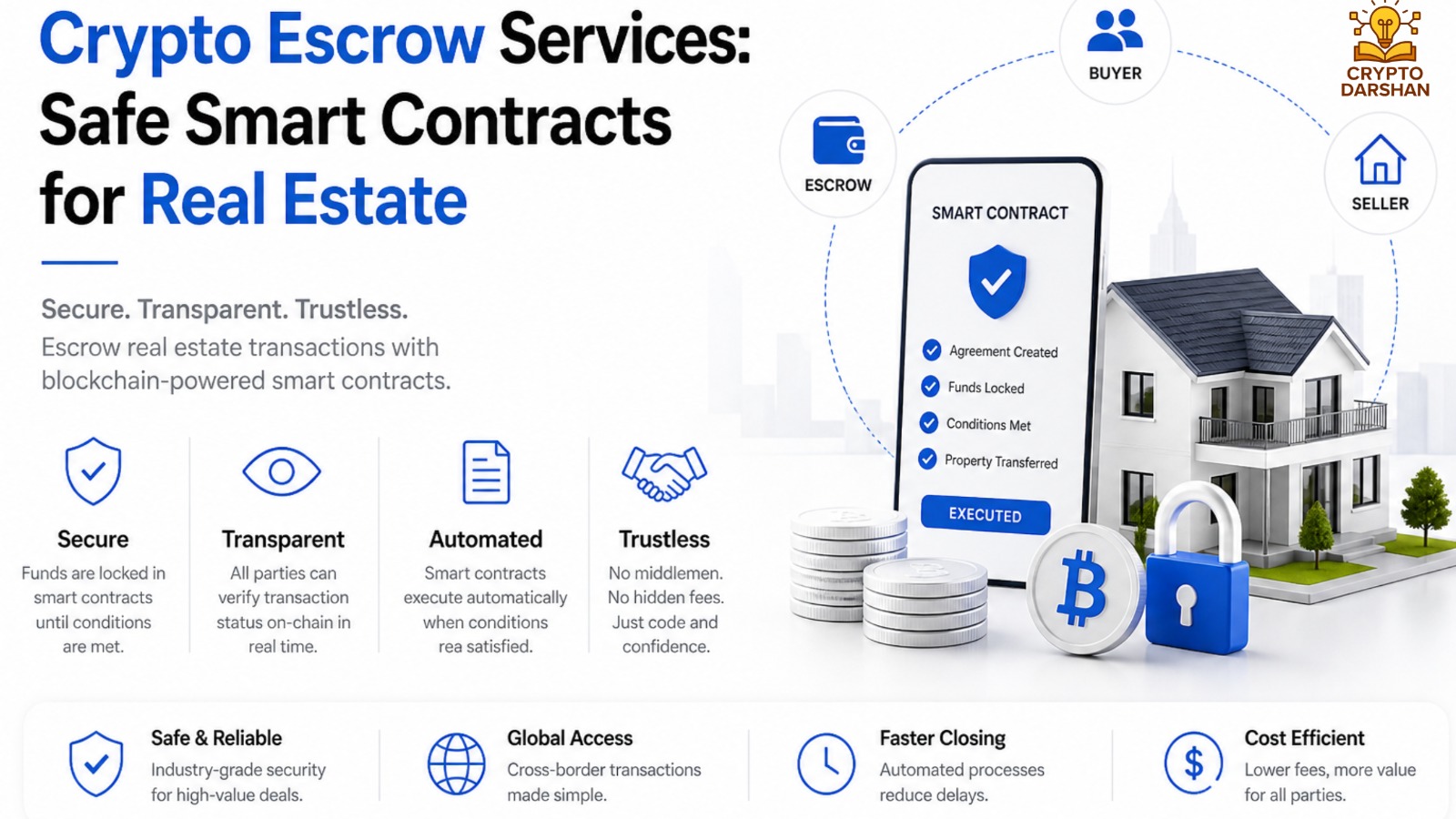
Crypto Escrow Services act as trusted third parties that hold funds in cryptocurrency until both the buyer and seller meet the agreed-upon conditions. This system eliminates the need for traditional intermediaries like banks or lawyers, reducing costs and speeding up transactions. By using blockchain-based smart contracts, these services ensure that funds are released only when all terms are fulfilled, making real estate transactions safer and more efficient.
This article explores how Crypto Escrow Services work, their benefits, challenges, and how they are revolutionizing the real estate industry. It also provides insights into how smart contracts enhance trust, reduce fraud, and simplify global property transactions.
What Are Crypto Escrow Services?
Crypto Escrow Services are digital platforms or systems that hold cryptocurrency funds securely during a transaction between two or more parties. Escrow is a financial arrangement where a neutral third party holds funds until both buyer and seller fulfill their obligations. The funds are stored in a smart contract until all conditions of the agreement are met. Once verified, the smart contract automatically releases the funds to the appropriate party.
Key Features of Crypto Escrow Services
- Security: Funds are locked in a blockchain-based smart contract, preventing unauthorized access.
- Transparency: All transactions are recorded on the blockchain, ensuring full visibility.
- Automation: Smart contracts execute automatically when conditions are met.
- Global Accessibility: Transactions can occur across borders without traditional banking restrictions.
- Reduced Costs: Eliminates the need for intermediaries, lowering transaction fees.
Many escrow systems integrate with DeFi lending, see how lending platforms manage collateral and liquidation risks
Example Scenario
Imagine a buyer purchasing a property using Bitcoin. The buyer sends the agreed amount to a Crypto Escrow Service. The funds remain locked until the property title is verified and transferred. Once the conditions are met, the smart contract releases the funds to the seller automatically. This process ensures both parties are protected from fraud or non-compliance.
How Crypto Escrow Services Work in Real Estate

Crypto Escrow Services play a crucial role in making real estate transactions more secure, transparent, and efficient. They act as digital intermediaries that hold cryptocurrency funds safely until both the buyer and seller meet all agreed-upon conditions. This process is powered by blockchain technology and smart contracts, which automate and verify every step of the transaction without the need for traditional banks or lawyers.
1. Agreement Between Buyer and Seller
The first step in using Crypto Escrow Services for real estate is establishing a clear agreement between the buyer and the seller. Both parties must define the terms of the transaction, including the property price, payment method, and conditions for releasing funds.
Key Points:
- The agreement outlines the responsibilities of both parties.
- It includes details such as property verification, inspection, and title transfer.
- The terms are later coded into a smart contract to ensure automatic execution.
Explanation:
This stage ensures that both parties understand the transaction details before any funds are transferred. It sets the foundation for a transparent and fair process.
2. Creation of a Smart Contract
Once the agreement is finalized, a smart contract is created on the blockchain. This contract acts as a digital version of the escrow agreement, automatically enforcing the terms without human intervention.
Key Points:
- The smart contract contains all transaction conditions.
- It is stored on the blockchain, making it tamper-proof.
- Both parties must digitally sign or approve the contract before proceeding.
Explanation:
The smart contract ensures that funds are only released when all conditions are met. It eliminates the need for a third-party escrow agent, reducing costs and increasing trust.
3. Deposit of Cryptocurrency Funds
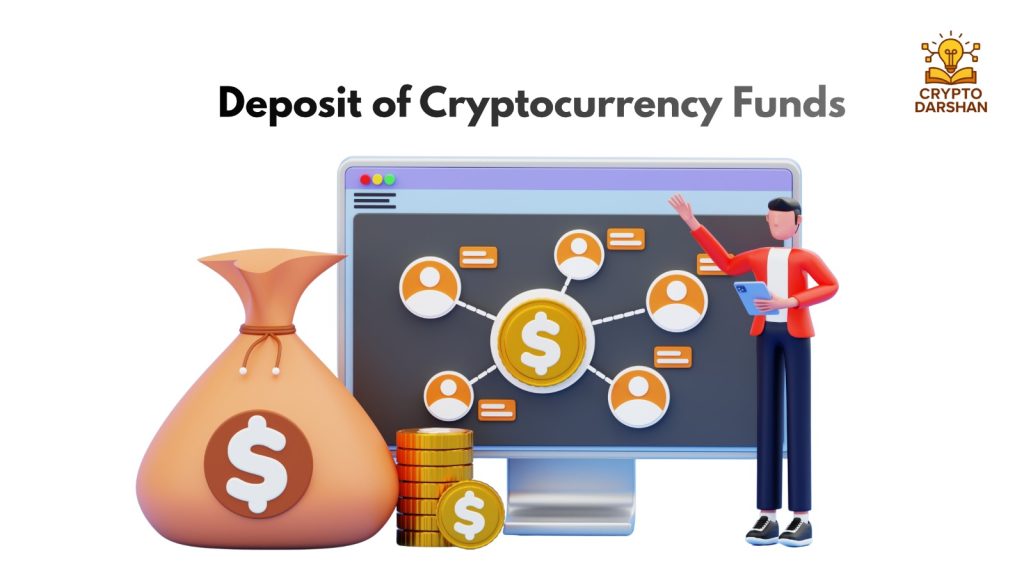
After the smart contract is set up, the buyer transfers the agreed amount of cryptocurrency (such as Bitcoin, Ethereum, or stablecoins) into the escrow wallet controlled by the smart contract.
Key Points:
- The funds are securely locked in the escrow wallet.
- Neither the buyer nor the seller can access the funds during this stage.
- The blockchain records the deposit, ensuring transparency.
Explanation:
This step guarantees that the buyer has sufficient funds and is committed to the purchase. The seller gains confidence knowing that the payment is secured in escrow.
Crypto escrow is part of a bigger trend, discover how PayFi is making crypto payments practical for real-world use
4. Verification and Due Diligence
Before the funds are released, the seller must provide proof of property ownership and complete all necessary legal verifications. This may include title checks, property inspections, and compliance with local regulations.
Key Points:
- Property documents are verified by authorized parties or blockchain registries.
- The buyer can review and confirm the authenticity of the documents.
- The smart contract monitors the verification process.
Explanation:
This stage ensures that the property being sold is legitimate and free from disputes. It protects the buyer from fraudulent sellers or fake property listings.
5. Fulfillment of Contract Conditions
Once all verification steps are completed, the conditions outlined in the smart contract must be fulfilled. This could include transferring the property title, completing inspections, or obtaining necessary approvals.
Key Points:
- The smart contract automatically checks if all conditions are met.
- Both parties confirm completion through digital signatures or blockchain verification.
- The contract remains inactive until all requirements are satisfied.
Explanation:
This step ensures that the transaction proceeds only when both sides have fulfilled their obligations. It prevents premature release of funds and guarantees fairness.
6. Automatic Release of Funds
After all conditions are verified, the smart contract automatically releases the cryptocurrency funds from escrow to the seller’s wallet. This process is instant and requires no manual approval.
Key Points:
- The release is triggered automatically by the smart contract.
- The transaction is recorded permanently on the blockchain.
- Both parties receive confirmation of completion.
Explanation:
This automation eliminates delays and human error. The seller receives payment immediately, and the buyer gains ownership of the property without waiting for bank processing times.
7. Recording the Transaction on the Blockchain
Once the funds are released, the entire transaction is recorded on the blockchain. This record includes details such as the property ID, transaction amount, and timestamps.
Key Points:
- The record is immutable and publicly verifiable.
- It serves as proof of ownership and payment.
- Future disputes can be resolved using blockchain data.
Explanation:
This step ensures long-term transparency and accountability. The blockchain record acts as a digital certificate of the transaction, reducing the risk of fraud or data manipulation.
The Role of Smart Contracts in Escrow Services

Smart contracts are the backbone of Crypto Escrow Services. They are self-executing programs stored on the blockchain that automatically enforce the terms of an agreement.
Escrow contracts often rely on external data. Learn how blockchain oracles connect smart contracts to real-world events.
How Smart Contracts Enhance Escrow Services
- Automation:
Smart contracts eliminate manual intervention by executing transactions automatically when conditions are met. - Trustless Transactions:
Parties do not need to trust each other; they only need to trust the code of the smart contract. - Transparency:
Every step of the transaction is visible on the blockchain, ensuring accountability. - Security:
Smart contracts are immutable, meaning they cannot be altered once deployed, protecting against tampering. - Efficiency:
Reduces paperwork and administrative delays, making real estate transactions faster and smoother.
Example of Smart Contract Functionality
A smart contract for a property sale might include conditions such as:
- Verification of property ownership.
- Confirmation of payment in cryptocurrency.
- Automatic release of funds upon title transfer.
Once these conditions are met, the smart contract executes automatically, ensuring a secure and transparent transaction.
Advantages of Using Crypto Escrow Services in Real Estate

1. Enhanced Security
Traditional escrow systems rely on human intermediaries who can make errors or act dishonestly. Crypto Escrow Services use blockchain technology to secure funds in a decentralized environment, reducing the risk of fraud or theft.
2. Transparency and Trust
All transactions are recorded on a public ledger, allowing both parties to verify the process. This transparency builds trust between buyers and sellers, especially in international transactions.
3. Cost Efficiency
By removing intermediaries such as banks, lawyers, and brokers, Crypto Escrow Services significantly reduce transaction fees. This makes property purchases more affordable and accessible.
4. Speed and Convenience
Smart contracts execute automatically, eliminating delays caused by manual verification or paperwork. Real estate deals that once took weeks can now be completed in hours.
5. Global Accessibility
Crypto Escrow Services enable cross-border transactions without currency conversion issues or banking restrictions. Buyers and sellers from different countries can transact seamlessly using cryptocurrencies.
6. Fraud Prevention
Since funds are locked in a smart contract until all conditions are met, neither party can manipulate the process. This prevents scams and ensures fair dealings.
Challenges of Crypto Escrow Services in Real Estate

While Crypto Escrow Services offer many benefits, they also face challenges that must be addressed for widespread adoption.
1. Legal and Regulatory Uncertainty
Many countries have not yet established clear regulations for cryptocurrency transactions in real estate. This uncertainty can create legal complications for buyers and sellers.
2. Volatility of Cryptocurrencies
The value of cryptocurrencies can fluctuate rapidly. This volatility can affect the final value of a property transaction if not managed properly.
3. Technical Complexity
Setting up and managing smart contracts requires technical knowledge. Users unfamiliar with blockchain technology may find the process challenging.
4. Limited Adoption
While blockchain technology is growing, many real estate agencies and governments still rely on traditional systems. Wider adoption will require education and regulatory support.
5. Security Risks
Although blockchain is secure, vulnerabilities in smart contract code can be exploited. Proper auditing and testing are essential to prevent hacks or errors.
How Crypto Escrow Services Prevent Fraud
Fraud is a major concern in real estate transactions. Crypto Escrow Services use blockchain’s transparency and immutability to eliminate common fraud risks.
Key Fraud Prevention Mechanisms
- Immutable Records:
All transactions are permanently recorded on the blockchain, preventing tampering or falsification. - Automated Verification:
Smart contracts verify conditions automatically, reducing human error. - No Third-Party Control:
Funds are held in decentralized escrow wallets, not by individuals or institutions. - Identity Verification:
Many Crypto Escrow Services integrate KYC (Know Your Customer) processes to verify user identities. - Escrow Dispute Resolution:
Some platforms include arbitration mechanisms to resolve disputes fairly and transparently.
Real-World Applications of Crypto Escrow Services in Real Estate
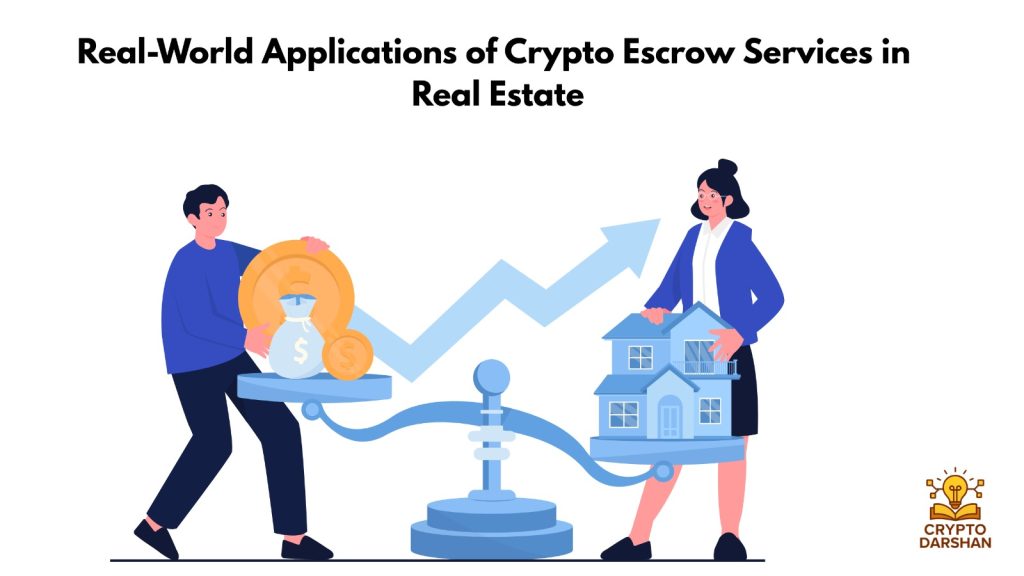
1. Cross-Border Property Purchases
Crypto Escrow Services make it easier for international buyers to purchase properties without dealing with currency exchange or banking restrictions. For example, a buyer in Japan can purchase property in the United States using Bitcoin through a blockchain-based escrow system.
2. Tokenized Real Estate
Blockchain allows properties to be tokenized—divided into digital shares that can be bought and sold. Crypto Escrow Services manage these token transactions securely, ensuring compliance and transparency.
Banks and institutions are also exploring blockchain—see how enterprise solutions are shaping the future of finance.
3. Rental Agreements
Smart contracts can automate rental payments and deposits. Funds are held in escrow and released automatically when rental terms are met.
4. Real Estate Crowdfunding
Investors can pool funds to purchase properties through tokenized platforms. Crypto Escrow Services ensure that funds are released only when investment goals are achieved.
5. Property Development Projects
Developers can use escrow smart contracts to manage project funding. Investors’ funds are released in stages as construction milestones are completed.
Choosing the Right Crypto Escrow Service
Selecting a reliable Crypto Escrow Service is crucial for safe and successful real estate transactions.
Key Factors to Consider
- Reputation and Reviews:
Choose platforms with positive user feedback and a proven track record. - Security Measures:
Ensure the service uses audited smart contracts and multi-signature wallets. - Regulatory Compliance:
Verify that the platform complies with local laws and KYC/AML regulations. - Supported Cryptocurrencies:
Check which cryptocurrencies are accepted for transactions. - Customer Support:
Reliable support is essential for resolving issues quickly. - Dispute Resolution:
Look for platforms that offer transparent arbitration processes.
Future of Crypto Escrow Services in Real Estate

The future of Crypto Escrow Services looks promising as blockchain adoption grows. Governments and real estate companies are exploring blockchain integration to improve transparency and efficiency.
Emerging Trends
- Integration with Property Registries:
Governments may adopt blockchain-based land registries, making property verification faster and more secure. - Stablecoin Payments:
Using stablecoins like USDT or USDC can reduce volatility risks in property transactions. Since volatility is a concern, stablecoins play a key role—learn how they maintain price stability in crypto transactions. - AI and Automation:
Artificial intelligence can enhance smart contract functionality by analyzing data and predicting risks. - Decentralized Escrow Platforms:
Fully decentralized escrow systems will eliminate the need for centralized control, increasing trust and accessibility. - Global Real Estate Marketplaces:
Blockchain-based platforms will allow users to buy, sell, and invest in properties worldwide using cryptocurrencies.
Case Studies: Successful Use of Crypto Escrow Services

Case Study 1: Blockchain Property Sale in Dubai
Dubai has been a pioneer in adopting blockchain for real estate. A luxury apartment was sold using Bitcoin through a Crypto Escrow Service. The transaction was completed in less than 24 hours, with full transparency and no intermediaries.
Case Study 2: Tokenized Real Estate in the United States
A U.S.-based company tokenized a commercial property and sold shares to investors using Ethereum smart contracts. The Crypto Escrow Service ensured that funds were released only after legal verification and compliance checks.
Case Study 3: Cross-Border Purchase in Europe
A buyer from Singapore purchased property in Spain using a blockchain escrow platform. The Crypto Escrow Service handled currency conversion, verification, and fund release, ensuring a smooth and secure transaction.
Risks and How to Mitigate Them

While Crypto Escrow Services offer many advantages, users should be aware of potential risks and take steps to mitigate them.
Common Risks
Smart Contract Bugs:
Poorly written code can lead to vulnerabilities.
Solution: Use audited and verified smart contracts.
Regulatory Changes:
Sudden legal changes can affect crypto transactions.
Solution: Stay updated on local regulations.
Market Volatility:
Cryptocurrency prices can fluctuate rapidly.
Solution: Use stablecoins for real estate transactions.
Phishing and Scams:
Fake escrow platforms can deceive users.
Solution: Verify the authenticity of the service before use.
Technical Errors:
Mistakes in wallet addresses or contract setup can cause losses.
Solution: Double-check all details before confirming transactions.
FAQ: Crypto Escrow Services in Real Estate

1. What is a crypto escrow service?
A crypto escrow service is a system where funds are held securely in a smart contract until all conditions of a deal are met. Once both parties fulfill their obligations, the payment is automatically released.
2. How does crypto escrow work in real estate transactions?
In real estate, the buyer deposits cryptocurrency into a smart contract. The contract holds the funds until conditions like property verification and legal transfer are completed, then releases payment to the seller.
3. What are the advantages of using crypto escrow?
- Reduces fraud risk
- Removes need for intermediaries
- Faster transactions
- Transparent and trackable on blockchain
4. Are smart contracts safe for real estate deals?
Smart contracts are secure if properly coded and audited. However, bugs or poor design can create risks, so using trusted platforms is important.
5. Can crypto escrow replace traditional escrow services?
It has the potential, but not completely yet. Legal systems and regulations still rely heavily on traditional escrow in many countries.
6. What cryptocurrencies are used for escrow in real estate?
Common options include Bitcoin, Ethereum, and stablecoins like USDT or USDC, as they reduce volatility during transactions.
7. What happens if one party fails to meet the conditions?
The smart contract can automatically return funds to the buyer or follow predefined dispute rules, depending on how it’s programmed.
8. Is crypto escrow legal in real estate transactions?
Legality depends on the country. Some regions accept blockchain-based contracts, while others still require traditional legal documentation.
9. Do I still need a lawyer when using crypto escrow?
Yes, in most cases. Legal professionals ensure property ownership, contracts, and compliance with local laws are properly handled.
10. How are disputes handled in crypto escrow?
Some escrow systems include arbitration mechanisms or third-party oracles to resolve disputes if conditions are unclear or contested.
Conclusion
Crypto Escrow Services are revolutionizing the real estate industry by combining blockchain technology with smart contracts to create secure, transparent, and efficient property transactions. They eliminate the need for intermediaries, reduce costs, and protect both buyers and sellers from fraud. As blockchain adoption continues to grow, these services will become an integral part of global real estate markets.
By leveraging smart contracts, Crypto Escrow Services ensure that funds are released only when all conditions are met, providing unmatched security and trust. Although challenges such as regulation and volatility remain, the future of blockchain-based real estate transactions looks bright. With continued innovation and adoption, Crypto Escrow Services will redefine how properties are bought, sold, and managed worldwide.