

In the evolving world of finance, Hedge Funds have always been at the forefront of innovation, risk-taking, and strategic investment. Traditionally known for their aggressive trading strategies and ability to generate alpha in volatile markets, Hedge Funds are now quietly shifting their focus toward a new frontier, altcoins. This move marks a significant transformation in the investment landscape, as institutional investors begin to recognize the potential of digital assets beyond Bitcoin and Ethereum.
The growing interest of Hedge Funds in altcoins is not a random trend. It is a calculated response to changing market dynamics, technological advancements, and the increasing maturity of the cryptocurrency ecosystem. This article explores why Funds are secretly increasing their altcoin exposure, the strategies they use, the risks involved, and what this means for the future of both traditional finance and the crypto market.
The Evolution of Hedge Funds in the Digital Era

A hedge fund is an actively managed private investment fund whose money is pooled and managed by professional fund managers. These managers use a wide range of strategies, including leverage and the trading of nontraditional assets, to earn above-average investment returns. Over the past few decades, the financial world has undergone a massive transformation due to technology, globalization, and the rise of digital assets. This shift has forced Hedge Funds to evolve from traditional investment models into more technologically advanced and data-driven entities.
1. Traditional Hedge Fund Model
In the early days, Hedge Funds primarily focused on traditional assets such as stocks, bonds, commodities, and derivatives. Their main goal was to “hedge” risk — meaning they tried to protect investors’ money from market downturns while still generating strong returns. They used strategies like short selling, leverage, and arbitrage to outperform the market.
These funds relied heavily on human expertise, fundamental analysis, and macroeconomic research. Portfolio managers and analysts would study company reports, economic data, and market trends to make investment decisions. Technology played a limited role, mostly for trade execution and data storage.
2. The Rise of Quantitative and Algorithmic Trading
As technology advanced, Hedge Funds began to incorporate quantitative models and algorithms into their strategies. This marked the beginning of the “quant era.” Funds started using mathematical models, statistical analysis, and computer programs to identify trading opportunities and manage risk.
Quantitative Hedge like Renaissance Technologies and Two Sigma became famous for using big data and machine learning to predict market movements. These funds could process massive amounts of information faster than any human analyst, giving them a competitive edge. This shift represented the first major step in the digital evolution of Hedge Funds.
3. The Impact of Big Data and Artificial Intelligence
The explosion of big data and artificial intelligence (AI) further transformed how Hedge Funds operate. Instead of relying solely on traditional financial data, funds began analyzing alternative data sources, such as social media sentiment, satellite imagery, and online consumer behavior, to gain deeper insights into market trends.
AI and machine learning models allowed to detect patterns, forecast price movements, and automate decision-making. This not only improved efficiency but also reduced human bias in investment strategies. The integration of AI made Hedge Funds more adaptive and capable of responding to market changes in real time.
4. The Emergence of Digital Assets and Blockchain Technology
The introduction of blockchain technology and cryptocurrencies marked a new chapter in the evolution. Initially, most funds were skeptical of digital assets, viewing them as speculative and unregulated. However, as the crypto market matured, Hedge Funds began to recognize the potential of blockchain as a disruptive financial technology.
Bitcoin was the first digital asset to attract institutional attention, but soon Hedge Funds started exploring altcoins — cryptocurrencies that offer unique use cases beyond digital currency. These include decentralized finance (DeFi), non-fungible tokens (NFTs), and Web3 infrastructure projects. The ability to trade, stake, and lend digital assets opened new avenues for generating returns.
5. Integration of Blockchain into Hedge Fund Operations
Beyond investing in cryptocurrencies, Hedge Funds are also adopting blockchain technology to improve their internal operations. Blockchain offers transparency, faster settlement times, and reduced counterparty risk. Smart contracts can automate complex financial transactions, while tokenization allows funds to fractionalize assets and attract a broader range of investors.
Some Hedge Funds are even launching tokenized funds, where investors can buy digital tokens representing shares in the fund. This innovation increases liquidity and accessibility, making investments more inclusive.
6. The Role of Regulation and Institutional Infrastructure
As digital assets gained popularity, regulatory frameworks began to evolve. Governments and financial authorities introduced clearer guidelines for crypto trading, custody, and taxation. This regulatory clarity encouraged more Funds to enter the digital asset space.
At the same time, institutional-grade infrastructure such as secure custody solutions, crypto exchanges, and compliance tools made it easier for Hedge Funds to manage digital investments safely. These developments bridged the gap between traditional finance and the digital economy.
7. The Modern Hedge Fund: A Hybrid Model
Today’s Hedge Funds operate as hybrid entities that combine traditional financial expertise with advanced technology. They use AI-driven analytics, blockchain-based assets, and algorithmic trading systems to maximize returns and manage risk. Many funds now employ data scientists, blockchain developers, and cybersecurity experts alongside traditional portfolio managers.
This hybrid model allows to diversify across both traditional and digital markets, giving them a competitive advantage in an increasingly digital world.
Why Hedge Funds Are Increasing Altcoin Exposure

1. Diversification Beyond Bitcoin
Bitcoin has long been considered the “digital gold” of the crypto world. However, its price movements are increasingly correlated with traditional markets, reducing its effectiveness as a diversification tool.
Altcoins often operate in different ecosystems and respond to unique catalysts, such as network upgrades, partnerships, or adoption milestones. By investing in a basket of altcoins, Hedge Funds can spread risk while capturing growth from multiple blockchain innovations.
2. Higher Return Potential
Altcoins are inherently more volatile than Bitcoin, but this volatility also presents opportunities for outsized returns. Hedge Funds specialize in managing risk and exploiting volatility, making altcoins a natural fit for their strategies. Many altcoins are still in early stages of adoption, meaning their market capitalization is relatively small compared to Bitcoin.
3. Technological Innovation and Utility

Unlike Bitcoin, which primarily serves as a store of value, many altcoins have specific use cases — from decentralized finance (DeFi) to non-fungible tokens (NFTs), gaming, and Web3 infrastructure. Hedge Funds recognize that these innovations could reshape industries and create new revenue streams.
For example, altcoins like Chainlink provide decentralized data oracles, while Polkadot enables cross-chain interoperability. By investing in these projects, they are not just speculating on price; they are investing in the future of technology.
4. Institutional Infrastructure and Custody Solutions
One of the main barriers preventing Hedge Funds from entering the crypto market was the lack of institutional-grade infrastructure. Today, that has changed. Custody providers like Coinbase Custody, Fireblocks, and Anchorage offer secure storage solutions tailored for institutional investors. Additionally, regulatory clarity in regions like the U.S., Europe, and Singapore has made it easier for Hedge Funds to operate within legal frameworks.
This improved infrastructure has given Hedge the confidence to expand its exposure to altcoins, knowing that its assets are secure and compliant. Some analysts believe this shift mirrors a broader capital rotation in the market, similar to the trend discussed in Institutions Are Rotating Out of Bitcoin. Where Is the Money Going?
5. Market Inefficiencies and Arbitrage Opportunities
The altcoin market is still relatively young and inefficient compared to traditional financial markets. Price discrepancies between exchanges, liquidity gaps, and information asymmetry create opportunities for Hedge Funds to profit through arbitrage, algorithmic trading, and market-making strategies.
These inefficiencies are exactly what thrive on. By leveraging advanced trading algorithms and data analytics, they can identify and exploit short-term opportunities that retail investors often miss.
How Hedge Funds Are Gaining Altcoin Exposure

1. Direct Investment in Altcoins
Some Hedge Funds are directly purchasing altcoins through exchanges or over-the-counter (OTC) desks. This approach allows them to hold the underlying assets and benefit from long-term appreciation. Funds often focus on high-liquidity altcoins with strong fundamentals and active developer communities.
2. Investing in DeFi Protocols
Decentralized finance (DeFi) has become a major attraction for Hedge Funds. By providing liquidity, staking, or yield farming, funds can earn passive income while gaining exposure to altcoin ecosystems. DeFi protocols like Aave, Uniswap, and Curve offer opportunities for Hedge Funds to generate returns beyond simple price appreciation.
3. Venture Capital and Early-Stage Investments
Some Hedge Funds are taking a venture capital approach by investing in early-stage blockchain projects. This strategy allows them to acquire tokens at pre-launch or seed-stage valuations, maximizing potential returns. These investments often come with equity stakes or governance rights, giving Hedge influence over project development.
4. Tokenized Funds and Derivatives
To manage risk and liquidity, Hedge Funds are also using tokenized investment vehicles and derivatives. Tokenized funds allow fractional ownership of diversified crypto portfolios, while derivatives such as futures and options enable hedging against downside risk or leveraging their positions.
5. Partnerships with Crypto-Native Firms
Many Hedge Funds are partnering with crypto-native asset managers, trading firms, and custodians to gain expertise and access to specialized tools. These collaborations help traditional Funds navigate the complexities of the crypto market while maintaining compliance and operational efficiency.
The Role of Regulation in Hedge Fund Altcoin Strategies

Regulation plays a crucial role in shaping how Hedge Funds approach altcoin investments. In the early days of crypto, regulatory uncertainty kept many institutional investors on the sidelines. However, as governments and financial authorities develop clearer frameworks, Hedge Funds are finding it easier to participate.
In the United States, the Securities and Exchange Commission (SEC) and the Commodity Futures Trading Commission (CFTC) have begun defining the legal status of various digital assets. In Europe, the Markets in Crypto-Assets (MiCA) regulation provides a unified framework for crypto operations. These developments give Hedge Funds the confidence to expand their altcoin exposure without fear of legal repercussions.
Risk Management and Hedging Strategies

1. Volatility Control
Altcoins are known for their extreme price swings. Hedge Funds use sophisticated risk management tools to mitigate this volatility. Techniques such as stop-loss orders, portfolio rebalancing, and volatility targeting help maintain stability while capturing upside potential.
2. Liquidity Management
Liquidity is a major concern in the altcoin market. Hedge Funds carefully assess trading volumes and exchange reliability before entering positions. They often use multiple exchanges and OTC desks to ensure smooth execution and minimize slippage.
3. Counterparty and Custody Risk
To protect against counterparty risk, Hedge Funds rely on regulated custodians and multi-signature wallets. They also conduct thorough due diligence on exchanges and DeFi protocols to avoid exposure to hacks or insolvency.
4. Regulatory Compliance
Compliance is non-negotiable for institutional investors. Hedge Funds employ legal teams and compliance officers to ensure adherence to anti-money laundering (AML) and know-your-customer (KYC) regulations. This proactive approach reduces legal risks and enhances investor confidence.
Case Studies: Hedge Funds Leading the Altcoin Revolution

Pantera Capital
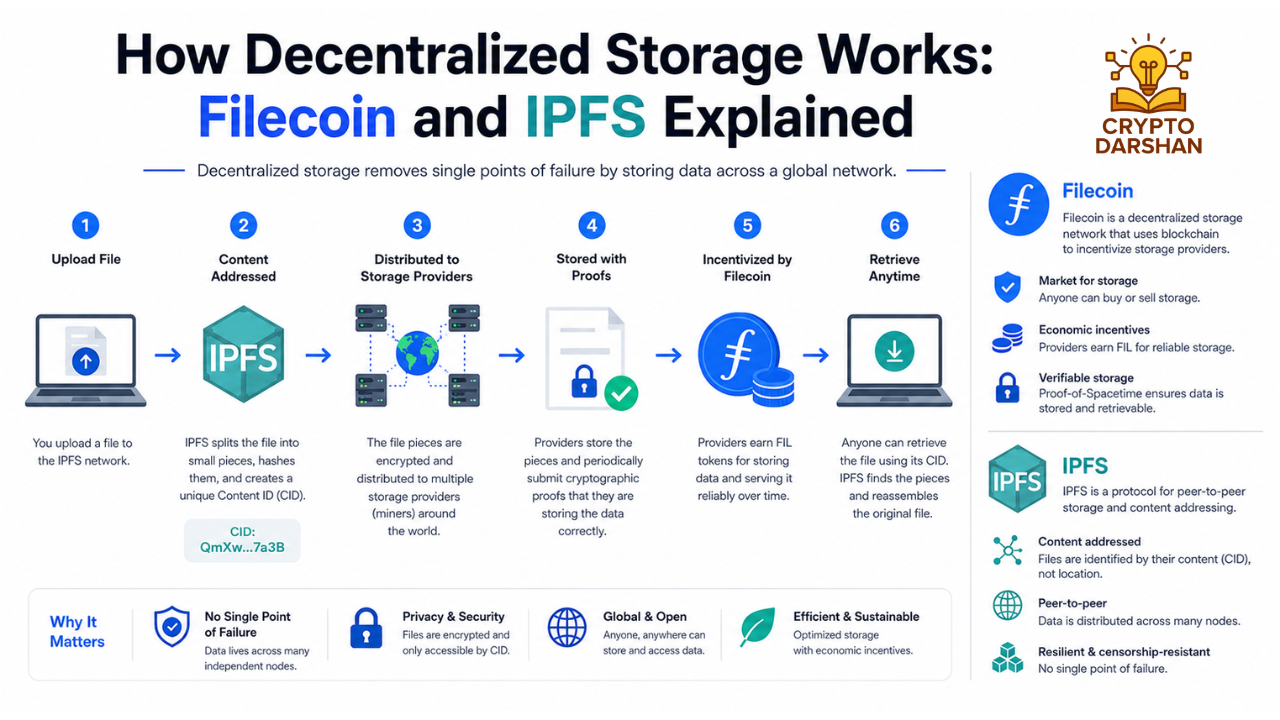
Pantera Capital, one of the earliest crypto-focused Hedge Funds, has been actively investing in altcoins since 2014. Its portfolio includes projects like Polkadot, Filecoin, and Terra. Pantera’s success demonstrates how early exposure to altcoins can yield substantial returns.
Galaxy Digital
Founded by Mike Novogratz, Galaxy Digital operates as both a Hedge Fund and a merchant bank for digital assets. The firm has invested heavily in altcoins and DeFi projects, positioning itself as a leader in institutional crypto adoption.
Three Arrows Capital (Before Collapse)
Before its collapse, Three Arrows Capital was one of the most aggressive Hedge Funds in the altcoin space. It invested in projects like Avalanche, Solana, and Near Protocol, showcasing the potential — and risks — of high-leverage altcoin strategies.
The Future of Hedge Funds and Altcoins

Institutional Adoption Will Accelerate
As more Hedge Funds report strong returns from altcoin investments, others will follow. Institutional adoption tends to create a feedback loop — as more capital enters the market, liquidity improves, volatility decreases, and confidence grows.
Integration with Traditional Finance
The line between traditional finance and crypto is blurring. Hedge Funds are likely to integrate altcoin exposure into broader multi-asset portfolios, treating digital assets as a legitimate asset class alongside equities and bonds.
Rise of Tokenized Hedge Funds
Tokenization will revolutionize how Hedge Funds operate. By issuing tokenized shares, funds can offer greater transparency, liquidity, and accessibility to investors. This innovation could democratize access to Hedge Fund strategies while maintaining institutional-grade performance.
Focus on Sustainable and Utility-Driven Altcoins
Future Hedge Fund investments will likely focus on altcoins with real-world utility, strong governance, and sustainable tokenomics. Projects that solve real problems, such as decentralized identity, data privacy, and cross-chain communication, will attract the most institutional capital.
Challenges Facing Hedge Funds in the Altcoin Market

Market Manipulation and Lack of Transparency
Despite progress, the altcoin market still faces issues like wash trading, pump-and-dump schemes, and insider manipulation. Hedge Funds must navigate these challenges carefully to protect their capital and reputation.
Technological Complexity
Understanding blockchain technology, smart contracts, and tokenomics requires specialized knowledge. Hedge Funds are investing in talent and partnerships to bridge this knowledge gap.
Regulatory Uncertainty
While regulation is improving, it remains inconsistent across jurisdictions. Hedge Funds operating globally must adapt to varying legal frameworks, which can complicate compliance and reporting.
Custody and Security Risks
Even with advanced custody solutions, the risk of hacks and technical failures persists. Hedge Funds must continuously update their security protocols to safeguard digital assets.
The Broader Impact on the Crypto Ecosystem

The entry of Hedge Funds into the altcoin market has far-reaching implications. Their participation brings credibility, liquidity, and stability to the ecosystem. As institutional capital flows into altcoins, project teams gain resources to accelerate development, and retail investors benefit from improved market efficiency.
Moreover, Hedge Funds often engage in governance and community initiatives, influencing the direction of blockchain projects. This institutional involvement can help professionalize the industry and promote long-term sustainability.
FAQ

1. Why are hedge funds increasing their exposure to altcoins?
Hedge funds are increasing altcoin exposure to capture higher potential returns compared to Bitcoin. Many altcoins offer innovative use cases such as decentralized finance (DeFi), tokenized assets, and blockchain infrastructure, which institutions believe could grow rapidly in the coming years.
2. Which altcoins are hedge funds most interested in?
Institutional investors are particularly interested in established altcoins like Ethereum, Solana, and Chainlink because of their strong ecosystems, developer activity, and real-world applications.
3. Are altcoins riskier than Bitcoin for institutional investors?
Yes, altcoins are generally considered riskier due to higher volatility and lower liquidity compared to Bitcoin. However, hedge funds often manage this risk by diversifying across multiple tokens and using sophisticated trading strategies.
4. How do hedge funds invest in altcoins without moving the market?
Large funds often use over-the-counter (OTC) trading desks, private deals with token projects, and algorithmic trading strategies to accumulate altcoins quietly without causing major price spikes.
5. What role does DeFi play in hedge fund altcoin investments?
DeFi platforms built on blockchains like Ethereum allow hedge funds to earn yield through staking, lending, and liquidity provision, making altcoins attractive beyond simple price speculation.
6. Could institutional interest trigger an altcoin bull run?
Institutional capital entering altcoins can significantly increase liquidity and market confidence. If hedge funds continue allocating capital to altcoins, it could accelerate the next phase of the crypto bull market.
7. How can retail investors track hedge fund activity in altcoins?
Retail investors often monitor on-chain analytics platforms, institutional filings, and large wallet movements to identify accumulation trends from institutional investors
Conclusion
The secret increase in altcoin exposure by Hedge Funds is not merely a passing trend; it is a strategic evolution in modern finance. As the boundaries between traditional and digital assets continue to blur, Hedge Funds are positioning themselves at the forefront of this transformation. Their growing involvement in altcoins signals a new era of institutional participation, innovation, and opportunity.
By leveraging their expertise in risk management, quantitative analysis, and market timing, Hedge Funds are unlocking the potential of altcoins as a source of alpha and diversification. While challenges remain, the trajectory is clear: altcoins are becoming an integral part of the global investment landscape and are leading the charge.
The future of finance is decentralized, digital, and data-driven, and Hedge Funds are quietly ensuring they have a front-row seat in this revolution.