

Hidden risks in DeFi platforms like smart contract vulnerabilities, oracle manipulation, and flash loans etc. Decentralized Finance (DeFi) has revolutionized the financial world by removing intermediaries and giving users direct control over their assets. Built on blockchain technology, DeFi platforms offer services like lending, borrowing, staking, and trading without banks or brokers. However, behind the promise of high yields and financial freedom lies a complex web of hidden risks that many investors overlook. These risks can lead to significant losses if not properly understood and managed. This article explores the hidden dangers in DeFi platforms that most investors ignore, providing insights into how to identify, assess, and mitigate them.
Decentralized finance (DeFi) removes intermediaries. If you’re new, read our What is DeFi? Decentralized Finance Guide first.
Understanding DeFi and Its Appeal

DeFi refers to a collection of financial applications built on blockchain networks, primarily Ethereum, that operate without centralized control. These platforms use smart contracts self-executing code that automates transactions to provide services traditionally offered by banks.
Key Features of DeFi
- Permissionless Access: Anyone with a crypto wallet can participate without approval.
- Transparency: All transactions are recorded on public blockchains.
- Interoperability: DeFi protocols can interact with each other, creating a vast ecosystem.
- High Yield Opportunities: Users can earn through staking, liquidity provision, and yield farming.
While these features make DeFi attractive, they also introduce unique risks that differ from traditional finance.
The Illusion of Safety in DeFi
Decentralized Finance (DeFi) promises freedom, transparency, and control, but many investors mistake these features for guaranteed safety. The truth is that while DeFi removes intermediaries, it introduces new risks that are often hidden behind the technology.
1. Blockchain ≠ Risk-Free
The blockchain itself is secure, but DeFi apps built on it can have coding flaws. Hackers exploit these vulnerabilities to steal funds, and once money is gone, it’s nearly impossible to recover.
2. Audits Aren’t Guarantees
Even audited projects can be hacked. Audits reduce risk but don’t eliminate it, especially if developers change code after the audit or if the audit was poorly done.
3. Not All Projects Are Truly Decentralized
Many DeFi platforms claim to be decentralized, but developers often retain control over key functions. This means they can pause withdrawals or alter contracts, creating central points of failure.
4. Transparency Doesn’t Mean Understanding
All transactions are public, but most users can’t read or interpret smart contract code. This leads to blind trust in systems they don’t fully understand.
5. High Yields Hide High Risks
DeFi’s high returns often come from unstable tokenomics or unsustainable reward systems. When markets crash, these yields vanish, leaving investors with losses.
6. Community Hype Creates False Confidence
Large online communities and influencer promotions make projects seem safe. In reality, hype can mask scams or weak fundamentals.
7. User Mistakes Are Permanent
In DeFi, users are fully responsible for their actions. Sending funds to the wrong address or signing a malicious transaction can result in irreversible loss.
8. Interconnected Risks
DeFi protocols depend on each other. If one fails like a bridge or oracle, it can trigger losses across multiple platforms.
Hidden Risks in DeFi Platforms
1. Smart Contract Vulnerabilities
Smart contracts are the backbone of DeFi, but they are not infallible. A single coding error can lead to catastrophic losses. Hackers exploit bugs or logic flaws to drain funds from protocols.
Example:
In 2022, the Wormhole bridge suffered a $320 million exploit due to a smart contract vulnerability. The attacker found a flaw in the code that allowed them to mint tokens without proper collateral.
Why It’s Dangerous:
- Code is immutable once deployed, meaning bugs cannot be easily fixed.
- Even audited contracts can contain undiscovered vulnerabilities.
- Attackers constantly develop new methods to exploit weaknesses.
Mitigation:
- Use platforms with multiple independent audits.
- Avoid newly launched projects with untested code.
- Diversify investments across different protocols.
2. Oracle Manipulation
Oracle manipulation refers to exploiting defects in a blockchain oracle and causing it to report inaccurate or stale information about off-chain events. Oracle manipulation is often part of a broader attack on a protocol. By corrupting oracles, malicious actors can cause a protocol’s smart contracts to execute based on erroneous inputs
Example:
In several flash loan attacks, hackers manipulated oracle prices to borrow large sums of money and drain liquidity pools before prices corrected.
Why It’s Dangerous:
- Oracles are single points of failure in decentralized systems.
- Manipulated data can cause massive liquidations or incorrect payouts.
Mitigation:
- Choose platforms that use decentralized oracle networks like Chainlink.
- Avoid protocols that depend on a single data source.
3. Flash Loan Attacks
Flash loans allow users to borrow large amounts of crypto without collateral, provided the loan is repaid within the same transaction. While innovative, this feature has become a tool for attackers.
Example:
In 2020, the bZx protocol was exploited twice through flash loans, resulting in losses exceeding $1 million. Attackers manipulated prices and drained liquidity pools.
Why It’s Dangerous:
- Flash loans can be used to manipulate markets within seconds.
- They exploit weaknesses in smart contract logic and oracle systems.
Mitigation:
- Use platforms that implement flash loan protection mechanisms.
- Monitor protocol updates and community discussions for security improvements.
4. Rug Pulls and Exit Scams
A rug pull occurs when developers abandon a project after collecting investor funds, leaving users with worthless tokens. This is one of the most common scams in DeFi.
Example:
In 2021, the Squid Game token project disappeared after its developers drained liquidity pools, stealing over $3 million from investors.
Why It’s Dangerous:
- Many DeFi projects are anonymous, making it easy for scammers to vanish.
- Investors often chase high yields without verifying legitimacy.
Mitigation:
- Research the development team and check for verified identities.
- Avoid projects with anonymous founders or unclear tokenomics.
- Look for locked liquidity and transparent governance structures.
5. Impermanent Loss
Liquidity providers in automated market makers (AMMs) like Uniswap or PancakeSwap face impermanent loss when the price of deposited assets changes significantly. This loss occurs because the AMM automatically rebalances the pool, leading to fewer valuable assets when withdrawn.
Example:
If a user provides liquidity for ETH and USDT, and ETH’s price doubles, the pool rebalances by selling ETH for USDT, resulting in fewer ETH when withdrawn.
Why It’s Dangerous:
- Investors may earn less than simply holding the assets.
- High volatility increases the risk of impermanent loss.
Mitigation:
- Provide liquidity for stablecoin pairs to reduce volatility.
- Use impermanent loss calculators before investing.
- Consider yield farming strategies that offset potential losses.
6. Governance Exploits
Many DeFi platforms use governance tokens that allow holders to vote on protocol changes. However, attackers can accumulate tokens to manipulate decisions for personal gain.
Example:
In 2020, an attacker gained control of the MakerDAO governance system by acquiring a large number of tokens, influencing proposals that favored their interests.
Why It’s Dangerous:
- Centralized voting power undermines decentralization.
- Malicious proposals can drain funds or alter protocol rules.
Mitigation:
- Support projects with fair token distribution.
- Participate in governance to prevent malicious takeovers.
7. Liquidity Risks
DeFi platforms depend on liquidity pools to function. If liquidity dries up, users may face slippage or be unable to withdraw funds.
Example:
During market crashes, liquidity providers often withdraw funds, causing token prices to fluctuate wildly and making it difficult for traders to exit positions.
Why It’s Dangerous:
- Low liquidity increases volatility and transaction costs.
- Users may be unable to redeem tokens during high demand.
Mitigation:
- Check total value locked (TVL) before investing.
- Avoid low-liquidity pools with limited trading volume.
8. Regulatory Uncertainty
DeFi operates in a legal gray area. Governments worldwide are still developing frameworks to regulate decentralized platforms. Sudden regulatory actions can impact token prices and platform operations.
Example:
In 2023, several DeFi lending platforms faced scrutiny from regulators for offering unregistered securities, leading to temporary shutdowns.
Why It’s Dangerous:
- Regulatory crackdowns can freeze assets or restrict access.
- Compliance costs may reduce project profitability.
Mitigation:
- Invest in projects that comply with local regulations.
- Diversify across jurisdictions to reduce exposure.
9. Cross-Chain Bridge Risks
A cross-chain bridge is a technology that allows assets and data to be transferred between different blockchain networks, enabling interoperability among them. It usually works by locking assets on the source blockchain and minting equivalent tokens on the destination blockchain, or by using liquidity pools to facilitate immediate exchanges.
Example:
The Ronin Bridge hack in 2022 resulted in over $600 million in losses after attackers exploited validator keys.
Why It’s Dangerous:
- Bridges are complex and often have multiple points of failure.
- A single compromised validator can lead to massive losses.
Mitigation:
- Use bridges with strong security audits and decentralized validation.
- Avoid transferring large amounts across unverified bridges.
10. User Error and Phishing Attacks
Even the most secure DeFi platform cannot protect users from human mistakes. Phishing attacks, fake websites, and malicious links are common ways investors lose funds.
Example:
Scammers often create fake versions of popular DeFi sites. When users connect their wallets, the attackers gain access and drain funds.
Why It’s Dangerous:
- DeFi transactions are irreversible.
- Once funds are stolen, recovery is nearly impossible.
Mitigation:
- Always verify URLs and use official links.
- Enable hardware wallet protection for large holdings.
- Avoid signing unknown transactions.
The Psychological Trap: Greed and FOMO
One of the most underestimated risks in DeFi investing is not technical it’s psychological. The emotions of greed and FOMO (Fear of Missing Out) often drive investors to make impulsive decisions that lead to losses.
1. Greed: The Desire for Unrealistic Returns
DeFi platforms often advertise extremely high yields sometimes 100% or even 1,000% annual returns. These numbers attract investors who focus solely on potential profits without understanding the underlying risks. Greed clouds judgment, leading people to ignore warning signs such as anonymous teams, unaudited contracts, or unsustainable tokenomics.
Example:
During the 2021 DeFi boom, many investors poured money into yield farms offering triple-digit returns. Within weeks, several of these projects collapsed or were revealed as scams, wiping out millions in investor funds.
Why It’s Dangerous:
- Greed pushes investors to overexpose themselves to risky assets.
- It leads to poor diversification and emotional decision-making.
- Scammers exploit greed by promising “guaranteed” profits.
How to Overcome It:
- Set realistic profit expectations.
- Focus on long-term sustainability rather than short-term gains.
- Always research how yields are generated if it sounds too good to be true, it probably is.
2. FOMO: The Fear of Missing Out
FOMO occurs when investors see others making profits and rush to join without proper research. In DeFi, this often happens when a new token or platform goes viral on social media.
Example:
When new tokens trend on Twitter or Telegram, investors often buy in at inflated prices, only to see the value crash once early adopters sell.
Why It’s Dangerous:
- FOMO leads to buying at market peaks.
- It encourages impulsive decisions without due diligence.
- It creates herd behavior, amplifying volatility in DeFi markets.
How to Overcome It:
- Avoid making investment decisions based on hype or social media trends.
- Wait for the initial excitement to settle before entering a project.
- Develop a disciplined investment strategy with clear entry and exit points.
Evaluating DeFi Projects Safely
Before investing in any DeFi platform, it’s essential to evaluate its legitimacy, security, and sustainability. Many investors skip this step, which often leads to losses. Below are the key factors to consider when assessing a DeFi project.
1. Audit Reports
A credible DeFi project should undergo multiple independent smart contract audits. These audits identify vulnerabilities and ensure the code functions as intended.
What to Check:
- Whether the audit was conducted by a reputable firm (like CertiK, Trail of Bits, or Quantstamp).
- If the audit report is publicly available.
- Whether the project has fixed the issues identified in the audit.
2. Team Transparency
Anonymous teams are common in DeFi, but they pose a significant risk. A transparent team with verifiable experience adds credibility.
What to Check:
- Team members’ LinkedIn profiles or GitHub activity.
- Past projects or contributions to the blockchain community.
- Whether the team engages openly with the community.
3. Community Reputation
A strong, active community is a good indicator of a project’s legitimacy. However, beware of artificially inflated communities with fake followers or bots.
What to Check:
- Discussions on Reddit, Discord, and X (Twitter).
- How the team responds to criticism or technical questions.
- Whether the community focuses on long-term development or short-term profits.
4. Tokenomics
Tokenomics refers to how tokens are created, distributed, and used within the ecosystem. Poorly designed tokenomics can lead to inflation or price crashes.
What to Check:
- Total supply and distribution plan.
- Vesting schedules for team and investors.
- Real utility of the token (governance, staking, or transaction fees).
5. Liquidity Lock and Security
Liquidity locks prevent developers from withdrawing funds suddenly a common tactic in rug pulls.
What to Check:
- Whether liquidity is locked in a smart contract for a fixed period.
- The percentage of tokens held by the development team.
- The project’s total value locked (TVL) and trading volume.
6. Governance Model
Decentralized governance ensures that no single entity controls the project. However, if a few wallets hold most governance tokens, the system can be manipulated.
What to Check:
- Distribution of governance tokens.
- Voting mechanisms and proposal transparency.
- Community participation in decision-making.
7. Security History
Research whether the project has faced previous hacks or exploits. A history of repeated vulnerabilities is a red flag.
What to Check:
- Past incidents and how the team responded.
- Implementation of new security measures after attacks.
By following these steps, investors can significantly reduce the risk of falling victim to scams or poorly managed projects.
The Role of Insurance in DeFi

DeFi insurance is an emerging solution designed to protect investors from losses caused by hacks, smart contract failures, or other unforeseen events. Unlike traditional insurance, DeFi insurance operates through decentralized protocols governed by smart contracts.
1. How DeFi Insurance Works
Users pay premiums to a decentralized insurance pool. If a covered event occurs such as a smart contract exploit affected users can file claims. The community or protocol then verifies the claim and compensates the user if approved.
2. Popular DeFi Insurance Providers
- Nexus Mutual: Covers smart contract failures and exchange hacks.
- InsurAce: Offers multi-chain coverage for DeFi protocols.
- Bridge Mutual: Provides coverage for stablecoin depegging and protocol exploits.
3. Benefits of DeFi Insurance
- Risk Mitigation: Protects against losses from unforeseen vulnerabilities.
- Investor Confidence: Encourages participation in DeFi by reducing fear of hacks.
- Transparency: Claims and payouts are managed through smart contracts, ensuring fairness.
4. Limitations of DeFi Insurance
- Coverage may not include all types of risks (e.g., rug pulls or user errors).
- Claim approval can take time and may require community voting.
- Premiums can be high for high-risk protocols.
Legal and Tax Implications
DeFi operates in a rapidly evolving regulatory environment. Many investors overlook the legal and tax responsibilities associated with their activities, which can lead to penalties or compliance issues.
1. Legal Considerations
DeFi platforms often operate without centralized oversight, making it difficult to determine accountability in case of disputes or losses. Regulators are increasingly focusing on DeFi to ensure consumer protection and prevent money laundering.
Regulatory crackdowns can impact DeFi overnight. Learn more in Crypto Regulations 2026.
Key Legal Risks:
- Unregistered Securities: Some DeFi tokens may be classified as securities, requiring registration with authorities.
- KYC/AML Compliance: Future regulations may require DeFi platforms to implement Know Your Customer (KYC) and Anti-Money Laundering (AML) procedures.
- Jurisdictional Issues: DeFi operates globally, but laws differ across countries, creating legal uncertainty.
How to Stay Compliant:
- Use platforms that follow local regulations.
- Keep records of all transactions and interactions.
- Stay updated on new crypto laws in your country.
2. Tax Implications
DeFi transactions are often taxable events, even if users don’t convert crypto to fiat. Tax authorities in many countries treat crypto income as taxable under existing frameworks.
Common Taxable Events:
- Earning staking or yield farming rewards.
- Receiving airdrops or governance tokens.
- Trading or swapping tokens.
- Selling tokens for profit.
How to Manage Taxes:
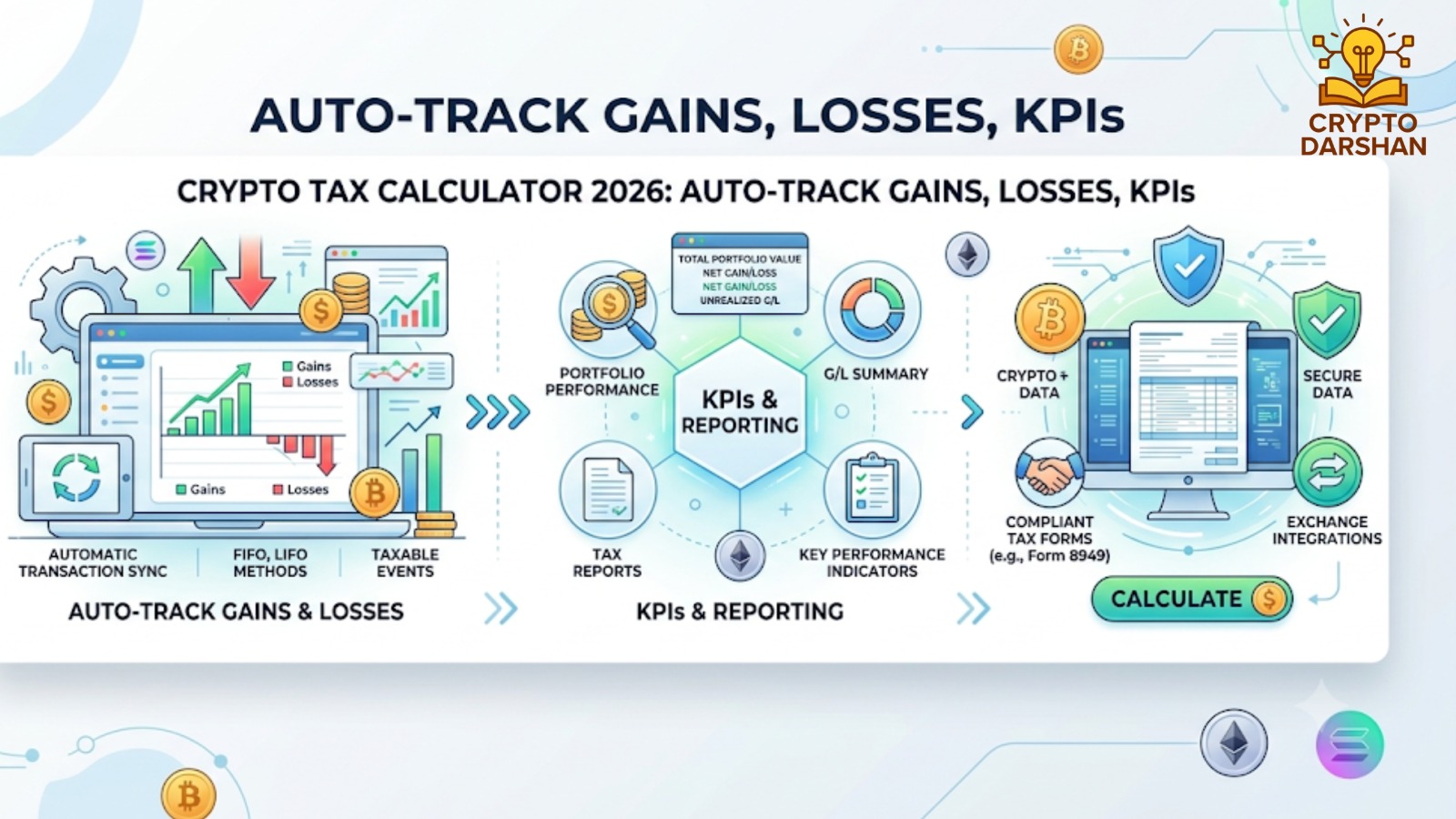
- Track all transactions using crypto tax software like CoinTracker or Koinly.
- Record the date, value, and purpose of each transaction.
- Consult a tax professional familiar with digital assets.
The Future of DeFi Security
As DeFi matures, security is becoming a top priority. Emerging trends include:
- Formal Verification: Mathematical proof of smart contract correctness.
- AI-Powered Threat Detection: Real-time monitoring for suspicious activity.
- Multi-Signature Wallets: Requiring multiple approvals for transactions.
- Decentralized Insurance Pools: Community-driven risk management.
These innovations aim to make DeFi safer, but users must remain vigilant and informed.
Conclusion
DeFi offers incredible opportunities for financial growth and innovation, but it also carries hidden risks that many investors ignore. From smart contract vulnerabilities and oracle manipulation to rug pulls and regulatory uncertainty, the dangers are real and often underestimated. Successful DeFi investing requires more than chasing high yields it demands research, caution, and continuous learning. By understanding these hidden risks and applying proper risk management strategies, investors can navigate the DeFi landscape safely and take advantage of its transformative potential.