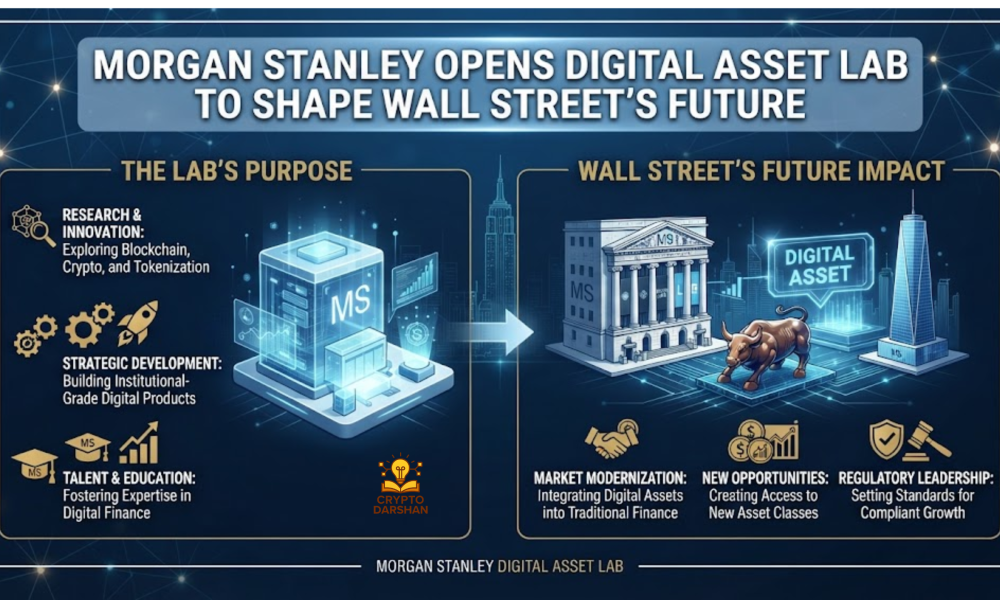
Morgan Stanley has launched a dedicated Digital Asset Lab to test blockchain-based technologies such as stablecoins, tokenization, and decentralized finance (DeFi) applications. The initiative is designed to explore how these tools could reshape trading, settlement, and investment products on Wall Street—without risking the bank’s core systems.
A Controlled Sandbox for Crypto and Blockchain
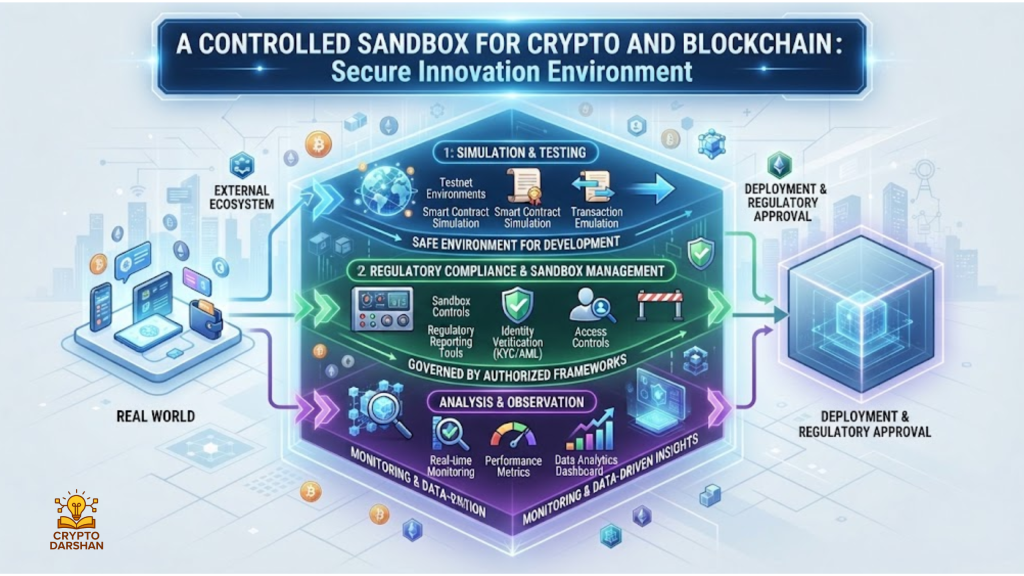
The new lab is part of Morgan Stanley’s existing network of innovation labs, which give employees secure, segregated environments to experiment with emerging technologies. According to Megan Brewer, who leads market innovation and labs at the firm, these spaces allow teams to test ideas before they ever touch production systems.
In practice, this means:
- Safe experimentation: New protocols, smart contracts, and digital-asset workflows can be tested in isolation.
- Compliance-first design: The lab is built to operate within regulatory and risk frameworks from the start.
- Faster learning cycles: Teams can iterate quickly on prototypes without disrupting client-facing platforms.
Amy Oldenburg, Morgan Stanley’s head of digital asset strategy, described the lab as a “secure, compliant and segregated environment” to explore digital-asset use cases.
What the Lab Will Test
Morgan Stanley’s Digital Asset Lab is focused on several high-priority areas where blockchain could add value to traditional finance.
Key themes include:
Stablecoins and Tokenized Cash
The lab will examine stablecoins and tokenized deposits—digital representations of cash or cash-like instruments that can move on blockchain networks. These could enable faster, programmable payments and settlement for institutional clients.
Tokenization of Traditional Assets
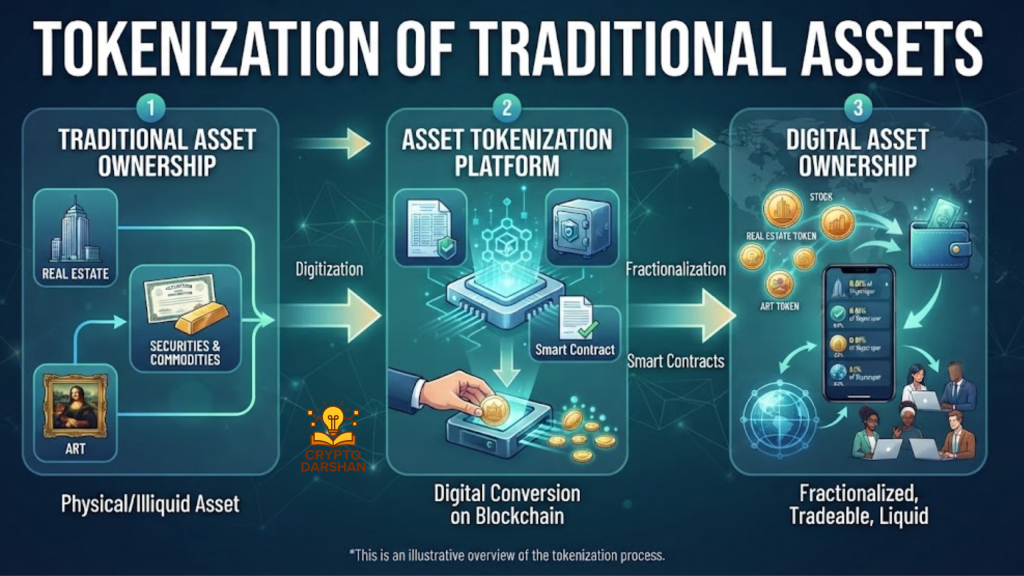
Tokenization—turning real-world assets like stocks, bonds, and funds into blockchain-based tokens—is a major focus. Morgan Stanley sees potential for:
- Tokenized money-market funds that can calculate and distribute yield much more frequently, even on a 15-minute basis in some prototypes.
- Tokenized securities that could streamline issuance, transfers, and corporate actions.
- New structures for assets that were previously too complex or costly to securitize.
DeFi Protocols and Automated Strategies
The lab is also testing decentralized finance applications, including DeFi vaults that could automate investment strategies around the clock. While DeFi is still nascent in an institutional context, Morgan Stanley wants to understand where its automation and transparency might improve efficiency.
CBDCs and Digital Deposits
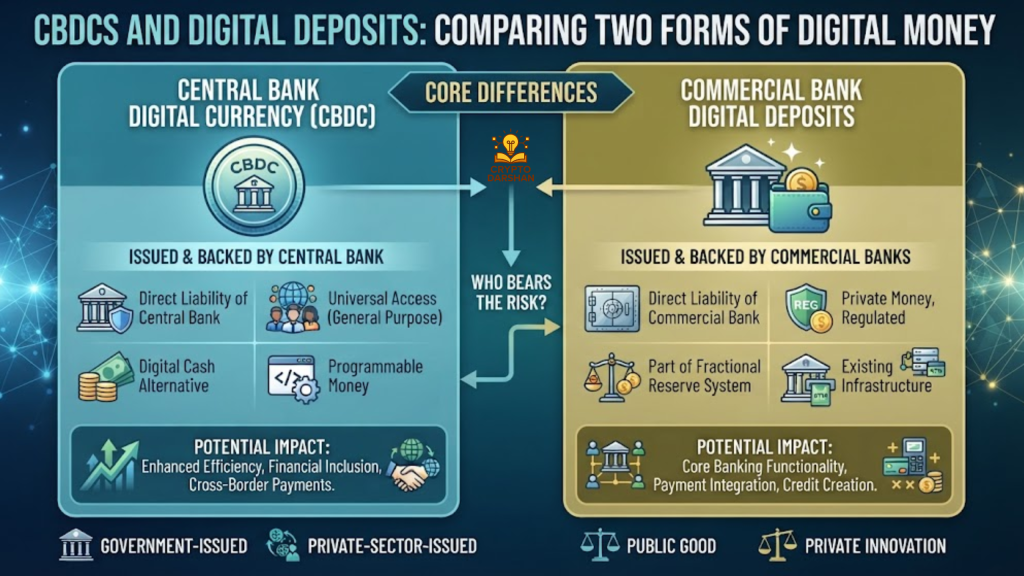
Central bank digital currencies (CBDCs) and tokenized bank deposits are on the agenda as well. These could eventually sit alongside stablecoins and tokenized funds as part of a broader digital-cash infrastructure for institutions.
Why This Matters for Wall Street
Morgan Stanley’s move reflects a broader shift: digital assets are no longer a side experiment but a strategic priority for major financial institutions. The bank has already rolled out crypto ETFs and crypto trading on its E*TRADE platform, signaling growing client demand.
The Digital Asset Lab matters for three main reasons:
- Infrastructure modernization: Blockchain could reduce settlement times, cut operational friction, and enable more granular, programmable financial products.
- Competitive positioning: By building internal expertise now, Morgan Stanley aims to be ready if tokenized markets scale in the next few years.
- Risk-aware innovation: Testing in a controlled lab lets the bank identify technical, legal, and operational risks before any client rollout.
As Oldenburg has noted, the industry is still in the “early innings” of applying blockchain beyond cryptocurrencies like Bitcoin and Ethereum.
What’s Next: From Lab to Live Products
The lab’s work does not guarantee that every tested technology will become a live product. Instead, it creates a pipeline of vetted ideas that could move forward if they meet regulatory, risk, and business criteria.
Areas to watch in the coming years include:
- Tokenized money-market funds and short-duration products for institutional investors.
- Blockchain-based settlement for certain securities or cash-like instruments.
- Hybrid DeFi structures that combine institutional controls with on-chain automation.
Regulation will be a key gatekeeper. Many of these concepts depend on clear rules around custody, investor protection, and market structure before they can scale.
Implications for Investors and the Crypto Ecosystem
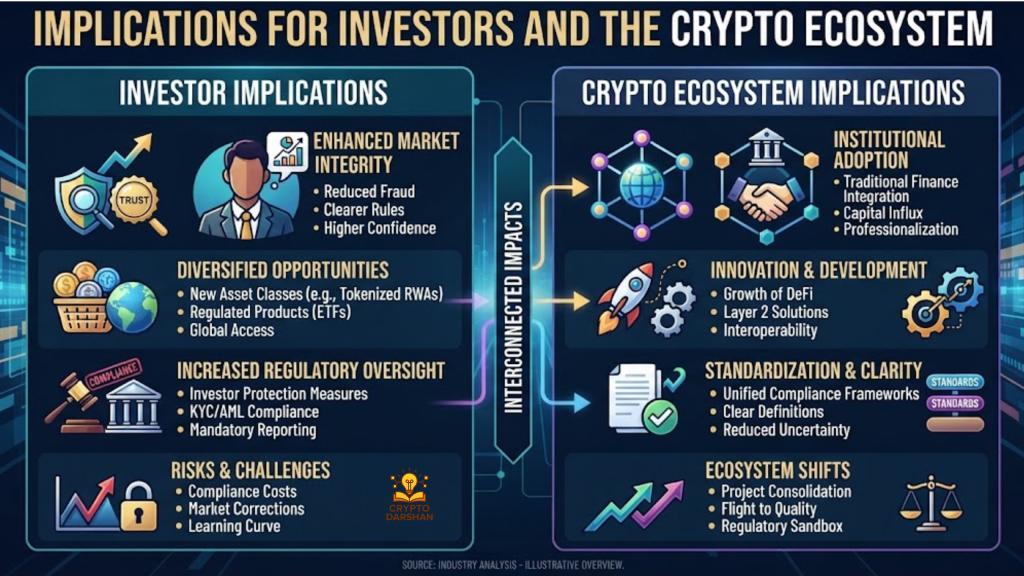
For traditional investors, the lab signals that major banks are taking digital assets seriously as future market infrastructure, not just as speculative instruments. For the crypto ecosystem, Morgan Stanley’s involvement adds institutional credibility and could accelerate adoption of tokenization standards.
Over time, this could mean:
- More tokenized products available through mainstream brokerage and wealth platforms.
- Faster, cheaper settlement for certain asset classes if blockchain rails are adopted.
- New yield and automation features powered by smart contracts and DeFi-like logic, wrapped in institutional-grade controls.
For now, the Digital Asset Lab is a behind-the-scenes engine for research and prototyping. But if successful, it could help define how Wall Street trades, settles, and manages risk in a more tokenized future.