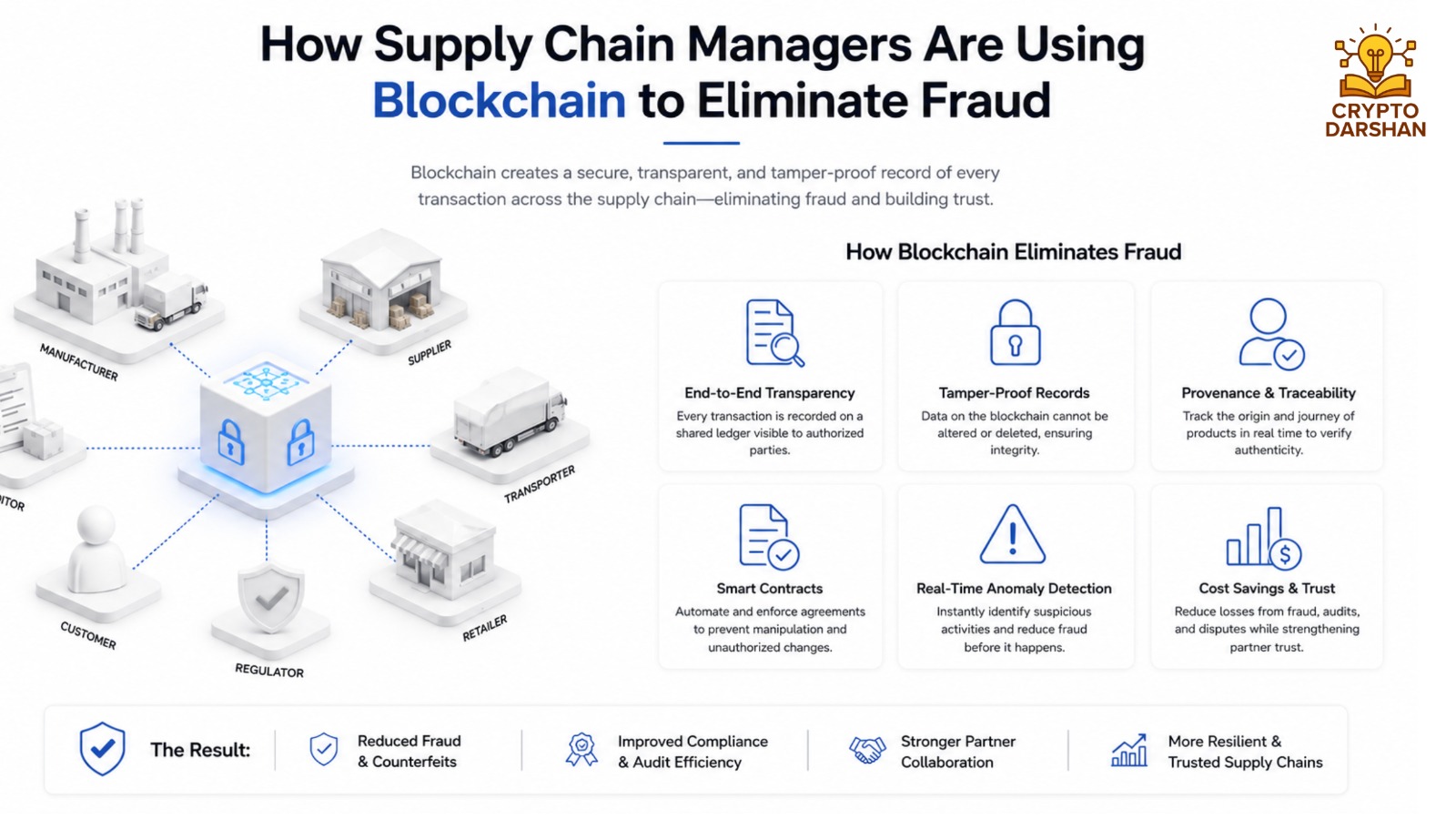
In today’s global economy, supply chains are more complex than ever. Products move across multiple countries, through countless suppliers, and involve many different systems. This complexity creates opportunities for fraud, counterfeiting, and data manipulation. To combat these challenges, Supply Chain Managers are turning to blockchain technology.
Blockchain offers transparency, security, and traceability—three qualities that are essential for building trust in supply chain operations. By using blockchain, Supply Chain Managers can track every step of a product’s journey, verify authenticity, and reduce the risk of fraud. This article explores how blockchain is transforming supply chain management, the benefits it brings, and how Supply Chain Managers are using it to eliminate fraud.
Understanding Blockchain Technology

Before exploring how Supply Chain Managers use blockchain, it’s important to understand what blockchain is.
Blockchain is a digital ledger that records transactions in a secure, transparent, and tamper-proof way. Each transaction is stored in a “block,” and these blocks are linked together in a chain. Once data is added to the blockchain, it cannot be changed or deleted. This makes it ideal for recording supply chain activities where accuracy and trust are critical.
Unlike traditional databases controlled by one organization, blockchain operates on a decentralized network. This means that all participants in the supply chain—manufacturers, suppliers, transporters, and retailers—can access the same verified information in real time.
For Supply Chain Managers, this shared visibility helps ensure that every product, shipment, and transaction is authentic and traceable.
The Problem of Fraud in Supply Chains
Fraud is a major issue in global supply chains. It can occur at any stage—from raw material sourcing to final delivery. Common types of supply chain fraud include:
- Counterfeiting: Fake products are introduced into the supply chain and sold as genuine.
- Document Forgery: Shipping documents, invoices, or certificates are altered to hide illegal activities.
- Theft and Diversion: Goods are stolen or redirected to unauthorized destinations.
- False Reporting: Suppliers or distributors provide inaccurate data about product origin, quality, or quantity.
- Bribery and Corruption: Unethical practices influence procurement or inspection processes.
These fraudulent activities cost companies billions of dollars each year and damage brand reputation. Traditional systems often fail to detect or prevent such fraud because they rely on manual processes and isolated databases.
This is where blockchain comes in. Supply Chain Managers are using blockchain to create a single, trustworthy record of every transaction, making it nearly impossible for fraudsters to manipulate data.
Why Blockchain Is a Game-Changer for Supply Chain Managers

Blockchain technology offers several unique features that make it a powerful tool for Supply Chain Managers:
1. Transparency
Every participant in the blockchain network can view the same data. This transparency ensures that all parties are accountable for their actions. If a product’s origin or movement is questioned, the blockchain provides a clear, verifiable record.
2. Immutability
Once data is recorded on the blockchain, it cannot be changed or deleted. This prevents tampering and ensures that all records remain accurate and trustworthy.
3. Traceability
Blockchain allows Supply Chain Managers to trace a product’s journey from raw materials to the final consumer. This helps identify where fraud or errors occur and ensures product authenticity.
4. Decentralization
Because blockchain is decentralized, no single party controls the data. This reduces the risk of corruption or manipulation by insiders.
5. Smart Contracts
Smart contracts are self-executing agreements coded into the blockchain. They automatically enforce terms and conditions, reducing the need for intermediaries and minimizing human error.
These features make blockchain an ideal solution for Supply Chain Managers who want to eliminate fraud and improve efficiency.
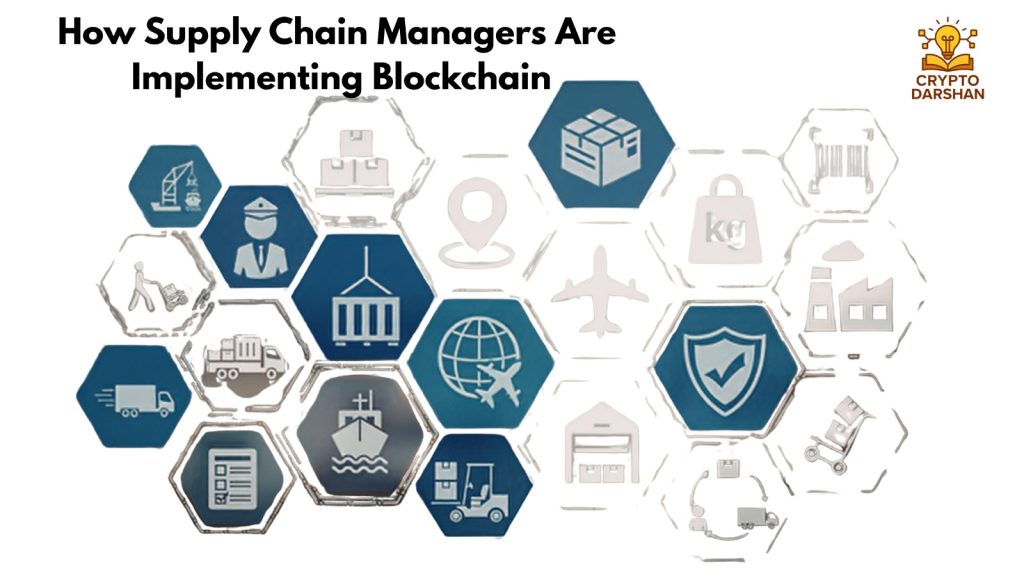
How Supply Chain Managers Are Implementing Blockchain
1. Tracking Product Origins
One of the biggest challenges in supply chain management is verifying the origin of products. Counterfeit goods often enter the market through unauthorized suppliers.
Supply Chain Managers use blockchain to record every step of a product’s creation—from raw material sourcing to manufacturing and distribution. Each transaction is time-stamped and verified by multiple parties. This creates a permanent record that proves where the product came from and how it was handled.
For example, in the food industry, blockchain can track produce from the farm to the supermarket shelf. If contamination occurs, Supply Chain Managers can quickly identify the source and remove affected products from circulation.
2. Authenticating Products
Luxury goods, pharmaceuticals, and electronics are common targets for counterfeiters. Blockchain helps Supply Chain Managers verify product authenticity by assigning each item a unique digital identity.
When a product is scanned, its blockchain record confirms whether it’s genuine. This not only protects consumers but also strengthens brand trust.
3. Monitoring Shipments in Real Time
Blockchain, combined with Internet of Things (IoT) devices allows Supply Chain Managers to monitor shipments in real time. Sensors can record temperature, humidity, and location data, which are automatically uploaded to the blockchain.
If any irregularities occur—such as a temperature spike in a refrigerated shipment—the system alerts managers immediately. This transparency prevents tampering and ensures product quality.
4. Automating Payments and Contracts
Smart contracts simplify financial transactions between suppliers, manufacturers, and distributors. When predefined conditions are met—such as delivery confirmation—payments are automatically released.
This automation reduces delays, eliminates the need for intermediaries, and prevents fraudulent billing. Supply Chain Managers benefit from faster, more secure transactions. The same blockchain technology helping supply chain managers combat fraud is also transforming global trade finance by improving transparency and reducing paperwork.
5. Reducing Paperwork and Human Error
Traditional supply chains rely heavily on paper documents, which can be lost, forged, or misinterpreted. Blockchain digitizes these records, ensuring accuracy and accessibility.
By reducing manual data entry, Supply Chain Managers minimize human error and improve operational efficiency.
Real-World Examples of Blockchain in Supply Chain Management

1. IBM Food Trust
IBM’s Food Trust platform uses blockchain to track food products from farm to table. Major retailers like Walmart and Carrefour use it to ensure food safety and authenticity.
Supply Chain Managers in these companies can trace contaminated products within seconds, reducing waste and protecting consumers.
2. Maersk and TradeLens
Shipping giant Maersk partnered with IBM to create TradeLens, a blockchain-based platform for global trade. It provides real-time visibility into shipping data and documentation.
Supply Chain Managers using TradeLens can detect delays, verify documents, and reduce fraud in international shipping.
3. De Beers and Diamond Tracking
De Beers uses blockchain to track diamonds from mines to retail stores. This ensures that all diamonds are conflict-free and authentic.
Supply Chain Managers in the jewelry industry use similar systems to verify the ethical sourcing of precious materials.
4. Pharmaceutical Supply Chains
Blockchain helps pharmaceutical companies track drugs from production to pharmacy shelves. This prevents counterfeit medicines from entering the market and ensures patient safety.
Supply Chain Managers in healthcare use blockchain to comply with strict regulations and maintain transparency.
Benefits of Blockchain for Supply Chain Managers

1. Enhanced Transparency
Blockchain provides a single source of truth for all supply chain participants. Supply Chain Managers can easily verify data and ensure that all parties are following ethical practices.
2. Improved Efficiency
By automating processes and reducing paperwork, blockchain streamlines operations. Supply Chain Managers can focus on strategic decisions instead of administrative tasks.
3. Fraud Prevention
Blockchain’s immutability makes it nearly impossible to alter records. This prevents document forgery, counterfeit goods, and other fraudulent activities.
4. Better Collaboration
All stakeholders have access to the same verified data, improving communication and trust. Supply Chain Managers can coordinate more effectively with suppliers and partners.
5. Regulatory Compliance
Blockchain provides a transparent audit trail that simplifies compliance with government regulations. Supply Chain Managers can easily demonstrate product authenticity and ethical sourcing.
Challenges in Adopting Blockchain

While blockchain offers many benefits, Supply Chain Managers face several challenges when implementing it.
1. High Initial Costs
Setting up a blockchain system requires investment in technology, training, and infrastructure. Smaller companies may struggle with these costs.
2. Integration with Existing Systems
Many supply chains use legacy systems that are not compatible with blockchain. Integrating new technology can be complex and time-consuming. The integrity of supply chain records depends on blockchain nodes, which validate and maintain accurate transaction data across the network.
3. Data Privacy Concerns
Although blockchain is transparent, some companies worry about sharing sensitive information with competitors. Supply Chain Managers must balance transparency with confidentiality.
4. Lack of Standardization
Different industries and countries use different blockchain platforms. Without standardization, it can be difficult for systems to communicate effectively.
5. Limited Technical Expertise
Blockchain is still a relatively new technology. Supply Chain Managers may need additional training to understand and manage it effectively.
How Blockchain Eliminates Fraud in Supply Chains
1. Preventing Counterfeiting
Each product recorded on the blockchain has a unique digital signature. This makes it easy for Supply Chain Managers to verify authenticity and detect fake goods.
2. Ensuring Data Integrity
Because blockchain data cannot be altered, fraudulent changes to shipping documents or invoices are impossible. This ensures that all records remain accurate.
3. Tracking Every Transaction
Blockchain records every transaction in real time. Supply Chain Managers can trace any irregularities back to their source, identifying where fraud occurred.
4. Reducing Insider Threats
Decentralization means no single person or organization controls the data. This reduces the risk of internal fraud or corruption.
5. Automating Verification
Smart contracts automatically verify transactions and enforce rules. This eliminates the need for manual checks and reduces opportunities for manipulation.
The Role of Supply Chain Managers in Blockchain Adoption
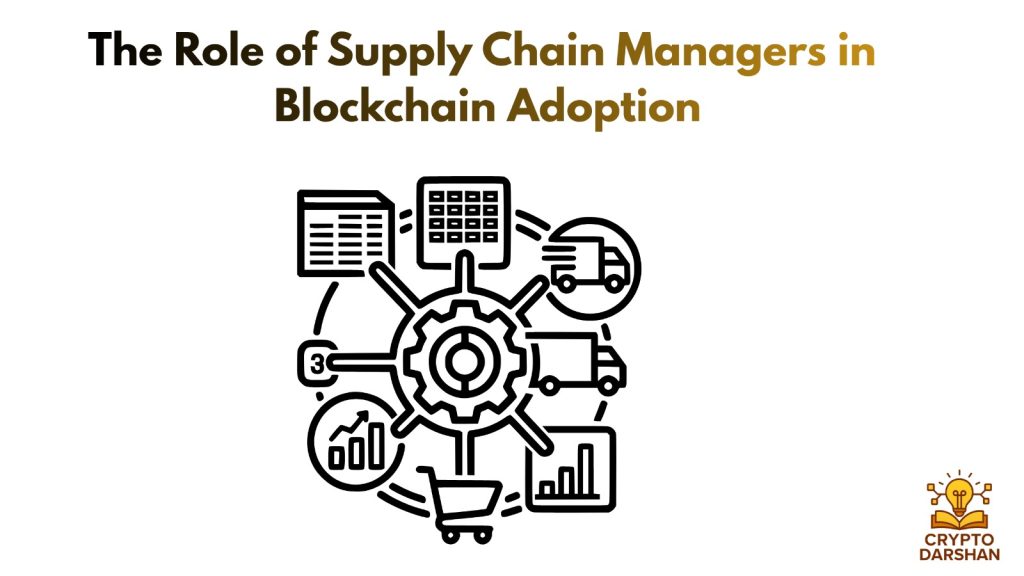
Supply Chain Managers play a crucial role in implementing blockchain technology. Their responsibilities include:
1. Identifying Use Cases
They must determine where blockchain can add the most value—such as tracking high-value goods or verifying supplier authenticity.
2. Collaborating with Stakeholders
Blockchain works best when all participants are involved. Supply Chain Managers must coordinate with suppliers, logistics providers, and regulators to ensure smooth adoption.
3. Training Teams
To use blockchain effectively, employees need proper training. Supply Chain Managers oversee this process and ensure everyone understands the technology.
4. Monitoring Performance
After implementation, Supply Chain Managers track performance metrics to measure blockchain’s impact on efficiency and fraud reduction.
5. Driving Continuous Improvement
Blockchain technology evolves rapidly. Supply Chain Managers must stay updated on new developments and continuously improve their systems.
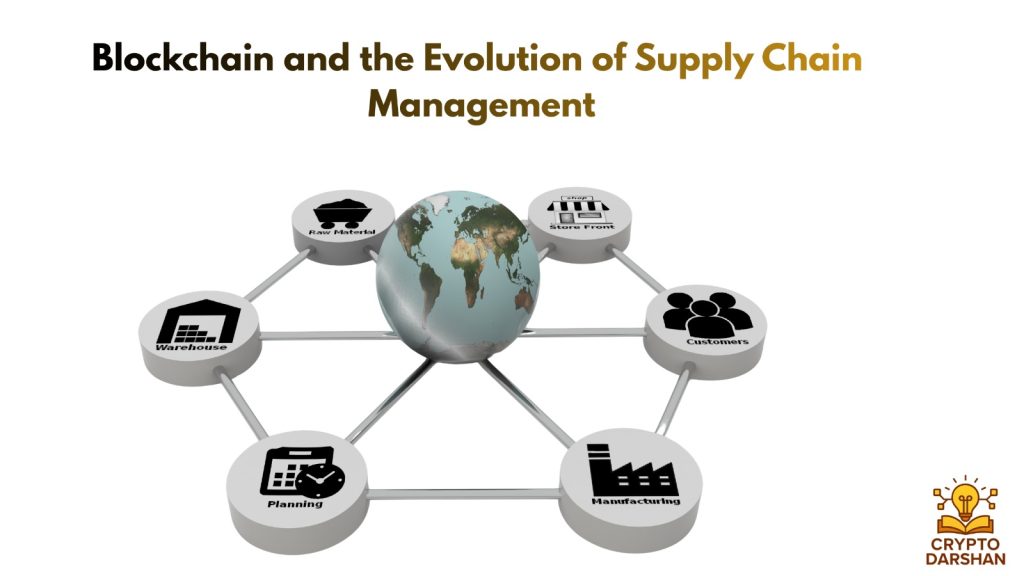
Future Trends: Blockchain and the Evolution of Supply Chain Management
1. Integration with Artificial Intelligence (AI)
AI can analyze blockchain data to predict demand, detect anomalies, and optimize routes. Supply Chain Managers will use AI-powered insights to make smarter decisions.
2. Internet of Things (IoT) Expansion
IoT devices will provide real-time data on product conditions, which will be recorded on the blockchain. This will give Supply Chain Managers even greater visibility and control.
3. Sustainability Tracking
Consumers are demanding more transparency about environmental impact. Blockchain will help Supply Chain Managers verify sustainable sourcing and ethical practices.
4. Global Standardization
As blockchain adoption grows, international standards will emerge. This will make it easier for Supply Chain Managers to collaborate across borders.
5. Decentralized Finance (DeFi) Integration
Blockchain-based financial tools will simplify payments, insurance, and financing for supply chain operations. Supply Chain Managers will benefit from faster, more secure transactions.
Case Study: Walmart’s Blockchain Journey
Walmart is one of the pioneers in using blockchain for supply chain management. The company partnered with IBM to develop a blockchain system that tracks food products from farms to stores.
Before blockchain, tracing the source of contaminated food could take days or even weeks. Now, Supply Chain Managers at Walmart can trace a product’s origin in seconds. This rapid traceability helps prevent fraud, ensures food safety, and builds consumer trust.
The success of Walmart’s blockchain initiative has inspired other retailers to adopt similar systems, proving that blockchain is not just a trend but a practical solution for modern supply chains.
How Blockchain Builds Trust Among Supply Chain Partners
Trust is the foundation of any successful supply chain. Blockchain strengthens this trust by providing a shared, verifiable record of all transactions.
When Supply Chain Managers use blockchain, every participant—from suppliers to retailers—can see the same data. This eliminates disputes, reduces misunderstandings, and fosters collaboration.
For example, if a shipment is delayed, all parties can view the reason on the blockchain. This transparency prevents blame-shifting and encourages problem-solving.
The Economic Impact of Blockchain on Supply Chains
Blockchain not only reduces fraud but also improves overall efficiency, leading to significant cost savings.
By eliminating intermediaries, automating processes, and reducing paperwork, Supply Chain Managers can cut operational costs. Faster payments and fewer disputes also improve cash flow.
In the long term, blockchain adoption can increase profitability and competitiveness for companies that embrace it early.
Overcoming Barriers to Blockchain Adoption
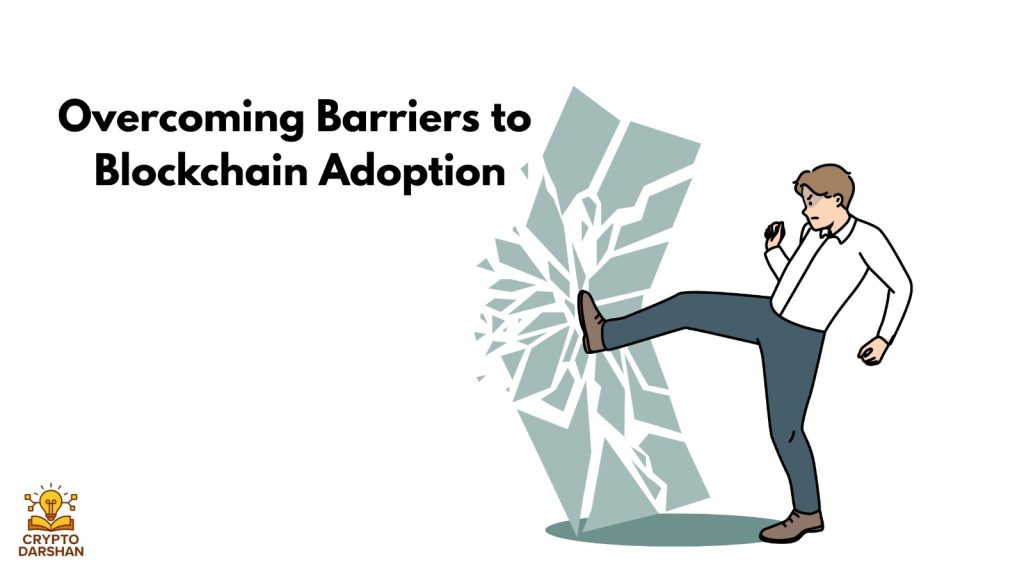
To fully benefit from blockchain, Supply Chain Managers must address several barriers:
1. Building Awareness
Many organizations still don’t understand how blockchain works. Supply Chain Managers should educate stakeholders about its benefits and potential.
2. Collaborating Across Industries
Blockchain’s success depends on cooperation. Supply Chain Managers must encourage collaboration between competitors, regulators, and technology providers.
3. Ensuring Data Quality
Blockchain is only as reliable as the data entered into it. Supply Chain Managers must implement strict data verification processes.
4. Choosing the Right Platform
Different blockchain platforms offer different features. Supply Chain Managers must select one that fits their industry’s needs and scalability requirements.
5. Managing Change
Adopting new technology can be challenging. Supply Chain Managers should lead change management efforts to ensure smooth transitions.
The Future Role of Supply Chain Managers in a Blockchain World
As blockchain becomes more widespread, the role of Supply Chain Managers will evolve. They will move from traditional oversight roles to strategic leadership positions focused on innovation and data-driven decision-making.
Future Supply Chain Managers will need skills in technology, analytics, and cybersecurity. They will act as connectors between technical teams and business operations, ensuring that blockchain systems deliver real value.
FAQs: How Supply Chain Managers Are Using Blockchain to Eliminate Fraud
1. What is blockchain technology in supply chain management?
Blockchain is a decentralized digital ledger that records transactions securely and transparently. In supply chains, it helps track products from origin to destination, creating an immutable record of every step.
2. How does blockchain help eliminate fraud in supply chains?
Blockchain makes it difficult to alter or falsify records because every transaction is permanently recorded and verified by multiple participants in the network.
3. What types of supply chain fraud can blockchain prevent?
Blockchain can help prevent counterfeit products, document forgery, invoice fraud, unauthorized substitutions, and misrepresentation of product origins.
4. How does blockchain improve product traceability?
Each product can be assigned a unique digital identity, allowing stakeholders to track its journey through the supply chain and verify its authenticity in real time.
5. Can blockchain help detect counterfeit goods?
Yes. By maintaining a transparent and verifiable record of a product’s history, blockchain makes it easier to identify counterfeit items and confirm genuine products.
6. What role do smart contracts play in supply chain security?
Smart contracts automatically execute predefined actions when certain conditions are met, reducing the need for manual verification and minimizing opportunities for fraud.
7. Which industries are using blockchain for supply chain management?
Industries such as food and agriculture, pharmaceuticals, luxury goods, electronics, automotive, and logistics are increasingly adopting blockchain solutions.
Conclusion
Blockchain technology is revolutionizing supply chain management by providing transparency, security, and traceability. Supply Chain Managers are at the forefront of this transformation, using blockchain to eliminate fraud, improve efficiency, and build trust among partners.
From tracking product origins to automating payments, blockchain offers countless benefits that make supply chains more reliable and resilient. While challenges remain, the potential rewards far outweigh the risks.
As blockchain continues to evolve, Supply Chain Managers who embrace this technology will lead the way toward a future where fraud is minimized, trust is maximized, and global trade operates with unprecedented integrity.