
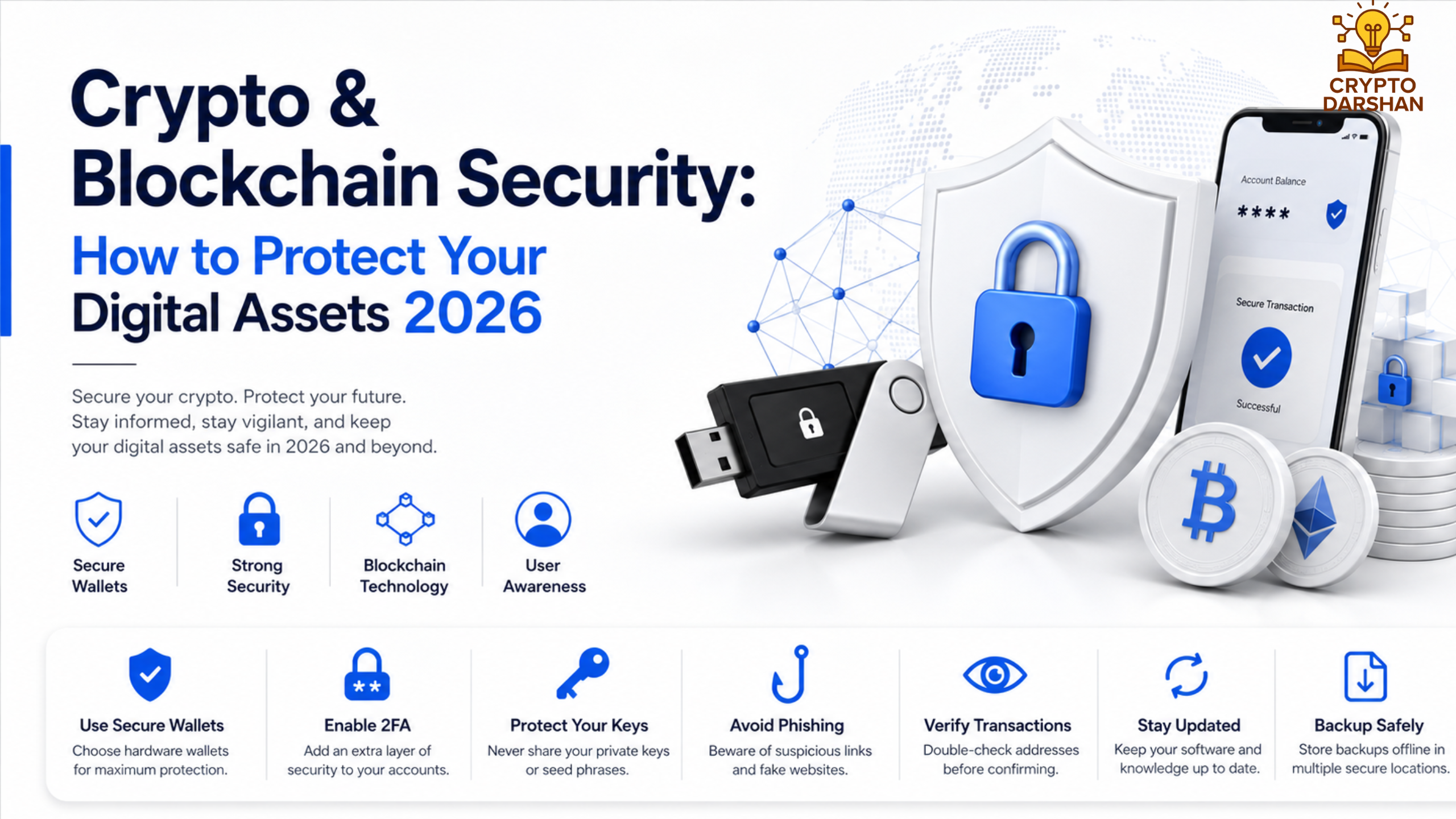
The world of cryptocurrency continues to grow rapidly, attracting investors, developers, and businesses worldwide. As digital assets become more valuable, the need for strong crypto security has never been greater. In 2026, the blockchain ecosystem faces new challenges, from advanced hacking techniques to evolving regulatory frameworks. Understanding how to protect digital assets is essential for anyone involved in crypto trading, investing, or blockchain development.
This guide explores the fundamentals of blockchain security, the latest threats, and the best practices for safeguarding cryptocurrencies. It provides practical steps to secure wallets, exchanges, and decentralized applications (dApps), ensuring that digital wealth remains safe in an increasingly complex cyber landscape.
Understanding Crypto Security
What Is Crypto Security?
Crypto security refers to the measures and technologies used to protect cryptocurrencies, blockchain networks, and digital wallets from theft, fraud, and unauthorized access. It involves cryptographic algorithms, secure storage methods, and user awareness to prevent data breaches and financial losses.
Why Crypto Security Matters
Cryptocurrencies operate on decentralized networks, meaning there is no central authority to recover lost or stolen funds. Once a transaction is confirmed on the blockchain, it cannot be reversed. This makes crypto security a personal responsibility. Without proper protection, users risk losing their assets permanently. Crypto wallet security encompasses the measures and protocols designed to protect the digital wallets that store, manage, and transact cryptocurrencies.
The Role of Blockchain in Security
Blockchain technology itself is inherently secure due to its decentralized and immutable nature. Each block in the chain contains a cryptographic hash of the previous block, making it nearly impossible to alter past transactions. However, vulnerabilities often arise from external factors such as weak passwords, phishing attacks, or compromised exchanges.
Common Threats to Crypto Security
1. Phishing Attacks
Phishing remains one of the most common threats in the crypto world. Attackers create fake websites or send deceptive emails that mimic legitimate crypto platforms. Unsuspecting users enter their private keys or login credentials, giving hackers full access to their wallets.Every crypto transaction passes through a mempool before it gets confirmed, and understanding this “waiting room” helps you see why some attacks, delays and fee spikes happen when the network is busy.
Prevention Tips:
- Always verify website URLs before logging in.
- Use official apps or bookmarked links.
- Enable two-factor authentication (2FA).
2. Malware and Ransomware
Malicious software can infect devices and steal sensitive data, including private keys. Some malware specifically targets crypto wallets, replacing copied wallet addresses with the attacker’s address during transactions. Some traders try to profit from crashes by short selling crypto, but using margin and borrowing assets introduces a different kind of risk: liquidation, forced buy‑backs and even platform failures if the exchange can’t handle extreme volatility.
Prevention Tips:
- Install reputable antivirus software.
- Avoid downloading files from unknown sources.
- Keep operating systems and apps updated.
3. Exchange Hacks
Centralized exchanges are prime targets for hackers due to the large volume of assets they hold. Even well-known exchanges have suffered breaches, resulting in millions of dollars in losses.
Prevention Tips:
- Use decentralized exchanges (DEXs) when possible.
- Withdraw funds to personal wallets after trading.
- Research exchange security measures before use.
4. SIM Swapping
Attackers can hijack a user’s phone number by convincing mobile carriers to transfer it to a new SIM card. Once they gain control, they can bypass 2FA and access crypto accounts.
Prevention Tips:
- Use app-based authentication instead of SMS.
- Set up a PIN or password with the mobile carrier.
- Avoid sharing personal information publicly.
5. Smart Contract Vulnerabilities
Smart contracts power decentralized applications but can contain coding errors or vulnerabilities. Exploiting these flaws allows attackers to drain funds or manipulate transactions.
Prevention Tips:
- Audit smart contracts before deployment.
- Use verified open-source code.
- Employ multi-signature wallets for added protection.
Best Practices for Blockchain Security
1. Use Hardware Wallets
Hardware wallets, such as Ledger or Trezor, store private keys offline, making them immune to online attacks. They are among the most secure ways to protect digital assets. For long‑term holdings, one of the strongest protections you can use is cold storage, but very few people really understand how hardware wallets work at the chip and firmware level to keep private keys isolated from the internet.
Benefits:
- Offline storage prevents hacking.
- Requires physical confirmation for transactions.
- Compatible with multiple cryptocurrencies.
2. Enable Multi-Factor Authentication
Multi-factor authentication (MFA) adds an extra layer of protection by requiring multiple verification steps. Even if a password is compromised, unauthorized access remains difficult.
Recommended Methods:
- Authenticator apps (Google Authenticator, Authy)
- Hardware security keys (YubiKey)
- Biometric verification
3. Keep Private Keys Secure
Private keys are the most critical component of crypto ownership. Losing them means losing access to funds permanently.Some traders try to profit from crashes by short selling crypto, but using margin and borrowing assets introduces a different kind of risk: liquidation, forced buy‑backs and even platform failures if the exchange can’t handle extreme volatility.
Storage Tips:
- Never share private keys online.
- Store backups in multiple secure locations.
- Use encrypted USB drives or paper wallets.
4. Regularly Update Software
Outdated software can contain vulnerabilities that hackers exploit. Keeping wallets, exchanges, and devices updated ensures the latest security patches are applied.
Update Checklist:
- Wallet applications
- Operating systems
- Browser extensions
- Antivirus software
5. Use Cold Storage for Long-Term Holdings
Cold storage refers to keeping cryptocurrencies offline, away from internet-connected devices. It’s ideal for long-term investors who don’t need frequent access to their funds. When hype around a coin like Dogecoin or any other meme token returns, many investors forget basic security just to jump in quickly, using unvetted platforms or ignoring good storage habits because they’re afraid of missing the next rally.
Cold Storage Options:
- Hardware wallets
- Paper wallets
- Air-gapped computers
Advanced Crypto Security Strategies

1. Multi-Signature Wallets
Multi-signature (multi-sig) wallets require multiple private keys to authorize a transaction. This setup reduces the risk of a single point of failure.
Use Cases:
- Corporate crypto accounts
- Joint investments
- DAO treasury management
2. Decentralized Identity Solutions
Decentralized identity (DID) systems enhance privacy and reduce reliance on centralized databases. They allow users to control their personal data securely on the blockchain.
Benefits:
- Prevents identity theft
- Enhances user privacy
- Enables secure authentication
3. Smart Contract Auditing
Before deploying smart contracts, developers should conduct thorough audits to identify vulnerabilities. Professional auditing firms use automated tools and manual reviews to ensure code integrity.
Audit Checklist:
- Check for reentrancy attacks
- Validate input data
- Test for overflow and underflow errors
4. Secure Key Management Systems
Enterprises managing large crypto portfolios use key management systems (KMS) to store and control access to private keys securely. These systems often integrate with hardware security modules (HSMs).
Advantages:
- Centralized control with decentralized access
- Automated key rotation
- Compliance with security standards
5. Blockchain Forensics and Monitoring
Blockchain analytics tools help detect suspicious transactions and trace stolen funds. They are essential for exchanges, regulators, and law enforcement agencies.
Popular Tools:
- Chainalysis
- CipherTrace
- Elliptic
Regulatory and Compliance Considerations

Global Regulations in 2026
Governments worldwide are tightening regulations around cryptocurrencies to prevent money laundering and fraud. Compliance with Know Your Customer (KYC) and Anti-Money Laundering (AML) laws is now mandatory for most exchanges.
Key Trends:
- Stricter reporting requirements
- Enhanced transaction monitoring
- Cross-border regulatory cooperation
Importance of Compliance
Compliance not only ensures legal operation but also enhances trust among users and investors. Platforms that follow regulations are less likely to face shutdowns or penalties.
Compliance Best Practices:
- Implement KYC verification
- Maintain transparent records
- Conduct regular audits
The Future of Blockchain Security

Quantum Computing Threats
Quantum computing poses a potential threat to current cryptographic algorithms. Researchers are developing quantum-resistant encryption methods to safeguard blockchain networks.
Future Solutions:
- Post-quantum cryptography
- Hybrid encryption models
- Continuous algorithm updates
AI and Machine Learning in Security
Artificial intelligence (AI) is transforming crypto security by detecting anomalies and predicting potential attacks. Machine learning models analyze transaction patterns to identify suspicious behavior in real time.
Applications:
- Fraud detection
- Automated threat response
- Predictive analytics
Zero-Knowledge Proofs
Zero-knowledge proofs (ZKPs) allow users to verify transactions without revealing sensitive information. This technology enhances privacy while maintaining transparency on the blockchain.
Benefits:
- Protects user data
- Enables private transactions
- Improves scalability
How to Build a Personal Crypto Security Plan
Step 1: Assess Risk Exposure
Identify all crypto assets, wallets, and platforms in use. Evaluate potential vulnerabilities and prioritize protection based on asset value and exposure level.
Step 2: Implement Layered Security
Combine multiple security measures such as hardware wallets, MFA, and cold storage. Layered security minimizes the impact of any single breach.
Step 3: Backup and Recovery
Create encrypted backups of wallet data and private keys. Store them in secure, geographically separated locations to prevent loss from disasters or theft.
Step 4: Stay Informed
The crypto landscape evolves rapidly. Regularly follow trusted sources for updates on new threats, security patches, and best practices.
Step 5: Educate and Train
For organizations, employee training is crucial. Human error remains a leading cause of security breaches. Regular workshops and simulations can improve awareness and response.
Top 10 Crypto Security Tools in 2026
| Tool Name | Category | Key Feature |
| Ledger Nano X | Hardware Wallet | Offline storage for multiple assets |
| Trezor Model T | Hardware Wallet | Touchscreen interface and open-source firmware |
| MetaMask | Wallet | Browser-based wallet with 2FA support |
| Chainalysis | Analytics | Blockchain forensics and compliance |
| CipherTrace | Monitoring | Transaction risk scoring |
| Elliptic | Analytics | AML compliance and fraud detection |
| Authy | Authentication | Secure 2FA management |
| YubiKey | Hardware Security | Physical key-based authentication |
| MyEtherWallet | Wallet | Open-source Ethereum wallet |
| Bitwarden | Password Manager | Encrypted password storage |
FAQ: Crypto & Blockchain Security: How to Protect Your Digital Assets in 2026

1. Why is crypto security more important than ever in 2026?
As cryptocurrency adoption continues to grow, cybercriminals are developing more sophisticated attacks. Protecting your digital assets is essential to prevent theft, fraud, and unauthorized access to your crypto holdings.
2. What is the safest way to store cryptocurrency?
Hardware wallets are generally considered the safest storage option because they keep your private keys offline, reducing the risk of hacking. Combining a hardware wallet with strong security practices offers maximum protection.
3. What are private keys, and why should I protect them?
Private keys are unique cryptographic codes that give you access to your cryptocurrency. Anyone with your private key can control your assets, so it should never be shared or stored insecurely.
4. What is a crypto wallet?
A crypto wallet is a tool that allows users to store, send, and receive digital assets. Wallets can be hardware-based, software-based, mobile, desktop, or web-based, each offering different levels of security and
15. What are the best crypto security practices for 2026?
Key practices include:
- Using hardware wallets
- Enabling two-factor authentication
- Creating strong, unique passwords
- Keeping software updated
Conclusion
As cryptocurrencies continue to shape the global financial landscape, crypto security remains a top priority. Protecting digital assets requires a combination of technology, awareness, and proactive measures. From using hardware wallets and multi-factor authentication to understanding smart contract vulnerabilities and regulatory compliance, every step contributes to a safer blockchain ecosystem.
In 2026, the future of crypto security will depend on innovation, collaboration, and education. By staying informed and adopting best practices, individuals and organizations can confidently navigate the evolving world of digital finance while keeping their assets secure.