
Introduction to Tokenized Luxury Assets
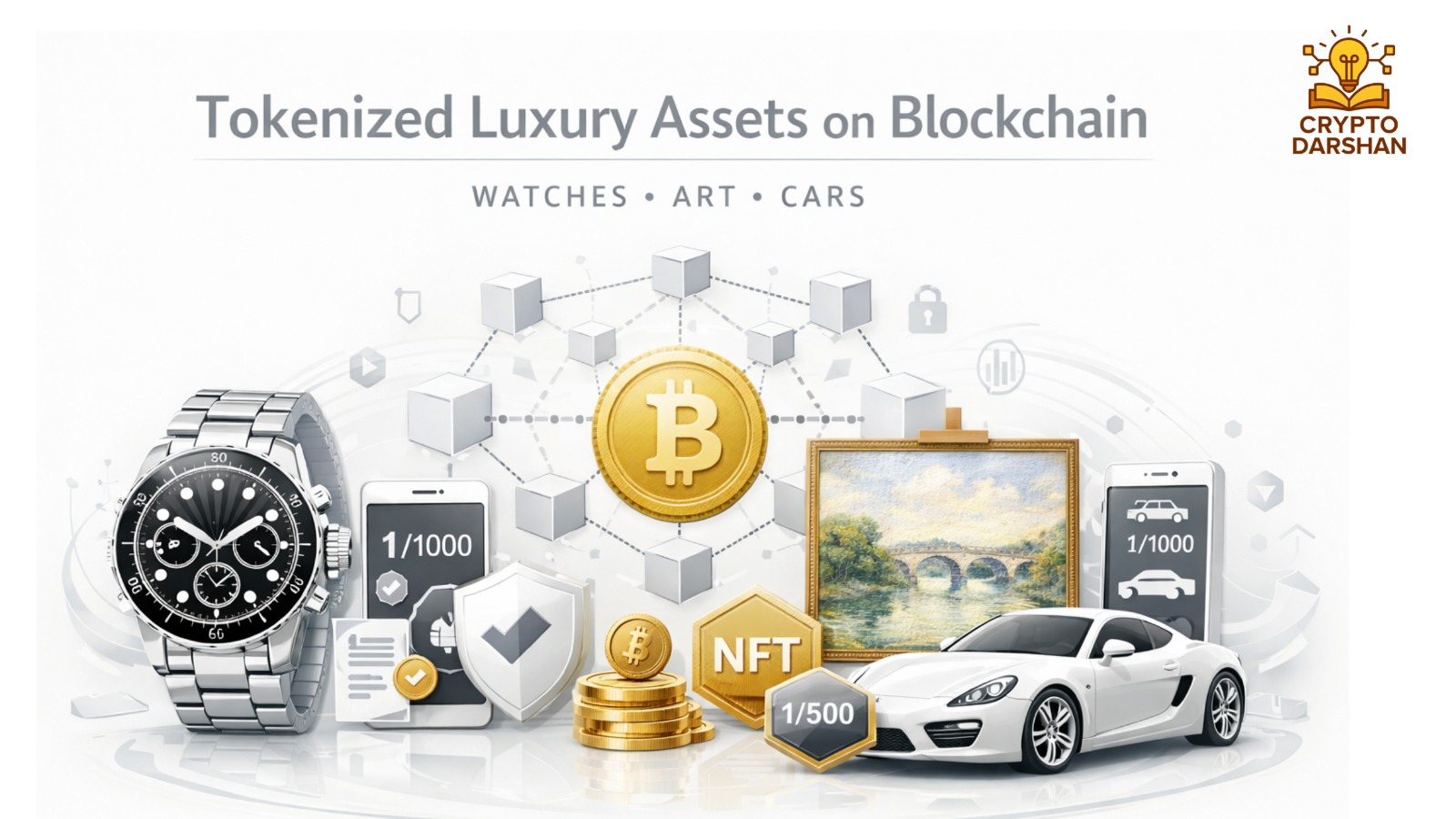
The world of luxury is evolving rapidly, and Tokenized Luxury Assets are at the center of this transformation. From rare watches and fine art to collectible cars, blockchain technology is redefining how high-value items are owned, traded, and experienced. Tokenization allows physical luxury assets to be represented digitally on a blockchain, enabling fractional ownership, improved liquidity, and transparent provenance tracking. This innovation is reshaping the luxury investment landscape, making it more accessible and efficient than ever before.
In simple terms, Tokenized Luxury Assets are physical luxury items that have been converted into digital tokens. Each token represents a share of ownership in the underlying asset. This process allows investors to buy, sell, or trade fractions of expensive items without needing to purchase the entire asset. For example, instead of buying a $1 million painting, an investor can own a small percentage of it through tokens.
Understanding Tokenization
Tokenization is the process of converting the ownership rights of a real-world asset into digital tokens on a blockchain. These tokens can be traded, transferred, or held just like cryptocurrencies. The blockchain ensures that every transaction is secure, transparent, and immutable.
When applied to luxury assets, tokenization brings several advantages:
- Fractional Ownership: Investors can own a portion of a high-value asset.
- Liquidity: Tokenized assets can be traded easily on digital marketplaces.
- Transparency: Blockchain records provide verifiable proof of ownership and authenticity.
- Accessibility: More investors can participate in luxury markets that were once exclusive.
The concept of Tokenized Luxury Assets merges the exclusivity of luxury with the inclusivity of blockchain. It democratizes access to high-end investments while maintaining the prestige and value associated with luxury goods.
Before investing in tokenized luxury assets, understanding valuation metrics is crucial, here’s a detailed guide on What Is Fully Diluted Valuation (FDV) and Why It Matters to help you assess token supply risks.
The Rise of Tokenized Luxury Assets
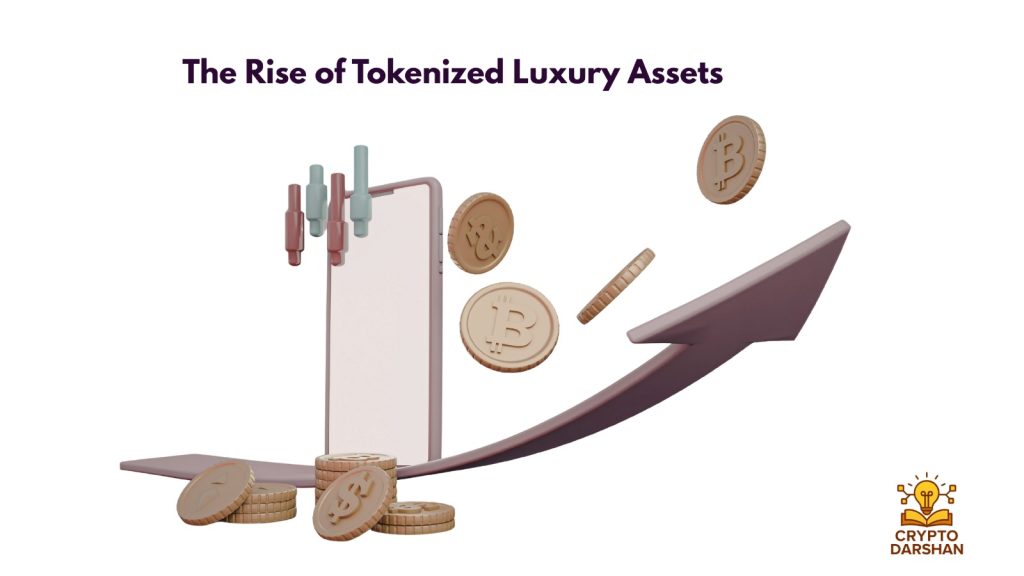
The luxury market has always been associated with exclusivity, craftsmanship, and heritage. However, it has also faced challenges such as limited liquidity, high entry barriers, and issues with authenticity. Blockchain technology addresses these challenges by introducing a new model of ownership and trade.
The rise of Tokenized Luxury Assets can be attributed to several key factors:
- Blockchain Adoption: As blockchain becomes mainstream, industries are exploring its potential beyond cryptocurrencies.
- Investor Demand: There is growing interest in alternative investments that combine stability and innovation.
- Digital Transformation: The luxury industry is embracing digital solutions to reach younger, tech-savvy investors.
- Global Accessibility: Tokenization allows investors from around the world to participate in luxury markets without geographical restrictions.
Luxury brands, auction houses, and fintech startups are collaborating to create platforms that enable the tokenization of watches, art, and cars. These platforms ensure that each tokenized asset is backed by a verified physical item stored securely in a vault or managed by a trusted custodian.
Tokenized Watches: Precision Meets Blockchain
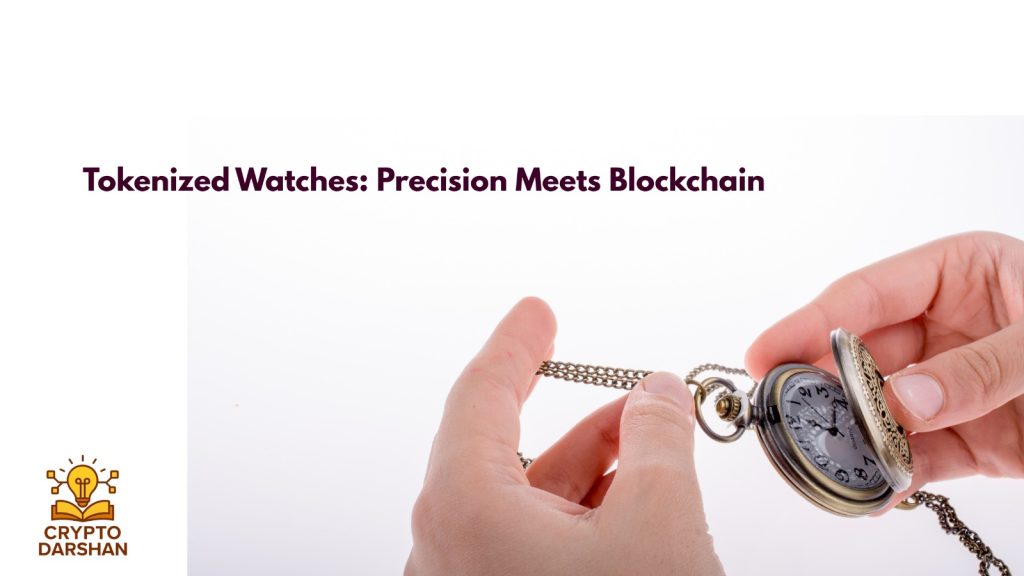
Luxury watches have long been symbols of status, craftsmanship, and timeless design. Brands like Rolex, Patek Philippe, and Audemars Piguet produce watches that not only tell time but also appreciate in value. However, the traditional watch market is often illiquid and limited to collectors with significant capital.
Tokenized Luxury Assets in the watch sector are changing this dynamic. By tokenizing high-end watches, investors can own fractions of rare timepieces. Each token represents a share of the watch’s value, allowing multiple investors to co-own a single piece.
Benefits of Tokenized Watches
- Accessibility: Investors can participate in the luxury watch market without needing to buy an entire watch.
- Liquidity: Tokens can be traded on digital platforms, providing faster access to capital.
- Transparency: Blockchain ensures that the watch’s history, authenticity, and ownership are verifiable.
- Security: The physical watch is stored in a secure facility, while ownership is recorded digitally.
For example, a limited-edition Patek Philippe watch worth $500,000 can be divided into 10,000 tokens. Each token holder owns a fraction of the watch and can trade their tokens as the market value changes. This model opens the door for new investors to engage with the luxury watch market while maintaining the exclusivity and prestige of the brand.
Tokenized Art: Redefining Ownership and Creativity
Art tokenization is the process of converting the ownership rights of an artwork, whether a physical painting or a digital file, into digital tokens on a blockchain. This allows art to be traded, managed, and financially utilized with the same speed and efficiency as cryptocurrencies, unlocking liquidity in a traditionally illiquid market.
Tokenized Luxury Assets in the art world allow investors to buy shares of famous paintings, sculptures, or digital artworks. Each token represents a portion of the artwork’s value, and ownership is recorded on the blockchain. This approach not only democratizes art investment but also provides artists with new ways to monetize their creations.
The infrastructure behind real-world asset tokenization often depends on scalable blockchain models, which we explore in depth in Appchains vs Layer 2s: Which Model Wins in 2026?.
Advantages of Tokenized Art
- Fractional Investment: Investors can own a piece of a masterpiece without buying the entire artwork.
- Global Reach: Art tokens can be traded globally, expanding the market for collectors and investors.
- Provenance Tracking: Blockchain ensures that the artwork’s history and authenticity are transparent.
- Artist Empowerment: Artists can receive royalties from secondary sales through smart contracts.
For instance, a $10 million painting by a renowned artist can be tokenized into 100,000 tokens. Each token holder owns a fraction of the artwork and can trade their tokens on digital marketplaces. This model not only increases liquidity but also allows more people to participate in the art market.
The concept of Tokenized Luxury Assets in art is also driving innovation in digital art and NFTs (non-fungible tokens). Artists can now create digital works that are tokenized and sold directly to collectors, eliminating intermediaries and ensuring fair compensation.
Tokenized Cars: Driving the Future of Collectible Investments
Classic and luxury cars are another category of high-value assets that are being transformed through tokenization. Collectible cars, such as vintage Ferraris, Lamborghinis, and Aston Martins, often appreciate in value over time. However, owning and maintaining these vehicles requires significant resources.
Tokenized Luxury Assets in the automotive sector allow investors to own fractions of collectible cars. Each token represents a share of the car’s value, and the physical vehicle is stored and maintained by a professional custodian. This model provides investors with exposure to the collectible car market without the challenges of ownership.
Benefits of Tokenized Cars
- Fractional Ownership: Investors can own a portion of a rare car without buying the entire vehicle.
- Liquidity: Tokens can be traded easily, providing flexibility and faster returns.
- Transparency: Blockchain ensures that the car’s history, maintenance records, and ownership are verifiable.
- Preservation: The car is professionally maintained, ensuring its value is preserved.
For example, a 1962 Ferrari 250 GTO worth $50 million can be tokenized into 1 million tokens. Each token holder owns a fraction of the car and can trade their tokens as the car’s value appreciates. This approach makes the collectible car market more accessible and dynamic.
How Blockchain Powers Tokenized Luxury Assets
Blockchain technology is the foundation of Tokenized Luxury Assets. It provides the infrastructure for secure, transparent, and efficient transactions. Each token is recorded on a blockchain, ensuring that ownership and transaction history are immutable and verifiable.
Key Features of Blockchain in Tokenization
- Smart Contracts: Automate transactions and enforce ownership rules.
- Decentralization: Eliminates the need for intermediaries, reducing costs and increasing transparency.
- Security: Cryptographic encryption ensures that data cannot be tampered with.
- Traceability: Every transaction is recorded, providing a complete history of the asset.
By leveraging blockchain, Tokenized Luxury Assets ensure that investors can trust the authenticity and value of their holdings. The technology also enables seamless global trading, allowing investors to buy and sell tokens across borders.
Legal and Regulatory Considerations
While the concept of Tokenized Luxury Assets is promising, it also raises legal and regulatory questions. Different jurisdictions have varying rules regarding digital assets, securities, and ownership rights. Platforms that offer tokenized assets must comply with these regulations to ensure investor protection.
Key considerations include:
- Securities Laws: Some tokens may be classified as securities, requiring registration and compliance.
- Custody and Storage: The physical assets must be securely stored and insured.
- Valuation: Regular appraisals are necessary to ensure accurate token pricing.
- Investor Rights: Token holders must have clear legal rights to their share of the asset.
Regulatory clarity is essential for the growth of Tokenized Luxury Assets. As governments and financial institutions develop frameworks for digital assets, the market is expected to expand significantly.
The Role of NFTs in Tokenized Luxury Assets
Digital Proof of Authenticity
NFTs act as digital certificates that verify the authenticity of Tokenized Luxury Assets. Each NFT contains unique metadata such as serial numbers, production details, and ownership history—ensuring that the asset is genuine and traceable.
Unique Representation of Assets
Unlike fungible tokens, NFTs are one-of-a-kind and cannot be exchanged on a one-to-one basis. This uniqueness makes them ideal for representing rare luxury items like limited-edition watches, fine art, or collectible cars.
Seamless Connection Between Physical and Digital Worlds
NFTs bridge the gap between physical luxury goods and their digital counterparts. A luxury watch or artwork can have a corresponding NFT that mirrors its ownership and value, allowing it to be traded digitally while the physical item remains securely stored.
Smart Contract Functionality
NFTs use smart contracts to automate processes such as royalty payments, resale commissions, and ownership transfers. This ensures that creators, brands, and investors benefit fairly from every transaction involving Tokenized Luxury Assets.
Enhanced Market Accessibility
By tokenizing luxury items as NFTs, investors can easily buy, sell, or trade them on blockchain marketplaces. This democratizes access to high-value assets, making luxury investment more inclusive and globally accessible.
Marketplaces for Tokenized Luxury Assets
Several platforms have emerged to facilitate the trading of Tokenized Luxury Assets. These marketplaces connect investors, collectors, and asset custodians, enabling secure and transparent transactions.
Leading Platforms
- Luxury Asset Exchange: Specializes in tokenized watches and jewelry.
- ArtChain Market: Focuses on fine art and digital collectibles.
- AutoToken Hub: Offers tokenized shares of collectible cars.
- VaultX: Provides secure storage and tokenization services for multiple asset classes.
These platforms use blockchain technology to verify ownership, manage transactions, and ensure compliance with regulations. They also provide valuation tools, market analytics, and liquidity options for investors.
Investment Opportunities and Risks
Investing in Tokenized Luxury Assets offers exciting opportunities but also comes with risks. Understanding both is essential for making informed decisions.
Opportunities
- Diversification: Tokenized assets allow investors to diversify their portfolios with luxury items.
- Accessibility: Lower entry barriers enable more people to invest in high-value assets.
- Appreciation Potential: Many luxury assets appreciate over time, offering strong returns.
- Global Reach: Digital platforms connect investors worldwide.
Risks
- Market Volatility: Prices of luxury assets can fluctuate based on demand and trends.
- Regulatory Uncertainty: Changing laws may affect token trading and ownership rights.
- Custodial Risks: Physical assets must be securely stored and insured.
- Liquidity Challenges: While tokenization improves liquidity, some markets may still be limited.
Investors should conduct thorough research and choose reputable platforms when engaging with Tokenized Luxury Assets.
The Future of Tokenized Luxury Assets
The future of Tokenized Luxury Assets looks promising as technology, regulation, and consumer behavior continue to evolve. As blockchain adoption grows, more luxury brands and investors are expected to embrace tokenization.
Immutable Ownership Records
Blockchain creates a permanent and tamper-proof record of ownership for Tokenized Luxury Assets. Every transaction is stored on a decentralized ledger, ensuring that ownership history cannot be altered or forged.
Smart Contract Automation
Smart contracts automatically execute agreements between buyers and sellers. They handle transfers, payments, and royalties without intermediaries, making transactions faster, cheaper, and more transparent.
Enhanced Transparency and Trust
Each Tokenized Luxury Asset is linked to verifiable data on the blockchain, such as authenticity certificates, provenance, and valuation. This transparency builds trust among investors and collectors.
Global Accessibility and Liquidity
Blockchain enables fractional ownership, allowing investors worldwide to buy and trade small portions of luxury assets. This increases liquidity and opens the market to a broader audience.
Security and Fraud Prevention
Blockchain’s cryptographic security protects Tokenized Luxury Assets from counterfeiting and unauthorized transfers. The decentralized nature of the network ensures that data remains secure and verifiable at all times.
The convergence of luxury and blockchain is creating a new era of digital ownership. Tokenized Luxury Assets are not just a trend they represent a fundamental shift in how value is created, shared, and experienced.
FAQs: Tokenized Luxury Assets – Watches, Art, and Cars on Blockchain
1. What are tokenized luxury assets?
Tokenized luxury assets are high-value physical items such as watches, artwork, or cars—that are represented as digital tokens on a blockchain. These tokens can represent full or fractional ownership of the real-world asset.
2. How does tokenization of luxury watches or cars work?
The physical asset is securely stored and verified. A blockchain-based token is then issued that represents ownership rights. Investors can buy, sell, or trade these tokens without physically transferring the item.
3. What are examples of luxury assets being tokenized?
Common examples include rare watches like those from Rolex, collectible artworks similar to pieces by Pablo Picasso, and high-end supercars such as Ferrari models.
4. What is fractional ownership in tokenized assets?
Fractional ownership allows multiple investors to own a percentage of a high-value asset. Instead of buying a $500,000 car outright, investors can purchase smaller shares represented by tokens.
5. What are the benefits of tokenizing luxury assets?
- Increased liquidity for traditionally illiquid assets
- Lower entry barriers for investors
- Transparent ownership records
- Global market access
- Faster settlement compared to traditional auctions
6. Are tokenized luxury assets legally recognized?
Legal recognition depends on jurisdiction. In some countries, tokenized assets may fall under securities laws, while others treat them as digital collectibles. Regulatory clarity is still evolving in 2026.
7. Where are tokenized luxury assets traded?
They are typically traded on specialized RWA (Real World Asset) platforms or NFT marketplaces built on blockchains like Ethereum or other smart contract networks.
8. How is the physical asset secured?
Most platforms store assets in insured vaults or secure facilities. For example, tokenized watches may be held in third-party vault storage, while cars are stored in climate-controlled warehouses.
9. What risks are involved in investing in tokenized luxury assets?
- Regulatory uncertainty
- Platform risk or custodial failure
- Market volatility
- Liquidity risk
- Fraud or misrepresentation
10. Can I redeem my token for the physical asset?
Some platforms allow full-token holders to redeem the physical item. However, fractional token holders usually cannot claim physical delivery unless they accumulate 100% ownership.
Conclusion
Tokenized Luxury Assets are revolutionizing the way people invest in and experience luxury. By combining the exclusivity of high-end goods with the transparency and accessibility of blockchain, tokenization is opening new doors for investors, collectors, and brands alike. Whether it’s a rare watch, a masterpiece painting, or a vintage car, tokenization allows fractional ownership, global trading, and verifiable authenticity.
As technology advances and regulations mature, the market for Tokenized Luxury Assets will continue to expand. This innovation is not only transforming the luxury industry but also redefining the concept of ownership in the digital age. The future of luxury is tokenized, and the possibilities are limitless.