The rapid growth of digital assets has transformed how investors manage their portfolios, but it has also introduced complex tax challenges. As regulations tighten and reporting requirements expand, Crypto Tax Software has become essential for traders, investors, and businesses dealing with cryptocurrencies. In 2026, the landscape of crypto taxation is more sophisticated than ever, demanding reliable, automated, and compliant solutions. This guide explores the best Crypto Tax Software tools for 2026, their features, benefits, and how they simplify crypto tax reporting for individuals and enterprises.
Understanding the Importance of Crypto Tax Software

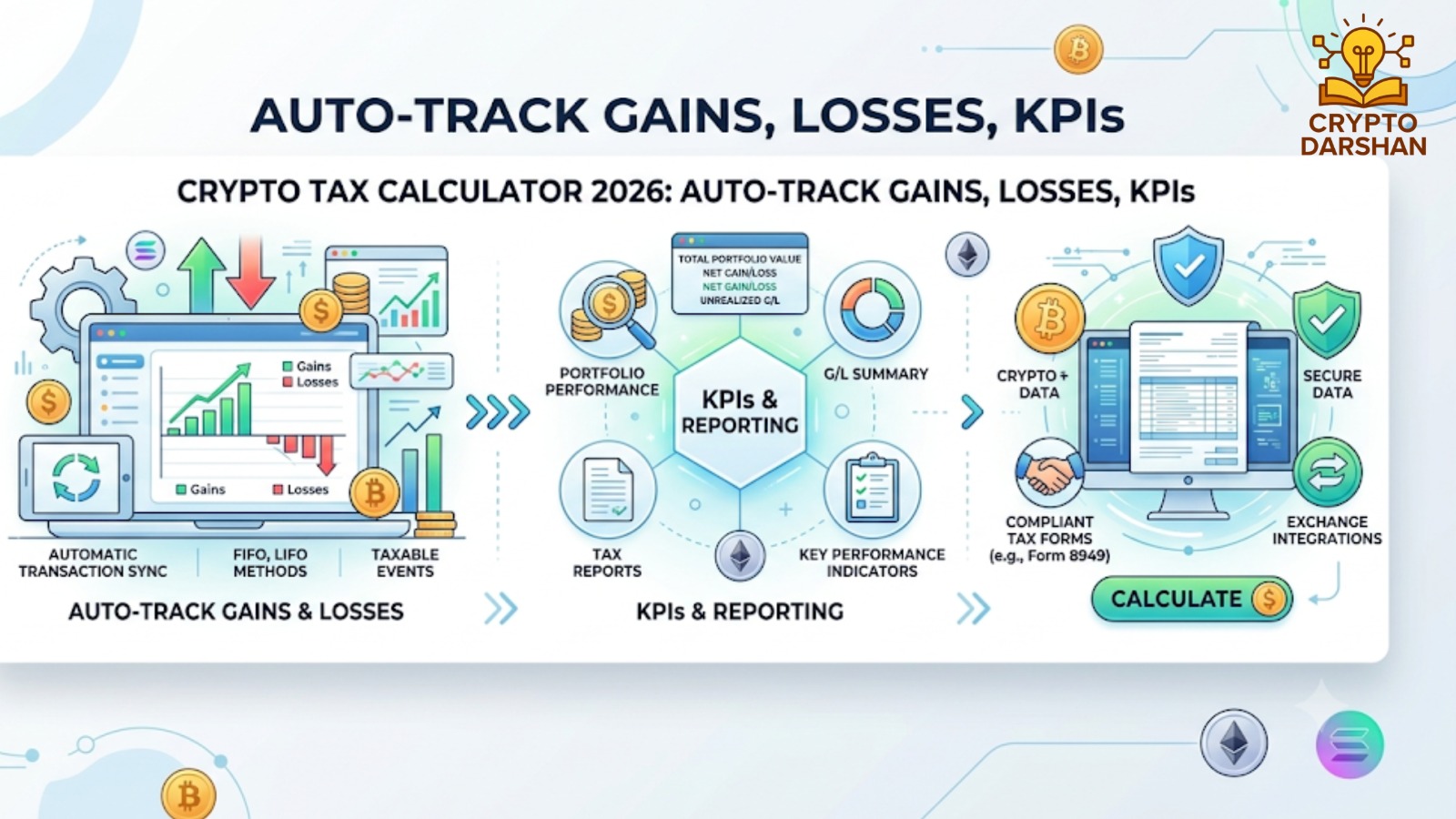
Cryptocurrency tax software helps in calculating crypto tax and ensuring compliance with complex rules. Every trade, swap, or conversion can trigger capital gains or losses. Manually tracking these transactions across multiple wallets and exchanges is nearly impossible. Crypto Tax Software automates this process by importing transaction data, calculating gains and losses, and generating tax reports that comply with local laws.
In 2026, tax authorities worldwide have enhanced their monitoring capabilities. Governments now require exchanges to share user data, making accurate reporting more critical than ever. These platforms ensure compliance, reduce errors, and save time by automating calculations that would otherwise take hours or days.
Key Features to Look for in Crypto Tax Software

When selecting the best Crypto Tax Software, several features determine its effectiveness and reliability:
1. Multi-Exchange Integration
The ideal Crypto Tax Software should connect seamlessly with major exchanges like Binance, Coinbase, Kraken, and decentralized platforms. Integration ensures that all transactions are automatically imported, reducing manual entry errors.
2. Wallet Compatibility
Support for hardware and software wallets such as Ledger, Trezor, and MetaMask is essential. The best platforms synchronize wallet data to track transfers, staking rewards, and DeFi activities.
3. Real-Time Portfolio Tracking
Modern Crypto Tax Software provides real-time portfolio tracking, showing users their holdings, unrealized gains, and performance metrics. This feature helps investors make informed decisions throughout the year.
4. Automated Tax Calculations
Accurate tax calculation is the core function of any Crypto Tax Software. It should automatically apply the correct cost basis methods (FIFO, LIFO, HIFO) and calculate short-term and long-term gains. Tax calculations become even more complex for active traders using leveraged products and perpetual contracts. Accurate transaction categorization is essential to avoid reporting errors. Learn more in our Crypto Futures Trading: Advanced Perpetual Contracts guide to understand the trading activities that modern tax software must track effectively.
5. Global Tax Compliance
With crypto adoption spreading globally, Crypto Tax Software must support multiple jurisdictions. The best tools adapt to local tax laws, ensuring compliance whether users are in the US, UK, Canada, Australia, or the EU.
6. DeFi and NFT Support
In 2026, decentralized finance and NFTs are integral parts of the crypto ecosystem. Advanced tax platforms include modules for tracking yield farming, staking, liquidity pools, and NFT transactions.
7. Security and Privacy
Given the sensitivity of financial data, Crypto Tax Software must prioritize encryption, two-factor authentication, and secure cloud storage. Privacy-focused users may prefer software that allows local data storage.
8. Audit-Ready Reports
The best tax solutions generate detailed, audit-ready reports that can be shared directly with accountants or tax authorities. These reports include transaction summaries, income statements, and capital gains breakdowns.
Top Crypto Tax Software Tools for 2026

1. Koinly
Koinly remains one of the most popular Crypto Tax Software platforms in 2026. It supports over 700 exchanges and wallets, making it ideal for active traders. Koinly’s intuitive dashboard provides real-time portfolio insights, while its tax reports comply with global standards. The platform’s DeFi and NFT tracking capabilities make it a top choice for advanced users.
Key Features:
- Automatic import from exchanges and wallets
- Real-time profit and loss tracking
- Support for DeFi, staking, and NFTs
- Multi-country tax compliance
Best For: Global investors and DeFi users seeking comprehensive automation.
2. CoinTracker
CoinTracker continues to dominate the Crypto Tax Software market with its seamless integration with major exchanges and wallets. It offers a clean interface and real-time portfolio analytics. CoinTracker’s partnership with tax filing services like TurboTax simplifies the filing process.
Key Features:
- Integration with 500+ exchanges
- Real-time portfolio tracking
- TurboTax compatibility
- Multi-currency support
Best For: Retail investors and casual traders who want simplicity and accuracy.
3. TokenTax
TokenTax is a premium Crypto Tax Software solution designed for professional traders and businesses. It offers advanced analytics, CPA support, and custom reporting. TokenTax’s ability to handle complex transactions, including margin trading and derivatives, sets it apart.
Key Features:
- CPA-assisted tax filing
- Support for complex trading strategies
- Detailed audit reports
- Global tax compliance
Best For: Professional traders and businesses with complex portfolios.
4. ZenLedger

ZenLedger is a user-friendly platform that simplifies tax reporting for both beginners and experts. It integrates with major exchanges and wallets, offering detailed tax-loss harvesting tools. ZenLedger’s partnership with TurboTax ensures smooth filing.
Key Features:
- Tax-loss harvesting optimization
- Integration with TurboTax
- NFT and DeFi tracking
- CPA-ready reports
Best For: Investors seeking tax optimization and easy filing.
5. Accointing
Accointing combines portfolio tracking with tax reporting, making it a versatile Crypto Tax Software. Its mobile app allows users to monitor their portfolios on the go. Accointing’s visual analytics help users understand their trading behavior and tax implications.
Key Features:
- Mobile app for portfolio tracking
- Visual analytics dashboard
- Multi-country tax support
- DeFi and NFT compatibility
Best For: Mobile users and investors who value visual insights.
6. CoinLedger
CoinLedger (formerly CryptoTrader.Tax) is a fast-growing Crypto Tax Software known for its simplicity and affordability. It supports automatic data import and generates IRS-compliant tax forms. CoinLedger’s educational resources make it ideal for beginners.
Key Features:
- Simple interface
- IRS-compliant reports
- Integration with major exchanges
- Affordable pricing
Best For: Beginners and small investors.
7. TaxBit
TaxBit is a government-approved Crypto Tax Software used by both individuals and enterprises. It offers enterprise-grade compliance tools and integrates with major exchanges. TaxBit’s institutional partnerships make it a trusted choice for large-scale operations.
Key Features:
- Enterprise-level compliance
- Automated reporting
- Integration with major exchanges
- Real-time analytics
Best For: Enterprises and institutional investors.
8. BearTax

BearTax offers a straightforward approach to crypto tax reporting. This Crypto Tax Software supports multiple exchanges and provides detailed gain/loss summaries. Its transparent pricing and easy-to-use interface make it accessible to all users.
Key Features:
- Multi-exchange integration
- Simple user interface
- Transparent pricing
- Exportable tax reports
Best For: Individual investors seeking simplicity. Effective tax reporting begins with proper asset management and transaction tracking. Investors using multiple wallets and custodial services can benefit from understanding secure storage practices. Read our Crypto Custody Solutions: Institutional Fireblocks vs. Self-Custody guide to learn how custody choices can impact portfolio management and record-keeping.
9. Coinpanda
Coinpanda is a global Crypto Tax Software supporting over 65 countries. It offers automatic data synchronization and detailed tax reports. Coinpanda’s DeFi and NFT tracking features make it suitable for modern crypto investors.
Key Features:
- Global tax compliance
- DeFi and NFT tracking
- Real-time portfolio updates
- Multi-wallet integration
Best For: International investors and NFT traders.
10. CryptoTaxCalculator
CryptoTaxCalculator is a powerful Crypto Tax Software designed for accuracy and transparency. It supports complex DeFi transactions and provides detailed breakdowns of each taxable event. Its user-friendly interface makes it suitable for both beginners and professionals.
Key Features:
- Detailed transaction analysis
- DeFi and staking support
- Multi-country compliance
- Easy export to tax filing software
Best For: Users needing detailed transaction-level insights.
How Crypto Tax Software Simplifies Tax Reporting

1. Automated Data Import
Crypto Tax Software eliminates manual data entry by automatically importing transactions from exchanges and wallets. This ensures accuracy and saves time.
2. Real-Time Calculations
The software continuously updates gains and losses, allowing users to track their tax liabilities throughout the year.
3. Error Reduction
Manual calculations often lead to mistakes. Crypto Tax Software minimizes errors by using verified algorithms and standardized tax rules.
4. Compliance Assurance
With evolving tax regulations, modern tax tools ensure compliance by updating their systems according to the latest laws.
5. Time and Cost Efficiency
Automating tax reporting reduces the need for expensive accounting services, making these solutions cost-effective.
The Role of AI and Automation in Crypto Tax Software 2026

Artificial intelligence plays a major role in modern Crypto Tax Software. AI algorithms analyze transaction patterns, detect anomalies, and suggest tax-saving strategies. Automation ensures that users receive real-time updates on their tax positions, helping them make proactive decisions.
Machine learning models in Crypto Tax Software can predict potential tax liabilities and recommend portfolio adjustments. This predictive capability transforms tax reporting from a reactive process into a strategic advantage.
Security and Privacy in Crypto Tax Software
Security is a top priority for any Crypto Tax Software. In 2026, most platforms use end-to-end encryption, two-factor authentication, and secure cloud storage. Some privacy-focused tools allow users to store data locally, ensuring full control over sensitive information.
Reputable providers undergo regular security audits and comply with data protection regulations such as GDPR. Users should always verify a platform’s security credentials before connecting their wallets or exchanges.
As cyber threats targeting crypto users continue to evolve, protecting financial records and wallet connections is becoming increasingly important. Understanding how ransomware attacks operate can help investors strengthen their overall security posture. Explore our Crypto Ransomware Attack: Pay the Hackers or Fight Back? guide to learn more about modern crypto-related cybersecurity risks.
Comparing Free vs. Paid Crypto Tax Software

Free Crypto Tax Software versions are suitable for beginners with limited transactions. They offer basic features like transaction import and simple tax reports. However, paid versions provide advanced analytics, DeFi support, and multi-country compliance.
Professional traders and businesses benefit from premium solutions due to their scalability, accuracy, and dedicated support. The investment in paid software often results in significant time savings and reduced audit risks.
Common Mistakes to Avoid When Using Crypto Tax Software
- Ignoring Small Transactions: Even minor trades can impact tax calculations.
- Not Syncing All Wallets: Missing wallets lead to incomplete data.
- Incorrect Cost Basis Selection: Choosing the wrong method affects accuracy.
- Overlooking DeFi and NFT Transactions: These are taxable and must be reported.
- Failing to Update Software: Outdated Crypto Tax Software may not comply with new regulations.
Avoiding these mistakes ensures accurate reporting and compliance with tax authorities.
The Future of Crypto Tax Software

By 2026, Crypto Tax Software has evolved into a comprehensive financial management tool. Future developments will likely include deeper integration with decentralized finance, AI-driven tax optimization, and real-time compliance monitoring.
Blockchain-based verification systems may soon allow these platforms to validate transactions directly on-chain, enhancing transparency and trust. As governments adopt digital tax systems, seamless integration between Crypto Tax Software and official tax portals will become standard.
Choosing the Right Crypto Tax Software
Selecting the best Crypto Tax Software depends on individual needs:
- Casual Traders: Prefer simple, affordable tools like CoinLedger or BearTax.
- Active Traders: Benefit from advanced analytics in Koinly or TokenTax.
- DeFi Users: Require platforms with DeFi and NFT support like Coinpanda or CryptoTaxCalculator.
- Businesses: Need enterprise-grade solutions like TaxBit or TokenTax.
Evaluating features, pricing, and compliance support helps identify the most suitable platform for each user.
Advanced Tax Strategies Using Crypto Tax Software

1. Tax-Loss Harvesting
Crypto Tax Software can identify underperforming assets and suggest selling them to offset capital gains. This strategy reduces overall tax liability and optimizes portfolio performance.
2. Holding Period Optimization
By tracking holding periods, Crypto Tax Software helps users distinguish between short-term and long-term gains, which are taxed differently. Strategic holding can significantly reduce tax rates.
3. Staking and Yield Income Tracking
Staking rewards and yield farming returns are taxable as income. Automated systems record these earnings, ensuring accurate reporting and compliance.
4. Cross-Border Tax Planning
For global investors, Crypto Tax Software supports multiple jurisdictions, helping users manage taxes across countries and avoid double taxation.
5. Integration with Accounting Systems
Businesses can integrate tax reporting tools with accounting software like QuickBooks or Xero, streamlining financial management and reporting.
Regulatory Trends Impacting Crypto Tax Software in 2026
Governments worldwide are tightening crypto regulations. The OECD’s Crypto-Asset Reporting Framework (CARF) and the EU’s MiCA regulations require exchanges to share user data. Crypto Tax Software must adapt to these frameworks to ensure compliance.
In the United States, the IRS now mandates detailed reporting of digital asset transactions. Crypto Tax Software automates this process, generating IRS Form 8949 and Schedule D reports. In the UK, HMRC requires similar documentation, which top software platforms now support.
As more countries adopt digital tax systems, specialized software will play a central role in bridging the gap between decentralized finance and government oversight.
The Impact of DeFi and NFTs on Crypto Tax Software

DeFi and NFTs have introduced new complexities in crypto taxation. Yield farming, liquidity mining, and NFT trading generate multiple taxable events. Crypto Tax Software now includes specialized modules to handle these transactions.
For example, when users provide liquidity to a pool, they receive LP tokens representing their share. Tax tracking software monitors these tokens, calculates gains, and records income from rewards. Similarly, NFT creators and traders can use the software to track royalties, sales, and transfers.
By 2026, tax reporting platforms have evolved to handle these advanced use cases, ensuring that even the most complex DeFi and NFT activities are accurately reported.
How Businesses Benefit from Crypto Tax Software
Businesses accepting cryptocurrency payments face unique tax challenges. Automated accounting software simplifies bookkeeping by automatically converting crypto transactions into fiat values at the time of receipt. It also tracks expenses, payroll, and capital gains from treasury holdings.
Enterprises using Crypto Tax Software gain access to advanced compliance tools, audit trails, and integration with enterprise resource planning (ERP) systems. This ensures transparency and simplifies financial audits.
The Role of Education and Support in Crypto Tax Software

Leading Crypto Tax Software providers offer extensive educational resources, including tutorials, webinars, and community forums. These resources help users understand crypto taxation and maximize the software’s potential.
Customer support is another critical factor. Premium Crypto Tax Software platforms provide live chat, email, and CPA consultation services, ensuring users receive timely assistance during tax season.
Continuous learning is essential in the rapidly evolving digital asset industry. Investors who stay informed about major market trends and on-chain developments are better equipped to manage their portfolios and tax obligations. Explore Bitcoin Supply Shock: Are Exchanges Running Out of BTC? for insights into one of the most closely watched trends in the crypto market.
Environmental and Ethical Considerations
As sustainability becomes a global priority, Crypto Tax Software developers are adopting eco-friendly practices. Cloud-based systems now use energy-efficient servers, and some companies offset their carbon footprint through green initiatives.
Ethical considerations also extend to data privacy. Responsible Crypto Tax Software providers ensure that user data is never sold or shared without consent, maintaining transparency and trust.
Crypto Tax Software 2026: Best Tools for 2026 – FAQ

1. What is crypto tax software?
Crypto tax software automatically tracks cryptocurrency transactions, calculates gains and losses, identifies taxable events, and generates tax reports required by local tax authorities. It helps investors avoid manual calculations and reduce filing errors.
2. Why do I need crypto tax software in 2026?
Crypto portfolios often span multiple exchanges, wallets, blockchains, DeFi protocols, and NFT platforms. Tax software consolidates this data and simplifies compliance as regulations continue to evolve globally.
3. Which crypto tax software is considered the best overall in 2026?
Many industry comparisons rank Koinly as the best overall option due to its balance of affordability, exchange support, DeFi compatibility, and international tax reporting features.
4. What are the top crypto tax software options in 2026?
Popular choices include:
- Koinly
- CoinTracker
- CoinLedger
- TokenTax
- CryptoTaxCalculator (now Summ)
- ZenLedger
- CoinTracking
- Coinpanda
- Blockpit
5. Which software is best for beginners?
CoinLedger and Koinly are often recommended for beginners because of their intuitive interfaces, straightforward setup process, and clear tax reporting tools.
6. Which tool is best for active traders?
CoinLedger and CoinTracking are strong choices for traders who execute large numbers of transactions and require advanced reporting capabilities.
7. Which software handles DeFi transactions best?
TokenTax and CryptoTaxCalculator (Summ) are frequently praised for handling complex DeFi activities such as liquidity pools, staking rewards, bridges, and cross-chain transactions.
8. Is there free crypto tax software available?
Yes. Several platforms offer free plans or free transaction limits, including:
- Koinly
- CoinTracker
- CoinLedger
- CoinTracking
- TaxBit
- Coinpanda
Conclusion
As cryptocurrency adoption continues to grow, managing taxes efficiently has become a necessity. Crypto Tax Software in 2026 offers advanced automation, global compliance, and AI-driven insights that simplify the complex world of crypto taxation. Whether for individual investors or large enterprises, these tools ensure accuracy, transparency, and peace of mind.
Choosing the right Crypto Tax Software depends on trading volume, complexity, and jurisdiction. With the right platform, users can focus on growing their portfolios while staying fully compliant with tax regulations. The future of crypto taxation is digital, automated, and intelligent—powered by the next generation of Crypto Tax Software.