The rise of decentralized finance (DeFi) has changed how people interact with money. Instead of relying on banks or brokers, users can now lend, borrow, trade, and earn interest directly through blockchain-based platforms. This new financial system offers freedom and transparency but also introduces new risks. Smart contract bugs, hacks, and market crashes can cause major losses. To reduce these risks, Crypto Insurance Protocols have become an essential part of the DeFi ecosystem.
Crypto Insurance Protocols are decentralized systems that protect users from losses caused by technical failures, hacks, or other unexpected events. They work like traditional insurance but are powered by blockchain technology and smart contracts. These protocols give users peace of mind by ensuring that their investments are protected even in the event of a disaster. This article explains how Crypto Insurance Protocols work, why they are important, and how they can help protect DeFi positions.
Understanding DeFi and Its Risks
What Is DeFi?
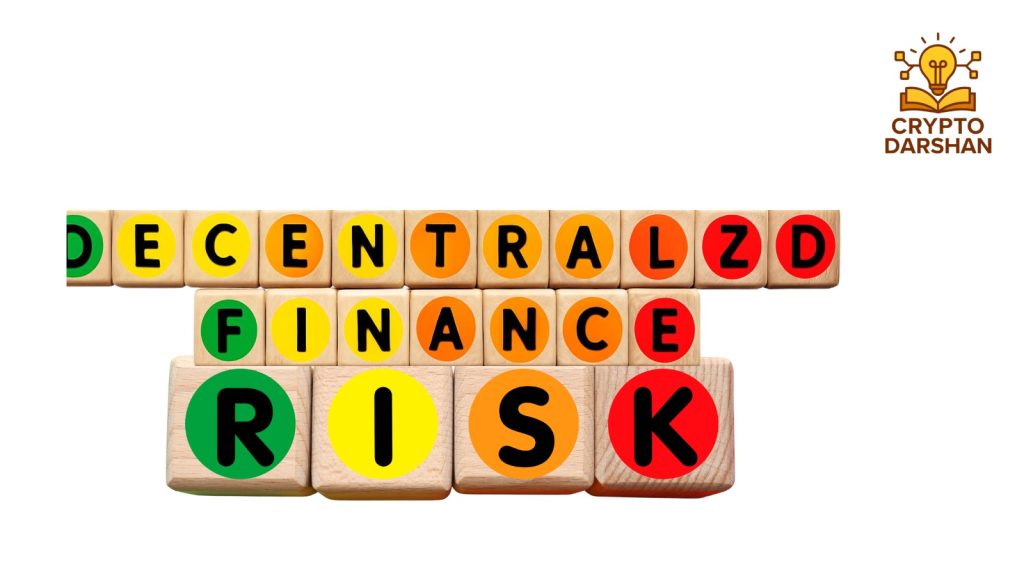
Decentralized finance, or DeFi, is a financial system built on blockchain networks like Ethereum. It allows users to perform financial activities such as lending, borrowing, trading, and earning interest without intermediaries. DeFi platforms use smart contracts—self-executing programs that automatically enforce agreements between users.
Popular DeFi platforms include Aave, Compound, Uniswap, and MakerDAO. These platforms allow users to earn yields, provide liquidity, and access loans using cryptocurrencies as collateral. However, because DeFi operates without centralized control, it is vulnerable to technical and security risks.
Common Risks in DeFi
- Smart Contract Bugs
Smart contracts are pieces of code that manage DeFi transactions. If there is a bug or vulnerability, hackers can exploit it to steal funds. Once stolen, funds are almost impossible to recover. - Oracle Manipulation
Oracles provide external data, such as asset prices, to smart contracts. If an oracle is compromised, attackers can manipulate prices and cause false liquidations or profit from price differences. - Rug Pulls and Exit Scams
Some DeFi projects are created by anonymous developers who suddenly withdraw all liquidity and disappear. This type of fraud is known as a rug pull. - Liquidity Risks
DeFi platforms rely on liquidity pools. If liquidity providers withdraw their funds suddenly, users may face slippage or be unable to trade. - Governance Attacks
Many DeFi platforms use governance tokens for decision-making. Attackers who gain enough tokens can manipulate votes to change rules for personal gain. - Market Volatility
Cryptocurrency prices can change rapidly. A sudden drop can cause collateralized loans to be liquidated, leading to losses.
These risks make it clear why Crypto Insurance Protocols are necessary to protect DeFi users. Before taking on leverage, understand the risks in our guide on DeFi lending platforms and liquidation strategies.
What Are Crypto Insurance Protocols?
Cryptocurrency insurance is a specialized form of protection designed to cover digital assets against theft, hacking, fraud, and operational failures that are unique to the blockchain ecosystem. And Crypto Insurance Protocols are decentralized platforms that provide coverage for losses in the DeFi ecosystem. They use blockchain technology and smart contracts to automate the process of buying, managing, and claiming insurance. Instead of relying on traditional insurance companies, these protocols are governed by decentralized communities.
How Crypto Insurance Protocols Work
- Risk Pooling
Users contribute funds to a shared pool that acts as the insurance reserve. When a covered event occurs, claims are paid out from this pool. - Premium Payments
Policyholders pay premiums in cryptocurrency to receive coverage. The premium amount depends on the risk level of the protocol or asset being insured. - Claims Assessment
When a loss occurs, users submit claims. The protocol’s governance system or decentralized oracle network verifies the claim’s validity before approving payouts. - Payouts
Once approved, payouts are automatically executed through smart contracts, ensuring transparency and eliminating manual intervention. - Governance and Voting
Token holders often participate in governance by voting on claims, coverage terms, and protocol upgrades.
Benefits of Crypto Insurance Protocols
- Decentralization: No central authority controls the process.
- Transparency: All transactions and claims are recorded on the blockchain.
- Automation: Smart contracts handle claims and payouts efficiently.
- Accessibility: Anyone can participate as an insurer or policyholder.
- Community Governance: Users collectively decide on claims and improvements.
Types of Coverage in Crypto Insurance Protocols

Crypto Insurance Protocols offer different types of coverage to protect users from various risks. The most common include:
1. Smart Contract Failure
This coverage protects users from losses caused by bugs or exploits in smart contracts. For example, if a DeFi lending platform is hacked due to a coding error, insured users can claim compensation.
2. Exchange Hacks
Crypto Insurance Protocols can cover losses from centralized or decentralized exchange hacks. This is especially useful for traders who keep assets on exchanges.
3. Stablecoin Depegging
Stablecoins are designed to maintain a fixed value, usually $1. If a stablecoin loses its peg due to market instability or mismanagement, insurance can cover the loss.
4. Custodian Risk
This coverage protects users from losses caused by third-party custodians or wallet providers failing to secure funds.
5. Yield Protocol Failures
Users who participate in yield farming or liquidity mining can be protected from losses caused by protocol malfunctions or exploits.
6. Rug Pulls and Fraud
Some Crypto Insurance Protocols offer coverage against fraudulent projects or rug pulls, though verifying such claims can be challenging.
Leading Crypto Insurance Protocols

Several Crypto Insurance Protocols have emerged to protect DeFi users. Each has unique features, governance models, and coverage options.
1. Nexus Mutual
Nexus Mutual is one of the first and most established Crypto Insurance Protocols. It operates as a decentralized mutual where members share risk collectively.
- Coverage: Smart contract failures, exchange hacks, and custodian risks.
- Mechanism: Members buy coverage using NXM tokens and vote on claims.
- Governance: Token holders decide on claims and protocol upgrades.
- Strengths: Transparent governance and strong community participation.
- Weaknesses: Limited coverage options and complex claim processes.
2. InsurAce
InsurAce is a multi-chain insurance protocol that provides coverage across Ethereum, BNB Chain, and Polygon.
- Coverage: Smart contract risks, stablecoin depegging, and exchange hacks.
- Mechanism: Users stake tokens to provide liquidity and earn rewards.
- Governance: Managed by INSUR token holders.
- Strengths: Multi-chain support and diversified coverage.
- Weaknesses: Complex interface for beginners.
3. Bridge Mutual
Bridge Mutual focuses on decentralized coverage for stablecoins, exchanges, and smart contracts.
- Coverage: Stablecoin depegging, smart contract exploits, and exchange hacks.
- Mechanism: Liquidity providers earn yields by underwriting policies.
- Governance: BMI token holders vote on claims and updates.
- Strengths: Transparent claim voting and flexible coverage.
- Weaknesses: Limited liquidity in smaller pools.
4. Unslashed Finance
Unslashed Finance provides real-time coverage for DeFi users and institutional investors.
- Coverage: Smart contract hacks, exchange failures, and oracle issues.
- Mechanism: Uses risk tranching to balance exposure across multiple pools.
- Governance: Managed by USF token holders.
- Strengths: Efficient capital use and diversified risk pools.
- Weaknesses: Still developing broader coverage options.
5. Etherisc
Etherisc is a decentralized insurance protocol that allows anyone to create and sell insurance products.
- Coverage: Customizable, including flight delays, crop insurance, and crypto risks.
- Mechanism: Uses smart contracts to automate policy creation and payouts.
- Governance: Community-driven through DIP tokens.
- Strengths: Flexible and open-source framework.
- Weaknesses: Requires technical knowledge to create policies.
6. Armor.fi
Armor.fi acts as a DeFi insurance aggregator, offering flexible coverage options from multiple providers.
- Coverage: Smart contract risks across various DeFi protocols.
- Mechanism: Users pay premiums dynamically based on usage.
- Governance: Managed by ARMOR token holders.
- Strengths: Easy to use and integrates with multiple protocols.
- Weaknesses: Dependent on third-party insurance providers.
How to Choose the Right Crypto Insurance Protocol

Choosing the right Crypto Insurance Protocol depends on several factors:
1. Coverage Type
Identify which risks you want to protect against—smart contract bugs, exchange hacks, or stablecoin depegging. Choose a protocol that offers coverage for those specific risks.
2. Reputation and Security
Research the protocol’s history, audits, and community feedback. Established platforms like Nexus Mutual and InsurAce have proven track records.
3. Premium Costs
Compare premium rates across different protocols. Some charge fixed rates, while others use dynamic pricing based on demand and risk levels.
4. Claim Process
Check how claims are verified and approved. Transparent, community-driven claim systems are more reliable than centralized ones.
5. Liquidity and Payout Capacity
Ensure the protocol has enough liquidity to cover potential claims. Low liquidity can delay or reduce payouts.
6. Ease of Use
User-friendly interfaces and clear documentation make managing coverage easier, especially for beginners.
Governance in Crypto Insurance Protocols

Governance is a key feature of Crypto Insurance Protocols. Token holders participate in decision-making processes, including:
- Approving or rejecting claims.
- Adjusting premium rates.
- Adding new coverage types.
- Managing liquidity pools.
- Upgrading protocol features.
This democratic approach ensures transparency and community involvement. However, it also introduces challenges, such as potential bias in claim voting or low participation rates.
How Claims Are Processed
The claim process in Crypto Insurance Protocols typically follows these steps:
- Claim Submission
The policyholder submits a claim through the protocol’s interface, providing details of the incident and proof of loss. - Verification
The protocol verifies the claim using on-chain data, oracles, or community voting. - Voting or Oracle Decision
Token holders or automated systems decide whether the claim is valid. - Payout Execution
If approved, the payout is automatically sent to the claimant’s wallet via smart contract.
This process ensures fairness and transparency, though it can vary depending on the protocol’s design.
Benefits of Crypto Insurance Protocols

- Risk Mitigation
Protects against losses from hacks, bugs, and other unforeseen events. - Investor Confidence
Encourages more users to participate in DeFi by reducing perceived risks. - Decentralized Governance
Users have a say in how the protocol operates and evolves. - Transparency
All transactions and claims are recorded on the blockchain for public verification. - Passive Income Opportunities
Liquidity providers earn rewards by underwriting insurance policies. - Innovation and Flexibility
New coverage types can be created to address emerging risks in the crypto space.
Challenges Facing Crypto Insurance Protocols

Despite their potential, Crypto Insurance Protocols face several challenges:
1. Limited Coverage Options
Most protocols focus on smart contract risks, leaving other areas like regulatory risks or market crashes uncovered.
2. Complex Claim Processes
Community voting can delay payouts and introduce bias.
3. Liquidity Constraints
Low liquidity in insurance pools can limit payout capacity during large-scale incidents.
4. Regulatory Uncertainty
The legal status of decentralized insurance remains unclear in many jurisdictions.
5. User Education
Many DeFi users are unaware of insurance options or find them too complex to use.
The Future of Crypto Insurance Protocols

The future of Crypto Insurance Protocols looks promising as DeFi continues to grow. Several trends are shaping the next generation of decentralized insurance:
1. Integration with DeFi Platforms
Insurance could become a built-in feature of DeFi protocols, automatically covering users’ positions.
2. AI and Data Analytics
Artificial intelligence could assess risks more accurately and automate claim verification.
3. Cross-Chain Coverage
As DeFi expands across multiple blockchains, insurance protocols will offer multi-chain protection.
4. Regulatory Clarity
Clear regulations will attract institutional investors and improve trust in decentralized insurance.
5. Hybrid Models
Combining decentralized protocols with traditional insurers could create more robust and compliant solutions.
How to Get Started with Crypto Insurance Protocols

- Research Protocols
Compare platforms like Nexus Mutual, InsurAce, and Bridge Mutual. - Assess Your Risks
Identify which DeFi platforms you use and what risks they carry. - Buy Coverage
Purchase insurance for specific protocols or assets through the chosen platform. - Monitor Policies
Keep track of coverage periods, premium payments, and claim conditions. - Stay Updated
Follow protocol updates and governance proposals to stay informed.
Real-World Examples of Crypto Insurance Protocols in Action

Example 1: Nexus Mutual and the Yearn Finance Hack
In 2021, Yearn Finance suffered an $11 million exploit. Nexus Mutual policyholders who had coverage for Yearn’s smart contracts received compensation, proving the effectiveness of decentralized insurance.
Example 2: InsurAce and Stablecoin Depegging
During market instability, InsurAce provided coverage for users holding UST stablecoins. Although the event was complex, it highlighted the growing need for stablecoin insurance.
Since many policies cover stablecoin risks, it’s worth understanding how crypto payments and stablecoins actually work.
Example 3: Bridge Mutual’s Community Voting
Bridge Mutual’s decentralized voting system allowed users to decide on claims transparently, showing how community governance can replace traditional insurance adjusters.
Best Practices for Protecting DeFi Positions

1. Diversify Investments
Don’t put all your money into one DeFi protocol or cryptocurrency. Spread your funds across multiple platforms and assets. If one protocol gets hacked or fails, you won’t lose everything. Think of it like not putting all your eggs in one basket. Diversification reduces your overall risk exposure.
2. Use Audited Platforms
Only invest in DeFi protocols that have been audited by reputable security firms like CertiK, Trail of Bits, or OpenZeppelin. Audits check the smart contract code for bugs and vulnerabilities. While audits don’t guarantee safety, they significantly reduce the risk of exploits. Always check if a platform has recent audit reports before depositing funds.
3. Enable Insurance Coverage
Purchase coverage from Crypto Insurance Protocols like Nexus Mutual or InsurAce for your high-value positions. Insurance protects you from smart contract failures, hacks, and other technical issues. The premium cost is small compared to potential losses. Always insure positions that represent a significant portion of your portfolio.
4. Stay Informed
Follow DeFi news, security alerts, and protocol updates regularly. Join community channels like Discord, Telegram, or Twitter to get real-time information. Being aware of potential risks, exploits, or vulnerabilities helps you react quickly. Set up alerts for the protocols you use so you can withdraw funds if problems arise. While insurance protects your downside, AI-based price predictions can help you anticipate market trends.
5. Use Hardware Wallets
Store your crypto assets in hardware wallets like Ledger or Trezor instead of keeping them on exchanges or in hot wallets. Hardware wallets keep your private keys offline, protecting them from hackers. Only connect your hardware wallet when you need to make transactions, then disconnect it immediately.
6. Participate in Governance
Get involved in the governance of both DeFi protocols and insurance platforms you use. Vote on proposals, participate in discussions, and stay updated on protocol changes. Active participation helps you understand risks better and influence decisions that affect your investments. Governance tokens often provide voting rights on important security and operational matters.
7. Start Small and Test
Before committing large amounts, test new DeFi protocols with small deposits. This allows you to understand how the platform works and verify that deposits and withdrawals function correctly. Once you’re comfortable and confident, you can gradually increase your position.
For another layer of transaction security, check out how crypto escrow services protect high-value deals.
Frequently Asked Questions

1. What are crypto insurance protocols?
Crypto insurance protocols are decentralized platforms that protect users against risks like smart contract failures, hacks, or stablecoin depegging in DeFi.
2. Why do you need insurance in DeFi?
DeFi platforms operate without intermediaries, so if funds are lost due to bugs or exploits, there’s usually no refund. Insurance helps reduce this risk.
3. What risks do crypto insurance protocols cover?
They typically cover:
- Smart contract vulnerabilities
- Exchange or protocol hacks
- Stablecoin depegging
- Oracle failures
4. Is crypto insurance expensive?
Costs vary based on risk level, coverage amount, and platform, but high-risk protocols usually have higher premiums.
5. What are the limitations of crypto insurance?
Limitations include limited coverage options, claim denial risks, smart contract dependency, and evolving regulatory frameworks.
6. Are DeFi insurance policies legally binding?
Most are governed by smart contracts rather than traditional legal systems, so terms depend on code and community governance.
7. Can I insure my funds on any DeFi platform?
Not always. Coverage depends on whether the protocol is supported by the insurance provider.
Conclusion
Crypto Insurance Protocols are becoming essential tools for protecting DeFi investors from the growing risks of decentralized finance. By combining blockchain transparency, smart contract automation, and community governance, these protocols offer a new way to manage risk in the digital economy. As DeFi continues to expand, insurance will play a critical role in building trust, attracting institutional investors, and ensuring long-term stability.
The future of Crypto Insurance Protocols lies in innovation, collaboration, and education. With better coverage options, improved claim processes, and integration across multiple blockchains, decentralized insurance will become a cornerstone of the DeFi ecosystem, protecting users and strengthening the foundation of the financial systems of tomorrow.