The world of digital finance is evolving rapidly, and Crypto Debit Cards are at the forefront of this transformation. These innovative financial tools bridge the gap between traditional banking and cryptocurrency, allowing users to spend their digital assets as easily as cash. As Bitcoin, Ethereum, and other cryptocurrencies gain mainstream acceptance, these payment solutions have become essential for anyone looking to integrate crypto into everyday life. This guide explores how Crypto Debit Cards work, their benefits, top providers, security features, and how they are reshaping global finance.
What Are Crypto Debit Cards?

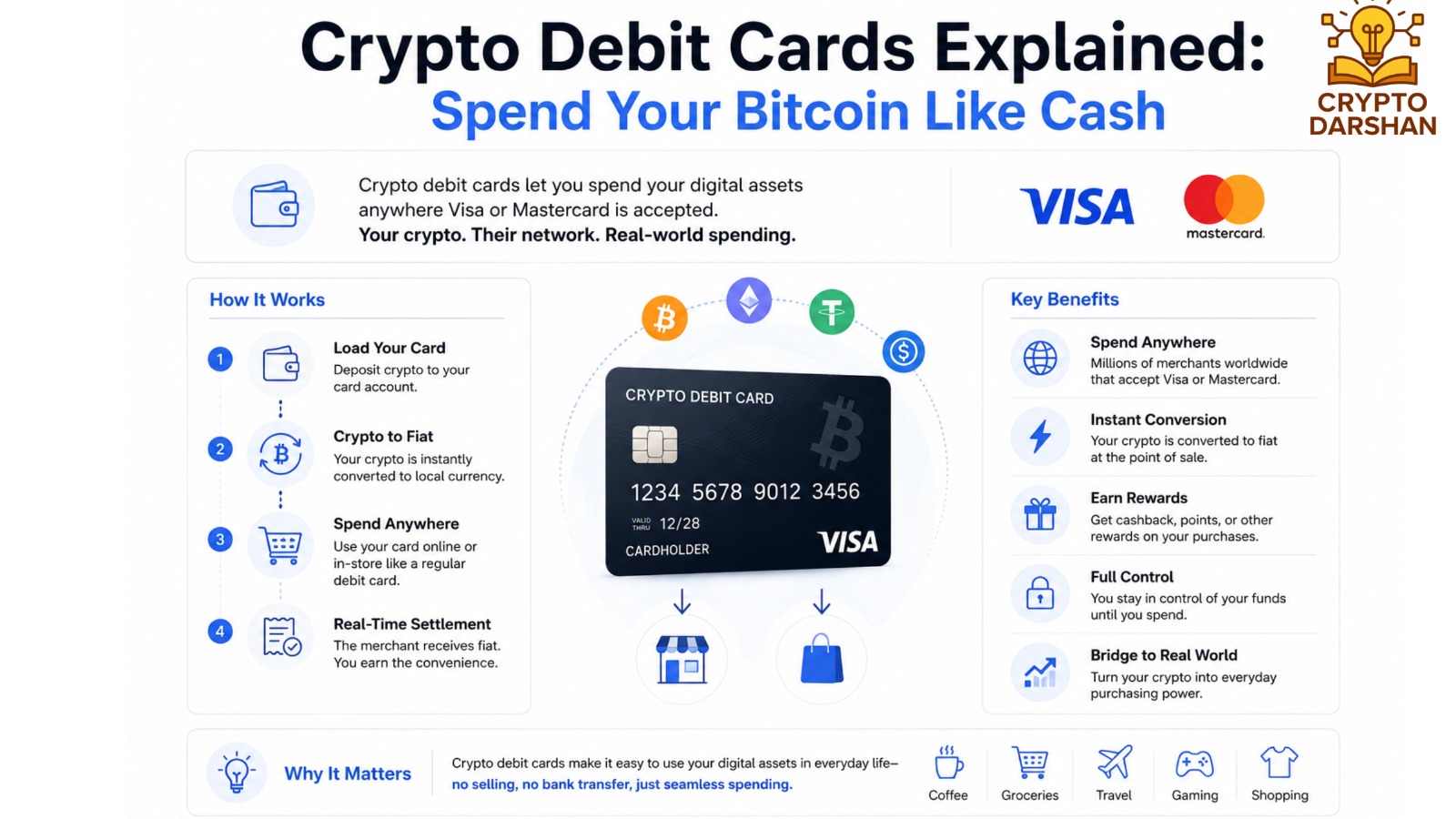
A crypto debit card is a payment card that lets users spend cryptocurrencies like Bitcoin (BTC) or Ether (ETH) directly from their wallets. They function similarly to traditional debit cards but are linked to a crypto wallet instead of a bank account. When a purchase is made, the card provider converts the required amount of cryptocurrency into fiat currency in real time, enabling seamless transactions at millions of merchants worldwide.
These cards are issued by financial institutions or fintech companies that partner with major payment networks such as Visa or Mastercard. This partnership ensures that these cards are accepted globally, both online and in physical stores.
How Crypto Debit Cards Work

The operation of Crypto Debit Cards involves several key steps:
Funding the Card
Users load their card by transferring cryptocurrency from their wallet to the card provider’s platform. Supported cryptocurrencies often include Bitcoin, Ethereum, Litecoin, and stablecoins like USDT or USDC.
Conversion Process
When a purchase is made, the provider automatically converts the necessary amount of crypto into fiat currency at the current exchange rate.
Transaction Execution
The converted fiat is then used to complete the transaction through the Visa or Mastercard network, just like a regular debit card.
Balance Management
Users can monitor their spending, check balances, and manage conversions through a mobile app or web dashboard.
This seamless process allows crypto debit cards to function as a bridge between decentralized finance and traditional payment systems. However, before using Bitcoin for everyday purchases, many investors develop a dedicated Bitcoin investment strategy to determine how much BTC to spend versus hold for potential long-term growth.
Benefits of Using Crypto Debit Cards

1. Global Acceptance
Crypto Debit Cards are accepted anywhere Visa or Mastercard is supported, making them ideal for international travelers and online shoppers.
2. Instant Conversion
They offer real-time conversion of crypto to fiat, eliminating the need to manually sell cryptocurrency before spending.
3. Rewards and Cashback
Many Crypto Debit Cards offer cashback rewards in cryptocurrency, allowing users to earn Bitcoin or other tokens with every purchase.
4. Simplified Access to Crypto
For newcomers, these payment solutions provide an easy entry point into the crypto ecosystem without the complexity of trading or managing multiple wallets.
5. Enhanced Financial Freedom
Users can spend their digital assets directly, bypassing traditional banking restrictions and enjoying greater control over their funds.
6. Multi-Currency Support
Most Crypto Debit Cards support multiple cryptocurrencies and fiat currencies, offering flexibility for global users.
Types of Crypto Debit Cards

1. Custodial Crypto Debit Cards
These cards are managed by a provider that holds users’ crypto assets on their behalf. The provider handles conversions and security. Examples include cards from Crypto.com and Binance.
2. Non-Custodial Crypto Debit Cards
These cards allow users to retain control of their private keys. The conversion happens through decentralized mechanisms, offering greater privacy and autonomy.
3. Prepaid Crypto Debit Cards
Users load a specific amount of crypto or fiat onto the card before spending. This type is ideal for budgeting and controlling expenses.
4. Virtual Crypto Debit Cards
These are digital-only cards used for online purchases, offering convenience and enhanced security for e-commerce transactions.
Top Crypto Debit Card Providers

1. Crypto.com Visa Card
One of the most popular Crypto Debit Cards, the Crypto.com Visa Card offers up to 5% cashback in CRO tokens, free Spotify and Netflix subscriptions, and airport lounge access for premium tiers.
2. Binance Visa Card
The Binance Visa Card allows users to spend crypto directly from their Binance wallet. It offers up to 8% cashback and supports multiple cryptocurrencies.
3. Coinbase Card
Issued by Coinbase, this card enables users to spend crypto directly from their Coinbase account. It supports instant conversion and offers rewards in Bitcoin or other assets.
4. BitPay Card
The BitPay Card is a prepaid Crypto Debit Card that supports Bitcoin, Ethereum, and several stablecoins. It offers instant reloads and compatibility with Apple Pay and Google Pay.
5. Wirex Card
Wirex provides a multi-currency Crypto Debit Card that supports both crypto and fiat currencies. It offers up to 2% cashback in WXT tokens and interbank exchange rates.
6. Nexo Card
The Nexo Card allows users to spend without selling their crypto. It uses crypto as collateral for instant fiat loans, preserving potential gains while enabling liquidity.
How to Get a Crypto Debit Card

Choose a Provider
Research and select a reputable provider based on fees, supported currencies, and rewards.
Create an Account
Sign up on the provider’s platform and complete identity verification (KYC).
Deposit Cryptocurrency
Transfer crypto from a wallet or exchange to the card account.
Order the Card
Request a physical or virtual card. Physical cards are mailed, while virtual cards are available instantly.
Activate and Start Spending
Once activated, the card can be used for online and in-store purchases, ATM withdrawals, and bill payments. As the crypto payments ecosystem continues to evolve, users should carefully evaluate provider transparency, security standards, and fee structures before selecting a card. Developing the same research mindset used in crypto whitepaper analysis can help identify trustworthy platforms and avoid unnecessary risks.
Fees and Costs Associated with Crypto Debit Cards

While Crypto Debit Cards offer convenience, users should be aware of potential fees:
- Issuance Fees: Some providers charge a one-time fee for card issuance.
- Transaction Fees: Small fees may apply for each purchase or conversion.
- ATM Withdrawal Fees: Charges for cash withdrawals vary by provider.
- Foreign Exchange Fees: Applicable when spending in a different currency.
- Maintenance Fees: Monthly or annual fees may apply for premium cards.
Comparing fee structures helps users choose the most cost-effective card for their needs.
Security Features of Crypto Debit Cards

Security is a top priority for Crypto Debit Cards. Leading providers implement multiple layers of protection:
- Two-Factor Authentication (2FA): Adds an extra layer of login security.
- Encryption: Protects sensitive data during transactions.
- Instant Card Locking: Allows users to freeze or unfreeze cards instantly.
- Fraud Monitoring: Detects and prevents suspicious activity.
- Cold Storage: Providers often store most crypto assets offline to prevent hacking.
These measures ensure that these cards remain safe and reliable for everyday use.
Spending Crypto Like Cash

Crypto Debit Cards make it possible to use Bitcoin and other cryptocurrencies for everyday purchases. Whether buying groceries, booking flights, or paying for streaming services, users can spend crypto as easily as cash. The automatic conversion process ensures that merchants receive fiat currency, while users enjoy the benefits of crypto ownership.
This functionality is particularly valuable in regions where crypto adoption is growing but direct merchant acceptance remains limited. Crypto Debit Cards effectively bridge this gap, enabling real-world utility for digital assets.
Crypto Debit Cards and Financial Inclusion
In many parts of the world, access to traditional banking remains limited. Crypto Debit Cards offer a solution by providing financial services to the unbanked and underbanked populations. With only a smartphone and internet connection, individuals can store, manage, and spend their crypto assets globally.
This democratization of finance empowers users to participate in the global economy without relying on traditional banks. They thus play a crucial role in promoting financial inclusion and economic independence.
Tax Implications of Using Crypto Debit Cards

Spending crypto through these cards may trigger taxable events, depending on jurisdiction. When crypto is converted to fiat, it is often considered a sale, potentially resulting in capital gains or losses. Users should:
- Keep detailed transaction records.
- Track conversion rates and timestamps.
- Consult tax professionals for compliance.
Understanding these implications ensures responsible and lawful use of these payment tools.
The Future of Crypto Debit Cards

The future of these payment solutions looks promising as adoption continues to rise. Several trends are shaping their evolution:
Integration with DeFi Platforms
Future cards may connect directly to decentralized finance ecosystems, enabling yield generation and staking rewards.
Increased Merchant Acceptance
As more businesses accept crypto payments, these cards will become even more versatile.
Enhanced Privacy Features
Non-custodial and privacy-focused cards will gain popularity among users seeking greater control.
Regulatory Clarity
Governments are developing clearer frameworks for crypto payments, which will boost trust and adoption.
Cross-Border Payments
They will simplify international transactions, reducing fees and settlement times.
Comparing Crypto Debit Cards and Traditional Debit Cards
| Feature | Crypto Debit Cards | Traditional Debit Cards |
| Funding Source | Cryptocurrency wallet | Bank account |
| Currency Conversion | Crypto to fiat in real time | Fiat only |
| Rewards | Crypto cashback or tokens | Points or cash |
| Global Use | Accepted worldwide via Visa/Mastercard | Accepted worldwide |
| Control | User-managed digital assets | Bank-managed funds |
| Privacy | Higher with non-custodial options | Lower due to centralized control |
This comparison highlights how these cards combine the flexibility of crypto with the convenience of traditional banking.
Common Challenges

Despite their advantages, Crypto Debit Cards face several challenges:
- Regulatory Uncertainty: Varying laws across countries can affect availability.
- Volatility: Crypto price fluctuations can impact spending power.
- Limited Support: Not all cryptocurrencies are supported by every provider.
- KYC Requirements: Some users prefer anonymity, which conflicts with verification processes.
- Geographical Restrictions: Certain regions may not have access to specific cards.
Addressing these challenges will be key to the continued growth of these payment solutions.
Tips for Choosing the Right Crypto Debit Card

Check Supported Cryptocurrencies
Ensure the card supports the assets intended for spending.
Compare Fees and Rewards
Evaluate transaction fees, cashback rates, and other benefits.
Assess Security Features
Look for 2FA, encryption, and instant card-locking options.
Review Regional Availability
Confirm that the card operates in the user’s country.
Consider Reputation
Choose providers with strong track records and positive user reviews.
Selecting the right card ensures a smooth and rewarding experience.
Real-World Use Cases of Crypto Debit Cards

1. Everyday Purchases
Users can buy groceries, pay for gas, or dine out using these cards, just like traditional cards.
2. Online Shopping
E-commerce platforms that accept Visa or Mastercard automatically process payments made with these cards.
3. Travel and Accommodation
Travelers can book flights, hotels, and car rentals using crypto, avoiding currency exchange hassles.
4. Freelancers and Remote Workers
Freelancers paid in crypto can use these cards to access funds instantly without converting manually.
5. ATM Withdrawals
Many Crypto Debit cards allow cash withdrawals from ATMs worldwide, providing liquidity when needed.
The Psychology of Spending with Crypto Debit Cards
The psychology behind spending with Crypto Debit Cards is fascinating. Traditional money feels tangible, while crypto often feels abstract. By linking digital assets to real-world spending, these cards transform the perception of cryptocurrency from speculative investment to practical currency. This shift encourages responsible financial behavior and helps users view crypto as a legitimate medium of exchange rather than a volatile asset. Over time, this normalization of crypto spending fosters confidence, reduces hesitation, and accelerates mainstream adoption. As more people experience the convenience of using these payment solutions, the psychological barrier between digital and fiat money continues to fade.
Regulatory Landscape for Crypto Debit Cards
The regulatory environment surrounding Crypto Debit Cards is evolving rapidly. Governments and financial authorities are working to establish clear frameworks that balance innovation with consumer protection. Regulations typically focus on anti-money laundering (AML), know-your-customer (KYC) compliance, and taxation. These measures ensure transparency and prevent misuse while legitimizing crypto-based financial products.
In regions like the European Union, the Markets in Crypto-Assets (MiCA) regulation aims to standardize crypto operations, including Crypto Debit Cards, across member states. In the United States, the SEC and FinCEN are developing clearer guidelines for crypto payments and custodial services. Meanwhile, countries in Asia and Latin America are adopting progressive policies to encourage innovation while maintaining oversight.
As these frameworks mature, these cards will benefit from increased trust, institutional participation, and global interoperability. Regulatory clarity will also attract traditional financial institutions to collaborate with crypto companies, further expanding the reach and reliability of these payment solutions.
The Role of Crypto Debit Cards in Business Payments
Businesses are increasingly adopting Crypto Debit Cards to streamline operations. Companies that receive payments in crypto can use these cards to pay suppliers, cover expenses, or manage payroll. This reduces conversion delays and provides flexibility in managing digital assets. Startups and freelancers benefit from faster access to funds, while global businesses enjoy simplified cross-border transactions.
Corporate cards also enable expense tracking and reporting, making them valuable tools for financial management. As more enterprises embrace blockchain technology, Crypto Debit Cards will become integral to business finance.
Education, Awareness, and Social Impact of Crypto Debit Cards

Widespread adoption of Crypto Debit Cards depends on education and awareness. Many potential users remain unaware of how these cards function or their benefits. Educational initiatives by fintech companies, crypto exchanges, and influencers are helping bridge this knowledge gap. Tutorials, webinars, and community programs are empowering users to understand security, taxation, and responsible usage of these payment solutions.
Beyond awareness, Crypto Debit Cards have a profound social impact. They empower individuals in developing economies, support financial independence, and promote digital literacy. By reducing reliance on traditional banks, they foster economic resilience and inclusion.
In humanitarian contexts, these cards can facilitate aid distribution, ensuring transparency and efficiency in fund transfers. Together, education and social empowerment form the foundation for sustainable crypto adoption worldwide.
Innovations Driving the Next Generation of Crypto Debit Cards
Emerging technologies are shaping the future of Crypto Debit Cards:
- AI-Powered Expense Tracking: Smart analytics for budgeting and spending insights.
- NFT Integration: Linking digital collectibles to card rewards.
- Biometric Authentication: Enhancing security through fingerprint or facial recognition.
- Cross-Chain Compatibility: Supporting multiple blockchains for seamless asset management.
- Embedded Finance: Integrating Crypto Debit Cards into decentralized apps for instant payments.
These innovations will make Crypto Debit Cards more versatile, secure, and user-friendly.
Crypto Debit Cards Explained: Spend Your Bitcoin Like Cash – FAQ

1. What is a crypto debit card?
A crypto debit card is a payment card that allows users to spend cryptocurrencies such as Bitcoin, Ethereum, or stablecoins for everyday purchases. The card automatically converts crypto into local currency at the point of sale.
2. How does a crypto debit card work?
When you make a purchase, the card provider converts the required amount of cryptocurrency from your wallet balance into fiat currency and pays the merchant. The merchant receives traditional currency, while you spend crypto seamlessly.
3. Can I spend Bitcoin directly with a crypto debit card?
Yes. Most crypto debit cards support Bitcoin and automatically convert it into the local currency needed for the transaction, making Bitcoin spending as simple as using a regular debit card.
4. Where can crypto debit cards be used?
Crypto debit cards can typically be used anywhere that accepts major card networks such as Visa or Mastercard, including online stores, restaurants, supermarkets, and ATMs.
5. Are crypto debit cards safe?
Yes, reputable providers use security features such as two-factor authentication (2FA), transaction alerts, card freezing options, and encryption to protect user funds and account information.
6. What cryptocurrencies can be used with crypto debit cards?
Supported assets vary by provider but commonly include Bitcoin (BTC), Ethereum (ETH), Solana (SOL), Litecoin (LTC), and stablecoins such as USDT and USDC.
7. Do crypto debit cards charge fees?
Most cards may charge fees for ATM withdrawals, foreign transactions, currency conversion, inactivity, or card issuance. Always review the provider’s fee structure before applying.
8. Can I earn rewards with a crypto debit card?
Many crypto debit cards offer cashback rewards in cryptocurrency, allowing users to earn Bitcoin, Ethereum, or other digital assets on eligible purchases.
Conclusion
Crypto Debit Cards represent a pivotal advancement in the integration of cryptocurrency into everyday life. By enabling users to spend Bitcoin and other digital assets like cash, they bridge the gap between decentralized finance and traditional payment systems. With global acceptance, instant conversions, and growing rewards programs, these cards are redefining how people interact with money.
As technology evolves and regulations mature, Crypto Debit Cards will continue to expand their role in global finance. They empower individuals with financial freedom, accessibility, and control—hallmarks of the digital economy. Whether for daily purchases, travel, or online shopping, these cards make spending crypto as simple as swiping a card.