
The best Bitcoin investment strategy 2026 combines dollar-cost averaging into 1-3% conservative holdings scaling to 40% for aggressive plays, setting $201K median targets driven by ETF demand and halving scarcity. Bitcoin remains the market’s most valuable and well-known cryptocurrency. As 2026 approaches, investors are looking for effective techniques to maximize profits while limiting risks in an increasingly turbulent and competitive market. Bitcoin’s global popularity, institutional participation, and developing legal frameworks are creating new opportunities for both short-term traders and long-term investors. This article delves into complete Bitcoin investment ideas for 2026, concentrating on market analysis, risk management, portfolio diversification, and upcoming trends that can help investors maximize returns.
If you’re new to crypto, start with our How to Buy Bitcoin Safely and Easily | Beginner Guide 2026
Understanding Bitcoin’s Market Dynamics in 2026

Bitcoin’s market in 2026 is shaped by a combination of technological progress, institutional involvement, and global economic factors. To make informed investment decisions, it’s essential to understand the forces driving Bitcoin’s price, adoption, and overall market behavior. Below are five key points that explain Bitcoin’s market dynamics in 2026, including the three core aspects discussed earlier.
1. Bitcoin’s Role in the Global Economy
Bitcoin has evolved from a speculative digital asset into a recognized financial instrument and store of value. In 2026, it plays a significant role in global finance as more institutions, corporations, and even governments integrate Bitcoin into their financial systems.
- Central banks are exploring Bitcoin reserves as part of diversified holdings.
- Businesses are accepting Bitcoin payments, increasing its utility as a medium of exchange.
- Investors view Bitcoin as a hedge against inflation and currency devaluation.
This growing acceptance strengthens Bitcoin’s position as a legitimate asset class within the global economy.
2. Market Maturity and Volatility
While Bitcoin remains volatile compared to traditional assets, its market maturity has improved significantly. The introduction of Bitcoin ETFs, futures, and regulated exchanges has enhanced liquidity and transparency.
- Institutional participation has stabilized price movements to some extent.
- Market depth and trading volume have increased, reducing manipulation risks.
- However, volatility persists due to macroeconomic events, investor sentiment, and regulatory announcements.
This balance between maturity and volatility creates both opportunities and challenges for investors in 2026.
3. Key Drivers of Bitcoin’s Price in 2026
Several factors influence Bitcoin’s price trajectory this year:
- Institutional Adoption: More hedge funds, pension funds, and corporations are adding Bitcoin to their portfolios.
- Regulatory Clarity: Governments are establishing clearer frameworks for taxation and compliance, boosting investor confidence.
- Technological Advancements: Upgrades like the Lightning Network improve scalability and transaction efficiency.
- Macroeconomic Conditions: Inflation rates, interest policies, and global economic stability affect Bitcoin’s demand.
- Halving Cycle Impact: The 2024 halving continues to influence supply scarcity, potentially driving price appreciation through 2026.
4. Influence of Global Economic Policies
Global monetary policies and inflation trends have a direct impact on Bitcoin’s market behavior. As central banks adjust interest rates and manage inflation, investors often turn to Bitcoin as a hedge against fiat currency depreciation.
- High inflation environments tend to increase Bitcoin demand.
- Economic uncertainty drives institutional and retail investors toward decentralized assets.
- Conversely, strong fiat performance or tighter regulations can temporarily reduce Bitcoin’s momentum.
Understanding these macroeconomic linkages helps investors anticipate market shifts.
5. Technological and Network Developments
Bitcoin’s technological evolution continues to shape its market dynamics. Innovations in scalability, security, and interoperability are enhancing its usability and adoption.
- The Lightning Network enables faster, cheaper transactions.
- Layer-2 solutions and sidechains expand Bitcoin’s functionality beyond payments.
- Integration with decentralized finance (DeFi) platforms increases liquidity and utility.
These advancements strengthen Bitcoin’s ecosystem, making it more resilient and attractive to both retail and institutional investors.
Setting Investment Goals and Risk Tolerance

Establishing clear investment goals and understanding your risk tolerance are essential steps before entering the Bitcoin market. These factors determine how much you should invest, how long you should hold, and what strategies best suit your financial situation. Below are five key points that explain how to set effective investment goals and assess risk tolerance, including the three core aspects discussed earlier.
1. Defining Investment Objectives
Every investor must start by identifying their primary purpose for investing in Bitcoin. Are you seeking long-term wealth accumulation, short-term profits, or portfolio diversification?
- Long-term investors often view Bitcoin as a store of value and hedge against inflation.
- Short-term traders focus on capitalizing on price volatility for quick gains.
- Diversification-focused investors use Bitcoin to balance traditional assets like stocks and bonds.
Having a clear objective helps you choose the right strategy and avoid impulsive decisions driven by market hype.
2. Assessing Risk Tolerance
Bitcoin’s volatility can lead to significant price swings within hours or days. Understanding your comfort level with risk is crucial.
- Conservative investors may allocate a small portion (5–10%) of their portfolio to Bitcoin.
- Moderate investors might invest 10–20%, balancing risk and reward.
- Aggressive investors could allocate 25% or more, accepting higher volatility for potentially higher returns.
- Your financial stability, investment experience, and emotional resilience all influence your risk tolerance.
Bitcoin security relies on blockchain principles explained in Smart Contracts in Practice: Use Cases, Risks, and Security Considerations
3. Time Horizon Considerations
Your investment timeline determines how you approach Bitcoin investing.
- Short-term (0–12 months): Focus on trading and technical analysis to capture quick profits.
- Medium-term (1–3 years): Combine holding with periodic rebalancing to adapt to market trends.
- Long-term (3+ years): Emphasize accumulation and patience, benefiting from Bitcoin’s scarcity and adoption growth.
- A longer time horizon allows you to ride out volatility and benefit from Bitcoin’s cyclical growth patterns.
4. Determining Capital Allocation
Once goals and risk tolerance are defined, decide how much capital to allocate. Never invest money you cannot afford to lose. A balanced approach involves setting aside emergency funds and ensuring other financial obligations are met before investing. Diversifying across multiple assets such as stocks, bonds, and real estate can further reduce overall portfolio risk.
5. Reviewing and Adjusting Goals Periodically

The crypto market evolves rapidly, and so should your investment plan. Regularly review your goals, risk tolerance, and portfolio performance. Adjust allocations based on life changes, market conditions, or new financial objectives. Staying flexible ensures your strategy remains aligned with your long-term vision and risk capacity.
Core Bitcoin investment strategy 2026
1. Buy and Hold (HODL) Strategy
The buy-and-hold strategy remains one of the most effective approaches for long-term investors. This strategy involves buying crypto and holding on to it for the long term, riding the waves of volatility in expectation of high returns over a long-term horizon. The popular crypto native term is derived from a misspelling of the word “hold”.
Advantages:
- Minimal trading fees and emotional stress.
- Potential for exponential growth over time.
- Simplicity and ease of execution.
Best Practices:
- Use dollar-cost averaging (DCA) to reduce the impact of volatility.
- Store Bitcoin securely in hardware wallets.
- Periodically review portfolio performance without reacting to short-term price movements.
2. Dollar-Cost Averaging (DCA)

DCA involves investing a fixed amount of money into Bitcoin at regular intervals, regardless of price. This strategy smooths out volatility and reduces the risk of buying at market peaks.
Example: Investing $200 every week into Bitcoin throughout 2026 ensures consistent accumulation and mitigates emotional decision-making.
Benefits:
- Reduces timing risk.
- Encourages disciplined investing.
- Suitable for both beginners and experienced investors.
3. Swing Trading
Swing trading focuses on capturing short- to medium-term price movements. Traders use technical indicators such as moving averages, RSI, and Fibonacci retracements to identify entry and exit points.
Key Tools:
- Technical Analysis: Identify trends and reversal patterns.
- Market Sentiment Analysis: Monitor social media and news sentiment.
- Stop-Loss Orders: Protect against sudden downturns.
Risks:
- Requires active monitoring and experience.
- Higher transaction costs due to frequent trading.
4. Bitcoin Futures and Options
Derivatives such as futures and options allow investors to speculate on Bitcoin’s price without owning the asset directly. These instruments can be used for hedging or leveraging positions.
Advantages:
- Potential for high returns with leverage.
- Ability to hedge against downside risk.
Cautions:
- High risk due to leverage.
- Requires understanding of derivatives markets.
5. Portfolio Diversification with Bitcoin
Bitcoin can serve as a diversification tool within a broader investment portfolio. Allocating 5–15% of total assets to Bitcoin can enhance returns while balancing risk.
Diversification Strategies:
- Combine Bitcoin with traditional assets like stocks, bonds, and real estate.
- Include other cryptocurrencies such as Ethereum or Solana for exposure to different blockchain ecosystems.
- Rebalance periodically to maintain target allocations.
6. Staking and Yield Generation
While Bitcoin itself cannot be staked, investors can earn yield through lending platforms or Bitcoin-backed financial products. Platforms offering Bitcoin savings accounts or decentralized finance (DeFi) protocols, provide opportunities for passive income.
Considerations:
- Evaluate platform security and reputation.
- Understand interest rates and lock-up periods.
- Diversify across multiple platforms to reduce counterparty risk.
Advanced Bitcoin Investment Techniques

As Bitcoin matures and the market becomes more sophisticated, investors are adopting advanced techniques to gain deeper insights, manage risks, and enhance returns. These strategies go beyond basic buying and holding, focusing on data-driven analysis, market psychology, and technical tools. Below are seven key advanced Bitcoin investment techniques, including the three core aspects discussed earlier.
1. On-Chain Analysis
On-chain analysis involves studying blockchain data to understand investor behavior and market trends. It provides real-time insights into Bitcoin’s network activity and helps predict potential price movements.
- Hash Rate: Indicates network security and miner participation. A rising hash rate often signals confidence in the network.
- Active Addresses: Reflects user adoption and transaction activity.
- Exchange Flows: Tracks Bitcoin moving in and out of exchanges, showing buying or selling pressure.
- HODL Waves: Reveal how long coins have been held, indicating long-term holder sentiment.
By analyzing these metrics, investors can identify accumulation phases, distribution patterns, and potential market reversals.
2. Sentiment and Market Psychology
Investor sentiment plays a major role in Bitcoin’s price fluctuations. Understanding market psychology helps investors anticipate emotional reactions that drive buying or selling.
- FOMO (Fear of Missing Out): Leads to impulsive buying during bull runs.
- FUD (Fear, Uncertainty, Doubt): Causes panic selling during downturns.
- Herd Behavior: Amplifies market trends as investors follow the crowd.
Monitoring sentiment indicators such as the Crypto Fear and Greed Index, social media trends, and news coverage helps investors make rational decisions instead of emotional ones.
3. Technical Analysis Tools
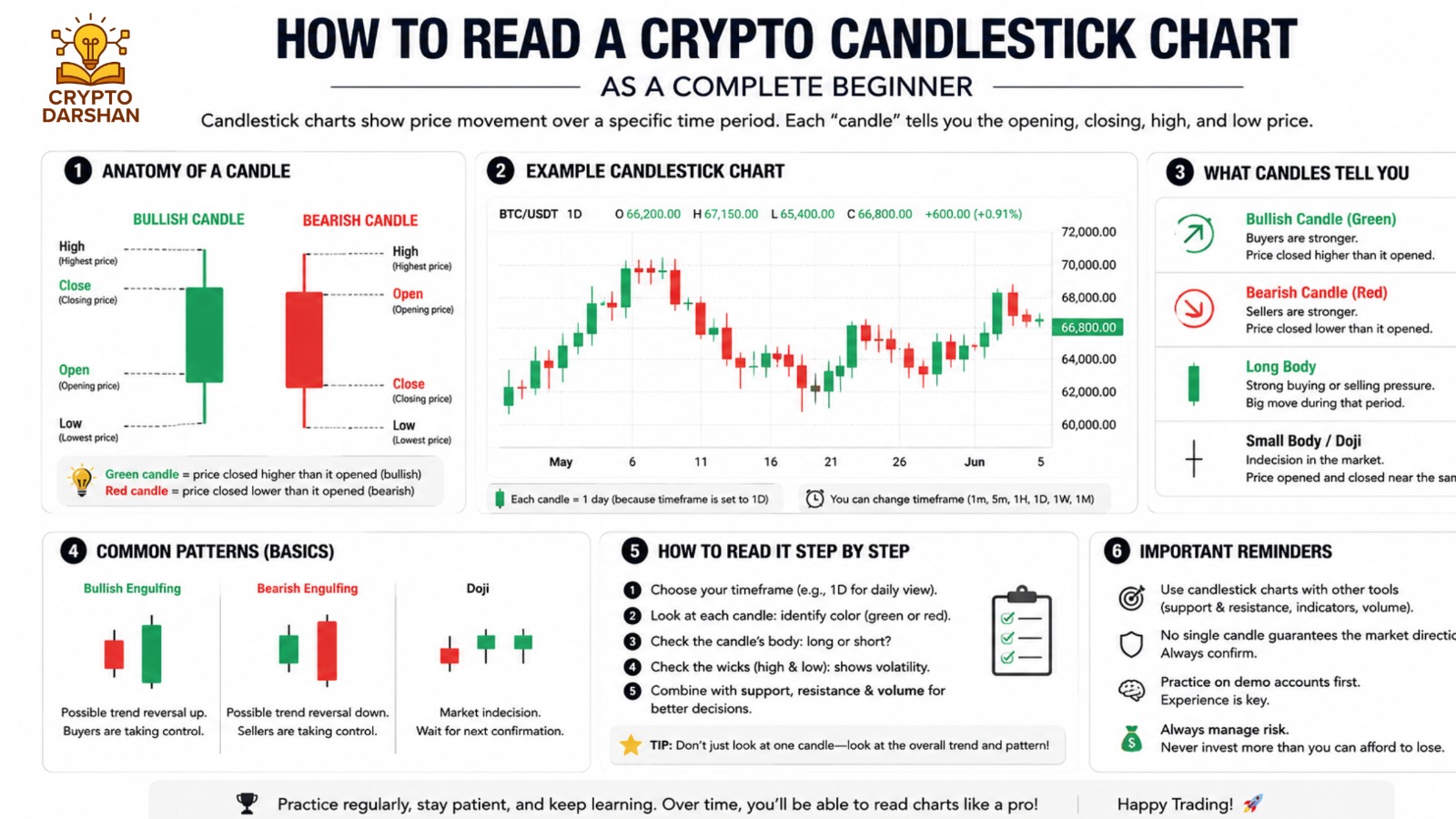
Technical analysis (TA) helps investors identify price patterns, trends, and potential entry or exit points. It’s essential for traders who rely on short- to medium-term strategies.
- Moving Averages (MA): Identify trend direction and potential reversals.
- Relative Strength Index (RSI): Measures overbought or oversold conditions.
- MACD (Moving Average Convergence Divergence): Detects momentum changes.
- Support and Resistance Levels: Highlight key price zones for buying or selling.
Combining multiple indicators provides a clearer picture of market momentum and helps refine trading strategies.
4. Fundamental Analysis
Fundamental analysis evaluates Bitcoin’s intrinsic value by examining its network health, adoption rate, and macroeconomic environment.
- Stock-to-Flow Ratio: Measures scarcity relative to new supply issuance.
- Network Value to Transactions (NVT) Ratio: Compares market capitalization to transaction volume.
- Institutional Holdings: Tracks Bitcoin ownership among large investors and funds.
This approach helps investors determine whether Bitcoin is undervalued or overvalued based on real-world usage and adoption trends.
5. Algorithmic and Quantitative Trading

Algorithmic trading uses automated systems to execute trades based on predefined rules and data analysis. Quantitative models rely on mathematical formulas and historical data to identify profitable opportunities.
- Advantages: Removes emotional bias, executes trades faster, and identifies patterns humans might miss.
- Requirements: Strong understanding of coding, data analysis, and market behavior.
- Risks: Overfitting models or relying too heavily on back tested data can lead to unexpected losses.
This technique is ideal for experienced investors who want to leverage technology for precision trading.
6. Hedging with Derivatives
Derivatives such as futures and options allow investors to hedge against price volatility or speculate on future price movements.
- Futures Contracts: Enable investors to lock in prices for future transactions.
- Options Contracts: Provide the right, but not the obligation, to buy or sell Bitcoin at a specific price.
- Benefits: Protects portfolios from downside risk and allows profit from both rising and falling markets.
However, derivatives require careful management due to leverage risks and complex pricing mechanisms.
7. Cross-Asset and Inter-Market Analysis
Bitcoin’s price often correlates with other financial markets, such as equities, gold, and the U.S. dollar. Understanding these relationships helps investors anticipate broader market trends.
- Positive Correlations: Bitcoin may rise alongside tech stocks during risk-on periods.
- Negative Correlations: Bitcoin often strengthens when fiat currencies weaken.
- Macro Indicators: Inflation data, interest rates, and global liquidity influence Bitcoin’s performance.
By analyzing cross-market data, investors can align their Bitcoin strategies with global economic conditions for better timing and risk management.
Risk Management Strategies

1. Diversification
Avoid overexposure to Bitcoin by diversifying across asset classes and cryptocurrencies. Diversification reduces portfolio volatility and protects against market downturns.
2. Stop-Loss and Take-Profit Orders
Implement stop-loss orders to limit potential losses and take-profit orders to secure gains. Automated trading tools can help execute these strategies efficiently.
3. Secure Storage Solutions
Security is paramount in Bitcoin investing. Use hardware wallets or cold storage to protect assets from hacks and theft. Avoid keeping large amounts on exchanges.
4. Regulatory Compliance
Stay informed about tax obligations and regulatory changes in different jurisdictions. Compliance ensures long-term sustainability and reduces legal risks.
5. Emotional Discipline
Emotional decision-making often leads to poor investment outcomes. Maintain a disciplined approach by following a predefined strategy and avoiding impulsive trades.
Emerging Trends Influencing Bitcoin Investments in 2026
1. Institutional Integration
Major financial institutions are expanding Bitcoin-related services, including custody solutions, ETFs, and lending products. This institutional involvement enhances market liquidity and credibility.
2. Bitcoin Layer-2 Solutions
Technologies like the Lightning Network and sidechains are improving Bitcoin’s scalability and transaction efficiency, making it more practical for everyday use.
3. Tokenization and Cross-Chain Interoperability
The integration of Bitcoin with decentralized finance (DeFi) ecosystems through wrapped tokens and cross-chain bridges is unlocking new investment opportunities.
4. Environmental Sustainability
The shift toward renewable energy in Bitcoin mining is addressing environmental concerns and attracting eco-conscious investors.
5. Global Regulatory Evolution
Countries are adopting clearer frameworks for cryptocurrency taxation, trading, and custody. Regulatory clarity is expected to boost investor confidence and mainstream adoption.
Building a Bitcoin Investment Portfolio for 2026

1. Portfolio Allocation Example
| Investor Type | Bitcoin Allocation | Other Assets |
| Conservative | 5–10% | Stocks, Bonds, Real Estate |
| Balanced | 10–20% | Stocks, ETFs, Gold |
| Aggressive | 25–40% | Altcoins, DeFi, Venture Crypto Funds |
2. Rebalancing Strategy
Regularly review and rebalance the portfolio to maintain target allocations. Rebalancing helps lock in profits and manage risk exposure as market conditions change.
3. Tax Optimization
Use tax-efficient strategies such as holding Bitcoin for over a year to qualify for long-term capital gains rates. Track transactions accurately using crypto tax software.
Common Mistakes to Avoid
- Chasing Hype: Avoid buying during market euphoria without proper analysis.
- Ignoring Security: Failing to secure private keys can lead to irreversible losses.
- Overleveraging: Excessive use of leverage increases liquidation risk.
- Neglecting Research: Relying solely on social media or influencers can lead to poor decisions.
- Lack of Exit Strategy: Always plan when and how to take profits or cut losses.
Future Outlook for Bitcoin Beyond 2026

Bitcoin’s long-term outlook remains optimistic. As global adoption increases and supply continues to diminish, Bitcoin is expected to strengthen its position as a digital store of value. Technological innovations, institutional participation, and macroeconomic shifts will continue to shape its trajectory. While volatility will persist, disciplined investors who apply sound strategies and risk management principles are likely to benefit from Bitcoin’s growth potential.
For diversification beyond Bitcoin, explore Best Altcoins for 2026: Undervalued Gems Revealed
Conclusion
To maximize Bitcoin investment returns in 2026, a balanced approach of strategic planning, focused execution, and continual learning is required. Understanding market dynamics, defining clear goals, and utilizing tried-and-true investment approaches like dollar-cost averaging, diversification, and risk management can dramatically improve performance. As Bitcoin evolves within the global financial ecosystem, investors who are knowledgeable, adaptive, and security-conscious will be best positioned to capitalize on its long-term potential.