


Coinbase has once again run into a problem that many crypto firms know well: when trading slows, revenue feels the pressure fast. The company missed Q2 earnings expectations as market activity weakened and investors traded less often across the crypto market.
This latest report matters because Coinbase is still one of the most important public companies in crypto. Its results often give a clear read on the health of the wider digital asset market, especially when traders are more cautious and volumes start to fade.
Revenue Fell Again

Coinbase reported another quarterly revenue decline, with second-quarter revenue falling 19% year over year to $1.22 billion, according to reporting on the earnings release. That was worse than analysts had expected and marked a third straight quarterly drop in revenue.
The company also posted a loss for the quarter, showing how strongly its financial performance still depends on active market conditions. When crypto prices soften and traders step back, transaction revenue tends to weaken quickly.
Crypto Trading Activity Slowed

The main reason behind the miss was lower trading activity across the crypto market. Recent market data has shown that trading volumes have dropped to multi-month or even multi-year lows in some areas, as traders wait for clearer price direction and stronger momentum.
That slowdown has affected centralized exchanges across the board, not just Coinbase. With less buying and selling happening, exchanges collect fewer fees, which makes their business models more vulnerable during quiet market periods.
Why Coinbase Feels the Pressure
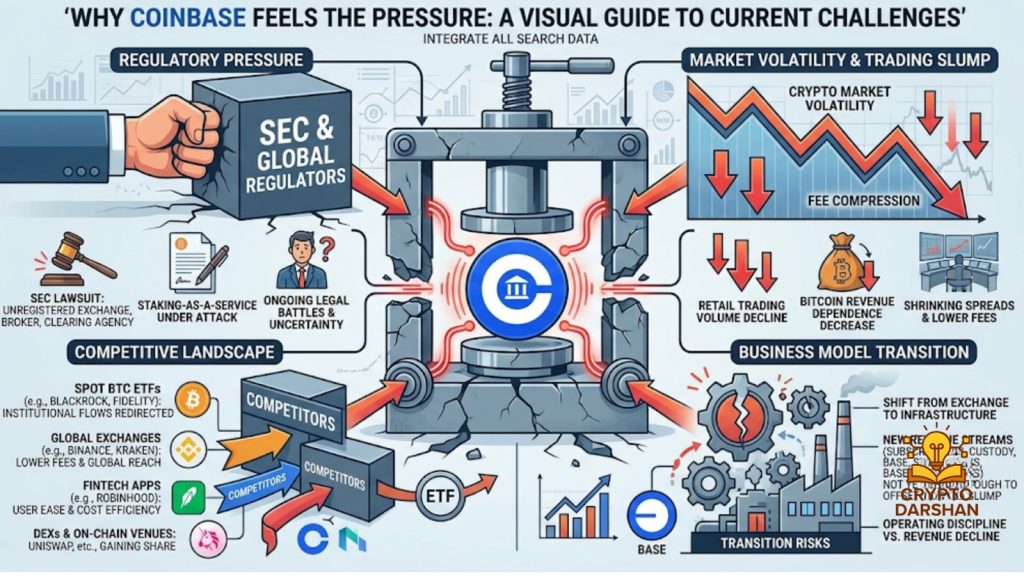
Coinbase depends on trading volume more than many traditional financial companies depend on transaction flow. That means its earnings can rise quickly in hot markets, but they can also cool just as fast when crypto becomes less active.
Earlier this year, Coinbase had already shown signs of strain as revenue and transaction activity weakened. The latest quarter suggests the softer trend is continuing rather than reversing.
Coinbase remains one of the industry’s largest platforms, but investors should also compare the best crypto exchanges based on fees, features, and security.
Broader Market Weakness
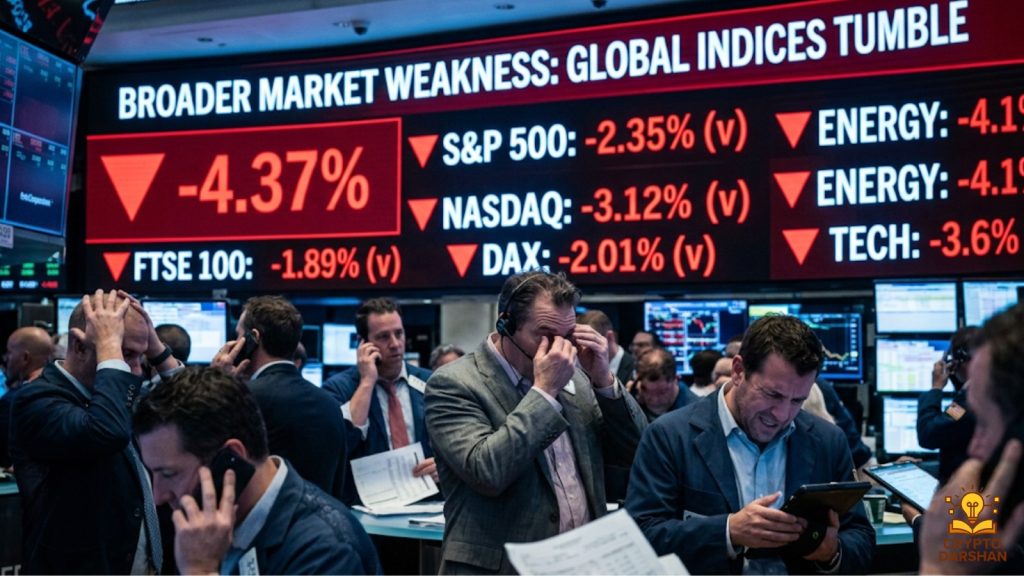
The earnings miss is also part of a bigger market story. Several recent reports have pointed to falling centralized exchange volumes, weaker spot trading, and a general decline in risk appetite across digital assets.
That environment makes it harder for exchanges to rely on active retail speculation alone. Even if long-term interest in crypto remains strong, a quieter trading market can still reduce short-term earnings for major platforms like Coinbase. While exchange activity may fluctuate, the underlying blockchain infrastructure continues to secure Bitcoin and other cryptocurrencies
What It Means For Investors

For investors, the report is a reminder that Coinbase is still tightly tied to crypto market cycles. When Bitcoin and other major assets move sharply, Coinbase usually benefits. When the market slows, the company has less trading fuel to work with.
At the same time, Coinbase has been trying to diversify beyond pure trading revenue through subscriptions, services, and other products. That strategy matters because it helps reduce dependence on one volatile income source, especially during downturns.
The Bigger Picture
Coinbase’s Q2 miss does not necessarily mean the company is in trouble. It does, however, confirm that the current crypto market is still relatively soft, with traders showing less urgency and less willingness to take aggressive positions.
If volumes recover, Coinbase could bounce back quickly. But for now, the message from the quarter is simple: when crypto trading slows, even the biggest exchange in the U.S. feels it almost immediately