
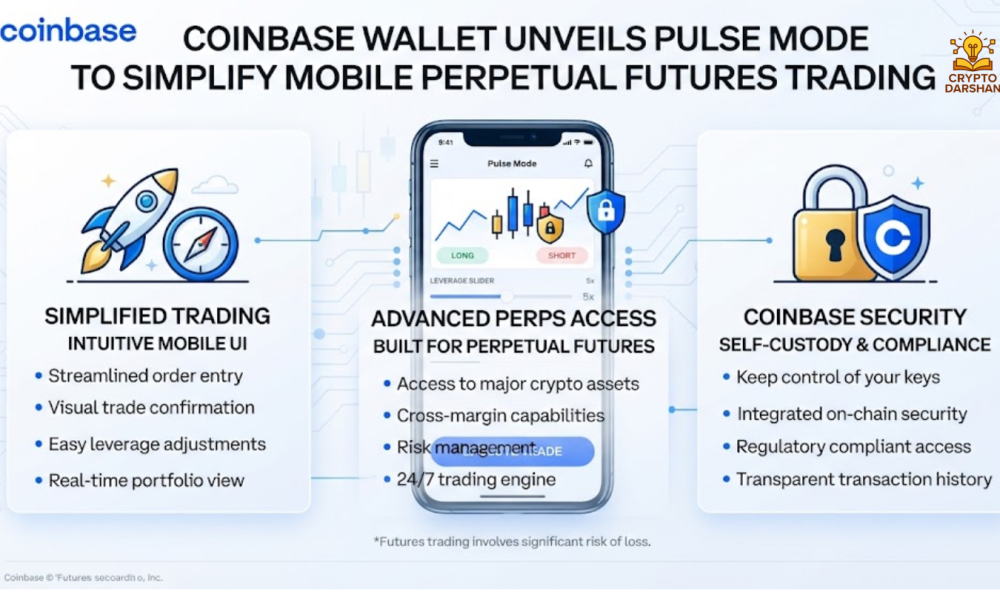
Coinbase Wallet has introduced Pulse Mode, a streamlined trading interface designed to make perpetual futures (perps) more accessible to mobile users. Launched on September 11, 2026, the feature arrives just days after Coinbase reverted its Base App name back to Coinbase Wallet, signaling a renewed focus on self-custodial, multichain trading. Pulse Mode sits atop the wallet’s existing perpetual futures infrastructure—powered by the on-chain order book protocol Hyperliquid—and offers eligible non-U.S. users access to over 290 markets with leverage of up to 50x, settled in USDC.
What Is Pulse Mode?
Pulse Mode is a simplified, mobile-first trading layer inside Coinbase Wallet that reduces friction for opening and managing leveraged long or short positions on perpetual contracts. Rather than exposing every advanced setting at once, the interface emphasizes three core inputs: market direction, position size, and execution speed. The goal is to help traders act quickly without navigating complex menus, while still operating within a self-custodial wallet environment where users retain control of their funds.
Perpetual futures, or “perps,” are derivative contracts that track the price of an underlying asset—such as Bitcoin, Ethereum, tokenized stocks, or commodities—without a fixed expiration date. Traders maintain positions by meeting margin requirements and paying or receiving periodic funding payments that keep contract prices aligned with spot markets. Pulse Mode does not change the underlying mechanics of these contracts; instead, it repackages access to them through a cleaner, faster mobile screen.
Key Features and Market Access
- 290+ perpetual markets: Eligible users can trade contracts tied to major crypto assets, tokenized equities, and select commodities.
- Up to 50x leverage: Depending on the asset, traders can control larger notional positions with less collateral—for example, $1,000 in USDC could support a $50,000 position at maximum leverage.
- USDC settlement: All trades settle in Circle’s USDC stablecoin, which also serves as the primary collateral asset across Pulse Mode.
- Hyperliquid infrastructure: Execution, matching, and liquidity are provided by Hyperliquid, the on-chain order book protocol integrated into Coinbase Wallet in August 2026.
- Self-custodial design: Users never surrender control of their assets to Coinbase; the wallet acts as an interface, not a custodian, for perpetual trading.
While Coinbase Wallet’s product page mentions access to candlestick charts, limit orders, and position-management tools, it does not specify which controls remain available when Pulse Mode is active. Details such as stop-loss/take-profit functionality, isolated vs. cross margin selection, and exact fee schedules have not been publicly disclosed for Pulse Mode specifically.
Geographic Restrictions and Regulatory Context
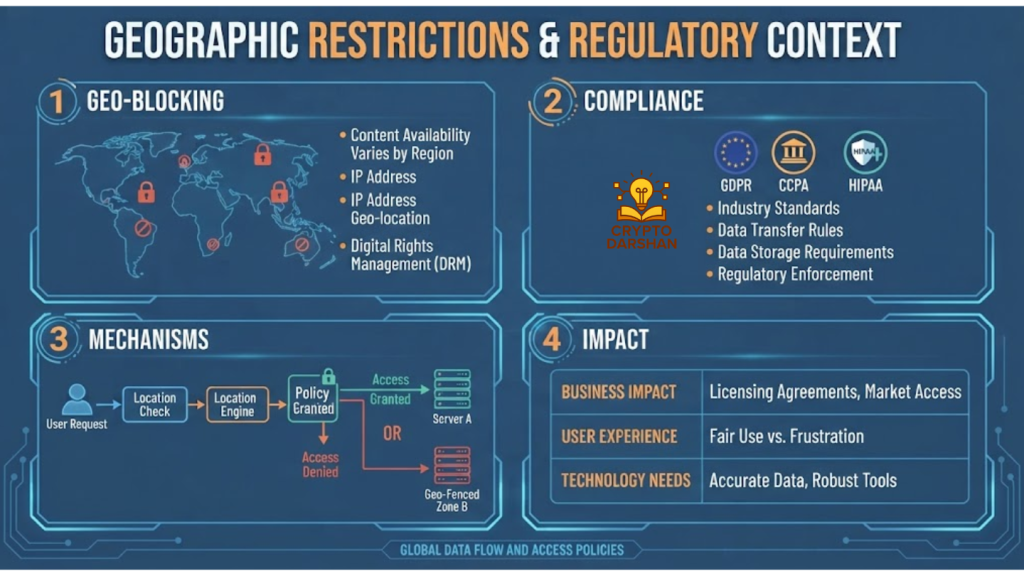
Access to Pulse Mode’s leveraged perpetual trading is limited to eligible users outside the United States, with additional restrictions likely in other jurisdictions such as the United Kingdom and Canada. Coinbase has not announced a U.S. launch for Pulse Mode, nor has it filed a related product notice with the Commodity Futures Trading Commission (CFTC). This aligns with the broader regulatory environment in the U.S., where retail access to crypto derivatives remains tightly constrained.
Even for non-U.S. users, eligibility depends on local laws governing derivatives, leverage, and retail trading, as well as any compliance checks applied by Coinbase or its trading infrastructure partners. The wallet’s app listings explicitly warn that perpetual trading carries substantial risk and may not be suitable for all users.
Why Pulse Mode Matters for Mobile Traders
Pulse Mode reflects a broader industry trend toward simplifying complex DeFi and derivatives experiences for mainstream mobile users. By abstracting away advanced settings and focusing on speed and clarity, Coinbase aims to lower the barrier to entry for traders who want exposure to perpetual markets without leaving their self-custodial wallet. The integration with Hyperliquid also means Coinbase can tap into deep, on-chain liquidity without building its own order book from scratch.
For SEO and content teams tracking crypto product launches, Pulse Mode is significant for several reasons:
- It marks the latest evolution in Coinbase Wallet’s pivot from a social experiment (Base App) back to a multichain trading hub.
- It reinforces USDC’s role as the default settlement layer for on-chain derivatives within Coinbase’s ecosystem.
- It highlights how major exchanges are packaging institutional-grade infrastructure (like Hyperliquid) into consumer-friendly mobile interfaces.
What’s Still Unknown
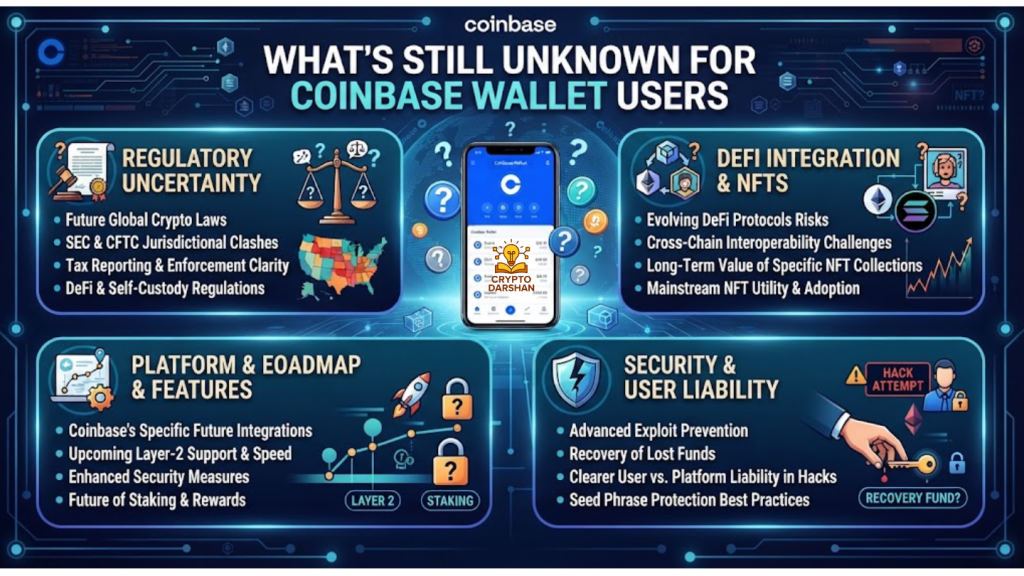
As of September 13, 2026, Coinbase has not published:
- A dedicated Pulse Mode documentation page detailing order types, risk controls, or margin modes.
- Exact fee structures or funding rate mechanisms specific to Pulse Mode.
- A timeline for potential expansion into additional jurisdictions, including the U.S.
- Whether all existing wallet features (e.g., advanced charting, stop-loss orders) remain accessible within the simplified Pulse interface.
Until more technical specifications are released, Pulse Mode should be understood primarily as a UI/UX enhancement layered over Coinbase Wallet’s existing Hyperliquid-powered perpetual futures functionality.
Bottom Line for Traders and Publishers
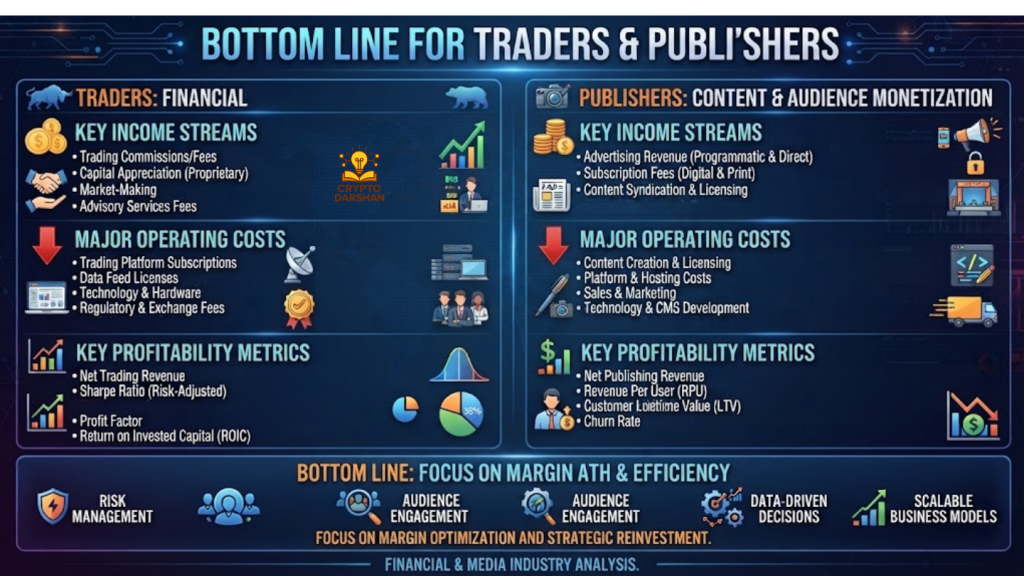
For traders, Pulse Mode offers a faster, cleaner path to leveraged perpetual exposure on mobile—provided they are in an eligible jurisdiction and comfortable with the risks of derivatives trading. For publishers and SEO professionals, the launch provides fresh angles around mobile UX simplification, self-custodial derivatives, stablecoin settlement flows, and the ongoing convergence of CeFi branding with DeFi infrastructure.
As Coinbase continues to refine its wallet experience, expect further updates on market coverage, leverage tiers, and regional availability—especially if regulatory clarity improves in key markets.