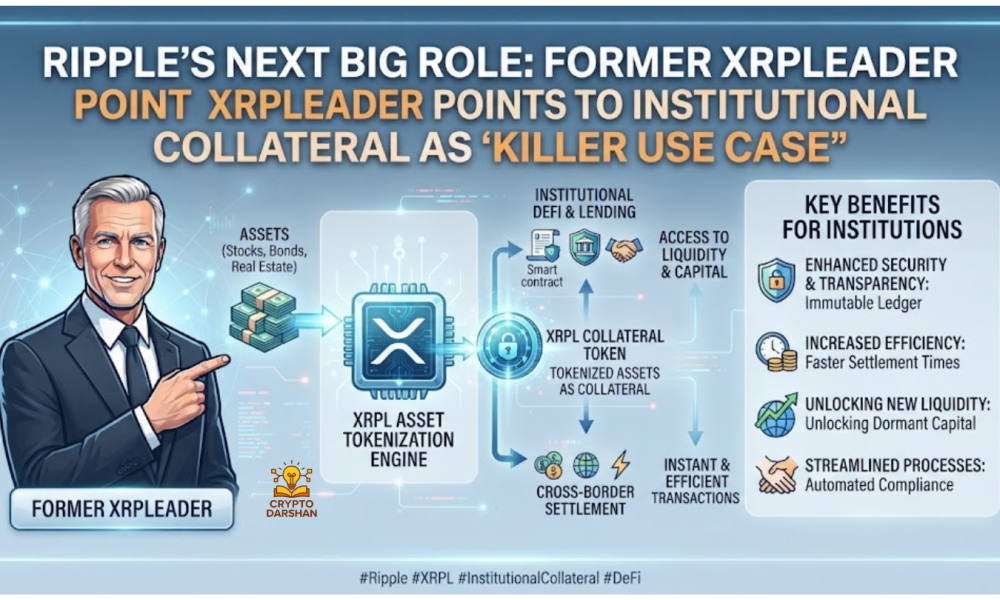
A former RippleX executive has highlighted a powerful new role for XRP beyond payments: using the token as collateral for institutional credit on the XRP Ledger (XRPL). Jazzi Cooper, who previously served as Head of Product at RippleX, described “XRP as collateral for institutional credit” as a genuine “killer use case” in a September 11, 2026 post on X. Cooper pointed to two proposed ledger amendments—XLS-65 and XLS-66—as the technical foundation that could enable native lending and borrowing directly on XRPL.
What the “Killer Use Case” Actually Means
Cooper’s comment centers on a specific idea: institutions could lock up XRP as collateral to secure credit lines, often in stablecoins such as Ripple’s RLUSD, without needing to sell their XRP holdings. In practice, this could look like a “dual pool” model where one pool holds XRP as collateral and another supplies dollar-denominated liquidity for loans. An institution might pledge XRP, borrow RLUSD or another stable asset, and use that liquidity for treasury operations, market making, or short-term funding needs.
This use case is different from XRP’s more familiar role as a bridge asset in cross-border payments. Instead of moving value between currencies in seconds, XRP would function as productive balance-sheet collateral—similar to how banks and funds use bonds or equities to back credit facilities in traditional finance.
How XLS-65 and XLS-66 Fit In
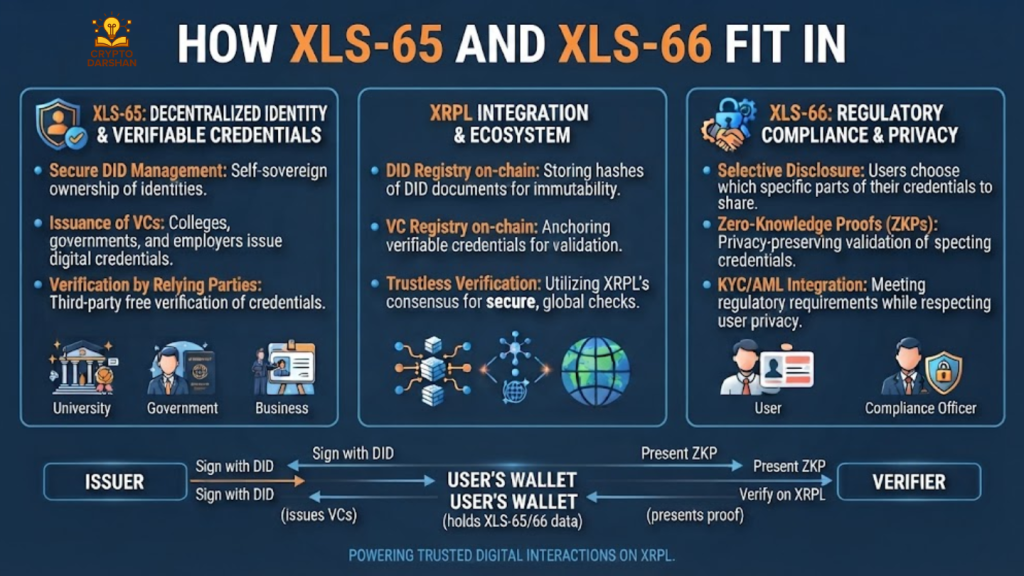
The XRP Ledger’s proposed amendments XLS-65 and XLS-66 are designed to add native lending primitives to the network. While exact technical details are still evolving, the high-level goal is to allow users to:
- Deposit assets (such as XRP) into on-ledger lending pools or credit facilities.
- Borrow against those deposits in stablecoins or other supported assets.
- Manage collateral ratios, interest accrual, and liquidation logic directly on XRPL.
Cooper emphasized that these amendments “support” the institutional collateral narrative, but his remarks should not be read as confirmation that large-scale XRP-backed lending is already live on mainnet. The amendments are still progressing through XRPL’s development and governance process, meaning real-world institutional deployments may take additional time to materialize.
Why Institutional Collateral Matters for XRP
For XRP holders and XRPL developers, the collateral use case addresses a long-standing question: how can XRP generate yield or utility beyond speculation and payments? If institutions begin using XRP as collateral, several effects could follow:
- Increased on-chain demand for XRP: More collateralized lending would require more XRP locked in lending protocols, potentially reducing circulating supply available for trading.
- New revenue streams: Lending protocols could generate fees and interest income, part of which might flow to liquidity providers or stakers depending on final design.
- Stronger institutional ties: Banks, market makers, and treasury desks already exploring RLUSD and XRPL for payments could integrate XRP-backed credit into their workflows.
This aligns with broader trends in crypto, where major assets like ETH and BTC are increasingly used as collateral in decentralized finance (DeFi) and institutional credit products. For XRP, which has long been associated with payments and remittances, collateral-based lending offers a complementary narrative focused on balance-sheet efficiency and capital productivity.
Payments Still Core, but Not the Only Story
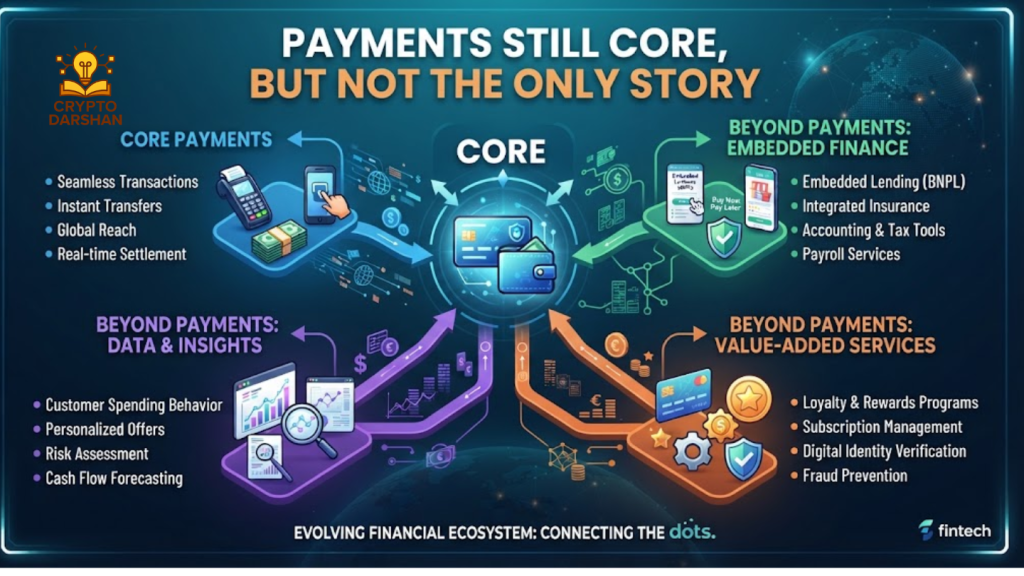
XRP’s original and most cited use case remains cross-border settlement via Ripple’s On-Demand Liquidity (ODL) product. In that model, payment providers convert local currency to XRP, transfer it across XRPL in seconds, and convert it into the destination currency—avoiding the need to pre-fund accounts in multiple countries.
However, recent developments show XRPL expanding beyond pure payments:
- Stablecoin growth: Ripple’s RLUSD stablecoin has grown rapidly, with some analysts arguing it is capturing a large share of payment-related activity on XRPL.
- Tokenized real-world assets (RWAs): The ledger now hosts hundreds of millions of dollars in tokenized RWAs, including U.S. Treasuries and corporate debt.
- AI and agentic finance: Automated agents are using XRP and RLUSD to pay for data, analytics, and prediction-market services on XRPL.
In this context, XRP-backed institutional credit is less a replacement for payments and more an additional pillar of utility that could help XRP capture value from XRPL’s growing activity.
Important Caveats and Risks
Several important caveats temper the excitement around XRP as collateral:
- Protocol status: XLS-65 and XLS-66 are still proposals under development, not finalized, widely deployed standards.
- Adoption timeline: Even if the amendments pass, institutional adoption of XRP-backed credit lines will depend on risk frameworks, compliance requirements, and integration with existing treasury systems.
- Market dynamics: XRP’s price volatility could affect collateral ratios and liquidation thresholds, requiring robust risk management in any lending design
- Regulatory uncertainty: How regulators view XRP-backed lending products—especially in the U.S.—remains an open question that could influence institutional participation.
Cooper’s “killer use case” remark is best understood as a strategic vision rather than an announcement of an immediate, large-scale product launch.
What This Means for Investors and Builders
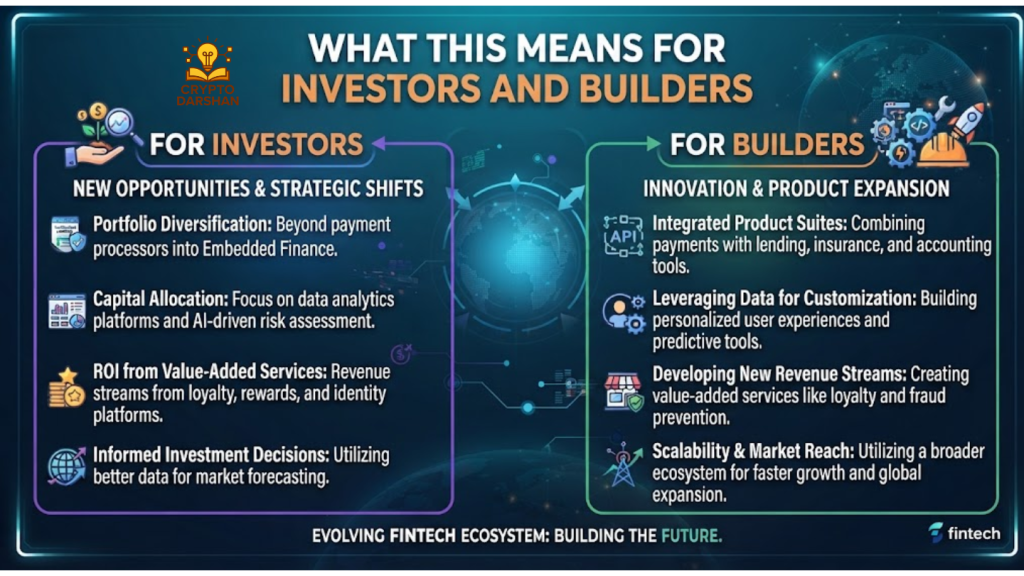
For investors, the collateral narrative adds another potential demand driver for XRP beyond payments and speculation. If XRPL successfully implements native lending and institutions begin using XRP as collateral, the token could transition from a purely transactional asset to one that also supports credit and yield generation.
For developers and ecosystem participants, the focus now shifts to:
- Finalizing and auditing XLS-65 and XLS-66 specifications.
- Designing secure lending pools and risk parameters tailored to XRP’s volatility profile.
- Integrating these primitives with RLUSD, RWAs, and existing payment rails to create cohesive institutional products.
If executed well, XRP-backed institutional credit could become a defining feature of XRPL’s next growth phase—turning Cooper’s “killer use case” from a compelling idea into a real-world financial primitive.