

The Binance Shelbit Iran-linked crypto transfer is drawing attention after Reuters reported that at least $676 million in crypto moved from the Dubai-based exchange Shelbit to Binance since May 2024.About $540 million arrived after Dubai’s crypto regulator fined Shelbit in 2025 for operating without a license, blockchain data reviewed by Reuters showed.
Why this story matters

This is more than a one-day exchange scandal. It shows how fast crypto compliance risks can spread across borders when a high-risk platform keeps operating even after regulators intervene.
For Binance, the issue is not simply the size of the transfers. It is also the fact that the money trail is tied to allegations involving Iranian sanctions evasion, an unlicensed exchange, and a network that investigators say connected gambling activity with state-linked Iranian entities.
At the same time, Binance’s U.S. business is pursuing a different path by expanding licensed services and strengthening regulatory engagement, as discussed in our article on Where Binance.US Stands in 2026.
What investigators found

According to Reuters, the Dubai exchange Shelbit processed at least $4 billion in crypto-related transactions since May 2024. Investigators say the platform sat at the center of a network that touched Iranian gambling sites, Iran’s central bank, and entities linked to the Islamic Revolutionary Guard Corps, often called the IRGC.
Reuters also reported that at least $676 million flowed from Shelbit-linked addresses to Binance. Of that amount, about $540 million moved after Dubai’s Virtual Assets Regulatory Authority, or VARA, had already taken action against Shelbit for unlicensed activity in January 2025.
What Dubai regulators did
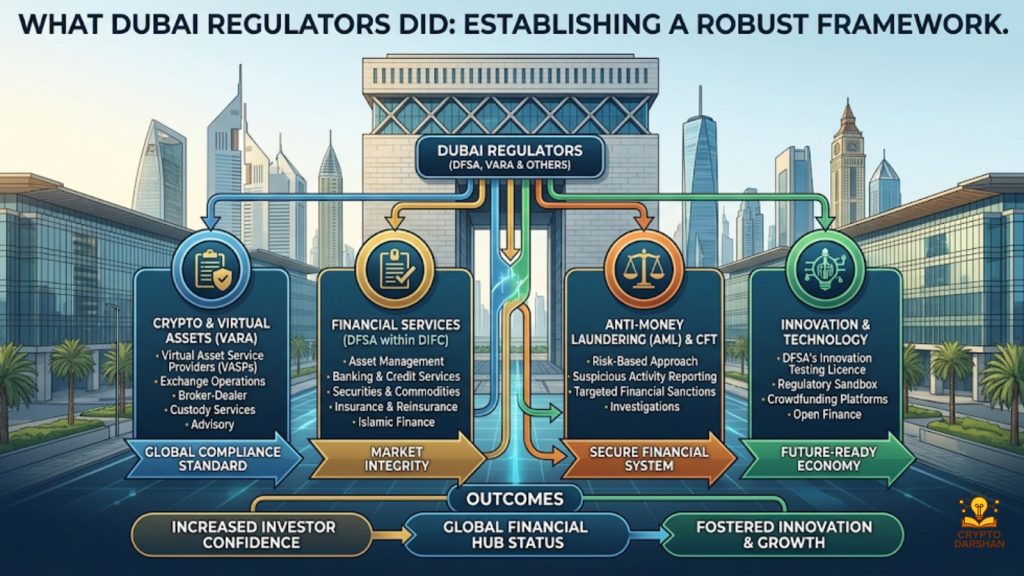
Dubai regulators had already put Shelbit on notice before the reported Binance flows continued. VARA later issued another notice on July 24, 2026, ordering Shelbit to stop all unlicensed virtual asset activity and citing concerns around money laundering, terrorism financing, and cross-border transactions.
That timing is important because it suggests the exchange did not stop operations after the first warning. In practical terms, it also shows why regulators care so much about licensing, customer checks, and ongoing monitoring. Once a platform is flagged, later transfers can become even more serious from a legal and compliance point of view.
This is exactly why the push for Crypto Clarity continues to grow, as policymakers seek consistent licensing standards and compliance rules that protect users while supporting responsible blockchain innovation.
Binance’s position
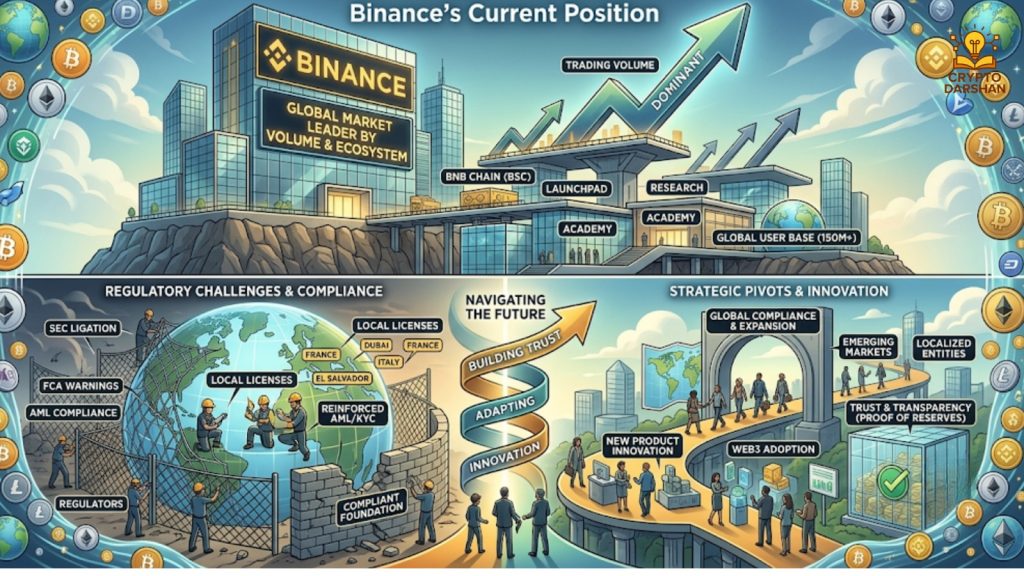
Binance told Reuters that Shelbit never held an account on its platform. The company said that when users associated with Shelbit interacted with Binance, its compliance team investigated the activity, froze the related accounts, and reported them to law enforcement when needed.
That response is important, but it does not fully remove the reputational risk. Even if a platform does not directly onboard a suspicious exchange, regulators and investigators still look at whether the exchange’s controls were strong enough to detect the exposure early.
Why the numbers stand out

The reported figures are large enough to get the attention of both regulators and traders. A total of $676 million is not a small compliance slip. It suggests a sustained flow of funds, not a one-off transaction that slipped through by mistake.
The fact that around $540 million moved after a regulator had already fined the exchange makes the case even more sensitive. It raises a basic question: if an exchange has already been sanctioned or warned, why did the activity continue at such a large scale?
What this means for crypto users

For everyday crypto users, the lesson is simple: platform risk is real. Many people focus on price, fees, and speed, but the legal status of an exchange matters just as much. If a platform is tied to sanctions issues or operates without a license, users can face frozen funds, account reviews, or broader compliance fallout.
This case also reminds traders to pay attention to where liquidity comes from. A major exchange can have world-class infrastructure and still face exposure if some of the funds moving through its ecosystem come from suspicious sources. In crypto, the origin of funds can matter as much as the destination.
Bigger impact on the industry

Stories like this usually push the whole industry toward tighter monitoring. Modern compliance increasingly relies on blockchain analytics to identify suspicious wallet activity and trace fund movements across networks. Our guide to Blockchain Analytics Tools explains how these platforms help exchanges and investigators detect illicit transactions.
Exchanges may review wallet screening, source-of-funds checks, counterparty risk controls, and alert systems for sanctioned jurisdictions. Regulators, meanwhile, often use these cases to show why licensing and enforcement are not optional.
This can also affect public trust. Crypto already faces criticism from lawmakers and financial watchdogs who say the industry still has gaps in anti-money-laundering controls. A high-profile case like this gives critics another example to point to.
Final takeaway

The Reuters report paints a troubling picture: an unlicensed Dubai exchange allegedly moved billions through a network linked to Iran, and hundreds of millions of dollars ultimately reached Binance. Binance says it investigated and froze related accounts, but the size and timing of the transfers make this a major compliance story for the crypto sector.