The blockchain industry has witnessed explosive growth over the past few years, with numerous networks competing to become the foundation of decentralized finance (DeFi), non-fungible tokens (NFTs), and Web3 innovation. Among these, the BNB Chain has emerged as one of the fastest-growing and most influential ecosystems in the crypto world. Known for its scalability, low fees, and vibrant developer community, the BNB Chain continues to attract millions of users and thousands of projects across various sectors.
This comprehensive guide explores the BNB Chain ecosystem, its technology, features, use cases, and future potential. It also examines how the BNB Chain compares to other major blockchains and why it is becoming a dominant force in the decentralized economy.
1. Introduction to the BNB Chain Ecosystem

The BNB Chain is a blockchain network developed by Binance, one of the world’s largest cryptocurrency exchanges. Originally launched as Binance Smart Chain (BSC) in 2020, it was later rebranded to BNB Chain in 2022 to reflect its broader vision beyond Binance’s exchange ecosystem. The rebranding also emphasized decentralization and community-driven development.
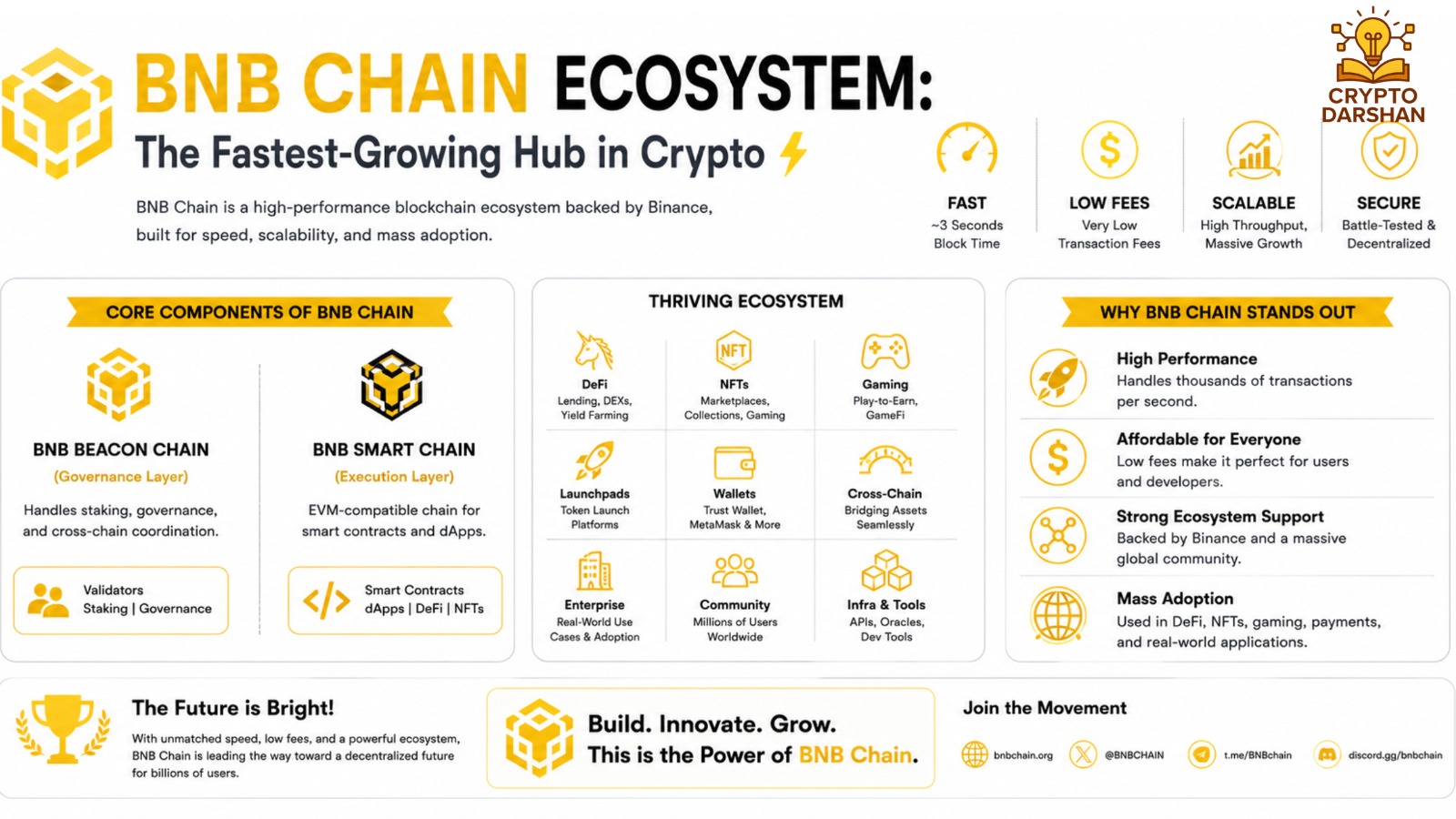
The BNB Chain ecosystem consists of two main components:
- BNB Beacon Chain: Responsible for governance, staking, and validator management.
- BNB Smart Chain (BSC): A high-performance blockchain that supports smart contracts and decentralized applications (dApps).
Together, these two chains form a powerful dual-chain architecture that allows users to transfer assets seamlessly while benefiting from fast transactions and low fees.
The BNB Chain is powered by its native token, BNB (Build and Build), which serves multiple purposes, including transaction fees, staking, governance, and participation in decentralized finance protocols.
2. The Evolution of BNB Chain

The BNB Chain ecosystem has undergone significant evolution since its inception. Initially, Binance launched the Binance Chain in 2019 to facilitate fast trading and token issuance. However, it lacked smart contract functionality. To address this limitation, Binance introduced the Binance Smart Chain (BSC) in 2020, enabling developers to build decentralized applications similar to those on Ethereum.
In 2022, Binance merged the two chains under the unified BNB Chain brand. This transformation aimed to create a more scalable, decentralized, and community-driven ecosystem. The rebranding also aligned with Binance’s vision of expanding beyond a centralized exchange to a broader Web3 infrastructure provider.
Key milestones in the BNB Chain’s evolution include:
- 2019: Launch of Binance Chain for token trading.
- 2020: Introduction of Binance Smart Chain with EVM compatibility.
- 2021: Rapid growth of DeFi and NFT projects on BSC.
- 2022: Rebranding to BNB Chain and introduction of BNB Beacon Chain.
- 2023–2024: Expansion into cross-chain interoperability and Web3 infrastructure.
3. Core Technology of BNB Chain Ecosystem

Dual-Chain Architecture
The BNB Chain operates on a dual-chain model that combines the strengths of both the BNB Beacon Chain and the BNB Smart Chain. This architecture allows users to move assets between chains efficiently while maintaining high performance and security.
- BNB Beacon Chain: Handles governance, staking, and validator coordination. It ensures decentralization and community participation in network decisions.
- BNB Smart Chain (BSC): Supports smart contracts, decentralized applications, and DeFi protocols. It is compatible with the Ethereum Virtual Machine (EVM), allowing developers to easily migrate or deploy Ethereum-based projects.
Consensus Mechanism
The BNB Chain uses a Proof of Staked Authority (PoSA) consensus mechanism, which combines elements of Proof of Stake (PoS) and Proof of Authority (PoA). Validators are selected based on the amount of BNB staked and their reputation. This hybrid model ensures fast block times (around 3 seconds) and low transaction fees while maintaining decentralization.
EVM Compatibility
One of the biggest advantages of the BNB Chain is its full compatibility with the Ethereum Virtual Machine (EVM). This means developers can use familiar tools like Solidity, Remix, and MetaMask to build and deploy smart contracts. EVM compatibility has been a major factor in the rapid adoption of the BNB Chain ecosystem.
Scalability and Performance
The BNB Chain is designed for high throughput, capable of processing thousands of transactions per second. Its efficient consensus mechanism and optimized architecture make it one of the fastest blockchains in the industry, ideal for DeFi, gaming, and NFT applications.
4. The Role of BNB Token in the Ecosystem
The BNB token is the lifeblood of the BNB Chain ecosystem. Originally launched as an ERC-20 token on Ethereum, BNB later migrated to the Binance Chain and now powers the entire BNB Chain network.
Key Functions of BNB:
- Transaction Fees: BNB is used to pay gas fees on the BNB Smart Chain, offering lower costs compared to Ethereum.
- Staking: Validators and delegators stake BNB to secure the network and earn rewards.
- Governance: BNB holders can participate in governance proposals, influencing the future direction of the ecosystem.
- Utility Token: BNB is used across various Binance products, including trading fee discounts, token sales, and DeFi applications.
The deflationary model of BNB, achieved through periodic token burns, ensures scarcity and long-term value appreciation. Binance conducts quarterly burns to reduce the total supply of BNB, aligning with its goal of maintaining a healthy token economy.
5. DeFi on BNB Chain
Decentralized finance (DeFi) has been one of the driving forces behind the growth of the BNB Chain ecosystem. With its low fees and high speed, BNB Chain has become a preferred platform for DeFi developers and users.
Leading DeFi Projects on BNB Chain:
- PancakeSwap: The largest decentralized exchange (DEX) on BNB Chain ecosystem, offering token swaps, yield farming, and staking.
- Venus Protocol: A decentralized lending and borrowing platform that allows users to earn interest or take loans using crypto assets.
- ApeSwap: A DeFi platform offering trading, staking, and yield farming opportunities.
- Autofarm: A yield optimizer that automatically maximizes returns across multiple DeFi protocols.
The BNB Chain DeFi ecosystem provides users with access to decentralized exchanges, lending platforms, stablecoins, and synthetic assets. Its interoperability with other blockchains also enhances liquidity and cross-chain trading.
6. NFTs and Gaming on BNB Chain

The BNB Chain has become a major hub for NFTs and blockchain gaming. Its low transaction fees and fast confirmation times make it ideal for NFT minting, trading, and in-game transactions.
NFT Marketplaces on BNB Chain:
- Binance NFT Marketplace: The official NFT platform by Binance, offering exclusive collections and collaborations.
- TofuNFT: A decentralized marketplace for NFTs, supporting multiple blockchains.
- Element Market: A cross-chain NFT marketplace with a growing user base.
Blockchain Gaming on BNB Chain:
The BNB Chain supports a wide range of play-to-earn (P2E) and GameFi projects, including:
- MOBOX: A gaming platform combining DeFi and NFTs.
- BinaryX: A GameFi project offering RPG-style gameplay.
- Thetan Arena: A multiplayer online battle arena (MOBA) game built on BNB Chain.
The integration of NFTs and gaming within the BNB Chain ecosystem has created new opportunities for digital ownership, player rewards, and decentralized entertainment.
7. Web3 and Metaverse Development
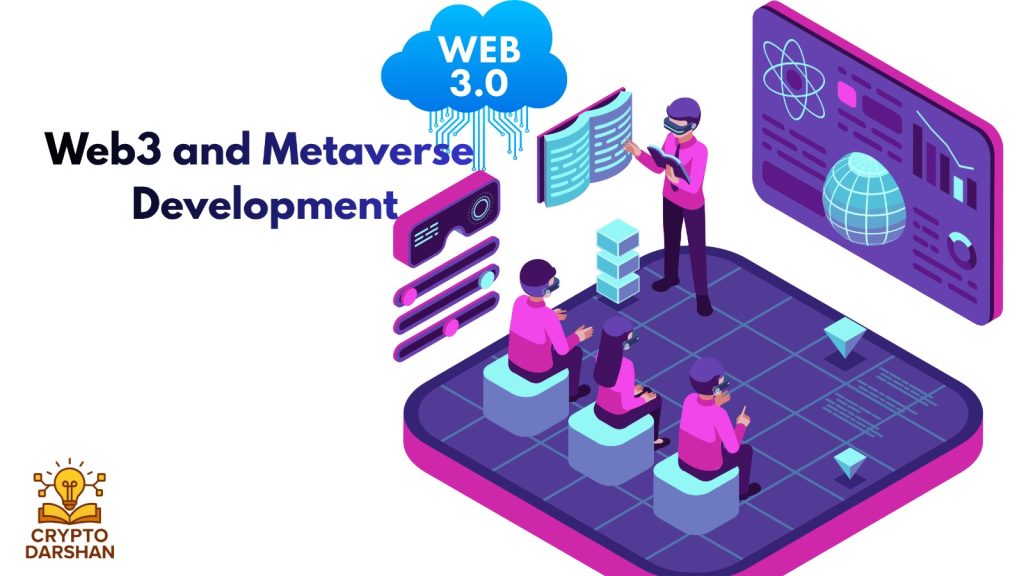
The BNB Chain is at the forefront of Web3 and metaverse innovation. Its scalability and developer-friendly environment make it a preferred choice for building decentralized applications that power the next generation of the internet.
Web3 Infrastructure
BNB Chain provides the foundation for decentralized identity, data storage, and communication protocols. Projects like Space ID and CyberConnect are building decentralized social and identity solutions on the network.
Metaverse Projects
The BNB Chain ecosystem hosts several metaverse projects that combine virtual reality, NFTs, and blockchain technology:
- SecondLive: A virtual world where users can create avatars, interact, and trade NFTs.
- Meta Apes: A strategy-based metaverse game with play-to-earn mechanics.
- Realy Metaverse: A lifestyle-focused metaverse integrating fashion, music, and art.
These projects highlight the BNB Chain’s role in shaping the future of digital interaction and ownership.
8. Developer Ecosystem and Tools
The BNB Chain offers a robust set of tools and resources for developers. Its EVM compatibility and extensive documentation make it easy for developers to build, test, and deploy decentralized applications.
Developer Tools and Resources:
- BNB Chain SDK: Provides APIs and libraries for building dApps.
- Remix and Hardhat: Popular Ethereum development tools compatible with BNB Chain.
- BNB Greenfield: A decentralized data storage solution integrated with the BNB Chain ecosystem.
- Testnet and Explorer: Developers can test applications on the BNB Chain testnet and monitor transactions using BscScan.
The BNB Chain also runs hackathons, grants, and incubation programs to support innovation and attract new developers to the ecosystem.
9. Security and Governance

Security
The BNB Chain prioritizes security through its validator network, audits, and community-driven initiatives. Validators play a crucial role in maintaining network integrity, while third-party audits ensure smart contract safety.
The BNB Chain also features a Bug Bounty Program, rewarding developers who identify vulnerabilities. Additionally, the network collaborates with security firms to monitor and prevent exploits.
Governance
Governance on the BNB Chain systesm is decentralized, allowing BNB holders to propose and vote on network upgrades, parameter changes, and community initiatives. This participatory model ensures that the ecosystem evolves in alignment with community interests.
10. Partnerships and Collaborations

The BNB Chain has established partnerships with leading blockchain projects, enterprises, and institutions to expand its ecosystem.
Notable Partnerships:
- Google Cloud: Collaboration for infrastructure and scalability solutions.
- Animoca Brands: Partnership to promote GameFi and NFT development.
- CertiK: Security auditing and risk management.
- Chainlink: Integration of decentralized oracles for real-world data.
These collaborations strengthen the BNB Chain ecosystem by enhancing security, interoperability, and innovation.
11. Cross-Chain Interoperability

Interoperability is a key focus of the BNB Chain. Through bridges and cross-chain protocols, users can transfer assets between BNB Chain, Ethereum, and other networks seamlessly.
Key Interoperability Solutions:
- BNB Bridge: Enables cross-chain transfers between BNB Chain and other blockchains.
- Ankr and Multichain: Provide infrastructure for cross-chain communication.
- LayerZero Integration: Facilitates omnichain interoperability for dApps.
This cross-chain functionality enhances liquidity and expands the reach of the BNB Chain ecosystem across the broader blockchain landscape.
12. Sustainability and Environmental Impact

The BNB Chain operates on a Proof of Staked Authority consensus, which is energy-efficient compared to Proof of Work systems. Binance has also committed to sustainability initiatives, including carbon offset programs and eco-friendly blockchain development.
The network’s low energy consumption and efficient design make it a sustainable choice for developers and users concerned about environmental impact.
13. Challenges and Limitations

1. Centralization Concerns
One of the main challenges facing the BNB Chain ecosystem is its level of decentralization. The network operates with a limited number of validators, which raises concerns about potential centralization and control. While this structure improves speed and efficiency, it can reduce the network’s resistance to censorship and manipulation.
2. Security Vulnerabilities
As the BNB Chain hosts thousands of decentralized applications, it becomes a target for hackers and exploits. Smart contract bugs, phishing attacks, and bridge vulnerabilities have occasionally affected projects within the ecosystem. Continuous audits and stronger security frameworks are essential to maintain user trust and network safety.
3. Network Congestion During High Activity
During periods of heavy usage, the BNB Chain can experience congestion, leading to slower transaction times and higher fees. Although the network is designed for scalability, rapid growth in DeFi and NFT activity sometimes pushes its limits, requiring ongoing optimization and infrastructure upgrades.
4. Intense Market Competition
The BNB Chain ecosystem competes with other major blockchains like Ethereum, Solana, and Polygon. Each offers unique advantages in scalability, decentralization, and developer support. To stay ahead, BNB Chain must continue innovating and expanding its ecosystem to attract developers and users.
5. Regulatory and Compliance Risks
As global regulations around cryptocurrencies evolve, the BNB Chain ecosystem faces potential challenges related to compliance and oversight. Since it is closely associated with Binance, regulatory actions against the exchange could indirectly impact the network’s growth and reputation. Maintaining transparency and adhering to global standards will be crucial for long-term stability.
14. Future Roadmap

The BNB Chain roadmap focuses on scalability, interoperability, and decentralization. Key initiatives include:
- BNB Greenfield: Decentralized data storage and Web3 infrastructure.
- zkBNB: Zero-knowledge rollup solution for enhanced scalability and privacy.
- Cross-Chain Expansion: Integration with more blockchains for seamless asset transfers.
- Enhanced Governance: Greater community participation in decision-making.
These developments aim to position the BNB Chain as a leading platform for Web3 innovation and global blockchain adoption.
15. Market Performance and Adoption
The BNB Chain has consistently ranked among the top blockchains by total value locked (TVL) and active users. Its native token, BNB, remains one of the most valuable cryptocurrencies by market capitalization.
Adoption Highlights:
- Over 3 million daily active addresses.
- More than 1,500 dApps deployed.
- Billions of dollars in total value locked across DeFi protocols.
The combination of strong fundamentals, community support, and continuous innovation has made the BNB Chain ecosystem is a dominant force in the crypto market.
16. Comparison with Other Blockchains
| Feature | BNB Chain | Ethereum | Polygon | Solana |
| Consensus | Proof of Staked Authority | Proof of Stake | Layer 2 (PoS + Rollups) | Proof of History + PoS |
| Transaction Speed | 3 seconds | 12 seconds | 2 seconds | 0.4 seconds |
| Fees | Low | High | Low | Very Low |
| EVM Compatibility | Yes | Yes | Yes | No |
| Ecosystem Size | Large | Very Large | Growing | Medium |
| Interoperability | High | Moderate | High | Moderate |
The BNB Chain stands out for its balance of speed, cost-efficiency, and ecosystem maturity, making it one of the most practical choices for developers and users alike.
17. The Future of the BNB Chain Ecosystem

1. Expansion of Web3 and Decentralized Applications
The BNB Chain ecosystem is set to play a major role in the growth of Web3 by supporting decentralized applications across finance, gaming, and social platforms. Its scalability and low fees make it ideal for developers building user-friendly dApps that can reach millions of users globally.
2. Integration of zkBNB and Advanced Scalability Solutions
To handle increasing demand, the BNB Chain ecosystem is introducing zkBNB, a zero-knowledge rollup solution that enhances transaction speed, privacy, and scalability. This technology will allow the network to process more transactions efficiently while maintaining security and decentralization.
3. Strengthening Cross-Chain Interoperability
The future of the BNB Chain focuses on seamless interoperability with other blockchains. Through bridges and protocols like LayerZero and BNB Bridge, users will be able to transfer assets and data across multiple networks, creating a more connected and efficient blockchain ecosystem.
4. Growth in DeFi, NFTs, and Metaverse Projects
The BNB Chain ecosystem will continue to expand its influence in DeFi, NFTs, and the metaverse. With platforms like PancakeSwap, MOBOX, and SecondLive leading innovation, the network is expected to attract more creators, gamers, and investors seeking decentralized opportunities.
5. Enhanced Governance and Community Participation
Future upgrades will focus on decentralizing governance, giving BNB holders more control over network decisions. This shift toward community-driven development will ensure transparency, inclusivity, and long-term sustainability for the BNB Chain ecosystem.
18. FAQ

1. What is the BNB Chain ecosystem?
The BNB Chain ecosystem is a blockchain network that supports decentralized applications, DeFi platforms, NFTs, gaming projects, and smart contracts with fast transactions and low fees.
2. What makes the BNB Chain ecosystem popular?
BNB Chain is popular because of its low transaction costs, fast processing speed, strong developer community, and wide range of DeFi and Web3 applications.
3. Is BNB Chain the same as Binance Smart Chain?
Binance Smart Chain was rebranded as part of the broader BNB Chain ecosystem, which now includes multiple blockchain solutions and infrastructure services.
4. What are the main use cases of BNB Chain?
BNB Chain is commonly used for DeFi trading, staking, NFT marketplaces, blockchain gaming, token launches, and decentralized applications.
5. Which token powers the BNB Chain ecosystem?
The ecosystem is powered by BNB, which is used for transaction fees, staking, governance, and various applications within the network.
6. Is BNB Chain good for developers?
Yes. BNB Chain is considered developer-friendly because it supports Ethereum-compatible smart contracts, making it easier for developers to migrate or build decentralized applications.
7. How does BNB Chain compare to Ethereum?
BNB Chain generally offers lower fees and faster transactions than Ethereum, while Ethereum is often viewed as more decentralized and secure due to its larger validator network.
19. Conclusion
The BNB Chain ecosystem represents one of the most dynamic and rapidly expanding networks in the blockchain industry. With its dual-chain architecture, low fees, and robust developer community, it has become a cornerstone of decentralized finance, NFTs, and Web3 innovation.
From DeFi platforms like PancakeSwap to metaverse projects and cross-chain bridges, the BNB Chain continues to push the boundaries of what blockchain technology can achieve. Its commitment to scalability, security, and sustainability ensures that it will remain a leading force in the crypto space for years to come.
In the ever-evolving world of blockchain, the BNB Chain stands out as a symbol of innovation, growth, and community-driven progress—truly the fastest-growing hub in crypto.