

On-Chain Identity (DID) is emerging as the future of KYC and privacy by enabling user-controlled, reusable verifications without centralized data storage. The digital world is evolving rapidly, and with it, the need for secure, verifiable, and privacy-preserving identity systems has become more critical than ever. Traditional Know Your Customer (KYC) processes, while essential for compliance and fraud prevention, often come with inefficiencies, privacy risks, and data breaches. Enter Decentralized Identifiers (DIDs), a revolutionary concept that leverages blockchain technology to redefine how identity is managed, verified, and shared online.
On-chain identity systems powered by DIDs promise a future where individuals have full control over their personal data, organizations can streamline compliance, and privacy is preserved without compromising security. This article explores the concept of on-chain identity, its role in transforming KYC, and how it could shape the future of digital privacy.
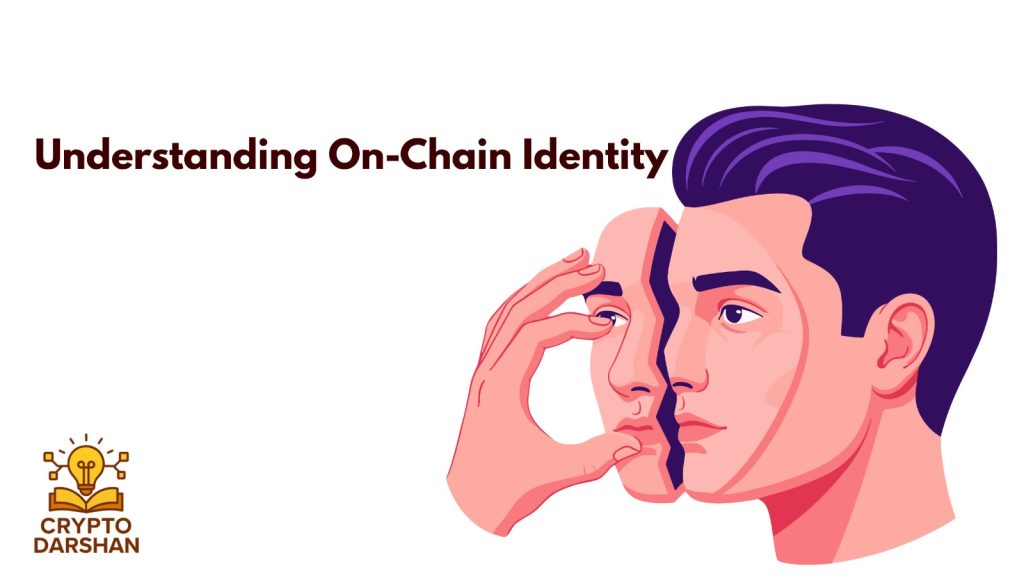
Understanding On-Chain Identity
What Is On-Chain Identity?
An on-chain identity refers to a digital identity that exists and operates on a blockchain network. Unlike traditional identity systems managed by centralized authorities, on-chain identities are decentralized, self-sovereign, and cryptographically secured. They allow users to prove who they are without revealing unnecessary personal information.
At the core of this system are Decentralized Identifiers (DIDs) ,unique, blockchain-based identifiers that enable verifiable, self-owned digital identities. A DID is not tied to any central registry, authority, or intermediary. Instead, it is controlled by the individual or entity it represents.
How DIDs Work
A DID is a globally unique identifier that resolves to a DID Document, which contains cryptographic material, authentication methods, and service endpoints. These documents are stored on a blockchain or distributed ledger, ensuring immutability and transparency.
The structure of a DID typically looks like this:
did:example:123456789abcdefghi
- did: The scheme identifier.
- example: The DID method (defines how the DID is created and managed).
- 123456789abcdefghi: The unique identifier string.
Each DID is associated with a pair of cryptographic keys , a public key and a private key. The public key is used for verification, while the private key is used for authentication and signing transactions.
The Role of Verifiable Credentials (VCs)
DIDs work hand-in-hand with Verifiable Credentials (VCs) digital attestations issued by trusted entities (such as banks, universities, or governments). These credentials can be verified cryptographically without contacting the issuer, ensuring both authenticity and privacy.
For example, a university can issue a verifiable credential confirming a student’s degree. The student can then present this credential to an employer, who can verify its authenticity using the blockchain without the university’s direct involvement.
The Problems with Traditional KYC

Centralization and Data Breaches
Traditional KYC systems rely on centralized databases managed by financial institutions or third-party providers. These databases store sensitive personal information such as names, addresses, identification numbers, and financial data. Centralization creates a single point of failure, making these systems prime targets for hackers.
Data breaches have become alarmingly common. Once personal data is leaked, it can be exploited for identity theft, fraud, and other malicious activities. Users have little control over how their data is stored, shared, or used.
Redundant Verification Processes
Each time an individual interacts with a new financial institution, they must undergo the KYC process again submitting the same documents repeatedly. This redundancy increases operational costs for businesses and creates friction for users.
Privacy Concerns
Traditional KYC requires users to share more information than necessary. For instance, proving one’s age often involves sharing a full ID document containing name, address, and date of birth even though only the age verification is needed. This overexposure of data violates the principle of data minimization and increases privacy risks.
Regulatory Complexity
Financial institutions must comply with strict KYC and Anti-Money Laundering (AML) regulations. Managing compliance across jurisdictions is complex and costly. Moreover, verifying the authenticity of documents and maintaining audit trails adds to the administrative burden.
How On-Chain Identity Transforms KYC
Self-Sovereign Identity (SSI)
At the heart of on-chain identity lies the concept of Self-Sovereign Identity (SSI), a model where individuals own and control their digital identities without relying on centralized authorities. SSI empowers users to decide what information to share, with whom, and for how long.
With SSI, users store their verifiable credentials in a digital wallet. When a service provider requests verification, the user can share only the necessary data. For example, to prove being over 18, the user can share a cryptographic proof of age without revealing their full date of birth or ID number.
Streamlined KYC Processes
On-chain identity enables reusable KYC. Once a user’s identity is verified by a trusted authority, the verification can be reused across multiple platforms. This eliminates redundant checks, reduces onboarding time, and lowers compliance costs.
For instance, a user who completes KYC with one crypto exchange can use the same verified identity to access other DeFi platforms, wallets, or financial services all without repeating the process.
Enhanced Privacy and Security

Blockchain’s cryptographic foundations ensure that personal data is never exposed or stored in plaintext. Instead of sharing raw data, users share zero-knowledge proofs (ZKPs), cryptographic proofs that confirm the validity of information without revealing the underlying data.
The shift from crypto as a speculative asset to crypto as digital infrastructure requires identity systems that are native to the internet. On-Chain Identity (DID) transforms identity into programmable infrastructure just like blockchains transformed money, making privacy, compliance, and access interoperable across platforms.
This approach drastically reduces the risk of data breaches and identity theft. Even if the blockchain is publicly accessible, sensitive information remains private and secure.
Regulatory Compliance Made Easier
On-chain identity systems can be designed to comply with global KYC and AML regulations. Smart contracts can automate compliance checks, record audit trails, and ensure transparency. Regulators can access verifiable proofs of compliance without compromising user privacy.
Scaling privacy and compliance together requires advanced infrastructure. Layer-3 blockchains enable application-specific privacy logic, making them ideal environments for On-Chain Identity (DID) systems that need selective disclosure, zero-knowledge proofs, and jurisdiction-aware compliance.
Moreover, DIDs can be integrated with existing identity frameworks such as eIDAS (EU), Aadhaar (India), or NIST standards (US), bridging the gap between traditional and decentralized systems.
Key Components of On-Chain Identity Systems
1. Decentralized Identifiers (DIDs)
The foundation of on-chain identity, providing unique, verifiable, and self-owned identifiers.
2. Verifiable Credentials (VCs)
Digital attestations issued by trusted entities, cryptographically verifiable and privacy-
preserving.
3. Blockchain or Distributed Ledger
The underlying infrastructure that ensures immutability, transparency, and trust.
4. Identity Wallets
Applications that allow users to store, manage, and share their DIDs and credentials securely.
5. Zero-Knowledge Proofs (ZKPs)
Cryptographic techniques that enable the selective disclosure of information without revealing sensitive data.
6. Smart Contracts
Automated programs that enforce rules, manage permissions, and facilitate trustless interactions.
Real-World Use Cases
Financial Services and DeFi
Banks, exchanges, and DeFi platforms can use on-chain identity for seamless KYC, AML compliance, and fraud prevention. Users can onboard faster while maintaining privacy.
Healthcare
Patients can control access to their medical records, sharing them securely with doctors or insurers without exposing unnecessary details.
Education
Universities can issue verifiable diplomas and certificates on-chain, allowing employers to verify credentials instantly.
Supply Chain
Manufacturers and suppliers can use DIDs to verify the authenticity of products and ensure transparency across the supply chain.
Government and e-Governance
Governments can issue digital IDs, licenses, and permits as verifiable credentials, reducing bureaucracy and enhancing citizen privacy.
Benefits of On-Chain Identity
1. User Control
Individuals own and manage their identities, deciding what data to share and with whom.
2. Privacy Preservation
Zero-knowledge proofs and selective disclosure ensure that only necessary information is shared.
3. Security
Blockchain’s cryptographic security eliminates single points of failure and reduces data breach risks.
4. Efficiency
Reusable KYC and automated verification streamline onboarding and compliance processes.
5. Interoperability
DIDs and VCs are designed to work across platforms, industries, and jurisdictions.
6. Transparency and Trust
Immutable records on the blockchain enhance accountability and trust among participants.
Challenges and Limitations

Scalability
Blockchain networks face scalability issues, especially when handling large volumes of identity transactions.
Regulatory Uncertainty
The legal recognition of decentralized identities varies across jurisdictions. Clear regulatory frameworks are still evolving.
User Experience
Managing cryptographic keys and digital wallets can be complex for non-technical users. Simplified interfaces are needed for mass adoption.
Data Revocation
Once data is written to the blockchain, it cannot be deleted. Mechanisms for revoking or updating credentials must be carefully designed.
Interoperability Standards
Different DID methods and blockchain networks may not be fully compatible. Standardization efforts are ongoing to ensure cross-chain interoperability.
Emerging Technologies Enhancing On-Chain Identity
Zero-Knowledge Proofs (ZKPs)
ZKPs enable privacy-preserving verification, allowing users to prove facts without revealing underlying data. This technology is crucial for privacy-centric KYC.
Soulbound Tokens (SBTs)
The concept of Soulbound Tokens (SBT) is a theoretical one and there is no evidence to suggest that it was proposed by Ethereum co-founder Vitalik Buterin, lawyer Puja Ohlhaver, and economist E. Glen Weyl. These tokens, if they were to exist, would be non-transferable digital assets that could potentially represent a person’s identity, achievements, and reputation within the Web3 ecosystem.
Decentralized Autonomous Organizations (DAOs)
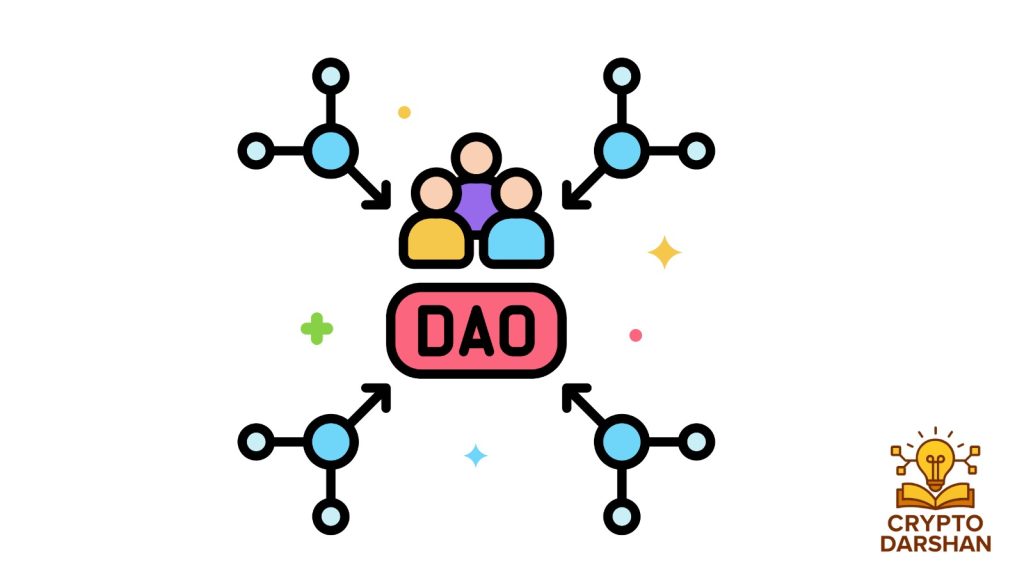
DAOs can use on-chain identity to verify membership, voting rights, and governance participation securely.
Cross-Chain Identity Protocols
Projects like ION (Microsoft), Sovrin, and Polygon ID are developing interoperable identity frameworks that work across multiple blockchains.
Leading Projects in On-Chain Identity
The rise of decentralized identity has inspired several blockchain-based projects to build frameworks, tools, and protocols that make self-sovereign identity (SSI) a reality. These projects aim to give users control over their personal data while ensuring compliance, interoperability, and privacy. Below is a detailed explanation of some of the most influential projects shaping the on-chain identity landscape.
1. Civic
Overview:
Civic is one of the earliest blockchain-based identity verification platforms. It focuses on providing secure, reusable digital identities that users can control through their mobile devices.
How It Works:
Civic uses blockchain technology to verify user identities without storing sensitive data on centralized servers. Once a user’s identity is verified, Civic issues a digital identity token that can be reused across multiple platforms. This eliminates the need for repetitive KYC checks.
Key Features:
- Reusable KYC: Users complete verification once and reuse it across services.
- Privacy Protection: Personal data is stored locally on the user’s device, not on Civic’s servers.
- Compliance: Civic’s system aligns with global KYC and AML regulations.
2. SelfKey
Overview:
SelfKey is a self-sovereign identity platform that allows individuals and organizations to manage their digital identities and access financial services securely.
How It Works:
Users create a SelfKey ID, which stores verified credentials in a digital wallet. These credentials can be used to access services like bank accounts, exchanges, and citizenship programs without repeatedly submitting documents.
Key Features:
- SelfKey Wallet: A secure wallet for storing and managing identity documents.
- Marketplace: A platform where users can access verified service providers.
- KYC Reusability: Once verified, users can reuse their credentials across multiple services.
3. uPort
Overview:
uPort, built on the Ethereum blockchain, is a decentralized identity system that enables users to own and control their digital identities. It was one of the first projects to implement the concept of DIDs and verifiable credentials.
How It Works:
uPort allows users to create a decentralized identity linked to their Ethereum address. They can receive verifiable credentials from trusted issuers and share them with service providers as needed.
Key Features:
- Ethereum Integration: Seamless interaction with Ethereum-based dApps.
- Verifiable Credentials: Users can receive and share credentials securely.
- User Control: Full ownership of identity data without intermediaries.
4. Sovrin Network

Overview:
The Sovrin Network is a global public utility for decentralized identity, built on Hyperledger Indy. It provides a scalable and interoperable infrastructure for self-sovereign identity.
How It Works:
Sovrin uses a permissioned blockchain to anchor DIDs and verifiable credentials. It allows trusted institutions (called stewards) to operate nodes and maintain the network’s integrity.
Key Features:
- Governance Framework: A well-defined governance model ensures trust and compliance.
- Privacy by Design: Supports selective disclosure and zero-knowledge proofs.
- Interoperability: Compatible with W3C DID and VC standards.
5. Polygon ID
Overview:
Polygon ID is a privacy-focused identity solution built on the Polygon blockchain. It leverages zero-knowledge proofs (ZKPs) to enable secure and private identity verification for Web3 applications.
How It Works:
Users create a decentralized identity that can generate cryptographic proofs of specific attributes (like age or nationality) without revealing the underlying data. Polygon ID integrates seamlessly with dApps, DAOs, and DeFi platforms.
Key Features:
- Zero-Knowledge Proofs: Enables privacy-preserving verification.
- Web3 Integration: Designed for decentralized applications and DAOs.
- Interoperability: Works across multiple blockchain ecosystems.
6. BrightID
Overview:
BrightID focuses on proving uniqueness rather than traditional identity verification. It ensures that each user in a decentralized network is a unique human being, preventing Sybil attacks.
How It Works:
BrightID uses a social graph approach. Users connect with others in the network, and the system analyzes these connections to verify uniqueness. No personal data or documents are required.
Key Features:
- Privacy-First: No need to share personal information.
- Sybil Resistance: Prevents multiple fake identities in decentralized systems.
- Open Source: Community-driven and transparent.
7. ION (by Microsoft)
Overview:
ION is a decentralized identity network built on the Bitcoin blockchain. Developed by Microsoft, it focuses on creating scalable, interoperable DIDs that do not rely on centralized intermediaries.
How It Works:
ION uses the Sidetree protocol to anchor DIDs on Bitcoin. It operates as a Layer 2 network, ensuring scalability while maintaining Bitcoin’s security.
Key Features:
- Bitcoin Anchoring: Leverages Bitcoin’s immutability for DID registration.
- Scalability: Sidetree protocol allows millions of DIDs without blockchain congestion.
- Open Standards: Fully compliant with W3C DID specifications.
8. KILT Protocol
Overview:
KILT Protocol is a blockchain identity framework built on Polkadot. It enables users to create self-sovereign, verifiable credentials that can be used across Web3 ecosystems.
How It Works:
KILT allows trusted entities (attesters) to issue credentials to users (claimers). These credentials can be verified by third parties without revealing sensitive data.
Key Features:
- Polkadot Integration: Interoperable across parachains.
- Privacy and Control: Users decide what data to share.
- Decentralized Attestation: Trust is distributed among multiple entities.
9. Ontology (ONT ID)
Overview:
Ontology’s ONT ID is a decentralized identity framework that provides trust, privacy, and security for individuals and enterprises.
How It Works:
ONT ID allows users to create and manage their digital identities on the Ontology blockchain. It supports verifiable credentials and integrates with multiple blockchain ecosystems.
Key Features:
- Cross-Chain Compatibility: Works across different blockchains.
- Data Encryption: Ensures privacy and security of user data.
- Enterprise Integration: Designed for business and government use cases.
The Future of KYC and Privacy with On-Chain Identity
The integration of DIDs into mainstream financial and digital ecosystems marks a paradigm shift in how identity is managed. The future of KYC will be instant, reusable, and privacy-preserving. Users will no longer need to submit documents repeatedly, and institutions will benefit from reduced compliance costs and enhanced trust.
As governments and regulators begin to recognize decentralized identity frameworks, interoperability between traditional and blockchain-based systems will become seamless. The convergence of blockchain, AI, and privacy technologies will further enhance the security and usability of on-chain identity systems.
In the long term, on-chain identity could become the foundation of the Web3 economy, enabling secure interactions across DeFi, NFTs, DAOs, and the metaverse. It will empower individuals with digital sovereignty while ensuring compliance and trust in a decentralized world.
Frequently Asked Questions (FAQs)

What is On-Chain Identity (DID)?
On-Chain Identity, often called Decentralized Identity (DID), is a blockchain-based system that allows individuals to own and control their digital identity without relying on centralized authorities like governments, banks, or tech companies.
How does DID improve traditional KYC processes?
DID enables reusable KYC, meaning users verify their identity once and then share cryptographic proof instead of repeatedly submitting documents. This reduces onboarding time, lowers costs, and minimizes data exposure.
Is On-Chain Identity safe for personal data?
Yes. DID systems use zero-knowledge proofs and encryption, ensuring sensitive data stays off-chain while only verifiable proofs are stored on-chain—significantly reducing the risk of data breaches.
How does DID protect user privacy?
DID allows selective disclosure, meaning users can prove specific information (like age or citizenship) without revealing their full identity, unlike traditional KYC systems that collect excessive personal data.
Can DID comply with global KYC and AML regulations?
Yes. Many DID frameworks are designed to be regulation-friendly, allowing institutions to meet KYC/AML requirements while respecting user privacy and data ownership.
Who controls an On-Chain Identity?
The user controls their DID through private keys or wallets. There is no central authority that can revoke or misuse the identity without the user’s consent.
What are real-world use cases of On-Chain Identity?
DID is already being used in crypto exchanges, DeFi platforms, Web3 apps, digital voting, healthcare records, and cross-border payments where trust and privacy are critical.
Is DID only for crypto users?
No. While crypto adoption is driving DID innovation, the technology is expanding into banking, education, government services, and enterprise identity systems
What blockchains support On-Chain Identity?
Popular DID-enabled ecosystems include Ethereum, Polygon, Solana, Polkadot, Cosmos, and identity-focused networks like ION, Ceramic, and Sovrin
What challenges does On-Chain Identity face?
Key challenges include user education, wallet security, regulatory clarity, and standardization across platforms, though rapid adoption is addressing these issues.
Conclusion
On-chain identity powered by Decentralized Identifiers (DIDs) represents a transformative leap in digital identity management. By combining blockchain’s transparency with cryptographic privacy, it offers a secure, efficient, and user-centric alternative to traditional KYC systems.
As adoption grows, on-chain identity will redefine how individuals, businesses, and governments interact online — fostering a future where privacy, trust, and compliance coexist harmoniously. The journey toward decentralized identity is not just a technological evolution but a fundamental shift toward digital empowerment and autonomy.