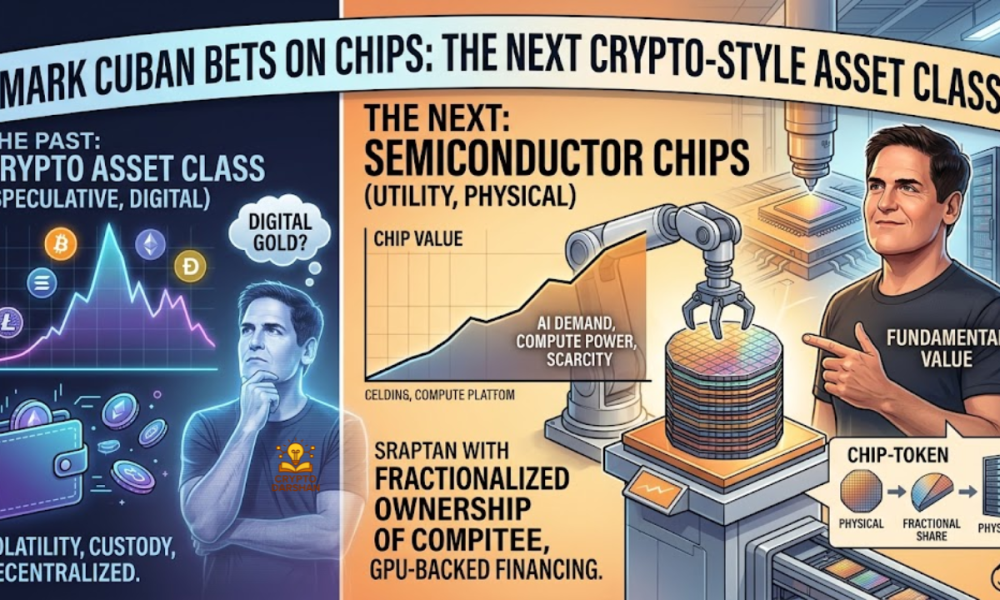
Billionaire investor Mark Cuban has sparked fresh debate in the investment world with a bold prediction: computer chips—especially the high-end GPUs powering artificial intelligence—will become “the new crypto” as an asset class. Speaking on social media on August 15, 2026, Cuban wrote, “Chips as an asset class will be the new crypto,” a one-liner that quickly went viral across crypto and tech circles.
What Mark Cuban Actually Said

Cuban’s post offered no detailed roadmap, timeline, or specific financial product. Instead, it framed a high-level thesis: just as cryptocurrencies created a new, liquid, and speculative asset class around digital scarcity and network effects, advanced computing hardware could evolve into a similarly investable category. The timing matters: his comment arrived weeks before U.S. markets are set to launch the first regulated futures contracts tied to computing power, adding real-world scaffolding to the idea.
Why Chips? The AI Boom and Scarcity Logic
The core of mark Cuban’s argument rests on two forces:
- Surging demand for AI compute: Data centers are racing to secure GPUs and other AI accelerators to train and run large models. This demand has turned high-end chips into strategic assets for companies, not just components.
- Scarcity dynamics: Cuban’s comparison to crypto leans on scarcity as a value driver. In crypto, fixed supplies (like Bitcoin’s 21 million cap) underpin investment narratives. In chips, scarcity shows up as limited supply of cutting-edge GPUs, long lead times, and concentration among a few manufacturers.
Together, these dynamics make chips feel “investable” in a way that resembles how investors think about digital assets: as a scarce, high-demand resource with potential for price appreciation and secondary-market trading.
From Hardware to Investable Asset: How It Could Work
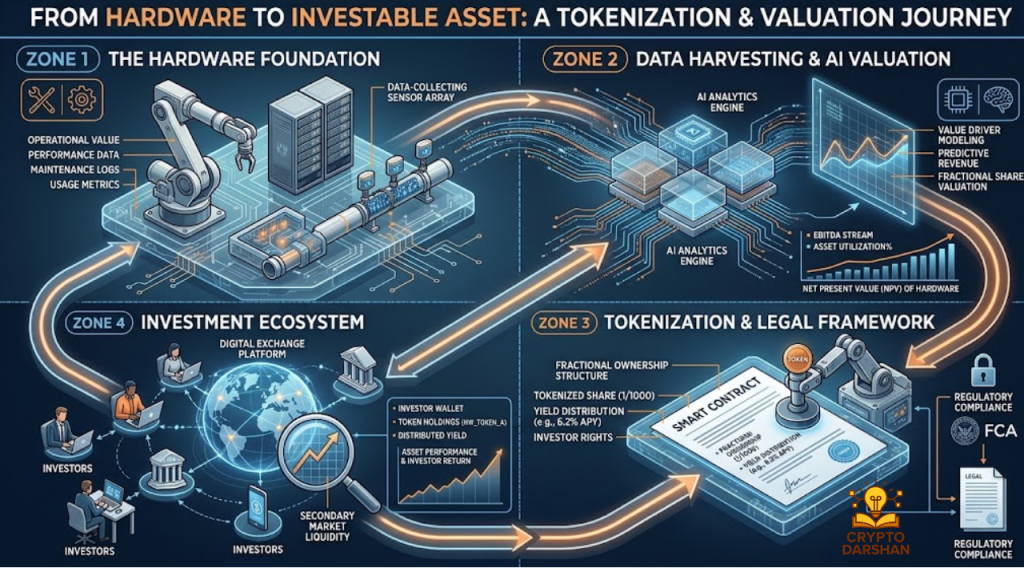
Mark Cuban did not specify how “chips as an asset class” would be structured, but several pathways are already emerging or imaginable:
- GPU-backed financing and leasing: Firms are experimenting with financing deals where GPUs themselves serve as collateral, or where investors fund GPU purchases in exchange for a share of rental income from cloud compute providers. This turns hardware into a cash-flowing asset.
- Tokenized compute and GPU access: Blockchain projects have begun tokenizing access to GPU power, allowing users to buy, sell, or rent compute capacity via tokens. In this model, the underlying chips support a tradable digital claim on compute.
- Regulated derivatives on compute: The upcoming regulated futures on computing power could standardize exposure to compute capacity, much like oil or gold futures, making it easier for institutions to take positions without owning physical hardware.
If these structures deepen, chips could develop the liquidity, price discovery, and speculative interest that define crypto markets—without necessarily being cryptocurrencies themselves.
What This Means for Crypto Investors

Mark Cuban’s remark does not mean chips will replace Bitcoin or Ethereum. Instead, it suggests a parallel: a new, tech-driven asset class that attracts similar investor behavior—speculation, hedging, and portfolio diversification—around a different underlying: compute. For crypto-native investors, this could mean:
- New diversification options: Exposure to AI infrastructure via investable chip-related products could complement crypto holdings.
- Overlap with crypto projects: Some blockchain networks already focus on decentralized GPU markets or compute tokenization, potentially benefiting if “chips as an asset class” gains mainstream traction.
- Shift in narrative focus: As AI compute becomes a hotter investment theme, capital and attention may rotate between crypto and chip-related assets depending on macro conditions and regulatory clarity.
Mark Cuban’s Evolving Crypto Stance
Cuban’s latest comment adds nuance to his public crypto views. Earlier in 2025, he described Bitcoin as a “better version of gold,” emphasizing convenience, scarcity, and security. By mid-2026, however, he called Bitcoin “disappointing” and said it had “lost the plot,” while retaining a more positive outlook on Ethereum due to its smart-contract utility and DeFi ecosystem. He has also dismissed many altcoins and memecoins as “garbage,” while naming Polygon and Injective as favored projects outside Bitcoin and Ethereum.
Against that backdrop, his chips comment reads less as a crypto endorsement and more as a broader macro call: the next wave of speculative, tech-driven investing may center on AI infrastructure, with chips at the core.
Risks and Counterarguments

Not everyone is convinced chips can truly mirror crypto’s asset-class dynamics. Skeptics point out:
- Rapid depreciation: Hardware loses value quickly as newer, more efficient models arrive, unlike Bitcoin’s fixed supply narrative.
- Operational complexity: Owning or financing physical chips involves maintenance, energy costs, and logistics that crypto does not.
- Market concentration: A small number of chipmakers dominate supply, which could limit the decentralized, open-market feel that attracts many crypto investors.
Cuban’s statement remains a broad investment thesis rather than a defined product or market category. Whether it evolves into a liquid, crypto-like market depends on how financing, tokenization, and derivatives around compute develop over the coming years.
Bottom Line

Mark Cuban’s “chips as the new crypto” line is a provocative signal that AI hardware is moving from backend infrastructure to front-stage investment theme. While chips won’t become cryptocurrencies, they could form a new, highly traded asset class with crypto-style speculation, derivatives, and portfolio roles—especially as regulated compute markets and GPU-backed financial products mature. For investors watching both crypto and AI, the intersection of these two worlds may define the next cycle of opportunity.