Aave is moving to shut down six blockchain deployments and remove dozens of weak-performing asset markets in one of its biggest portfolio cleanups so far. The proposal affects about $98.1 million in supplied assets and $15.6 million in outstanding debt, showing that even large DeFi protocols are now prioritizing quality over expansion.
Aave Chooses Efficiency Over Expansion

For years, Aave built its reputation by spreading across multiple chains to reach more users and assets. But the latest proposal shows a different strategy: instead of keeping every market alive, the protocol wants to concentrate on the networks and reserves that actually bring meaningful usage and revenue.
This kind of shift is important because DeFi growth is no longer just about being everywhere. It is now about maintaining healthy markets, reducing operational drag, and avoiding the cost of supporting low-activity deployments that add little value.
Six Chains Face Wind Down

The proposal targets six blockchain networks: Sonic, Scroll, zkSync, Metis, Soneium, and Aptos. Aave plans to retire 25 reserves across those deployments, while another 50 low-usage reserves on larger Aave markets will also be removed.
In practice, this does not mean users will be suddenly locked out. Aave is expected to freeze new activity first, lower borrowing and supply caps, and use tighter parameters to encourage users to exit positions in an orderly way. That gradual approach matters because it reduces disruption while still allowing the protocol to clean up inactive or weak markets.
What Happens To Users

Users with existing positions are not expected to lose access immediately. Instead, Aave will likely allow existing loans and supplied assets to remain for a period while making the market less attractive for new deposits or fresh borrowing.
For some markets, the protocol plans to raise the reserve factor, which directs more interest toward the Aave treasury and lowers returns for suppliers. On the most inactive markets, Aave may also use very high reserve factors and a small base borrowing rate to push borrowers toward repayment and lenders toward withdrawal.
Why This Matters For DeFi
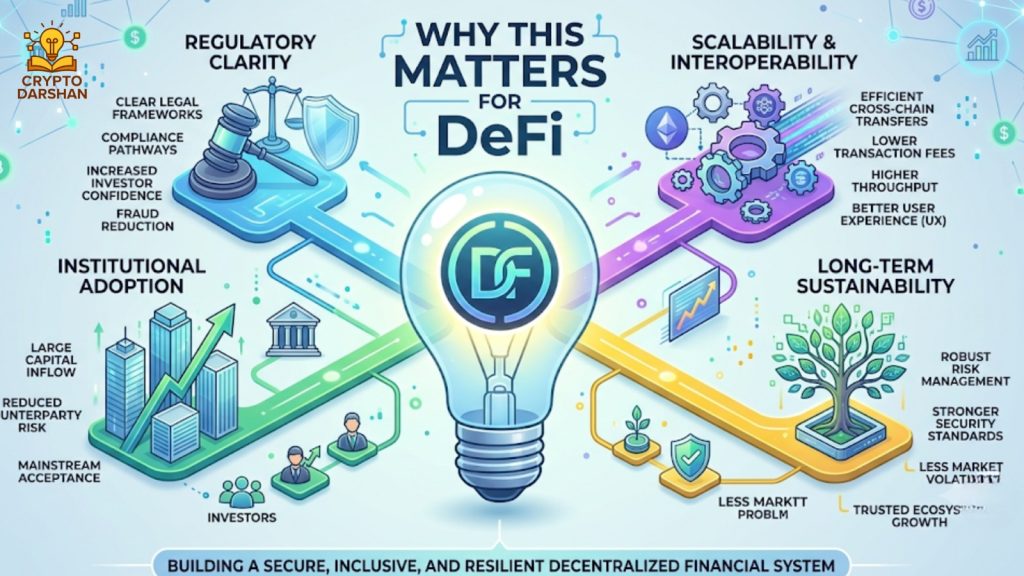
This is more than a housekeeping story. It reflects a wider trend in DeFi where protocols are becoming more selective, especially after years of aggressive multichain expansion. Instead of chasing every new chain, projects are now asking whether a deployment truly justifies its cost, risk, and maintenance burden.
Aave has also signaled a more disciplined future for expansion. Earlier governance discussions suggested that new deployments may need to prove they can generate meaningful annual revenue before receiving support. That kind of rule could reshape how major DeFi platforms grow in the next cycle.
Market Impact And Outlook

The financial scale is notable, but the long-term message may be even bigger. Aave cleanup covers both underused reserves and smaller chain deployments, which suggests the protocol is trying to simplify its structure before problems grow larger.
In simple terms, Aave seems to be saying that not every market deserves to stay open forever. If a chain or asset does not attract enough activity, it may be better to retire it and focus on stronger markets where liquidity and user demand are healthier.
Final Take
Aave’s decision to wind down six chains and retire 75 underused reserves is a clear sign of maturity in DeFi. The protocol is shifting from growth at all costs to a more careful model built around risk management, revenue quality, and sustainable market design.