
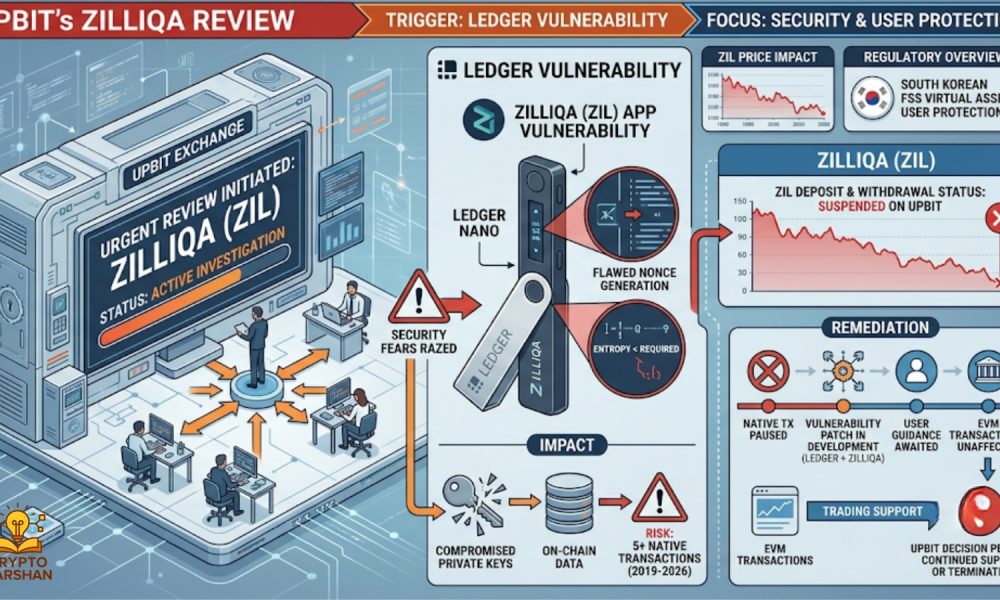
Upbit has placed Zilliqa under review after a serious Ledger wallet flaw raised fresh concerns about user safety and technical reliability. The issue has already shaken confidence in the token, and the exchange’s move shows how fast security problems can turn into delisting risk in crypto.
The case is not just about one bug. It is about how quickly a hidden weakness in wallet software can become a major market issue when it affects private keys, user trust, and exchange policy.
What Triggered The Review

The concern centers on a critical vulnerability in Zilliqa’s official Ledger hardware wallet app. Reports say the flaw has existed since the app first launched in 2019 and could allow attackers to recover private keys after multiple native Zilliqa transactions.
That kind of flaw is especially alarming because private keys are the foundation of wallet security. If a key can be exposed, funds may be stolen without the user ever approving a transfer.
Upbit responded by putting the asset into its investment warning process, which is often the first step before a possible delisting decision.
Why This Vulnerability Matters
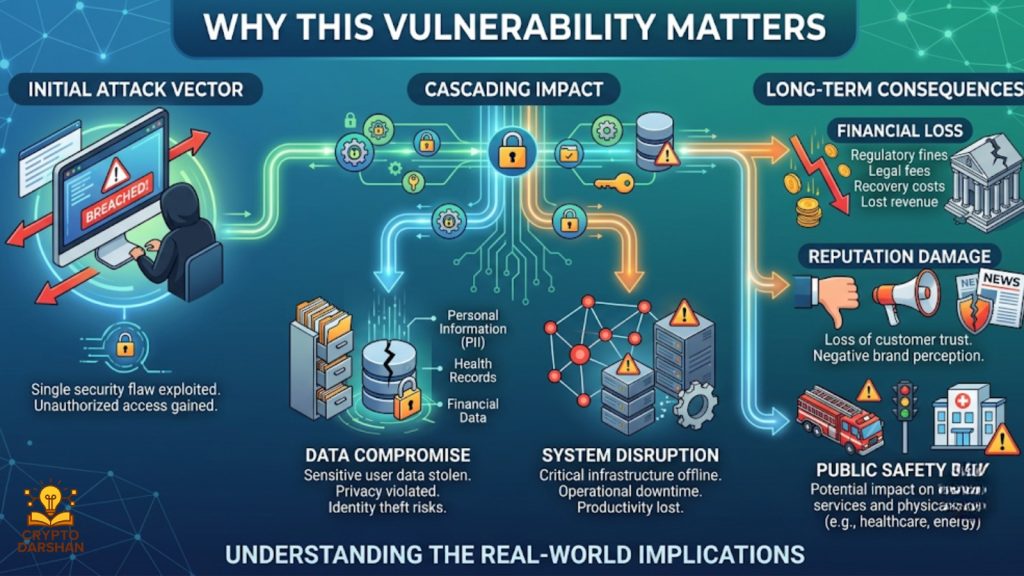
Security issues in crypto can be technical, but their impact is very real. In this case, the Ledger bug reportedly involved nonce generation, a hidden part of the signing process that can be exploited if it is broken.
The danger is that the problem may have gone unnoticed for years while users continued to rely on the app. Once a flaw like this becomes public, exchanges must decide whether the token still meets their safety standards.
For users, this creates an urgent question: if the wallet software is weak, can the ecosystem around the asset still be trusted? That is the kind of risk exchanges take seriously when deciding whether to continue support.
How Upbit’s Policy Works
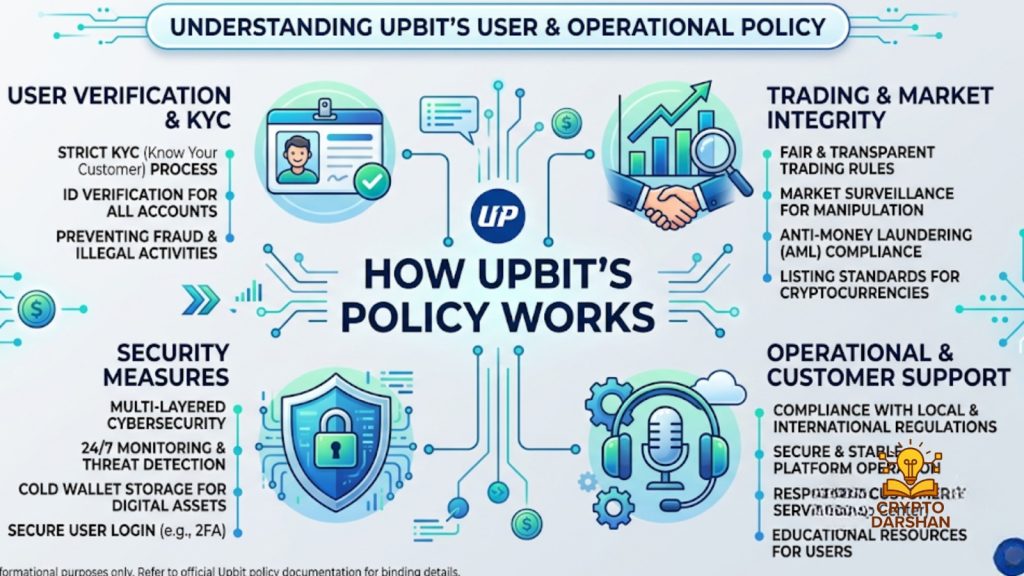
Upbit’s delisting policy gives the exchange broad discretion if a digital asset shows serious problems. The policy says a token can face removal if there is a serious vulnerability in the underlying technology and the issue is not addressed in time.
The process usually starts with an “Investment Warning” notice. After that, the token issuer gets a short period to fix the issue. If the problem is not resolved, Upbit can move forward with delisting.
The policy also notes that once delisting is announced, trading support may end after a set period, while withdrawals can remain available for a limited time. That is meant to give users time to react, but it also shows how quickly access can disappear once a token enters the warning stage.
Market Reaction And Price Pressure

The news has already hit the market. Reports say Zilliqa fell about 10% after the vulnerability became public, showing how fast traders respond to security-related headlines.
That reaction is not surprising. In crypto, a technical flaw can create fear long before any actual loss occurs. Traders often sell first and ask questions later, especially when an exchange with Upbit’s reach signals that a token may be at risk.
Liquidity can also weaken when delisting is possible. If users believe an asset may lose exchange support, they may rush to exit, which can deepen price drops and widen volatility.
What Zilliqa And Users Need To Do
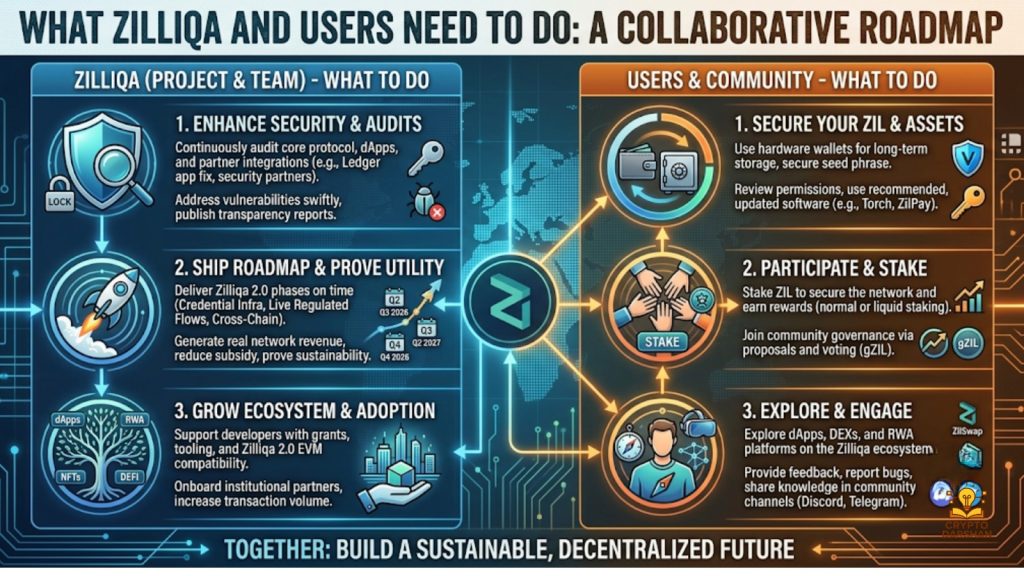
For Zilliqa, the immediate priority is clear communication and rapid remediation. The project needs to explain the flaw, show how it affects users, and prove that the problem has been fixed at the source.
For users, the safest move is to monitor official exchange notices and understand withdrawal timelines. If a token is under review, it is important to know whether deposits, trading, or withdrawals are still supported and how much time remains before any service changes.
This is also a reminder to treat wallet security as seriously as price performance. A token can have a strong brand and still face major risk if its infrastructure has a hidden weakness.
Wider Lesson For Crypto Exchanges

The broader lesson is that exchanges are under growing pressure to act fast when technical problems appear. Their role is not only to provide trading access, but also to protect users from assets that may become unsafe or unstable.
That is why security, disclosure, and project responsiveness matter so much. A token can survive market swings, but a severe technical vulnerability can push it into a far more dangerous category: one that threatens both user funds and exchange confidence.
Outlook For ZIL
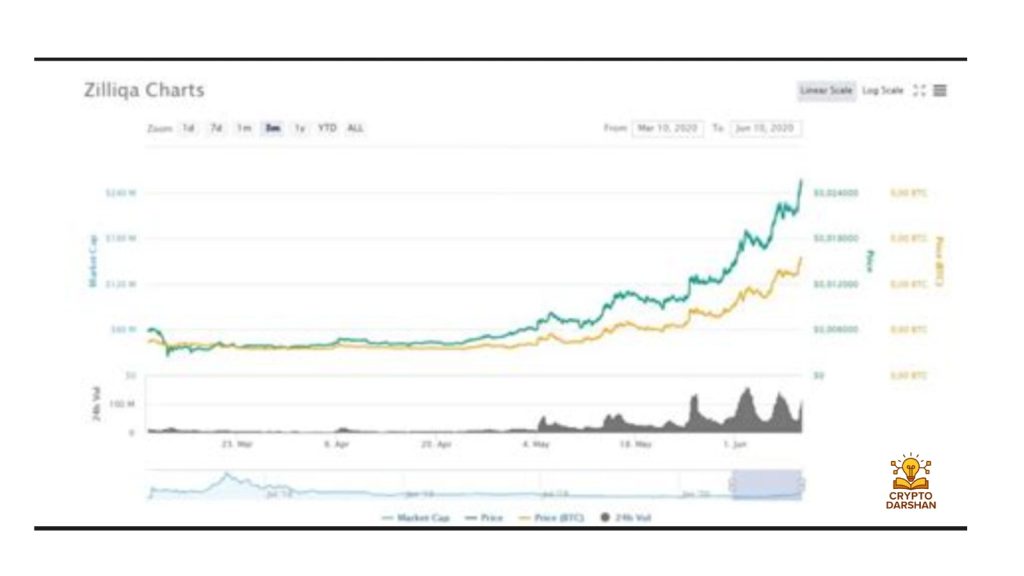
The next few days will likely decide whether this becomes a temporary scare or a longer delisting story. If the flaw is fixed clearly and quickly, the project may stabilize the situation.
If not, the exchange may continue toward removal, and that would likely put more pressure on price and liquidity. In a market where trust moves faster than code patches, this kind of announcement can change a token’s outlook very quickly.