
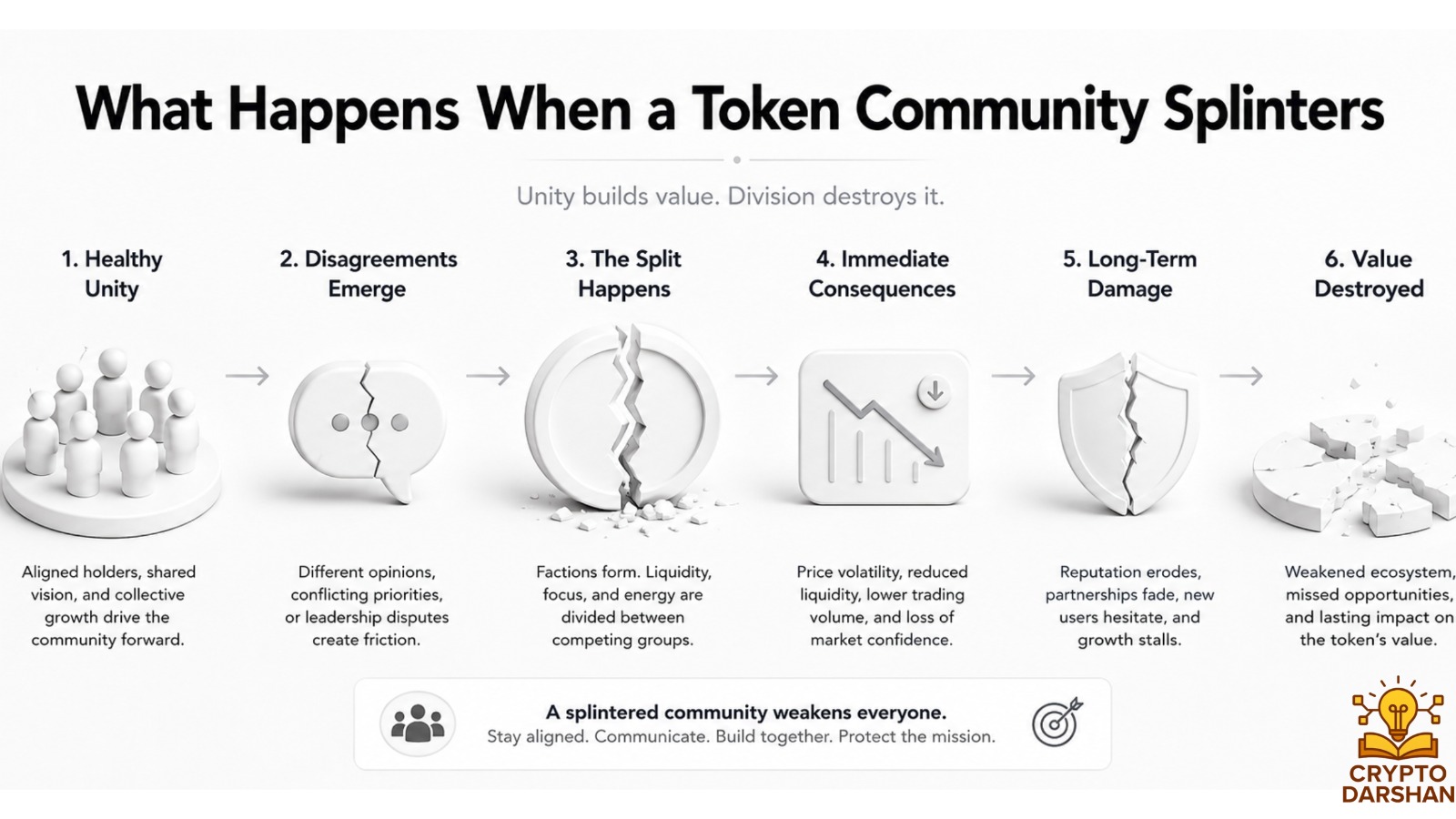
A Token Community represents more than just a group of investors or enthusiasts holding a specific cryptocurrency or digital asset. It is a collective of individuals united by shared goals, values, and visions for the future of a blockchain project. These communities drive innovation, adoption, and governance within decentralized ecosystems. However, when internal conflicts arise, a Token Community can splinter, leading to significant consequences for the project’s stability, reputation, and long-term success.
This article explores what happens when a Token Community splinters, the causes behind such divisions, the effects on token value and governance, and strategies to prevent or manage community fragmentation. Understanding these dynamics is essential for developers, investors, and community members who aim to sustain a healthy and thriving Token Community.
Understanding the Token Community
A Token Community is the backbone of any blockchain project. It consists of developers, investors, users, and advocates who contribute to the ecosystem’s growth. Unlike traditional organizations, Token Communities operate in decentralized environments where decision-making is distributed among participants.
Key Characteristics of a Token Community
- Decentralized Governance
Decisions are made collectively through voting mechanisms or consensus models rather than centralized leadership. - Shared Vision
Members align around a common mission, such as promoting financial freedom, privacy, or technological innovation. - Economic Incentives
Tokens often serve as both utility and governance tools, giving holders a stake in the project’s success. - Open Participation
Anyone can join, contribute, and influence the direction of the project, fostering inclusivity and diversity. - Transparency and Trust
Blockchain technology ensures that transactions and governance decisions are transparent, building trust among members.
When these elements function harmoniously, a Token Community can achieve remarkable growth. However, when misalignment occurs, the same decentralization that empowers members can also lead to fragmentation.
Causes of Token Community Splintering
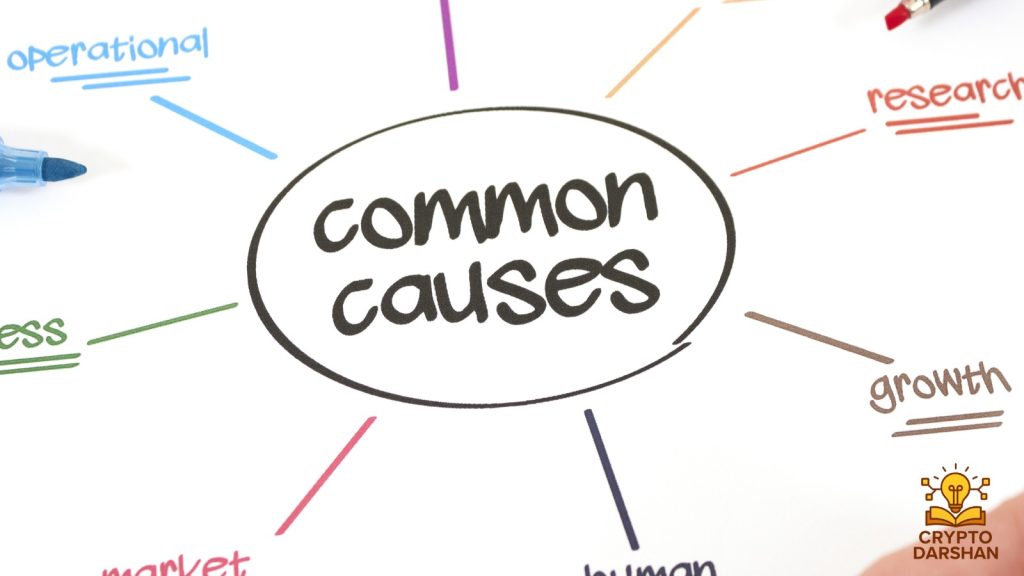
A Token Community can splinter for various reasons, often stemming from ideological, technical, or governance-related disputes. Understanding these causes helps identify early warning signs and prevent irreversible damage.
1. Ideological Differences
Ideological conflicts are among the most common causes of community splits. Members may disagree on the project’s direction, values, or purpose. For example, some may prioritize decentralization and privacy, while others focus on scalability and mainstream adoption. When these visions clash, factions form, leading to competing narratives within the Token Community.
2. Governance Disputes
Decentralized governance is both a strength and a vulnerability. Disagreements over voting mechanisms, leadership roles, or decision-making processes can create tension. If members feel their voices are ignored or that governance is manipulated by large stakeholders, trust erodes, and divisions deepen.
3. Technical Disagreements
Developers and contributors may disagree on technical upgrades, protocol changes, or network forks. These disputes can escalate into hard forks, where the blockchain splits into two separate networks, each supported by different factions of the Token Community.
4. Economic Conflicts
Tokenomics play a crucial role in maintaining harmony. Disputes over token distribution, inflation rates, or reward mechanisms can create resentment among members. When certain groups perceive unfair advantages or manipulation, they may break away to form new projects.
5. Leadership and Communication Failures
In decentralized ecosystems, leadership often emerges organically. However, poor communication, lack of transparency, or perceived favoritism can alienate members. Without effective conflict resolution mechanisms, small disagreements can spiral into full-blown schisms.
6. External Pressures
Regulatory challenges, market volatility, or external attacks can strain a Token Community. Under pressure, internal weaknesses become more visible, and factions may blame each other for failures, accelerating the splintering process.
The Process of Community Splintering

When a Token Community begins to splinter, the process typically unfolds in stages. Recognizing these stages can help stakeholders intervene before the division becomes permanent.
Stage 1: Emerging Discontent
Minor disagreements surface in forums, social media, or governance discussions. Members express dissatisfaction with leadership decisions or project direction. At this stage, open dialogue can still resolve issues.
Stage 2: Faction Formation
Groups with shared grievances start organizing. They may create separate communication channels or propose alternative roadmaps. The Token Community becomes polarized, with debates turning into conflicts.
Stage 3: Public Conflict
Disputes spill into public spaces, damaging the project’s reputation. Influencers and developers may take sides, and misinformation spreads rapidly. Token holders lose confidence, leading to price volatility.
Stage 4: Fork or Exodus
If reconciliation fails, one faction may initiate a hard fork, creating a new blockchain and token. Alternatively, disillusioned members may abandon the project entirely, reducing community engagement and liquidity.
Stage 5: Aftermath and Realignment
Both factions attempt to rebuild their respective communities. Some members remain loyal to the original project, while others migrate to the new one. Over time, each group develops its own identity, governance model, and ecosystem.
Historical Examples of Token Community Splits

Bitcoin and Bitcoin Cash
One of the most famous examples of a Token Community split occurred in 2017 when Bitcoin’s community divided over block size limits. The disagreement led to the creation of Bitcoin Cash, a separate blockchain with larger block sizes aimed at improving transaction speed. Both communities continue to exist, but the split highlighted how technical and ideological differences can reshape the crypto landscape.
Ethereum and Ethereum Classic
In 2016, after the DAO hack, the Ethereum community faced a moral and technical dilemma: whether to reverse the blockchain to recover stolen funds. The decision to implement a hard fork led to the creation of Ethereum (ETH) and Ethereum Classic (ETC). This event demonstrated how governance decisions can permanently divide a Token Community.
Steem and Hive
In 2020, the Steem community split after a controversial takeover by a major stakeholder. Dissatisfied members forked the blockchain to create Hive, emphasizing decentralization and community governance. This case underscores the importance of trust and transparency in maintaining unity.
Consequences of a Splintered Token Community
When a Token Community splinters, the effects ripple across multiple dimensions—technical, economic, social, and reputational.
Erosion of Trust
Trust is the foundation of any decentralized project. A split signals internal instability, causing investors and partners to lose confidence in the project’s long-term viability and leadership.
Market Volatility
Public disputes and the threat of a fork often trigger sharp price fluctuations. Traders react to the uncertainty, leading to increased volatility and potential panic selling among token holders.
Fragmented Liquidity
When a community divides, liquidity is often split between the original and the new asset. This reduction in trading volume can make the tokens more susceptible to price manipulation.
Stagnation of Development
A splintered Token Community often loses key developers and contributors. With resources and talent divided, the pace of innovation slows, and the project may struggle to meet its roadmap goals.
Reputational Damage
Contentious splits frequently play out in public forums and social media. This negative publicity can tarnish the project’s image, making it difficult to attract new users, developers, or institutional partners.
Governance Paralysis
Post-split, the remaining members often struggle to establish legitimate governance. Disagreements over decision-making power can lead to gridlock, preventing the community from taking necessary actions to stabilize the project.
Loss of Network Effects
The strength of a Token Community lies in its collective network effect. Fragmentation reduces the number of active participants, weakening the ecosystem’s overall utility and its competitive edge in the market.
Resource Duplication
Factions often end up duplicating efforts, such as building competing infrastructure or marketing campaigns. This inefficient use of limited resources prevents the community from achieving the scale and impact it could have had if united.
Psychological and Social Dynamics of Splintering
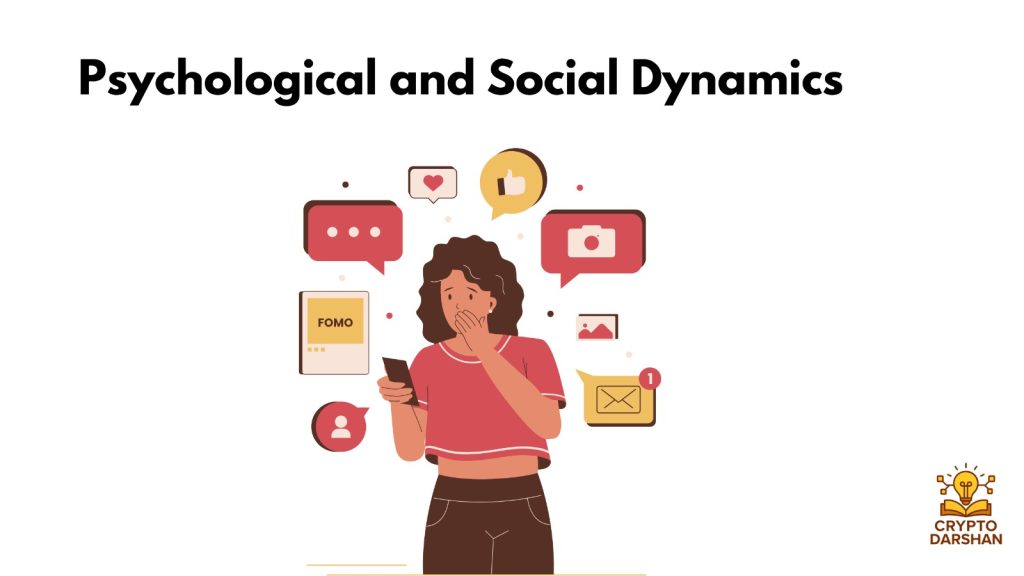
Beyond technical and economic factors, the human element plays a crucial role in community fragmentation. A Token Community thrives on shared identity and belonging. When that sense of unity erodes, emotional and psychological factors intensify divisions.
Group Identity and Tribalism
Members often develop strong emotional attachments to their community. When disagreements arise, these attachments can transform into tribalism, where loyalty to a faction outweighs rational decision-making.
Echo Chambers
As factions form, members seek validation within their groups, reinforcing biases and deepening divides. Constructive dialogue becomes rare, and misinformation spreads easily.
Leadership Polarization
Charismatic leaders can either unite or divide a Token Community. When leaders take opposing sides, their followers often mirror their conflicts, amplifying polarization.
Emotional Fatigue
Prolonged disputes cause burnout among active members. Volunteers, moderators, and developers may withdraw, leaving the community weaker and less organized.
Economic and Market Implications
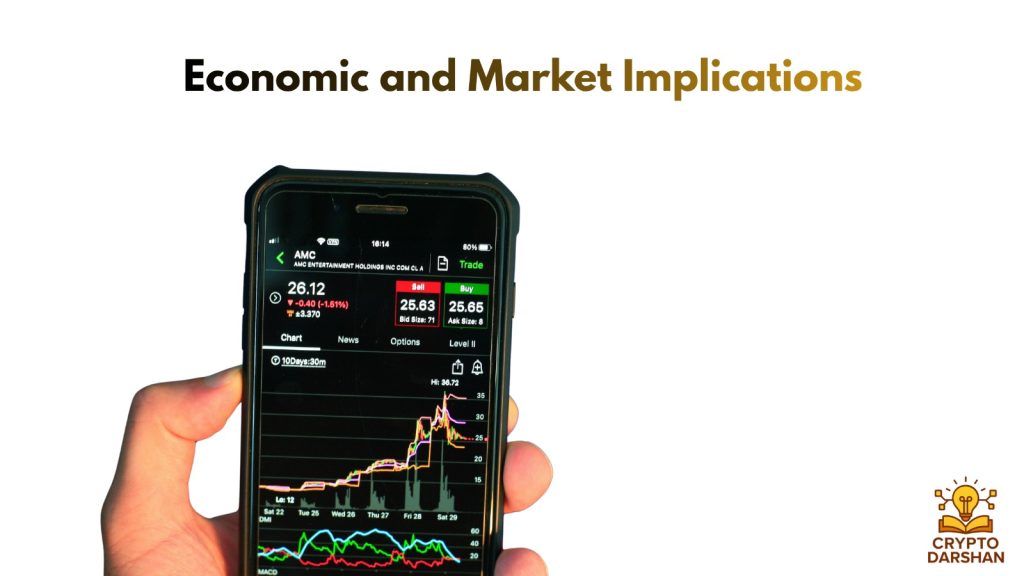
The economic consequences of a Token Community split extend beyond internal dynamics. They influence investor behavior, market perception, and the broader crypto ecosystem.
Market Volatility
Splits often trigger sharp price fluctuations. Traders speculate on which faction will succeed, leading to short-term volatility and long-term uncertainty.
Investor Confidence
Institutional investors prefer stability. A splintered Token Community signals governance risk, discouraging large-scale investment and partnerships.
Liquidity Fragmentation
When a token forks, liquidity divides between the original and new assets. This fragmentation reduces trading volume and increases price manipulation risks.
Exchange Listings
Exchanges may hesitate to list both tokens resulting from a split, limiting accessibility and market exposure for one or both projects.
Long-Term Value Creation
While some splits lead to innovation and renewed focus, most result in diminished value due to duplicated efforts and reduced collaboration.
Governance Lessons from Splintered Communities

The history of Token Community splits offers valuable lessons for future projects. Effective governance can prevent or mitigate fragmentation.
1. Transparent Decision-Making
Open communication and transparent voting processes build trust. Members should understand how decisions are made and have opportunities to participate meaningfully.
2. Inclusive Governance Models
Diverse representation ensures that all voices are heard. Balancing the influence of large stakeholders with smaller participants prevents power concentration.
3. Conflict Resolution Mechanisms
Establishing formal mediation or arbitration processes helps resolve disputes before they escalate. Community councils or decentralized courts can play a vital role.
4. Clear Communication Channels
Official communication platforms should provide accurate information and discourage misinformation. Regular updates from developers and leaders maintain engagement and trust.
5. Adaptive Governance
As projects evolve, governance models must adapt. Flexibility allows communities to respond to new challenges without resorting to drastic measures like forks.
Strategies to Prevent Token Community Splintering

Preventing a Token Community from splintering requires proactive management, empathy, and strategic planning.
Foster a Shared Vision
Regularly reaffirm the project’s core mission and long-term values. When members are deeply aligned around a common purpose, they are less likely to drift toward ideological factions during minor disagreements.
Encourage Open Dialogue
Create safe, transparent spaces for discussion where members can voice concerns without fear of backlash. Constructive debate allows for the resolution of grievances before they escalate into deep-seated resentment.
Implement Inclusive Governance
Ensure diverse representation in decision-making processes. By balancing the influence of large stakeholders with smaller participants, you prevent the feeling of disenfranchisement that often leads to community splits.
Establish Conflict Resolution Mechanisms
Formalize mediation or arbitration processes to handle disputes. Having a clear, neutral path for resolving technical or governance disagreements helps keep the Token Community focused on progress rather than conflict.
Maintain Leadership Accountability
Leaders must model transparency and humility. Regular public reports, financial audits, and open Q&A sessions build credibility and ensure that the community feels informed and respected by those in charge.
Incentivize Collaboration
Use token rewards, grants, or recognition programs to actively promote teamwork. When members are rewarded for working together on shared goals, it strengthens the social bonds that hold the Token Community together.
Monitor Sentiment Proactively
Utilize analytics tools to track engagement and community sentiment. Early detection of rising dissatisfaction allows leadership to intervene with communication or policy adjustments before a small issue becomes a major divide.
Rebuilding After a Split

When a Token Community has already splintered, recovery is possible through deliberate effort and renewed focus.
1. Reestablish Trust
Acknowledge past mistakes and commit to transparency. Open communication and consistent actions rebuild credibility.
2. Redefine the Mission
Clarify the project’s new direction. A fresh vision can inspire members and attract new participants.
3. Strengthen Governance
Implement improved governance structures that address previous weaknesses. Encourage participation and accountability.
4. Reengage the Community
Host events, AMAs, and collaborative initiatives to reignite enthusiasm. Recognize contributors who remain loyal and reward their commitment.
5. Collaborate Across Factions
Even after a split, cooperation between factions can benefit both sides. Shared research, interoperability, or joint initiatives can rebuild bridges.
6. Focus on Innovation
Redirect energy toward development and problem-solving. Delivering tangible results restores confidence and attracts new supporters.
The Future of Token Communities

As blockchain technology matures, Token Communities will continue to evolve. The lessons learned from past splits can guide future projects toward resilience and sustainability.
Decentralized Governance Evolution
New governance models, such as DAOs (Decentralized Autonomous Organizations), are experimenting with more democratic and transparent systems. These innovations aim to reduce the risk of splintering by aligning incentives and improving participation.
Cross-Community Collaboration
Interoperability between blockchains encourages collaboration rather than competition. Token Communities that embrace cooperation can thrive in a multi-chain ecosystem.
Emphasis on Education and Culture
Strong community culture and education foster long-term loyalty. Projects that invest in community development create more resilient ecosystems.
Institutional Involvement
As institutional investors enter the crypto space, governance standards will rise. Token Communities that demonstrate stability and professionalism will attract greater support.
FAQ: What Happens When a Token Community Splinters?

1. What does it mean when a token community splinters?
A token community splinters when members divide into competing groups due to disagreements about governance, development direction, tokenomics, leadership, or project goals.
2. Why do token communities split?
Common reasons include governance disputes, controversial upgrades, disagreements over treasury spending, leadership conflicts, and differing visions for the project’s future.
3. How does a community split affect a token’s price?
Community fragmentation often creates uncertainty, reducing investor confidence and increasing price volatility. In severe cases, it can lead to significant sell-offs.
4. Can a token survive after its community divides?
Yes. Some projects successfully recover by improving governance, rebuilding trust, and aligning stakeholders around a clear roadmap.
5. What is a blockchain fork, and how is it related to community splits?
A blockchain fork occurs when a network divides into two separate chains. Community disagreements can sometimes trigger hard forks, resulting in competing versions of the same project.
6. How do governance conflicts contribute to community fragmentation?
Governance conflicts arise when stakeholders disagree on proposals, voting mechanisms, or strategic decisions, causing factions to form within the community.
7. What are the warning signs of a community split?
Signs include heated governance debates, declining participation, public disputes among leaders, social media conflicts, and competing proposals from different groups.
8. How does community fragmentation affect project development?
Development can slow down as contributors focus on internal disputes rather than building products, attracting users, or improving the ecosystem.
Conclusion
A Token Community is the lifeblood of any blockchain project. When united, it drives innovation, adoption, and value creation. When divided, it risks losing credibility, trust, and momentum. Understanding the causes, processes, and consequences of community splintering is essential for sustaining long-term success.
By fostering transparency, inclusivity, and shared purpose, Token Communities can navigate challenges without fracturing. The future of decentralized ecosystems depends not only on technology but also on the strength and unity of the people who believe in it.
In the end, the resilience of a Token Community lies in its ability to adapt, communicate, and collaborate. Whether facing internal disagreements or external pressures, communities that prioritize trust and collective growth will continue to shape the future of blockchain innovation.