The cryptocurrency industry has evolved into a complex ecosystem of innovation, speculation, and opportunity. At the heart of this ecosystem lies one of the most powerful mechanisms for funding and growth—Token Launches. These events have become the lifeblood of blockchain projects, enabling developers, investors, and communities to collaborate in building decentralized networks. But behind the excitement and hype, there exists a deeper layer of financial strategy, market psychology, and economic design that determines the success or failure of these launches.
Token Launches are not just about distributing digital assets; they are about creating entire economies from scratch. Each launch involves intricate planning around supply, demand, incentives, and governance. Understanding the hidden economics behind Token Launches reveals how projects attract capital, sustain growth, and maintain long-term value in a volatile market.
This article explores the unseen forces that shape Token Launches, including tokenomics, distribution models, investor behavior, and market manipulation. It also examines how these factors influence the broader crypto economy and what the future holds for token-based fundraising.
Understanding Token Launches

What Are Token Launches?
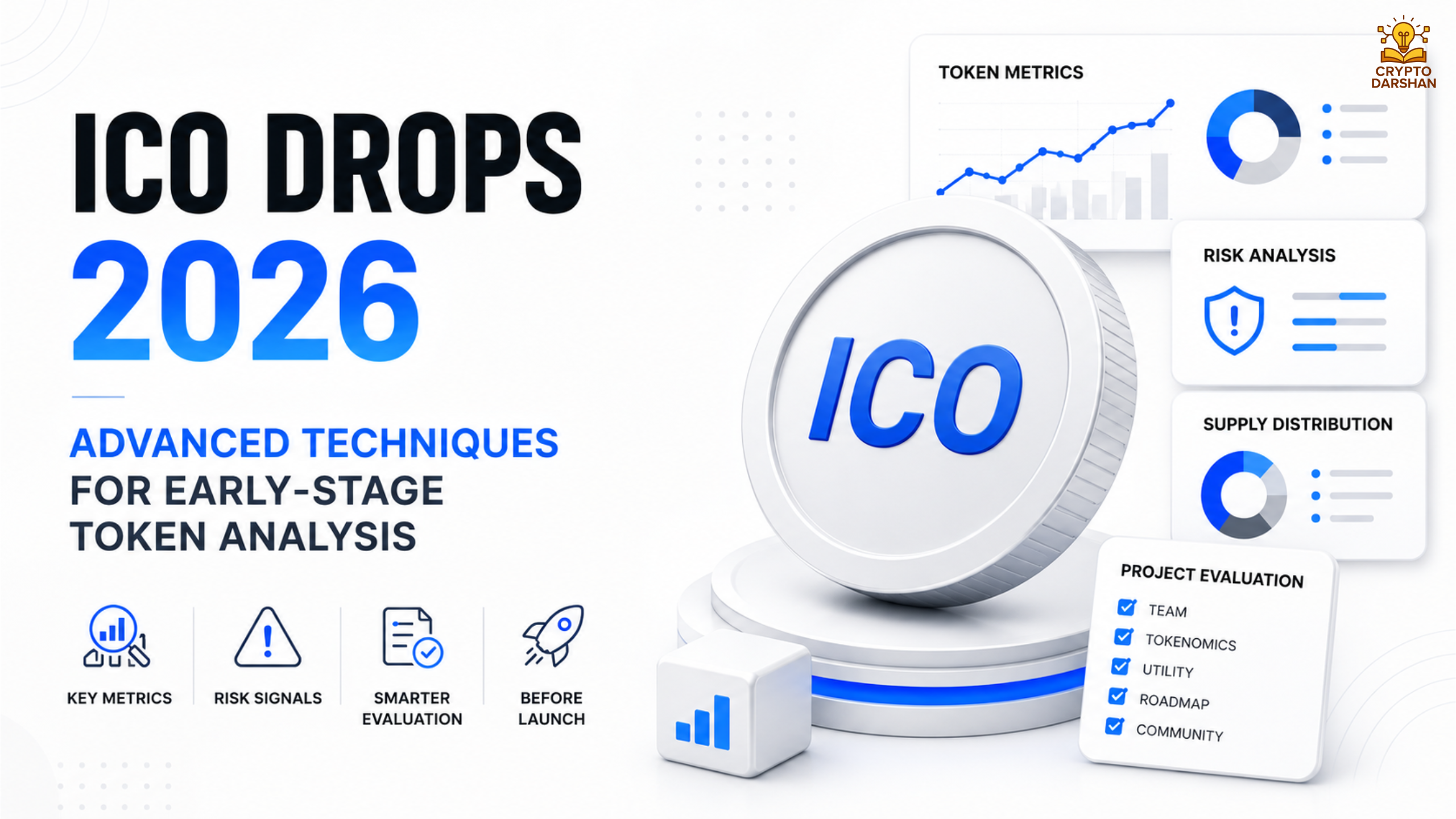
A token launch is the process of creating and releasing a new digital asset on a blockchain. This process encompasses planning, coding, testing, and marketing the token. It is a comprehensive journey that transforms an idea into a functional asset, ready to be used or traded within the blockchain ecosystem. These tokens often represent utility, governance rights, or ownership within a blockchain ecosystem. A Token Launch can take many forms, including Initial Coin Offerings (ICOs), Initial Exchange Offerings (IEOs), Security Token Offerings (STOs), and more recently, Initial DEX Offerings (IDOs).
The primary goal of Token Launches is to raise capital for project development while distributing tokens to early supporters. However, beyond fundraising, these launches also serve as a mechanism to bootstrap network participation, incentivize users, and establish a market presence.
The Evolution of Token Launches
The concept of Token Launches began with Bitcoin’s introduction in 2009, though Bitcoin itself had no formal launch event. The first major wave came with Ethereum’s ICO in 2014, which raised over $18 million and set the stage for a new era of blockchain fundraising. Between 2017 and 2018, ICOs exploded in popularity, raising billions of dollars but also attracting scams and regulatory scrutiny.
As the market matured, new models like IEOs and IDOs emerged to address transparency and security concerns. Today, Token Launches are more sophisticated, often involving multi-stage sales, vesting schedules, and community-driven governance.
Token launches are not limited to cryptocurrencies—real-world assets are entering the blockchain space, as explored in Why Billionaires Are Suddenly Talking About Tokenized Real Estate
The Economic Foundations of Token Launches
Tokenomics: The Core of Every Launch
At the center of every Token Launch lies tokenomics—the economic design that governs how tokens are created, distributed, and used. Tokenomics determines the long-term sustainability of a project by balancing incentives for all participants.
Key components of tokenomics include:
- Total Supply: The maximum number of tokens that will ever exist.
- Circulating Supply: The number of tokens currently available in the market.
- Inflation and Deflation Mechanisms: How new tokens are minted or burned over time.
- Utility: The purpose of the token within the ecosystem (e.g., governance, staking, payments).
- Distribution: How tokens are allocated among founders, investors, and the community.
A well-designed tokenomic model ensures that Token Launches create value rather than short-term speculation. Poorly designed models, on the other hand, can lead to inflation, price crashes, and loss of investor confidence.
Supply and Demand Dynamics
The success of Token Launches depends heavily on supply and demand. If the supply is too high relative to demand, token prices may fall quickly after launch. Conversely, limited supply combined with strong demand can drive prices upward, creating hype and liquidity.
Projects often use mechanisms like token burns, staking rewards, and buyback programs to manage supply. Demand is driven by the token’s utility, community engagement, and perceived future value. Understanding these dynamics is crucial for predicting post-launch performance.
Incentive Alignment
Token Launches must align incentives among all stakeholders—developers, investors, and users. Developers need funding to build, investors seek returns, and users want utility. Tokenomics bridges these interests by rewarding participation and long-term commitment.
For example, staking rewards encourage users to hold tokens, while vesting schedules prevent early investors from dumping their holdings. This alignment ensures stability and sustainable growth after the Token Launch.
The Phases of Token Launches
1. Pre-Launch Phase
The pre-launch phase is where the groundwork for Token Launches is laid. This includes designing the tokenomics, building the community, and setting up marketing campaigns. Projects often release whitepapers detailing their vision, technology, and economic model.
During this phase, private sales or seed rounds may occur, where early investors purchase tokens at discounted rates. These investors provide initial capital but also influence the token’s early price dynamics.
2. Launch Phase
The launch phase is when tokens are officially made available to the public. Depending on the model, this could happen through an ICO, IEO, or IDO. The launch event generates excitement and liquidity, but it also introduces volatility as traders speculate on price movements.
Successful Token Launches manage this volatility through mechanisms like vesting, lock-ups, and gradual release schedules. These measures prevent sudden sell-offs and maintain price stability.
3. Post-Launch Phase
After the launch, the focus shifts to maintaining momentum. Projects must deliver on their promises, expand their ecosystem, and sustain community engagement. Token performance during this phase depends on real-world utility, partnerships, and continued development.
Post-launch economics also involve secondary market trading, staking programs, and governance participation. The long-term success of Token Launches depends on how well projects transition from hype to utility.
Some of the Hidden Economics Behind Token Launches

Token Supply and Inflation Control
The total supply of tokens and how they are released over time directly affect price stability. Projects often use vesting schedules, token burns, or capped supplies to manage inflation. These mechanisms create scarcity and influence long-term value after Token Launches.
Investor Incentives and Vesting Periods
Early investors usually receive tokens at discounted prices, but vesting periods prevent them from selling immediately. This hidden economic design helps maintain price stability and aligns investor interests with the project’s long-term success.
Liquidity Management
Liquidity is essential for healthy trading after Token Launches. Projects often allocate funds to liquidity pools or partner with market makers to ensure smooth price discovery. Poor liquidity can lead to extreme volatility and loss of investor confidence.
Market Making and Price Support
Some projects secretly use market makers to stabilize token prices during and after Token Launches. These entities buy and sell tokens strategically to prevent sharp price drops, creating the illusion of steady demand.
Token Utility and Ecosystem Demand
The real economic value of a token depends on its utility within the ecosystem. Tokens used for staking, governance, or transaction fees create organic demand. Without genuine use cases, prices rely solely on speculation, which is unsustainable.
Private Sales and Allocation Strategies
The distribution of tokens among founders, investors, and the community shapes the project’s economic balance. Heavy concentration in private sales can lead to centralization and post-launch sell pressure, while fairer distributions promote decentralization.
Exchange Listing Economics
Getting listed on major exchanges often involves high fees or token allocations. These hidden costs influence how much capital remains for development and marketing after Token Launches.
Psychological Pricing and Hype Cycles
Projects often set token prices strategically to trigger investor excitement. Limited-time sales, countdowns, and scarcity marketing create FOMO (Fear of Missing Out), driving demand during Token Launches.
The Role of Investors in Token Launches
Retail Investors
Retail investors are often the driving force behind Token Launches. They bring liquidity and community support but are also prone to emotional trading. Many retail participants are motivated by short-term gains, which can lead to price volatility.
Projects must balance retail enthusiasm with education and transparency to prevent speculative bubbles. Clear communication about token utility and long-term goals helps maintain investor confidence.
Institutional Investors
Institutional investors bring credibility and stability to Token Launches. Their participation signals confidence in the project’s fundamentals. However, institutions often negotiate favorable terms, such as discounted prices or early access, which can create disparities in token distribution.
To maintain fairness, many projects now implement tiered sales or public lotteries to ensure broader participation in Token Launches.
Venture Capital and Strategic Partners
Venture capital firms play a crucial role in funding early-stage blockchain projects. Their involvement provides not only capital but also strategic guidance and networking opportunities. However, heavy VC involvement can sometimes lead to centralization, contradicting the decentralized ethos of blockchain.
Balancing institutional and community participation is key to equitable Token Launches.
Market Psychology and Token Launches

The Hype Cycle
Token Launches often follow a predictable hype cycle. Initial excitement drives prices up, followed by a correction as early investors take profits. Projects that survive this phase and continue to deliver value tend to stabilize and grow organically.
Understanding this cycle helps investors identify sustainable opportunities rather than falling for short-term hype.
FOMO and Speculation
Fear of Missing Out (FOMO) is a powerful force in Token Launches. When investors see rapid price increases, they rush to buy, often without understanding the fundamentals. This behavior can inflate prices beyond intrinsic value, leading to eventual crashes.
Educated investors focus on token utility, team credibility, and long-term vision rather than short-term speculation.
Community Influence
Communities play a vital role in the success of Token Launches. Active communities drive adoption, create content, and attract new users. Projects that foster strong community engagement often outperform those that rely solely on marketing.
Decentralized governance models further empower communities by giving them a voice in decision-making, reinforcing loyalty and participation.
Token Distribution Models
Fair Launch
A fair launch occurs when tokens are distributed without pre-mining or private sales. Everyone has equal access to tokens, often through mining or liquidity provision. Bitcoin and Yearn Finance are examples of fair launches.
Fair Token Launches promote decentralization and community trust but may struggle to raise initial capital.
Private and Public Sales
Most Token Launches use a combination of private and public sales. Private sales attract early investors, while public sales engage the broader community. Balancing these two ensures both funding and decentralization.
Airdrops and Incentive Programs
Airdrops distribute free tokens to users as a marketing strategy or reward for participation. They help build awareness and encourage adoption. However, poorly executed airdrops can attract short-term speculators rather than long-term supporters.
Launchpads and IDOs
Launchpads have become popular platforms for Token Launches. They vet projects, manage fundraising, and provide liquidity through decentralized exchanges. IDOs (Initial DEX Offerings) allow users to participate directly from their wallets, ensuring transparency and accessibility.
The Economics of Token Pricing
Initial Valuation
Determining the initial price of a token is one of the most critical aspects of Token Launches. Overvaluation can lead to post-launch crashes, while undervaluation may leave capital on the table. Projects use various methods, including market comparisons, discounted cash flow models, and demand forecasting, to set prices.
Price Discovery
After launch, the market determines the token’s true value through supply and demand. Exchanges play a key role in this process by providing liquidity and enabling trading. Transparent and fair price discovery is essential for maintaining investor trust.
Liquidity Management
Liquidity is vital for healthy Token Launches. Without sufficient liquidity, tokens become volatile and difficult to trade. Projects often allocate a portion of funds to liquidity pools or partner with market makers to ensure smooth trading.
The Hidden Costs of Token Launches
Marketing and Community Building
Successful Token Launches require extensive marketing efforts, including social media campaigns, influencer partnerships, and community management. These activities can consume a significant portion of the project’s budget.
Regulatory Compliance
Navigating the regulatory landscape is one of the biggest challenges for Token Launches. Projects must comply with securities laws, anti-money laundering (AML) regulations, and know-your-customer (KYC) requirements. Legal compliance adds complexity and cost but is essential for long-term sustainability.
Exchange Listings
Getting listed on major exchanges increases visibility and liquidity but often comes with high fees. Some exchanges charge hundreds of thousands of dollars for listings, making it a major expense for new projects.
Risks and Challenges in Token Launches
Market Volatility
Cryptocurrency markets are inherently volatile. Prices can fluctuate dramatically within hours, affecting the success of Token Launches. Projects must plan for volatility by implementing vesting schedules and liquidity management strategies.
Scams and Rug Pulls
The popularity of Token Launches has also attracted bad actors. Some projects launch tokens with no real utility or intention to deliver, leading to rug pulls where developers disappear with investor funds. Due diligence and transparency are essential to prevent such incidents.
Regulatory Uncertainty
Regulatory frameworks for Token Launches vary across jurisdictions. Unclear or changing regulations can create legal risks for both projects and investors. Engaging legal experts early in the process helps mitigate these risks.
The Future of Token Launches
Decentralized Governance and DAOs
The future of Token Launches lies in decentralized governance. Decentralized Autonomous Organizations (DAOs) allow communities to control project decisions, from funding allocation to protocol upgrades. This model enhances transparency and aligns incentives among stakeholders.
Cross-Chain Launches
As blockchain ecosystems become more interconnected, cross-chain Token Launches are gaining traction. These launches allow tokens to operate across multiple networks, increasing accessibility and liquidity.
AI and Data-Driven Tokenomics
Artificial intelligence and data analytics are transforming how Token Launches are designed. AI can analyze market trends, investor behavior, and risk factors to optimize token distribution and pricing strategies.
Sustainable and Ethical Launches
Future Token Launches will focus on sustainability and ethical practices. Projects are increasingly adopting transparent fundraising models, fair distribution, and environmentally friendly consensus mechanisms.
FAQ
1. What is a token launch?
A token launch is the process of releasing a new cryptocurrency or digital token to the public. It often includes mechanisms like Initial Coin Offerings (ICOs), Initial DEX Offerings (IDOs), or token airdrops, and is usually aimed at raising funds, distributing tokens, or incentivizing network participation.
2. Why are token launches important for blockchain projects?
Token launches provide liquidity, fund development, and create a community around a project. They also align incentives between developers, investors, and users by giving stakeholders a stake in the network’s success.
3. What factors affect a token’s price after launch?
Several factors influence post-launch token prices:
- Total supply and circulation
- Demand from investors and users
- Market sentiment and hype
- Lock-up periods and vesting schedules
- Utility of the token within the ecosystem
4. What is a vesting schedule?
A vesting schedule defines how and when tokens are released to team members, advisors, or investors. It helps prevent large sell-offs that could crash the token’s price, ensuring long-term project stability.
5. How do liquidity pools impact token launches?
Liquidity pools provide the capital needed for users to buy and sell tokens on decentralized exchanges. Sufficient liquidity reduces price volatility and improves user confidence during and after the launch.
6. Are all token launches regulated?
Regulation varies by country. Some token launches may be considered securities offerings, requiring compliance with financial regulations. Others may fall under utility tokens or decentralized protocols with less stringent oversight. Always consult local laws before launching a token.
7. What is the difference between an ICO, IDO, and IEO?
- ICO (Initial Coin Offering): Direct public sale of tokens by the project team.
- IDO (Initial DEX Offering): Token sale on a decentralized exchange.
- IEO (Initial Exchange Offering): Token sale managed by a centralized exchange.
8. How can token economics influence a project’s long-term success?
Well-designed tokenomics ensure balanced incentives, sustainable supply, and proper utility within the ecosystem. Poor tokenomics can lead to early sell-offs, low adoption, or unsustainable growth.
Conclusion
Token Launches are more than just fundraising events—they are the foundation of new digital economies. Behind every successful launch lies a complex interplay of economics, psychology, and technology. Understanding these hidden dynamics helps investors, developers, and communities make informed decisions and build sustainable ecosystems.
As the crypto industry matures, Token Launches will continue to evolve, becoming more transparent, data-driven, and community-oriented. The projects that master the economics behind their launches will not only survive but thrive in the competitive world of decentralized finance.
In the end, the hidden economics behind Token Launches reveal a simple truth: success in the crypto world is not just about innovation—it’s about designing systems that balance incentives, manage risk, and create lasting value for everyone involved.