
The rise of blockchain technology has transformed industries, reshaped financial systems, and introduced new ways of building trust in digital environments. Yet, despite its potential, creating a successful Blockchain Business remains one of the most challenging ventures in the modern tech landscape. Entrepreneurs are drawn to the promise of decentralization, transparency, and innovation, but few realize the complexity behind turning an idea into a sustainable blockchain enterprise.
Building a Blockchain Business is not just about writing smart contracts or launching tokens. It involves navigating regulatory uncertainty, designing secure systems, building user trust, and creating real-world value beyond speculation. This article explores the hardest parts of building a blockchain business, the common pitfalls founders face, and the strategies that can help overcome these challenges.
Understanding What a Blockchain Business Is

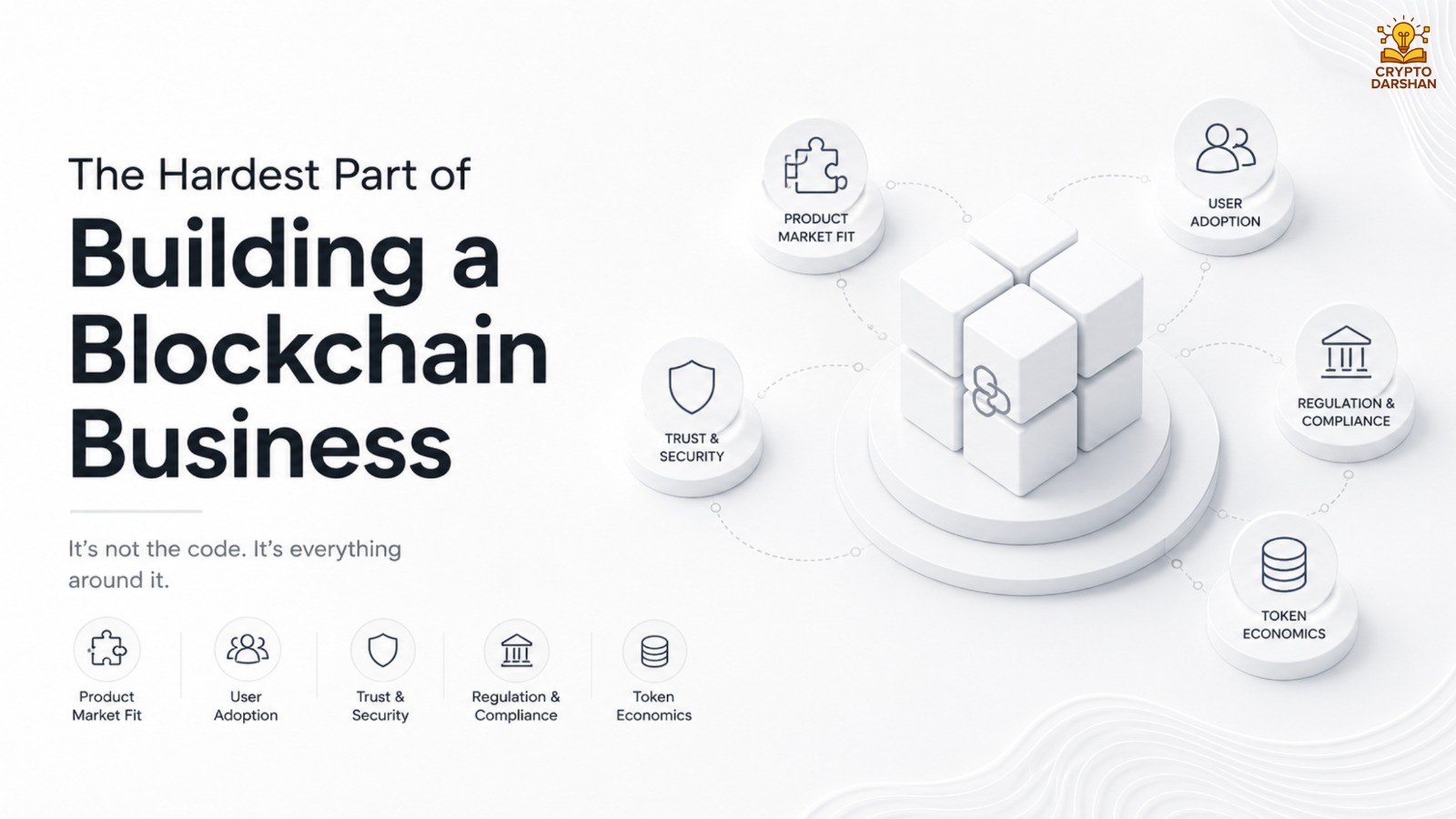
A Blockchain Business is any company or project that uses blockchain technology as the foundation of its operations, products, or services. This can include decentralized finance (DeFi) platforms, supply chain tracking systems, NFT marketplaces, identity verification tools, and more. Unlike traditional businesses, blockchain ventures rely on distributed networks rather than centralized servers, which introduces both opportunities and obstacles.
The decentralized nature of blockchain means that control is shared among participants rather than held by a single entity. While this structure promotes transparency and security, it also complicates governance, scalability, and compliance. A successful Blockchain Business must balance innovation with practicality, ensuring that its technology serves real user needs.
The Hardest Part of Building a Blockchain Business
1. Navigating Regulatory Uncertainty
One of the biggest challenges in building a Blockchain Business is navigating unclear, constantly changing regulations. Governments around the world are still figuring out how to classify cryptocurrencies, tokens, and decentralized applications. Some countries embrace blockchain innovation, while others impose strict restrictions or outright bans.
For entrepreneurs, this creates a moving target. A Blockchain Business must comply with anti-money laundering (AML) laws, know-your-customer (KYC) requirements, and securities regulations — all of which vary by jurisdiction. Failing to meet these standards can lead to fines, shutdowns, or loss of investor confidence.
To succeed, blockchain founders must work closely with legal experts, stay informed about policy changes, and design flexible business models that can adapt to new regulations. Compliance is not optional; it’s a cornerstone of long-term sustainability.
2. Building User Trust in a Decentralized World
Trust is the foundation of any business, but in a Blockchain Business, it’s even more critical. Many users are still skeptical about blockchain technology due to its association with scams, hacks, and volatile markets. Convincing people to trust a decentralized system requires transparency, security, and consistent performance.
A Blockchain Business must demonstrate that its platform is safe, its team is credible, and its goals are genuine. This involves open-source code, regular audits, and clear communication. Projects that hide behind anonymity or fail to deliver on promises quickly lose credibility.
Building trust also means educating users. Many potential customers don’t fully understand how blockchain works. Simplifying complex concepts through intuitive design and clear messaging can make a huge difference in adoption.
3. Designing a Scalable and Secure Infrastructure
Scalability and security are two of the toughest technical challenges in any Blockchain Business. Public blockchains like Ethereum and Bitcoin face limitations in transaction speed and cost. As user demand grows, networks can become congested, leading to slow processing times and high fees.
A successful Blockchain Business must design systems that can handle growth without compromising performance or security. This often involves exploring layer-2 solutions, sidechains, or hybrid models that combine centralized and decentralized elements.
Security is equally critical. Smart contract vulnerabilities, private key leaks, and network attacks can destroy a project overnight. Investing in rigorous testing, code audits, and continuous monitoring is essential. In blockchain, one small mistake can lead to irreversible losses.
4. Finding the Right Product-Market Fit
Many blockchain startups fail because they focus on technology rather than solving real problems. A Blockchain Business must identify a clear use case where decentralization adds genuine value. Not every problem needs a blockchain solution, and forcing the technology into irrelevant contexts leads to wasted resources.
Finding product-market fit requires deep research, user feedback, and iteration. Entrepreneurs should ask: Does blockchain improve transparency, reduce costs, or enhance security in this scenario? If the answer is no, the business model may need rethinking.
Successful Blockchain Businesses like Chainlink, Uniswap, and Polygon found their niche by addressing specific pain points — data reliability, decentralized trading, and scalability. Their success came from aligning technology with user needs, not just innovation for its own sake.
5. Managing Tokenomics and Incentives
Tokenomics — the economic design of a blockchain’s native token — is one of the most complex aspects of building a Blockchain Business. Tokens can serve multiple purposes: governance, utility, rewards, or investment. Poorly designed tokenomics can lead to inflation, speculation, or lack of engagement.
A Blockchain Business must carefully balance supply and demand, ensuring that tokens have real utility within the ecosystem. Overemphasis on token price can distract from product development and long-term growth. Sustainable token models reward genuine participation rather than short-term speculation.
Transparency in token distribution, vesting schedules, and governance mechanisms is also vital. Users and investors need to understand how tokens are allocated and how decisions are made within the network.
6. Competing in a Crowded Market
The blockchain industry is highly competitive. Thousands of projects launch every year, many offering similar solutions. Standing out in this crowded space requires a strong brand, clear value proposition, and exceptional execution.
A Blockchain Business must differentiate itself through innovation, usability, and community engagement. Marketing plays a crucial role, but hype alone is not enough. Projects that overpromise and underdeliver quickly lose relevance.
Building a loyal community is one of the most effective ways to sustain growth. Engaged users become advocates, spreading awareness and contributing to development. Community-driven growth is a hallmark of successful blockchain ecosystems.
7. Balancing Decentralization and Usability
Decentralization is the core principle of blockchain, but it often comes at the cost of convenience. Fully decentralized systems can be slow, complex, and difficult for average users to navigate. On the other hand, centralized systems are faster but compromise on transparency and control.
A Blockchain Business must find the right balance between decentralization and usability. This means designing interfaces that are simple yet secure, and systems that empower users without overwhelming them. Hybrid models, where certain functions remain centralized for efficiency can offer a practical compromise.
User experience (UX) design is often overlooked in blockchain projects. However, intuitive design can be the difference between mass adoption and niche usage. The easier it is for users to interact with a blockchain product, the faster it will grow.
8. Securing Funding and Investor Confidence

Raising capital for a Blockchain Business can be both easier and harder than in traditional startups. On one hand, token sales and decentralized fundraising platforms provide new opportunities. On the other, investors are more cautious due to past scams and market volatility.
Founders must present a clear vision, a solid roadmap, and a credible team. Transparency is key — investors want to see real progress, not just whitepapers and promises. Regular updates, open communication, and measurable milestones build confidence.
Venture capital firms specializing in blockchain are growing, but competition for funding remains fierce. A Blockchain Business that demonstrates real-world traction and user adoption stands a much better chance of attracting serious investors.
9. Building and Retaining a Skilled Team
Talent is one of the scarcest resources in the blockchain industry. Developers with expertise in smart contracts, cryptography, and distributed systems are in high demand. Recruiting and retaining such talent is a major challenge for any Blockchain Business.
Beyond technical skills, teams need strong leadership, communication, and adaptability. The fast-paced nature of blockchain means that technologies and trends evolve rapidly. A successful team must be willing to learn, experiment, and pivot when necessary.
Creating a positive culture is equally important. Many blockchain projects operate remotely, which can make collaboration difficult. Clear communication channels, shared goals, and transparent decision-making help maintain alignment and motivation.
10. Maintaining Community Engagement
Community is the lifeblood of any Blockchain Business. Unlike traditional companies, blockchain projects often rely on decentralized communities for governance, development, and promotion. Keeping these communities active and aligned is a constant challenge.
Effective community management involves regular updates, open discussions, and opportunities for participation. Governance models that allow token holders to vote on proposals can increase engagement, but they must be designed carefully to prevent manipulation.
Transparency and responsiveness are key. When users feel heard and valued, they become long-term supporters. Neglecting the community can lead to apathy, division, or even project collapse.
The Economics of Building a Blockchain Business
| Aspect | Blockchain Business Focus | Traditional Business Focus |
| Funding Model | Token sales, venture capital, community funding | Equity investment, loans, venture capital |
| Revenue Streams | Transaction fees, staking rewards, token utility | Product sales, subscriptions, services |
| Ownership Structure | Decentralized governance, community voting | Centralized ownership, board decisions |
| Scalability Challenges | Network congestion, gas fees, protocol limits | Infrastructure costs, market expansion |
| User Acquisition | Community-driven growth, incentives | Marketing campaigns, partnerships |
| Risk Factors | Regulatory uncertainty, security vulnerabilities | Market competition, operational costs |
| Long-Term Value | Ecosystem adoption, token utility | Customer loyalty, brand reputation |
This comparison highlights how a Blockchain Business operates under a different economic model. Success depends not only on profit but also on network growth, community participation, and token stability.
The Psychological and Cultural Challenges

Managing High-Stakes Pressure
The “always-on” nature of global blockchain markets creates immense stress. Founders and teams often face 24/7 pressure to monitor network health, token prices, and community sentiment, which can lead to rapid burnout if not managed with sustainable work habits.
Navigating Decentralized Decision-Making
Moving from a traditional top-down hierarchy to a decentralized model is culturally difficult. Balancing the need for fast, decisive leadership with the desire for community-driven governance often leads to internal friction and slow progress if roles aren’t clearly defined.
Overcoming Industry Skepticism
Because the blockchain space is frequently associated with volatility and scams, founders often face a “trust deficit.” Culturally, this requires the team to be hyper-transparent and patient, constantly proving their legitimacy to skeptical users and potential partners.
Adapting to Rapid Innovation
The pace of change in blockchain is relentless. Culturally, a Blockchain Business must foster a mindset of constant learning and adaptability. Teams that are too attached to their initial ideas often fail, so the culture must reward pivoting and experimentation.
Balancing Openness with Security
Blockchain culture values open-source collaboration and transparency. However, this can conflict with the need for operational security. Teams must learn to balance the cultural desire to share everything with the practical necessity of protecting sensitive code and private keys.
Maintaining Alignment in Remote Teams
Most blockchain projects operate as global, remote-first organizations. This cultural shift requires intentional effort to build trust and shared vision across different time zones and backgrounds, preventing the team from feeling fragmented or disconnected.
Handling Community Expectations
In a Blockchain Business, the community often feels like “owners” rather than just customers. This creates a unique psychological challenge where founders must manage intense, sometimes aggressive, public feedback while maintaining their strategic vision without alienating their core supporters.
Defining a Purpose Beyond Profit
Because blockchain projects often involve tokens and financial incentives, it is easy for the culture to become purely speculative. The hardest psychological challenge is keeping the team focused on the long-term mission and real-world utility rather than just the daily fluctuations of the token price.
Strategies for Overcoming Challenges
Define a Clear Value Proposition
Don’t use blockchain just for the sake of it. Clearly identify a specific problem where decentralization, transparency, or security provides a genuine advantage over traditional solutions. A focused mission keeps your team aligned and helps attract the right users.
Prioritize Security from Day One
In a Blockchain Business, security is your most valuable asset. Implement rigorous code audits, use established security frameworks, and conduct continuous testing. A single vulnerability can lead to irreversible losses, so treat security as a core feature, not an afterthought.
Proactively Manage Regulatory Compliance
Regulatory landscapes are constantly shifting. Work with legal experts early to understand the requirements in your target jurisdictions. Designing your Blockchain Business with compliance in mind—such as integrating robust KYC/AML processes—protects you from future legal hurdles.
Focus on User Experience (UX)
Blockchain technology is often intimidating. To drive adoption, prioritize intuitive design that hides technical complexity. If your Blockchain Business is easy to use, you lower the barrier to entry, allowing non-technical users to engage with your platform effortlessly.
Build and Nurture Your Community

Your community is your greatest asset for growth and governance. Engage with users early, be transparent about your roadmap, and provide clear channels for feedback. A loyal, active community provides the organic support necessary to sustain a Blockchain Business through market volatility.
Design Sustainable Tokenomics
Avoid models that rely solely on speculative hype. Ensure your token has clear, functional utility within your ecosystem, such as governance, staking, or service access. A well-balanced economic model rewards genuine participation and discourages short-term manipulation.
Invest in Top-Tier Talent.
The blockchain industry moves fast, and skilled developers are in high demand. Focus on hiring experts who understand both the technical nuances of distributed systems and the strategic goals of your Blockchain Business. Foster a culture of continuous learning to keep pace with rapid innovation.
Adopt an Iterative Development Approach
The market changes quickly, so remain flexible. Use data and user feedback to refine your product continuously. By iterating based on real-world usage rather than rigid initial plans, your Blockchain Business can adapt to new trends and maintain its competitive edge.
These strategies help transform challenges into opportunities, laying the foundation for a resilient Blockchain Business.
The Future of Blockchain Businesses
The future of Blockchain Business lies in real-world integration. As technology matures, blockchain will move beyond speculation into practical applications — from supply chain transparency to digital identity and decentralized governance.
Interoperability between blockchains will become a major focus, allowing seamless communication across networks. Businesses that embrace collaboration and open standards will lead the next wave of innovation.
Sustainability will also play a key role. Energy-efficient consensus mechanisms and eco-friendly practices will define the next generation of blockchain enterprises. A Blockchain Business that aligns with global sustainability goals will gain both trust and longevity.
FAQ: The Hardest Part of Building a Blockchain Business

1. What is the biggest challenge when building a blockchain business?
The biggest challenge is creating a product that solves a real problem while attracting and retaining users. Many blockchain projects struggle to move beyond technical innovation and achieve widespread adoption.
2. Why is user adoption difficult in the blockchain industry?
Blockchain technology can be complex for new users. Issues such as wallet setup, private key management, transaction fees, and unfamiliar interfaces often create barriers to entry.
3. How important is product-market fit for a blockchain business?
Product-market fit is critical. A blockchain solution must address a genuine need and provide clear advantages over traditional alternatives to achieve sustainable growth.
4. What role does regulation play in blockchain business development?
Regulatory uncertainty can affect fundraising, operations, token issuance, and market expansion. Businesses must stay informed about evolving legal requirements in different jurisdictions.
5. Is building the technology the hardest part?
Not always. While developing secure and scalable technology is challenging, acquiring users, building trust, and creating a sustainable business model are often even more difficult.
6. Why do many blockchain startups fail?
Common reasons include poor product-market fit, lack of funding, weak token utility, security issues, unrealistic expectations, and an inability to attract long-term users.
7. How can blockchain businesses gain user trust?
Trust can be built through transparency, strong security practices, regular communication, third-party audits, and consistent product development.
8. What are the funding challenges for blockchain startups?
Startups often face difficulties securing investment during market downturns. Investors increasingly look for sustainable business models rather than projects driven solely by token speculation.
Conclusion
Building a Blockchain Business is not for the faint of heart. It demands technical expertise, strategic thinking, and unwavering resilience. The hardest parts — from regulatory uncertainty to scalability and trust — test every aspect of entrepreneurship. Yet, for those who persevere, the rewards are immense.
A successful Blockchain Business doesn’t just create technology; it builds ecosystems, empowers communities, and redefines how value is exchanged. The journey is complex, but the potential impact is transformative. As the world continues to embrace decentralization, those who master the art of building blockchain businesses will shape the future of the digital economy.