

In the fast-evolving world of digital innovation, blockchain, and decentralized finance, many startups and projects rush to launch their tokens before perfecting their products. While token launches can generate quick attention and funding, they often overshadow the most critical element of long-term success — Product Design. A well-thought-out product design not only defines how a product looks but also how it works, how users interact with it, and how it solves real-world problems. Without strong product design, even the most hyped token launch can quickly lose momentum.
This article explores why Product Design matters more than token launches, how it shapes user experience, drives adoption, and ensures sustainability in the competitive digital economy. It also examines the pitfalls of prioritizing tokenomics over usability and provides actionable insights for founders, designers, and investors who want to build lasting value.
The Hype Around Token Launches
Token launches have become a hallmark of the blockchain and Web3 ecosystem. They promise quick liquidity, community engagement, and early funding. However, many projects focus so heavily on tokenomics that they neglect the foundation of their product. The result is often a short-lived surge in interest followed by a steep decline in user engagement.
A token launch can create excitement, but it cannot replace the value of a well-designed product. Without a clear use case, intuitive interface, and seamless user experience, tokens lose their purpose. Investors and users eventually move on to projects that offer real utility and satisfaction.
Understanding Product Design
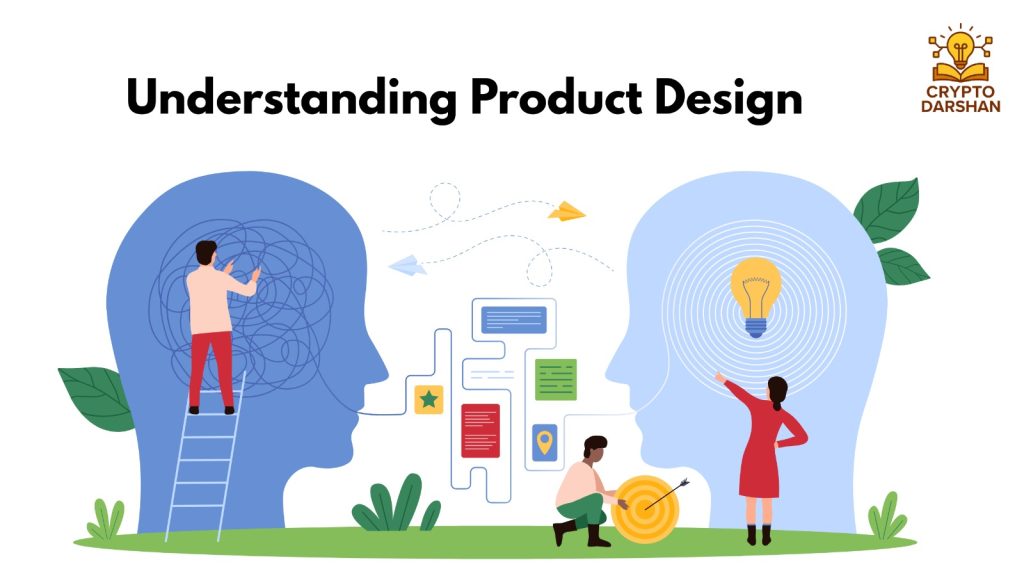
Product Design is the process of imagining, creating, and refining products that solve user problems or address specific market needs. It combines creativity, functionality, and usability to deliver meaningful experiences. In the digital world, product design encompasses everything from user interface (UI) and user experience (UX) to system architecture and interaction flow.
A strong product design ensures that users can easily understand and use a product. It bridges the gap between technology and human behavior, making complex systems accessible and enjoyable. In blockchain and Web3, where technology can be intimidating, good product design is essential for mass adoption.
To better understand product design, you have to know about what kind of market and target it seeks, which is discussed in our blog on product-market-fit-crypto
Why Product Design Should Come Before Token Launches
1. Building Real Value Before Hype
A token launch can attract attention, but attention without substance fades quickly. Product Design ensures that the product delivers real value before any marketing or token sale begins. When users experience a product that works seamlessly and solves their problems, they become loyal advocates. This organic growth is far more sustainable than hype-driven token speculation.
2. Enhancing User Experience
User experience (UX) is at the heart of Product Design. A well-designed product guides users effortlessly through its features, reducing friction and frustration. In contrast, poorly designed products confuse users, leading to abandonment. Before launching a token, teams should focus on refining the user journey, ensuring that every interaction feels intuitive and rewarding.
3. Establishing Trust and Credibility
In the blockchain space, trust is everything. Many projects fail because users perceive them as scams or poorly executed ideas. A polished Product Design communicates professionalism and reliability. When users see a thoughtfully designed interface and consistent branding, they are more likely to trust the project and its token.
4. Reducing Post-Launch Risks
Launching a token before finalizing the product can lead to technical issues, usability problems, and negative feedback. These challenges can damage a project’s reputation and reduce investor confidence. Prioritizing Product Design minimizes these risks by ensuring that the product is stable, user-friendly, and ready for scale.
5. Aligning Token Utility With Product Functionality
Tokens should serve a purpose within the product ecosystem. Without a clear connection between the token and the product’s functionality, users see little reason to hold or use it. Product Design helps define how tokens integrate into the user experience — whether for governance, rewards, or transactions. This alignment creates a cohesive ecosystem where the token enhances the product rather than distracts from it.
6. Minimizes Post-Launch Risks
Launching a token before the product is stable can lead to technical bugs and poor usability. Prioritizing Product Design helps identify and fix these issues early, protecting the project’s reputation and investor confidence.
7. Increases User Retention
Acquisition is only half the battle; keeping users is what matters most. A superior Product Design creates an emotional connection and consistent satisfaction, which are the primary drivers of user retention and loyalty.
8. Attracts Serious Investors
Savvy investors look beyond speculative tokenomics. They evaluate the quality of the Product Design to gauge a project’s potential for real-world success, favoring teams that prioritize building a functional, user-centric product.
The Role of Product Design in User Adoption
User adoption is the ultimate measure of success for any digital product. Even the most innovative technology fails if users cannot or will not use it. Product Design plays a crucial role in driving adoption by making products accessible, engaging, and valuable.
Simplifying Complexity
Blockchain systems are often difficult to navigate. Effective Product Design abstracts technical jargon and complex processes into intuitive interfaces, allowing users to interact with decentralized tools as easily as they would with traditional apps.
Reducing Cognitive Load
When a product is cluttered or confusing, users quickly abandon it. By focusing on clear visual hierarchy and logical workflows, Product Design minimizes the mental effort required to complete tasks, making the experience feel effortless and accessible.
Building Emotional Trust
In an industry often plagued by security concerns, a clean, consistent, and professional Product Design provides a sense of safety. When a platform looks and feels reliable, users are significantly more comfortable connecting their wallets and engaging with the ecosystem.
Creating Meaningful Feedback
Users need to know their actions—like signing a transaction or staking tokens—have been successful. Thoughtful Product Design uses animations, clear status indicators, and confirmation messages to provide immediate reassurance, which builds confidence and encourages repeat usage.
Fostering Long-Term Engagement
Adoption isn’t just about the first sign-up; it’s about keeping users coming back. By prioritizing a seamless and rewarding user experience, Product Design ensures that the product remains a valuable part of the user’s daily routine, turning casual visitors into loyal, long-term community members.
Case Studies: When Product Design Outshines Token Hype
Case Study 1: Ethereum
Ethereum’s success did not come from its token launch alone. Its Product Design — a flexible, developer-friendly platform for building decentralized applications — created real utility. The design of its ecosystem encouraged innovation, leading to thousands of projects built on top of it. The token (ETH) gained value because the product itself was valuable.
Case Study 2: Uniswap
Uniswap’s intuitive interface and seamless user experience made decentralized trading accessible to everyone. Its Product Design focused on simplicity, removing the need for order books and complex trading mechanisms. As a result, users adopted it rapidly, and the token (UNI) became a natural extension of its success.
Case Study 3: Failed Token Projects
Many projects that raised millions through token launches failed because they lacked strong Product Design. Their interfaces were confusing, their use cases unclear, and their user experiences frustrating. Without a solid product foundation, their tokens lost value, and their communities dissolved.
The Economics of Design vs. Token Launches
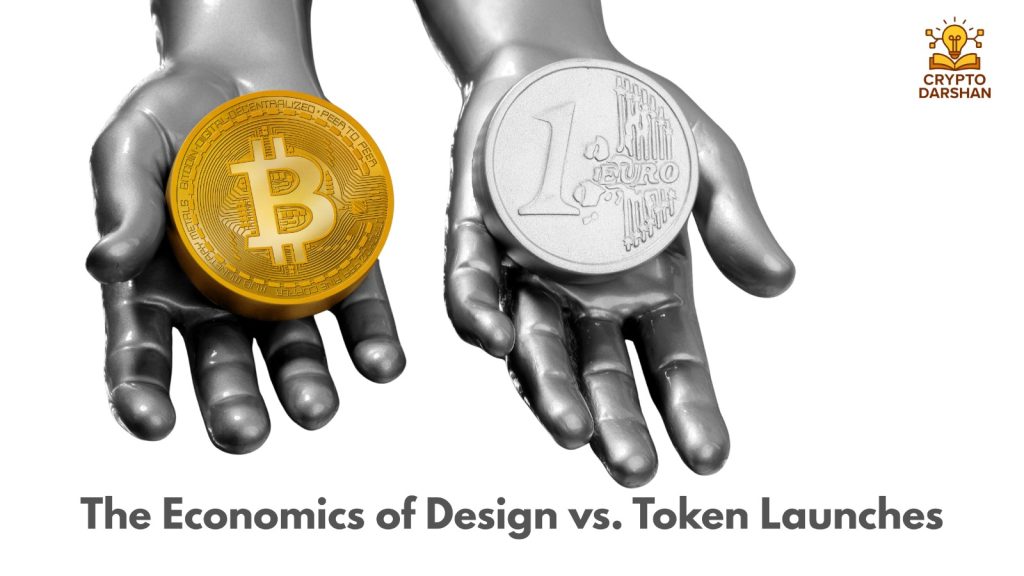
Investing in Product Design may seem slower than launching a token, but it yields higher returns in the long run. A well-designed product attracts organic users, reduces support costs, and increases retention. Token launches, on the other hand, often create short-term liquidity but long-term instability.
Long-Term ROI of Product Design
- Higher User Retention: Users stay longer when they enjoy the experience.
- Lower Churn Rates: Fewer users abandon the product due to frustration.
- Increased Word-of-Mouth Marketing: Satisfied users become brand advocates.
- Sustainable Growth: Organic adoption leads to steady expansion.
Short-Term Gains of Token Launches
- Immediate Funding: Tokens can raise capital quickly.
- Community Buzz: Launches generate excitement and visibility.
- Speculative Trading: Early investors may profit from price volatility.
However, without a strong product, these benefits fade quickly. Product Design ensures that the excitement translates into lasting engagement.
| Feature | Product Design Focus | Token Launch Focus |
| Primary Goal | Long-term utility and user retention | Short-term liquidity and funding |
| Growth Driver | Organic adoption and word-of-mouth | Speculative hype and marketing |
| User Perception | Trust, professionalism, and reliability | Excitement, volatility, and risk |
| Risk Profile | Lower (stable, tested product) | Higher (technical/usability debt) |
| Success Metric | Daily active users and retention rates | Token price and trading volume |
| Value Proposition | Solves real-world problems | Financial incentive and governance |
| Sustainability | High (built on functional value) | Low (dependent on market sentiment) |
| Investor Appeal | Focuses on long-term viability | Focuses on quick ROI potential |
Integrating Product Design Into Blockchain Development

Step 1: Research and Discovery
Understanding user needs is the foundation of Product Design. Teams should conduct user interviews, market analysis, and competitor research to identify pain points and opportunities. This stage defines the product’s purpose and direction.
Step 2: Ideation and Prototyping
Designers create wireframes, mockups, and prototypes to visualize the product. This process allows teams to test ideas quickly and gather feedback before development begins. Iterative prototyping ensures that the final product aligns with user expectations.
Step 3: User Testing and Feedback
Testing is essential for refining Product Design. Real users interact with prototypes, revealing usability issues and improvement areas. Continuous feedback loops help designers make informed decisions that enhance the user experience.
Step 4: Development and Integration
Once the design is validated, developers bring it to life. Collaboration between designers and developers ensures that the final product maintains design integrity while meeting technical requirements.
Step 5: Launch and Iteration
After launch, Product Design does not stop. Continuous iteration based on user feedback keeps the product relevant and competitive. Regular updates, new features, and design improvements sustain user interest.
The Psychological Impact of Product Design
Product Design influences how users perceive and interact with a product on a psychological level. Colors, shapes, typography, and layout all affect emotions and behavior. A clean, consistent design builds trust, while cluttered or confusing interfaces create anxiety.
Visual Hierarchy
Effective design guides users’ attention to the most important elements. Clear visual hierarchy ensures that users can navigate effortlessly and find what they need without confusion.
Consistency and Familiarity
Consistency in design elements — such as buttons, icons, and navigation — creates familiarity. Users feel comfortable when they recognize patterns, reducing the learning curve.
Feedback and Responsiveness
Interactive feedback, such as animations or confirmation messages, reassures users that their actions are successful. This responsiveness enhances satisfaction and confidence.
The Future of Product Design in Web3
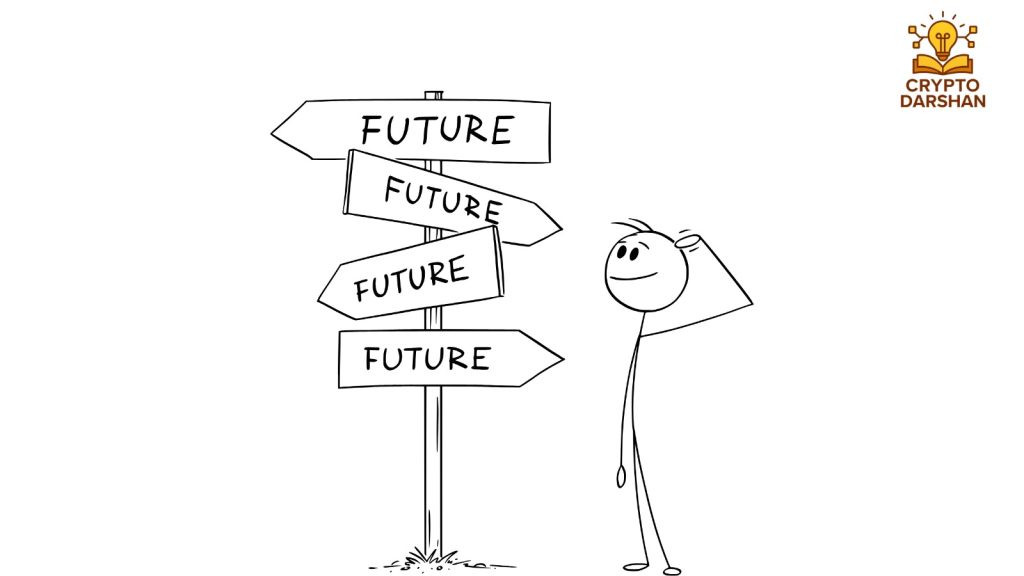
As Web3 evolves, Product Design will play an even greater role in bridging the gap between complex technology and mainstream users. The next generation of decentralized applications will prioritize usability, accessibility, and inclusivity.
Human-Centered Design
Future Product Design will focus on human needs rather than technical capabilities. Designers will create experiences that empower users, making blockchain technology invisible yet impactful.
Cross-Platform Integration
Users expect seamless experiences across devices and platforms. Product Design will ensure that decentralized products work consistently on mobile, desktop, and emerging interfaces like AR and VR.
Ethical and Sustainable Design
Transparency, privacy, and sustainability will become core principles of Product Design. Designers will prioritize ethical practices that respect user data and promote long-term well-being.
Common Mistakes When Prioritizing Token Launches Over Product Design
- Neglecting User Research: Skipping research leads to products that don’t meet real needs.
- Overcomplicating Interfaces: Complex designs alienate non-technical users.
- Ignoring Feedback: Failing to iterate based on user input results in stagnation.
- Relying on Hype: Marketing without substance leads to short-lived success.
- Misaligned Token Utility: Tokens that don’t integrate with the product lose relevance.
Avoiding these mistakes requires a design-first mindset that values user experience as much as financial innovation.
How Investors Evaluate Product Design

Savvy investors look beyond tokenomics. They assess Product Design to gauge a project’s potential for real-world adoption. Key indicators include:
- User Interface Quality: Is the product visually appealing and easy to use?
- User Flow Efficiency: Can users achieve their goals without confusion?
- Consistency and Branding: Does the design reflect professionalism and trust?
- Community Feedback: Are users satisfied with the experience?
Projects with strong Product Design demonstrate a commitment to long-term success, making them more attractive to investors.
Building a Design-First Culture
Creating a design-first culture requires leadership commitment and cross-functional collaboration. Teams should integrate Product Design into every stage of development, from concept to launch.
Empowering Designers
Designers should have a voice in strategic decisions. Their insights into user behavior and experience can guide product direction and innovation.
Encouraging Collaboration
Design, development, and marketing teams must work together. Shared goals and open communication ensure that design decisions align with business objectives.
Measuring Design Impact
Metrics such as user satisfaction, retention rates, and conversion rates help quantify the impact of Product Design. Data-driven insights support continuous improvement.
FAQ: Why Product Design Matters More Than Token Launches
1. What does product design mean in the crypto industry?
Product design refers to how a blockchain application, platform, or service is built to solve real user problems. It includes user experience (UX), functionality, accessibility, security, and overall usability.
2. Why is product design more important than a token launch?
A token launch may attract short-term attention, but a well-designed product creates long-term value. Users stay because a product solves their problems, not simply because a token exists.
3. Can a project succeed with a token but no strong product?
Most projects struggle to maintain growth without a useful product. Tokens can generate initial hype, but sustained adoption usually depends on delivering real utility and a positive user experience.
4. How does good product design drive crypto adoption?
Good design reduces complexity, improves onboarding, and makes blockchain applications easier for everyday users. This helps attract and retain a broader audience beyond crypto enthusiasts.
5. What are common product design mistakes in Web3?
Common mistakes include confusing interfaces, complicated wallet interactions, poor onboarding processes, lack of clear value propositions, and prioritizing tokenomics over user needs.
6. How does product design affect user retention?
Users are more likely to continue using a platform when it is intuitive, reliable, and efficient. A strong user experience encourages repeat usage and community growth.
7. What role does token utility play alongside product design?
Token utility can enhance a product by enabling governance, rewards, staking, or access to services. However, the token should support the product rather than be the product itself.
8. Why do some token launches fail after generating hype?
Many projects focus on marketing and fundraising but fail to deliver meaningful products. Without ongoing development and user engagement, interest often fades quickly.
9. How can Web3 builders prioritize product design?
Builders can focus on understanding user needs, simplifying interfaces, gathering feedback, testing usability, and solving real-world problems before launching a token.
Conclusion
In the race to innovate, many projects prioritize token launches over product development. However, true success lies in creating products that users love, trust, and rely on. Product Design is the foundation of that success. It transforms ideas into experiences, technology into usability, and hype into lasting value.
A well-designed product not only attracts users but also sustains them. It builds credibility, fosters loyalty, and ensures that tokens have real utility within a thriving ecosystem. As the digital economy matures, Product Design will continue to outshine token launches, proving that design is not just about aesthetics — it’s about building the future.