

TEXITcoin founder Richard W. Wisher says the Texas-based cryptocurrency project is expanding its mining infrastructure while defending its business model against allegations from state regulators. In a recent interview, Wisher discussed Texas’s appeal for crypto mining, the role of merge mining, energy use, and the legal dispute surrounding TEXITcoin’s mining packages.
The project operates a proof-of-work blockchain known as TXC. It uses the Scrypt mining algorithm, which also powers Litecoin and Dogecoin. This allows miners to secure multiple networks with the same computing equipment.
TEXITcoin’s Texas Mining Expansion
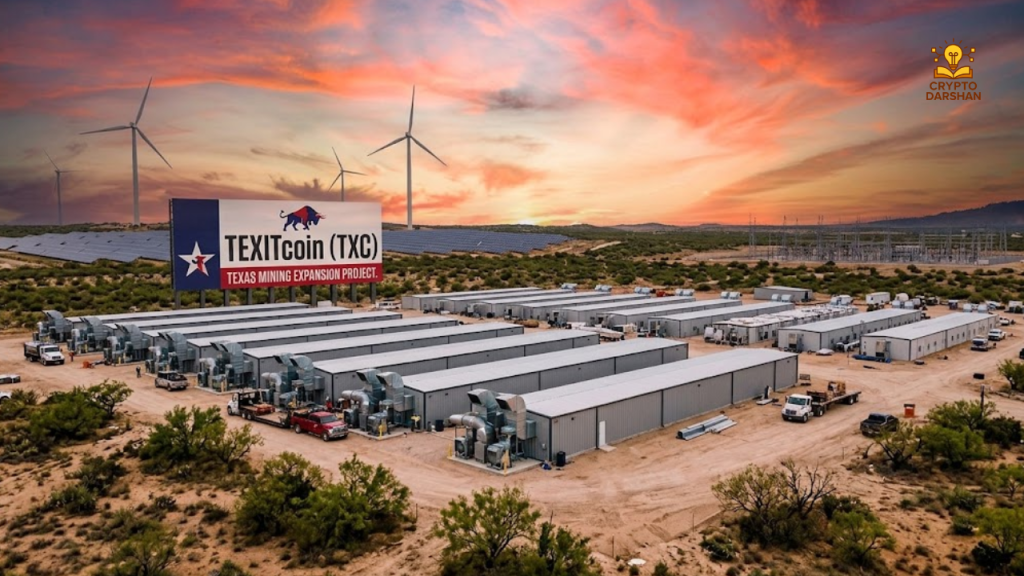
TEXITcoin has invested approximately $5.5 million in mining infrastructure across McKinney, Mansfield, and Conroe, according to Wisher. The investment includes mining hardware and physical facilities intended to support the growth and security of the TXC network.
Unlike large public Bitcoin-mining companies, TEXITcoin does not present itself as a conventional mining corporation. Wisher describes the project as a Layer 1 blockchain with its own currency and network infrastructure.
A Layer 1 network is a standalone blockchain that processes and validates transactions independently. Bitcoin, Litecoin, and Dogecoin are examples of Layer 1 networks. TEXITcoin’s strategy focuses on expanding its own ecosystem rather than competing directly with major mining companies based only on facility size, electricity consumption, or market capitalization.
Wisher said the project’s infrastructure was partly crowdsourced. This model is designed to allow participants to contribute to the network instead of simply buying and holding the token.
Why Texas Attracts Crypto Miners
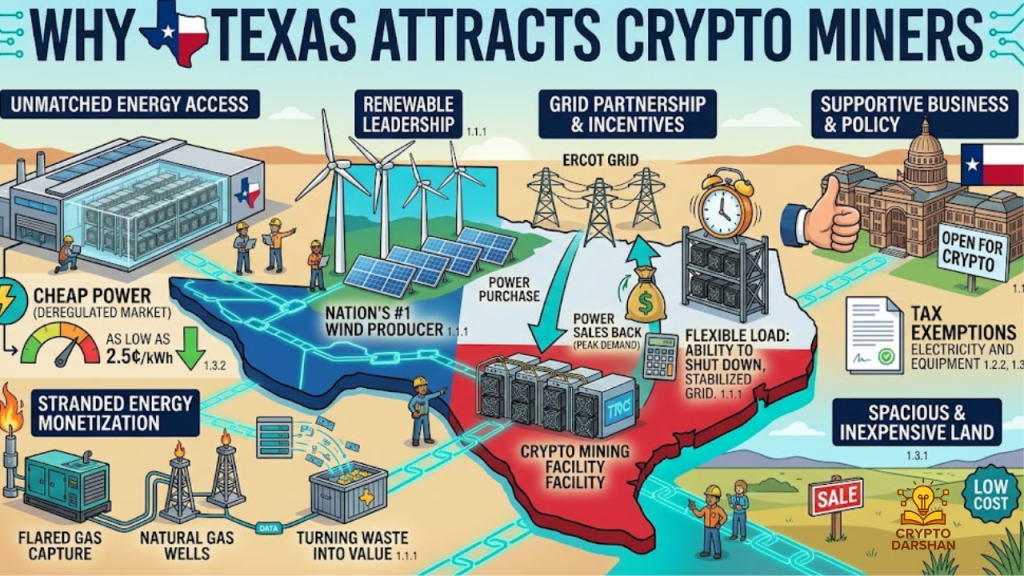
Texas has become a major location for cryptocurrency mining because of its competitive electricity market, large supply of renewable energy, and access to available land. The state also has a growing technology sector and a government that has generally welcomed blockchain and digital-asset businesses.
Crypto miners can also respond to changing grid conditions. Mining machines may be switched off when electricity demand rises, a process known as curtailment. This can help operators avoid the most expensive power periods and potentially support grid management.
However, operating a mining facility in Texas is not without challenges. Companies may face long waits for grid connections, unpredictable energy prices, limited transmission capacity, and increased oversight from local and state authorities. Mining facilities must also manage issues such as noise, construction requirements, environmental rules, and relationships with nearby communities.
These factors make energy planning and regulatory compliance important parts of any mining operation.
How Merge Mining Works
TEXITcoin uses the Scrypt algorithm, the same algorithm used by Litecoin and Dogecoin. Because the networks share this technical foundation, miners can use a process called merge mining to work on all three blockchains at the same time.
In simple terms, merge mining allows a miner to submit compatible proof-of-work to more than one network. The miner does not need to operate separate machines for each blockchain. As a result, the same computing power can potentially produce rewards from multiple networks.
Merge mining can improve the productivity of mining equipment, but it does not eliminate electricity costs. Machines still consume power, require cooling, and need regular maintenance. Profitability depends on factors such as the price of each mined asset, mining difficulty, hardware efficiency, electricity rates, and operating expenses.
The process also does not create automatic profits. A miner may receive rewards from multiple networks, but those rewards can fluctuate significantly in value.
Regulation Depends on Business Activity
Wisher said merge mining does not have a separate regulatory category of its own. Instead, authorities are likely to examine what a company actually does, how it markets its products, and whether it offers financial contracts or investment opportunities.
Mining companies may need to comply with local building rules, electricity-market requirements, environmental standards, and other operational regulations. Businesses that offer financial products or handle customer funds may also face anti-money-laundering, consumer-protection, and financial-disclosure obligations.
This distinction is important because calling a product “mining” does not automatically remove it from securities laws. Regulators may assess the economic reality of an arrangement rather than relying only on its technical description.
TEXITcoin’s Regulatory Dispute

In February 2026, the Texas State Securities Board issued an order involving TEXITcoin, MineTXC, Blockchain Mint, and Richard W. Wisher. The regulator alleges that the parties offered unregistered investments and made misleading statements, according to the interview. These allegations have not been finally established through a completed hearing.
TEXITcoin disputes the regulator’s position. Wisher argues that TXC mining involves a proof-of-work commodity rather than a securities offering. He also maintains that the project’s mining equipment and operations are real and verifiable.
The company has retained Quinn Emanuel and requested a formal hearing. Since the case remains ongoing, its final outcome and broader effect on Texas’s crypto-mining industry are still uncertain.
The dispute could become significant for other blockchain companies that sell mining-related products. The legal treatment may depend not only on the underlying token but also on how mining packages are structured, marketed, and sold to customers.
Taxes and Energy Costs
Mined digital assets can create tax obligations when miners receive rewards. A business may need to report the value of assets when they become available, while later changes in value may create capital gains or losses when the assets are sold.
Texas does not impose a state individual income tax, but mining companies can still face other expenses. These may include franchise taxes, property taxes, sales taxes, local fees, electricity costs, equipment purchases, and facility maintenance.
The tax treatment of mining can vary based on whether a person mines as an individual, operates through a company, or participates in a mining service. Professional tax advice is therefore important for miners and businesses with substantial operations.
What Comes Next for TXC
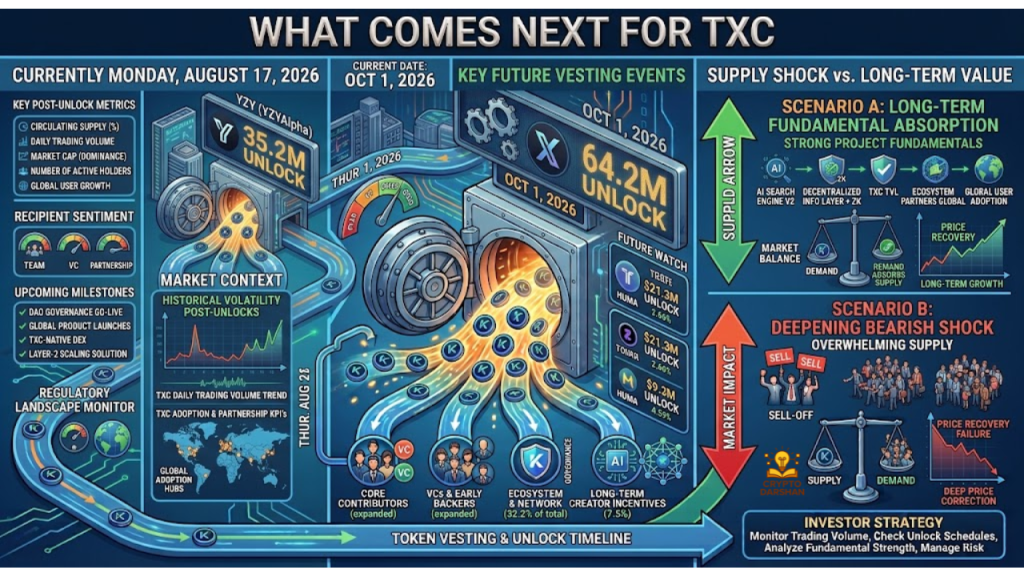
TEXITcoin says it plans to continue expanding its mining network and promoting cryptocurrency payments across Texas. Its future will depend on several factors, including the performance of the TXC market, mining economics, exchange access, community adoption, and the outcome of its regulatory case.
The project currently lists trading availability on MEXC, XT.COM, BitMart, and Pionex, while a wrapped version of TXC is available on Ethereum, according to Wisher.
For the wider industry, TEXITcoin’s story highlights the opportunities and risks facing proof-of-work projects in the United States. Texas offers access to energy and infrastructure, but mining businesses must still deal with volatile costs, operational restrictions, taxes, and regulatory scrutiny.
Merge mining may help operators use their hardware more efficiently, but it does not guarantee profitability or shield a project from legal obligations. As regulators continue to examine crypto offerings, the way a product is marketed may matter just as much as the technology behind it.