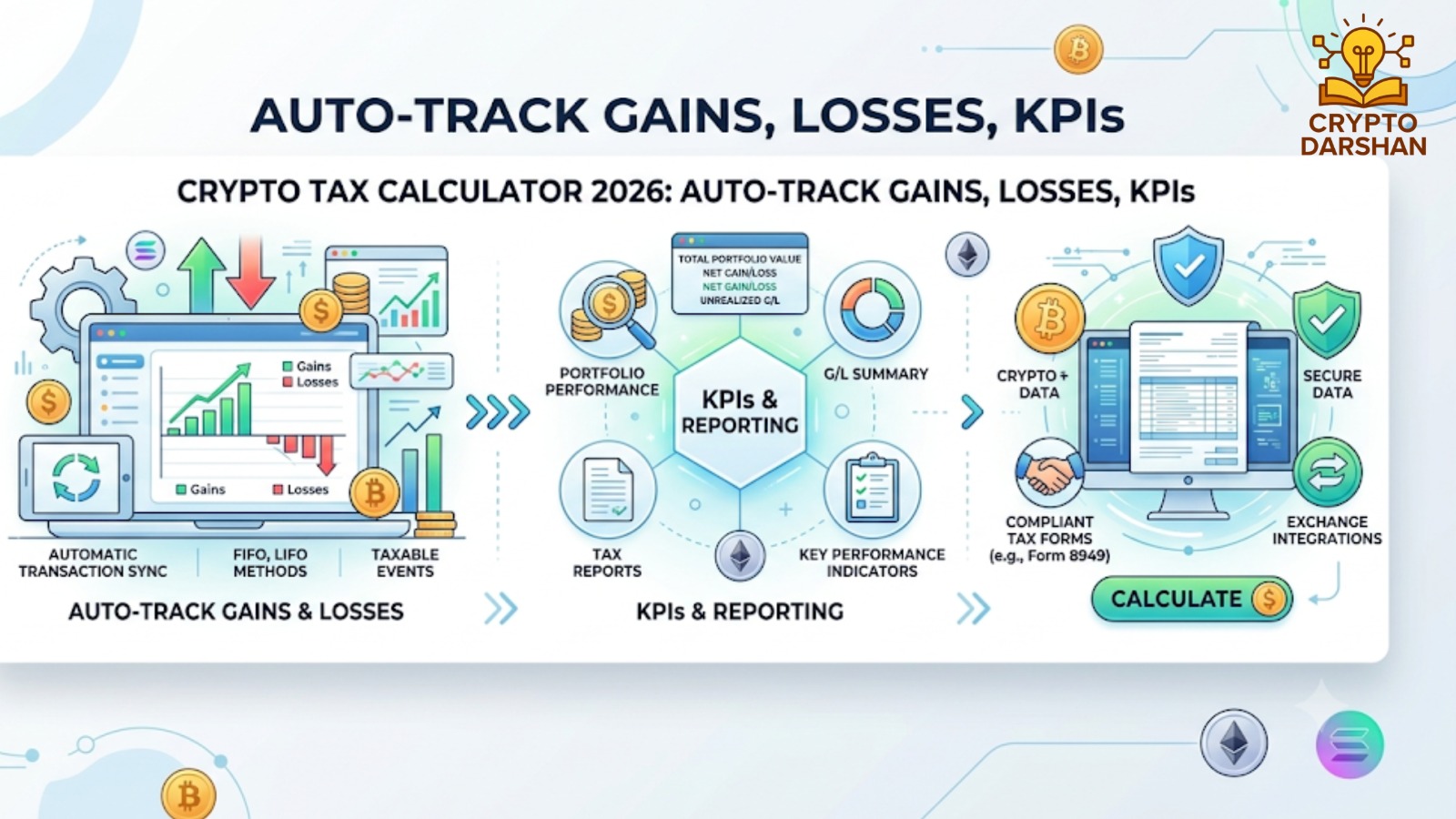


Cryptocurrency investing has transformed the financial landscape, offering investors new ways to build wealth and diversify portfolios. However, with innovation comes complexity—especially when it comes to taxes. Every crypto transaction, from trading to staking, can trigger a taxable event. Many investors are surprised by the size of their tax bills after a volatile year in the market. Fortunately, there is a legitimate and effective strategy to reduce those liabilities: tax-loss harvesting.
Tax-loss harvesting allows investors to use realized losses to offset capital gains, thereby lowering taxable income. This strategy, long used in traditional finance, has become increasingly relevant in the crypto space due to the market’s volatility and the unique tax treatment of digital assets. This comprehensive guide explores how tax-loss harvesting works for cryptocurrencies, the legal framework behind it, and practical steps to implement it effectively. It also covers advanced strategies, international perspectives, and future regulatory trends—all explained in clear, accessible language.
Understanding Tax-Loss Harvesting

Definition
Tax-loss harvesting is the timely selling of securities at a loss to offset the amount of capital gains tax owed from selling profitable assets. This loss can then offset capital gains from other investments, reducing the overall tax burden. If total losses exceed total gains, up to $3,000 can be deducted from ordinary income each year, with any remaining losses carried forward indefinitely.
Purpose
The purpose of tax-loss harvesting is not to abandon an investment but to optimize tax efficiency. By realizing losses strategically, investors can reduce their tax bill while maintaining exposure to the same or similar assets. This approach is particularly useful in volatile markets like crypto, where prices can fluctuate dramatically within short periods.
How It Works
- Identify crypto assets currently trading below their purchase price.
- Sell those assets to realize a capital loss.
- Use the proceeds to buy a similar—but not identical—asset to maintain market exposure.
- Report the loss on the tax return to offset gains or income.
For example, if an investor sells Bitcoin at a $5,000 loss and Ethereum at a $5,000 gain, the two offset each other, resulting in no taxable capital gain.
How Cryptocurrency Taxes Work

Crypto as Property
The IRS classifies cryptocurrency as property, not currency. This means every sale, trade, or exchange is a taxable event. Gains or losses are calculated based on the difference between the cost basis (purchase price plus fees) and the sale price.
Types of Gains
- Short-term capital gains: Assets held for less than one year, taxed at ordinary income rates.
- Long-term capital gains: Assets held for more than one year, taxed at reduced rates (0%, 15%, or 20% depending on income).
Taxable Events in Crypto
- Selling crypto for fiat currency
- Trading one crypto for another
- Using crypto to purchase goods or services
- Receiving crypto as payment, mining, or staking rewards
Each of these events can generate a gain or loss that must be reported.
The Legal Basis for Tax-Loss Harvesting in Crypto

IRS Guidance
IRS Notice 2014-21 established that cryptocurrencies are treated as property for tax purposes. This classification allows investors to apply the same capital gains and loss rules used for stocks and other assets.
Wash Sale Rule and Crypto
The wash sale rule prevents investors from claiming a loss if they repurchase the same or substantially identical asset within 30 days before or after the sale. However, as of 2026, this rule does not apply to cryptocurrency because it only covers securities, not property. This creates a unique opportunity for crypto investors to sell and immediately repurchase the same asset to realize a loss without violating tax law.
Legislative Updates
Lawmakers have proposed extending the wash sale rule to digital assets, but no such law has passed yet. Investors should stay informed, as future regulations could close this loophole.
Step-by-Step Guide to Crypto Tax-Loss Harvesting

Step 1: Review Portfolio Performance
Start by reviewing all crypto holdings to identify assets currently trading below their cost basis. Use portfolio tracking tools or tax software to calculate unrealized gains and losses.
Step 2: Identify Loss Opportunities
Focus on assets with significant unrealized losses that can offset realized gains. Prioritize those with minimal long-term potential or those that can be easily repurchased.
Step 3: Execute the Sale
Sell the selected assets on an exchange or through a decentralized platform. Record the transaction details, including date, sale price, and fees.
Step 4: Reinvest Strategically
To maintain exposure, consider buying a similar asset. For example:
- Sell Bitcoin and buy Wrapped Bitcoin (WBTC).
- Sell Ethereum and buy Ethereum Classic (ETC).
This approach preserves market exposure while realizing the loss.
Step 5: Record and Report
Document all transactions carefully. Use crypto tax software or spreadsheets to track:
- Purchase and sale dates
- Cost basis
- Sale proceeds
- Realized gains or losses
Report these figures on IRS Form 8949 and Schedule D.
Example Scenarios

Example 1: Offsetting Gains
An investor sells Bitcoin for a $10,000 gain and Ethereum for a $7,000 loss. The net taxable gain is $3,000. If the investor’s tax rate is 20%, this strategy saves $1,400 in taxes.
Example 2: Reducing Ordinary Income
If total losses exceed gains, up to $3,000 can be deducted from ordinary income. For instance, a $10,000 net loss allows a $3,000 deduction this year, with $7,000 carried forward.
Example 3: Maintaining Exposure
An investor sells Solana at a $5,000 loss and immediately buys Avalanche. The portfolio remains exposed to the crypto market while realizing a deductible loss.
Tools and Software for Crypto Tax-Loss Harvesting

Portfolio Trackers
- CoinTracking
- Koinly
- CoinLedger
- Accointing
These tools automatically calculate gains, losses, and cost basis across multiple exchanges.
Tax Filing Software
- TurboTax Crypto
- TaxBit
- ZenLedger
They integrate with exchanges and wallets to simplify reporting.
Automation Tools
Some platforms offer automated tax-loss harvesting, scanning portfolios for loss opportunities and executing trades within compliance guidelines.
Common Mistakes to Avoid

Ignoring Transaction Fees
Fees reduce the cost basis and affect gain/loss calculations. Always include them in records.
Misclassifying Transactions
Swapping one crypto for another is a taxable event. Many investors mistakenly believe it is tax-free.
Failing to Track Cost Basis
Without accurate cost basis data, it’s impossible to calculate true gains or losses. Use consistent accounting methods such as FIFO (First In, First Out) or Specific Identification.
Overlooking Airdrops and Staking Rewards
These are taxable as income when received and affect the cost basis when sold.
Assuming Wash Sale Rules Apply
While currently exempt, future regulations may change. Always verify the latest IRS guidance before executing trades.
Advanced Tax-Loss Harvesting Strategies

Pairing with Long-Term Gains
Offset short-term gains (taxed at higher rates) with short-term losses first, then apply long-term losses to long-term gains for maximum efficiency.
Year-Round Harvesting
Instead of waiting until December, monitor portfolios quarterly. Crypto markets are volatile, and opportunities can arise anytime.
Using Stablecoins
After selling a losing position, temporarily park funds in stablecoins like USDC or USDT before reinvesting. This locks in losses while maintaining liquidity. Some investors also harvest losses on underperforming assets while preserving long-term exposure to ecosystems they still believe in, such as the future potential discussed in Polygon Price Prediction 2026: Will POL Hit $5 After zk Upgrades?
Harvesting Across Wallets
Losses can be realized across multiple exchanges and wallets. Consolidate data to ensure all transactions are captured.
Strategic Rebalancing
Combine tax-loss harvesting with portfolio rebalancing to maintain target allocations while optimizing tax outcomes.
Harvesting During Market Crashes
Bear markets often present the best opportunities for tax-loss harvesting. Selling during downturns can create large deductible losses that offset future bull market gains.
Integrating with DeFi and NFTs
Tax-loss harvesting isn’t limited to fungible tokens. Losses from DeFi tokens, liquidity pools, or NFTs can also be harvested if sold below cost basis. However, valuation and documentation are more complex, requiring careful recordkeeping.
Recordkeeping and Compliance
Documentation Requirements
Maintain detailed records for every transaction:
- Date and time of acquisition and sale
- Amount and type of crypto
- Fair market value in USD
- Transaction fees
- Exchange or wallet used
IRS Reporting Forms
- Form 8949: Lists each transaction with gain or loss.
- Schedule D: Summarizes total capital gains and losses.
- Form 1040: Includes the final taxable income figure.
Audit Preparedness
Keep records for at least seven years. The IRS may request documentation to verify reported figures.
Using Blockchain Data
Blockchain explorers can serve as verifiable transaction records. Exporting data from wallets and exchanges ensures transparency and accuracy.
Tax-Loss Harvesting for Different Investor Types

Retail Investors
Retail investors benefit most from offsetting small to medium gains and reducing ordinary income through the $3,000 deduction limit.
High-Net-Worth Individuals
Larger portfolios can use tax-loss harvesting to offset significant capital gains from other investments, including stocks or real estate.
Institutional Investors
Funds and corporations holding crypto can integrate tax-loss harvesting into broader tax management strategies, often with professional accounting support. Tax strategies are becoming increasingly important for institutions adapting to evolving accounting standards, including the changes explained in Fair Value vs Cost Basis: The Crypto Accounting Rule Change That Affects Every CFO, which directly impacts how crypto holdings are valued and reported.
Day Traders and Active Investors
Frequent traders can accumulate numerous small losses that add up over time. Automated tracking tools are essential for managing high transaction volumes.
International Perspectives

United States
The IRS treats crypto as property, allowing tax-loss harvesting under capital gains rules.
United Kingdom
HMRC allows similar offsetting of capital losses against gains, provided transactions are properly documented.
Canada
The CRA treats crypto as a commodity, and losses can offset gains under capital property rules.
Australia
The ATO permits capital loss offsets but requires detailed recordkeeping for every transaction.
European Union
Regulations vary by country, but most EU nations allow capital loss deductions under specific conditions.
Asia-Pacific Region
Countries like Japan and South Korea have stricter crypto tax regimes, often taxing gains as income. However, loss deductions are still possible under certain conditions.
Future of Crypto Tax-Loss Harvesting

Regulatory Changes
As crypto adoption grows, tax authorities are tightening oversight. The wash sale exemption may eventually close, aligning crypto with securities.
Technological Integration
Blockchain analytics and AI-driven tax tools will make real-time tax optimization more accessible.
Global Standardization
International cooperation may lead to unified reporting standards, simplifying cross-border tax compliance.
Increased IRS Enforcement
The IRS has increased its focus on crypto compliance, issuing summonses to exchanges and requiring taxpayers to disclose crypto activity on Form 1040. Proper tax-loss harvesting can demonstrate compliance and reduce audit risk.
Ethical and Legal Considerations

Legality
Tax-loss harvesting is fully legal when executed correctly. It leverages existing tax laws rather than evading them.
Ethical Use
The strategy should aim to optimize taxes, not manipulate reporting. Transparency and accurate documentation are essential.
Professional Advice
Consulting a certified tax professional ensures compliance with evolving regulations and maximizes legitimate deductions.
Avoiding Aggressive Schemes
Some investors attempt to exploit loopholes through wash sale abuse or false reporting. Such actions can lead to penalties, audits, or criminal charges. Ethical tax planning focuses on compliance, not evasion.
Practical Tips for Effective Implementation

- Review portfolios quarterly to identify loss opportunities.
- Use automated tools for tracking and reporting.
- Reinvest in similar assets to maintain exposure.
- Keep detailed records for every transaction.
- Stay updated on IRS and legislative changes.
- Coordinate with a tax advisor for complex portfolios.
- Avoid emotional trading; focus on long-term tax efficiency.
- Use stablecoins to preserve liquidity during harvesting.
- Consider harvesting losses before major market rebounds.
- Integrate tax-loss harvesting into overall financial planning.
Case Studies

Case Study 1: The Long-Term Investor
A long-term investor bought Bitcoin at $60,000 and Ethereum at $4,000. When the market dropped, Bitcoin fell to $30,000 and Ethereum to $2,000. The investor sold both, realizing $30,000 and $2,000 losses respectively. Later, they repurchased the same assets at similar prices. When the market recovered, they sold Bitcoin at $50,000 and Ethereum at $3,500. The earlier losses offset these gains, saving thousands in taxes.
Case Study 2: The Active Trader
A day trader executes hundreds of trades monthly. By using automated tax software, they identify $25,000 in realized losses and $20,000 in gains. The net $5,000 loss allows a $3,000 deduction this year and a $2,000 carryforward, reducing taxable income efficiently.
Case Study 3: The NFT Collector
An NFT investor purchased several digital artworks that later lost value. By selling them on secondary markets at a loss, the investor realized deductible capital losses. These losses offset gains from other crypto trades, demonstrating that tax-loss harvesting applies beyond fungible tokens.
The Psychological Side of Tax-Loss Harvesting

Tax-loss harvesting requires discipline. Many investors hesitate to sell at a loss, fearing they’ll miss future gains. However, reframing losses as strategic tax tools helps overcome emotional barriers. Viewing losses as opportunities for optimization rather than failure encourages rational decision-making.
Behavioral finance studies show that investors who systematically harvest losses tend to achieve better after-tax returns over time. The key is consistency, not timing perfection.
Integrating Tax-Loss Harvesting into a Broader Strategy

Tax-loss harvesting should not exist in isolation. It works best when integrated into a comprehensive financial plan that includes:
- Asset allocation: Balancing risk across crypto, equities, and other assets.
- Retirement planning: Using tax-advantaged accounts where possible.
- Estate planning: Minimizing taxes on inherited crypto assets.
- Charitable giving: Donating appreciated crypto to reduce taxable gains.
By combining these strategies, investors can achieve holistic tax efficiency.
The Role of Professional Advisors

While DIY tax-loss harvesting is possible, professional guidance adds value. Certified Public Accountants (CPAs) and Enrolled Agents (EAs) specializing in crypto taxation can:
- Ensure compliance with IRS rules
- Identify overlooked deductions
- Optimize timing of sales and repurchases
- Prepare accurate documentation for audits
Advisors can also coordinate with financial planners to align tax strategies with long-term investment goals.
The Future of Crypto Tax Optimization

As digital assets evolve, so will tax strategies. Emerging technologies like tokenized securities, decentralized finance (DeFi), and cross-chain assets will introduce new complexities. Investors active across appchains and Layer 2 ecosystems must carefully track transfers and swaps for tax purposes, especially as discussed in Appchains vs Layer 2s: Which Model Wins in 2026, where cross-chain architecture and scalability models are analyzed in depth. Future tax optimization may involve:
- Smart contracts that automate tax-loss harvesting.
- AI-driven analytics predicting optimal harvest times.
- Cross-border tax coordination for global investors.
The next generation of crypto investors will rely on automation and data-driven insights to manage taxes efficiently.
FAQ: Tax-Loss Harvesting in Crypto — How to Legally Minimize Your Tax Bill in 2026

1. What is tax-loss harvesting in crypto?
Tax-loss harvesting is a strategy where you sell cryptocurrency at a loss to offset taxable capital gains from other investments. If your losses exceed your gains, you may also deduct up to $3,000 annually against ordinary income in the U.S., with remaining losses carried forward to future years.
2. How does crypto tax-loss harvesting work?
The process typically works like this:
- Identify crypto assets trading below your purchase price.
- Sell those assets to realize the capital loss.
- Use the loss to offset capital gains.
- Optionally rebuy the crypto afterward if you still believe in the asset long term.
3. Is crypto still exempt from the wash sale rule in 2026?
As of 2026, cryptocurrency is generally not subject to the federal wash sale rule in the United States because the IRS currently classifies crypto as property rather than securities.
4. Can I sell and immediately rebuy the same cryptocurrency?
Yes. Under current U.S. rules, many investors can sell crypto at a loss and repurchase the same asset shortly afterward while still claiming the tax deduction.
5. Which crypto transactions count as taxable events?
Common taxable crypto events include:
- Selling crypto for fiat currency
- Trading one cryptocurrency for another
- Spending crypto on purchases
- Certain NFT and DeFi transactions
6. Can crypto losses offset stock gains?
Yes. Capital losses from crypto can offset gains from stocks, crypto, and other investments. Excess losses may also reduce ordinary income up to annual limits.
7. Do short-term and long-term crypto gains matter?
Yes.
- Short-term gains (under 1 year) are taxed at ordinary income rates.
- Long-term gains (over 1 year) usually qualify for lower tax rates.
8. What records should crypto investors keep?
Investors should keep:
- Purchase and sale dates
- Cost basis records
- Wallet transfer history
- Exchange transaction logs
- Trading fees and receipts
Conclusion
Tax-loss harvesting in cryptocurrency is a powerful, legal strategy for minimizing tax liabilities while maintaining investment exposure. By understanding how crypto taxation works, leveraging current IRS rules, and applying disciplined recordkeeping, investors can significantly reduce their tax burden. As regulations evolve, staying informed and proactive will ensure continued compliance and optimization.
Crypto markets are volatile, but volatility creates opportunity—not just for profit, but for strategic tax planning. Through careful execution of tax-loss harvesting, investors can turn temporary losses into long-term financial advantages, transforming market downturns into tools for wealth preservation. During bearish periods, many investors also explore tax-loss harvesting strategies to offset gains while repositioning capital into sectors where institutional and venture capital interest remains strong, a trend discussed in Crypto Venture Capital Trends: Where Smart Money Is Investing Now.