

Solana has become one of the most popular blockchain networks in the cryptocurrency world, known for its high speed, low fees, and scalability. As the network continues to grow, many investors are exploring ways to earn passive income through Solana Staking. Staking allows holders of SOL tokens to participate in securing the network while earning rewards in return. With an average annual percentage yield (APY) of 7–10%, Solana Staking offers an attractive opportunity for both new and experienced crypto investors.
This comprehensive guide explains everything about Solana Staking, including how it works, how to get started, the risks involved, and strategies to maximize rewards. It also covers the technical aspects of staking, validator selection, and the long-term potential of staking SOL tokens.
What Is Solana Staking?

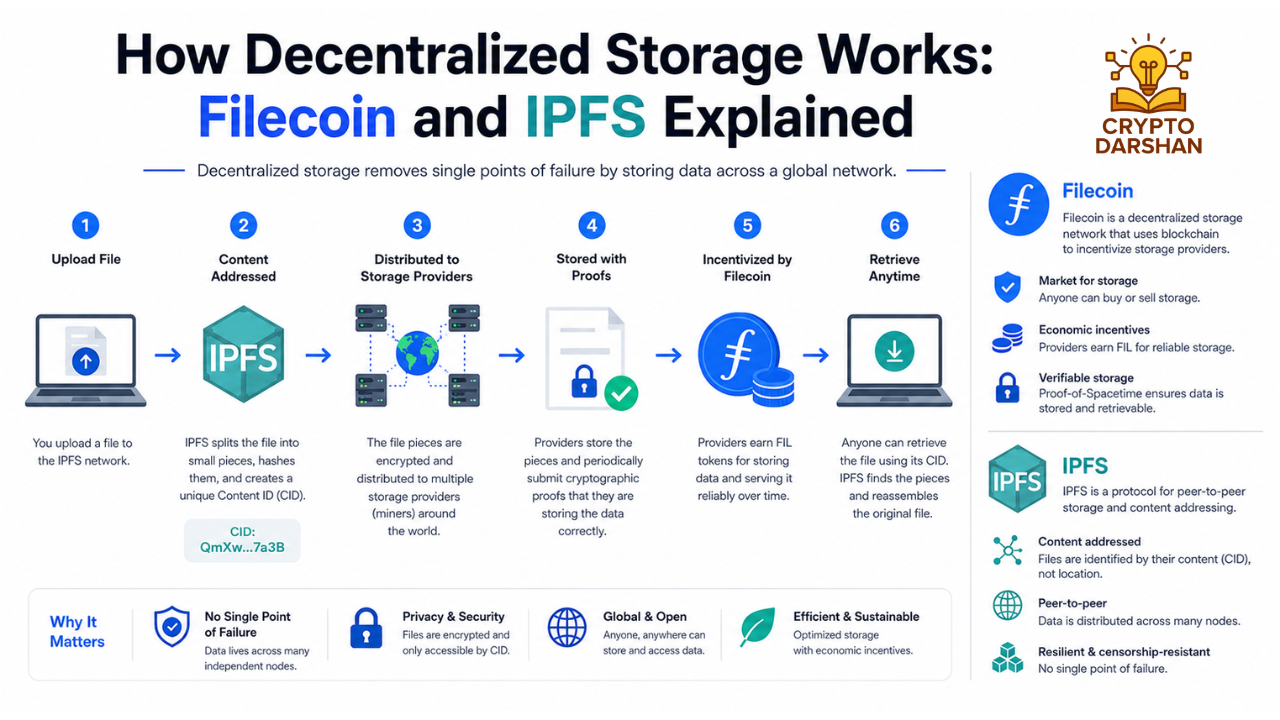
Solana Staking is the process of locking up SOL tokens to support the network’s operations, such as validating transactions and maintaining security. In return, participants earn staking rewards, typically ranging between 7% and 10% APY. Unlike traditional mining, staking does not require expensive hardware or high energy consumption. Instead, it relies on a Proof of Stake (PoS) mechanism combined with Solana’s unique Proof of History (PoH) system.
When SOL tokens are staked, they are delegated to a validator node. Validators are responsible for processing transactions and adding new blocks to the blockchain. The more SOL a validator has staked, the higher its chances of being selected to validate transactions and earn rewards. Delegators (token holders who stake their SOL) receive a portion of these rewards based on their contribution.
How Solana Staking Works

To understand Solana Staking, it’s important to know how the network’s consensus mechanism operates. Solana uses a hybrid model that combines Proof of Stake (PoS) and Proof of History (PoH).
Proof of Stake (PoS)
In PoS, validators are chosen to produce new blocks based on the amount of SOL they have staked. Validators with more stake have a higher probability of being selected, but they must also maintain good performance and uptime to avoid penalties.
Proof of History (PoH)
A Proof of History (PoH) protocol-based Blockchain relies on a cryptographic method to generate a trustworthy ordering of transactions/events recorded to the ‘ledger’ in order to overcome the issue of time agreement, and it enables the almost instant finality of thousands of transactions per second. PoH ensures that all validators agree on the order of transactions without needing to communicate constantly, which speeds up the process.
Delegation Process
When staking SOL, token holders delegate their tokens to a validator. The tokens remain in the holder’s wallet but are locked for staking purposes. The validator uses the delegated tokens to increase its stake weight, improving its chances of earning rewards. In return, the validator shares a portion of the rewards with the delegators.
Benefits of Solana Staking

Solana Staking offers several advantages for investors and the network itself.
1. Passive Income
Staking SOL allows investors to earn passive income without trading or selling their tokens. With an average APY of 7–10%, staking can generate consistent returns over time. While staking generates passive income, overall returns are still affected by crypto market volatility.
2. Network Security
By staking SOL, participants help secure the Solana network. The more tokens staked, the more decentralized and secure the blockchain becomes.
3. Low Entry Barrier
Unlike mining, staking does not require expensive equipment or technical expertise. Anyone with SOL tokens can participate using a compatible wallet.
4. Compounding Rewards
Staking rewards can be reinvested to increase the total staked amount, leading to compound growth over time.
5. Eco-Friendly
Solana’s staking mechanism consumes far less energy than traditional mining, making it an environmentally friendly way to earn crypto rewards.
How to Stake Solana (Step-by-Step)

Here’s a detailed walkthrough of the staking process:
Step 1: Acquire SOL Tokens
First, you need to purchase SOL tokens from a cryptocurrency exchange. Popular options include Binance, Coinbase, Kraken, or KuCoin. Create an account, complete the verification process, and buy the desired amount of SOL. Once purchased, you’ll need to transfer these tokens from the exchange to a compatible wallet that supports staking. Keep in mind that most exchanges charge a small withdrawal fee for transferring tokens.
Step 2: Choose a Compatible Wallet
Select a wallet that supports Solana staking. Phantom Wallet is the most popular choice—it’s a browser extension that’s beginner-friendly with an intuitive interface. Solflare offers web, mobile, and browser options with advanced features. For maximum security, especially if staking large amounts, consider a Ledger hardware wallet (Nano S or Nano X) which can connect to Phantom or Solflare. Other options include Exodus and Atomic Wallet. Download and install your chosen wallet, then securely store your recovery phrase.
Step 3: Transfer SOL to Your Wallet
Copy your wallet’s receiving address and paste it into your exchange’s withdrawal section. Double-check the address to avoid errors—crypto transactions are irreversible. Initiate the transfer and wait for confirmation, which typically takes a few minutes. Once the SOL appears in your wallet, you’re ready to stake.
Step 4: Select a Validator
This is a critical step that affects your rewards. Browse the list of validators within your wallet’s staking interface. Look for validators with high uptime (ideally 99%+), low commission rates (typically 5-10%), and a good reputation in the community. Avoid validators with excessive stake concentration to support network decentralization. Many wallets provide performance metrics to help you compare options. Research validator names and check community forums if needed.
Step 5: Delegate Your SOL
Once you’ve chosen a validator, click the “Stake” or “Delegate” button in your wallet. Enter the amount of SOL you want to stake—you can stake any amount, though leaving a small balance unstaked for transaction fees is wise. Confirm the transaction and pay the minimal network fee (usually less than $0.01). Your tokens remain in your wallet but are now locked for staking purposes.
Step 6: Wait for Activation
Staking doesn’t begin immediately. There’s typically a warm-up period of one epoch (approximately 2-3 days) before your stake becomes active and starts earning rewards. During this time, your tokens are locked but not yet generating returns. This is a normal part of Solana’s staking mechanism.
Step 7: Monitor and Earn Rewards
After activation, rewards accumulate automatically based on your validator’s performance. Most wallets display your staking balance, accumulated rewards, and current APY in real-time. Rewards are typically distributed at the end of each epoch. You can check your validator’s performance periodically and switch validators if performance declines, though switching also requires a cooldown period.
Step 8: Reinvest or Withdraw
You have two options with your rewards: compound them by restaking to increase future earnings, or withdraw them for immediate use. To unstake, select “Unstake” in your wallet, which initiates a 2-3 day cooldown period before tokens become liquid again. During cooldown, tokens don’t earn rewards and cannot be transferred.
Understanding Solana Staking Rewards

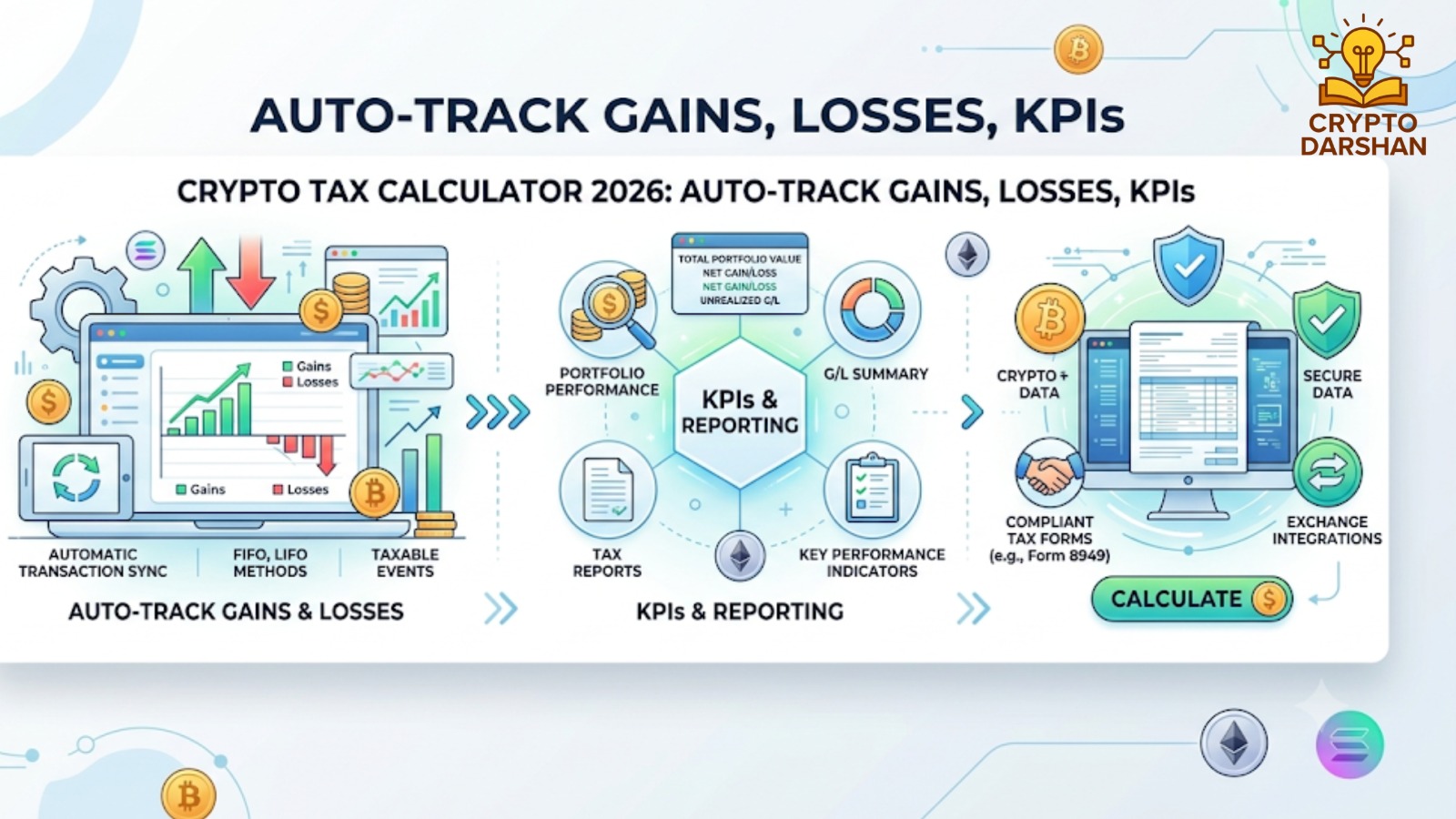
The rewards from Solana Staking depend on several factors, including the total amount staked, validator performance, and network inflation rate. Staking rewards may be taxable, depending on your jurisdiction and local crypto tax laws.
Reward Calculation
Solana’s inflation rate starts at around 8% and decreases gradually each year until it stabilizes at 1.5%. The staking rewards are distributed proportionally among all stakers based on their contribution.
For example:
- If the network’s inflation rate is 7%
- And 70% of all SOL tokens are staked
- The average staking reward would be approximately 10% APY before validator fees
Validator Commission
Validators charge a commission fee (usually between 5% and 10%) for managing the staking process. This fee is deducted from the rewards before distribution to delegators.
Compounding Rewards
Reinvesting staking rewards can significantly increase overall returns. By compounding rewards monthly or quarterly, stakers can maximize their long-term gains.
Risks of Solana Staking

While Solana Staking is generally safe, it’s not entirely risk-free. Understanding the potential risks helps investors make informed decisions.
1. Validator Misbehavior
If a validator acts maliciously or fails to maintain uptime, it may be penalized, reducing rewards for delegators. Choosing a reliable validator minimizes this risk.
2. Network Downtime
Although rare, network outages can temporarily affect staking rewards. Solana has experienced downtime in the past, but ongoing upgrades aim to prevent future issues.
3. Locked Tokens
Staked SOL tokens are locked and cannot be traded or transferred until they are unstaked. The unstaking process typically takes 2–3 days.
4. Market Volatility
The value of SOL tokens can fluctuate significantly. Even if staking rewards are earned, a drop in SOL’s market price could reduce overall returns.
5. Centralization Risk
If too many tokens are staked with a few large validators, it could lead to centralization, reducing the network’s security and decentralization.
How to Unstake Solana

Unstaking SOL is simple but requires patience due to the network’s cooldown period.
Step 1: Access the Wallet
Open the wallet used for staking (e.g., Phantom or Solflare).
Step 2: Select the Staking Account
Locate the staking account associated with the validator.
Step 3: Initiate Unstaking
Click “Unstake” or “Deactivate Stake.” The tokens will enter a cooldown period.
Step 4: Wait for the Cooldown
The unstaking process takes approximately 2–3 days. During this time, tokens cannot be transferred or restaked.
Step 5: Withdraw Tokens
After the cooldown, the tokens become available for withdrawal or restaking.
Best Wallets for Solana Staking

Choosing the right wallet is essential for a smooth staking experience. Here are some of the best options for Solana Staking:
1. Phantom Wallet
A popular browser extension wallet known for its simplicity and user-friendly interface. It supports staking directly within the app.
2. Solflare Wallet
Available on web, mobile, and browser extensions, Solflare offers advanced staking features and supports Ledger integration.
3. Ledger Nano X
A hardware wallet that provides maximum security for long-term stakers. It can be connected to Solflare or Phantom for staking.
4. Exodus Wallet
A multi-asset wallet that supports Solana and allows staking through a simple interface.
5. Atomic Wallet
A desktop and mobile wallet that supports Solana Staking with competitive APY rates.
Choosing the Right Validator

Selecting a reliable validator is one of the most important decisions in Solana Staking. The validator’s performance directly affects staking rewards.
1. Uptime and Performance
Select validators with 99%+ uptime to ensure consistent rewards. Poor uptime means missed validation duties and no earnings for you.
2. Commission Rate
Look for 5-8% commission rates. Avoid extremely low rates (may indicate poor infrastructure) or high rates (reduce your profits).
3. Stake Concentration
Choose validators without excessive stake to support network decentralization and avoid saturation that reduces rewards.
4. Reputation and Transparency
Research validator reputation in community forums. Transparent operators with established track records are more trustworthy.
5. Infrastructure Quality
Professional validators with enterprise-grade hardware, redundant systems, and backup power maintain better uptime and performance.
6. Voting Participation
Active governance participation indicates commitment. Validators who consistently vote on proposals are more engaged and reliable.
Solana Staking on Exchanges
Some cryptocurrency exchanges offer Solana Staking services, allowing users to stake SOL without managing validators or wallets manually. While staking provides steady returns, Solana’s price growth potential is explored in our detailed Solana price prediction guide.
Popular Exchanges Offering Solana Staking:
- Binance: Offers flexible and locked staking options with competitive APY.
- Coinbase: Provides easy staking for beginners with automatic reward distribution.
- Kraken: Allows staking with instant liquidity options.
- OKX and KuCoin: Offer staking pools with varying reward rates.
While exchange staking is convenient, it involves trusting the exchange with custody of tokens, which may not be ideal for all investors.
Solana Staking vs. Other Blockchains

Comparing Solana Staking with other blockchain staking systems helps highlight its advantages.
| Blockchain | Average APY | Transaction Speed | Staking Lock Period | Energy Efficiency |
| Solana (SOL) | 7–10% | 65,000 TPS | 2–3 days | High |
| Ethereum (ETH) | 4–6% | 30 TPS | Variable | Medium |
| Cardano (ADA) | 4–5% | 250 TPS | Instant | High |
| Polkadot (DOT) | 10–12% | 1,000 TPS | 28 days | High |
| Avalanche (AVAX) | 8–10% | 4,500 TPS | 14 days | High |
Solana stands out for its high speed, low fees, and competitive staking rewards, making it one of the most efficient staking options available.
Tax Implications of Solana Staking

Staking rewards are often considered taxable income in many jurisdictions. It’s important to understand local tax regulations regarding Solana Staking.
Key Points:
- Staking rewards are typically taxed as income when received.
- Capital gains tax may apply when selling staked rewards.
- Keeping detailed records of staking transactions helps with accurate tax reporting.
Consulting a tax professional familiar with cryptocurrency regulations is recommended for compliance.
Maximizing Solana Staking Rewards

To get the most out of Solana Staking, consider the following strategies:
1. Choose Reliable Validators
Select validators with high uptime and low commission rates to maximize returns.
2. Reinvest Rewards
Compounding rewards by restaking them increases long-term earnings.
3. Diversify Validators
Delegating to multiple validators reduces risk and supports network decentralization.
4. Monitor Performance
Regularly check validator performance and switch if necessary to maintain optimal rewards.
5. Stay Updated
Follow Solana’s official channels for updates on network upgrades and staking changes.
Future of Solana Staking

The future of Solana Staking looks promising as the network continues to expand. With ongoing improvements in scalability, security, and ecosystem growth, staking SOL could become even more rewarding. Staking is just one way to earn yield; DeFi lending platforms also offer alternative passive income opportunities.
Key Developments to Watch:
- Network Upgrades: Enhancements to reduce downtime and improve efficiency.
- Institutional Adoption: Increased participation from large investors.
- DeFi Integration: More staking opportunities within decentralized finance platforms.
- Mobile Staking: Simplified staking through mobile apps and Web3 integration.
As Solana’s ecosystem matures, staking could play a central role in its long-term sustainability and investor appeal.
Frequently Asked Questions (FAQ)

1. What is Solana staking?
Solana staking is the process of locking your Solana (SOL) to help secure the network and validate transactions, while earning rewards in return.
2. How much can you earn from staking Solana?
Users typically earn 7–10% APY, depending on validator performance, network conditions, and staking fees.
3. Is Solana staking safe?
Staking is generally safe, but risks include:
- Validator downtime
- Slashing risks (rare on Solana)
- Price volatility of SOL
4. Do you need a minimum amount to stake Solana?
There’s no strict minimum, but you need enough SOL to cover transaction fees and make staking rewards worthwhile.
5. How long is Solana staking locked?
Solana does not have a fixed lock period, but:
- It takes 2–3 days (epoch period) to unstake your SOL
- Rewards are distributed every epoch
6. Can you unstake Solana anytime?
Yes, you can unstake at any time, but your funds will only become available after the current epoch ends.
7. What is a validator in Solana staking?
A validator is a node that processes transactions and maintains the blockchain. Choosing a reliable validator is crucial for maximizing rewards.
8. Is staking Solana better than trading?
Staking offers passive income with lower risk, while trading can provide higher returns but comes with significantly more volatility.
Conclusion
Solana Staking offers a powerful way to earn passive income while supporting one of the fastest-growing blockchain networks. With potential returns of 7–10% APY, it provides a balance of profitability, accessibility, and sustainability. By understanding how staking works, choosing reliable validators, and managing risks effectively, investors can maximize their rewards and contribute to the network’s success.
Whether staking through a wallet or an exchange, Solana’s efficient design and strong community make it one of the most attractive staking opportunities in the crypto market. As blockchain adoption grows, Solana Staking is likely to remain a cornerstone of decentralized finance and a key driver of long-term value for SOL holders.