

Pi Network has passed its October 13 deadline for Mainnet node operators to install Protocol 28, but the network’s actual protocol change is still scheduled for October 16. The upgrade is designed to improve transaction-data handling and give developers safer tools for updating smart contracts and stored data.
What Protocol 28 is meant to change
Pi says Protocol 28 will improve how the network handles delays in transaction data. In a distributed blockchain, different computers may receive or process information at slightly different times. Better handling of those delays can reduce avoidable transaction failures and make the network more reliable.
The release also introduces a way for developers to upgrade groups of smart contracts together. This can be useful for applications that rely on several connected contracts, such as a payments app with separate contracts for balances and permissions. Updating them together may reduce the chance that different parts of the app use incompatible code.
Protocol 28 also aims to make changes to stored contract data safer. When an application changes its structure, it must preserve user balances, permissions and other records in a way the new code can understand. Pi says the new tools should help developers manage that transition, though they do not guarantee that every application will be free of bugs.
Node deadline is not activation
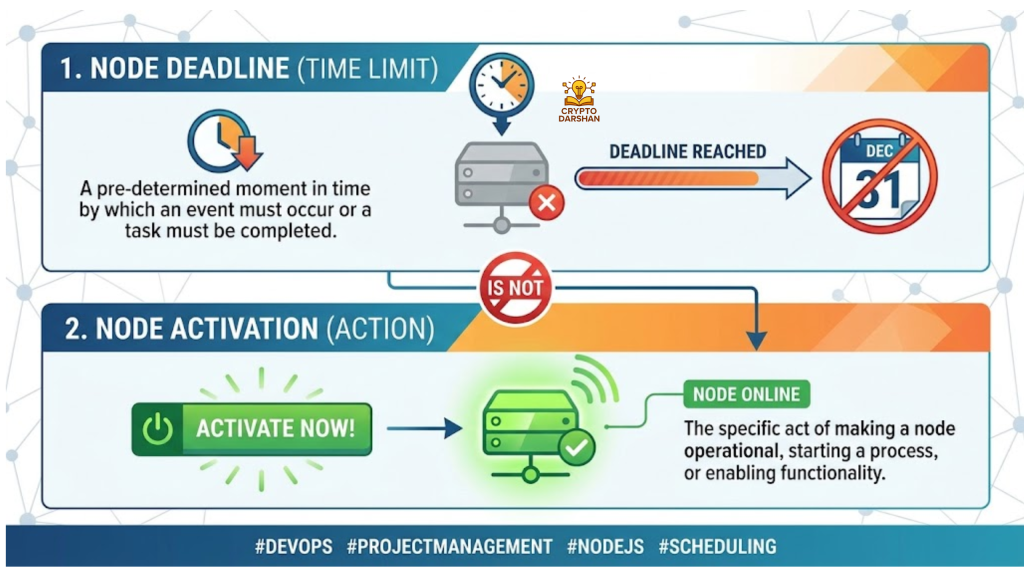
Pi asked all Mainnet node operators to upgrade to Protocol 28 by October 13. However, a node deadline only means that participating computers should install compatible software. The Mainnet activation, scheduled for October 16, is the separate point at which the network begins following the new protocol rules.
A node that misses the deadline does not automatically mean the network has failed. The outcome depends on how many active validators upgrade and how the network handles servers running older software.
Pi has not published an auditable count showing how many active Mainnet validators are running Protocol 28. Download numbers alone would not prove participation, because a person can download software without running an active node. The more useful evidence would be the version distribution among active consensus nodes, the upgrade state, and continued ledger production after activation.
What has already happened
Protocol 27 is already live on Pi’s Mainnet. Pi says it completed that upgrade successfully before moving Protocol 28 to Testnet for testing.
Testnet testing allows developers to try the new software in a controlled environment before it affects the live ledger. But it does not prove how the upgrade will perform on Mainnet, where real transactions, live balances and active node operators are involved.
As of October 14, Protocol 28 had not yet activated on Mainnet. Any claim that the upgrade has already succeeded should therefore wait for confirmation from Pi and independent ledger observations after October 16.
Why smart-contract tools matter
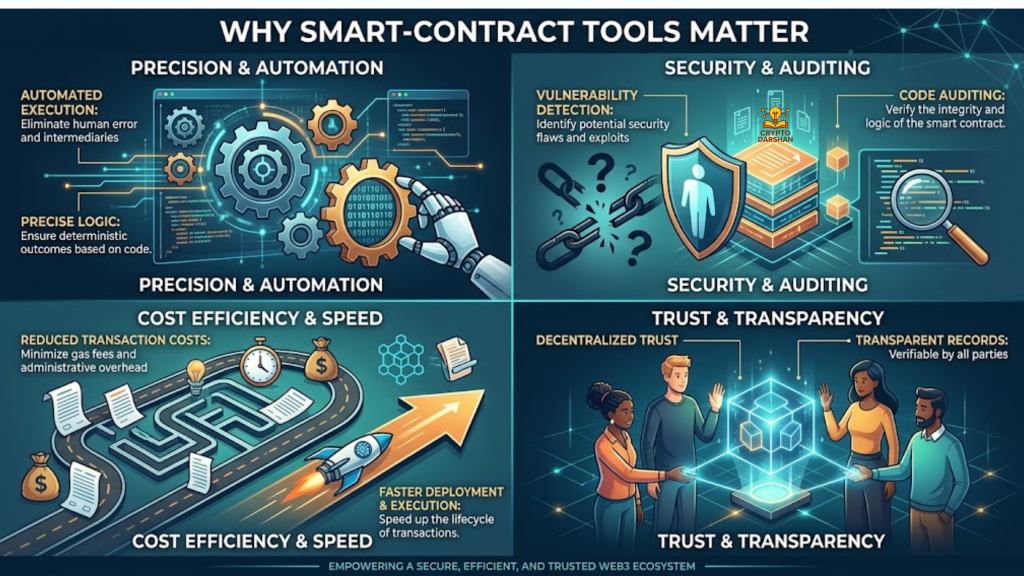
The grouped-upgrade feature could help developers build more complex applications on Pi. For example, a marketplace might use one contract for listings, another for payments and another for user permissions. Updating all three together can reduce the risk of one part working while another part breaks.
Still, protocol support is only a tool. Developers must still write correct code, test migration paths and prepare for failures. A safer upgrade process does not automatically make an application secure or useful.
Pi’s smart-contract development began before Protocol 28. The earlier Protocol 27 release introduced developer capabilities, while the new version builds on that foundation.
What the upgrade does not prove
Protocol 28 does not guarantee faster transactions, lower fees, more users or a higher PI price. Pi’s announcement describes intended technical improvements but does not publish throughput benchmarks, fee reductions or a list of production apps using the new functions.
A successful activation would show that node operators coordinated around the new software and that the Mainnet continued producing ledgers. It would not, by itself, prove that developers have built useful applications or that users are spending PI.
The project’s broader roadmap still includes other barriers: KYC verification, balance migration, app discovery and merchant acceptance. Protocol 28 may improve the network’s foundation, but user demand depends on whether people can find and use useful apps after the upgrade.
As Pi Network works toward its mainnet activation, its development reflects the broader growth of Web3, where decentralized networks aim to give users greater control over digital interactions and assets.
OUSD is not part of this launch

Pi has also discussed a possible stablecoin relationship with Open Standard, the team behind OUSD. The company says it is exploring rewards and other ecosystem uses, but it has not announced a launch date for OUSD on Pi.
That means the Protocol 28 activation should not be treated as an OUSD launch. A stablecoin could make payments easier to price because its value would not move with PI’s market price, but Pi says PI remains the ecosystem’s native cryptocurrency.
Whether a stablecoin would increase demand for PI depends on details that have not been finalized, including transaction fees, incentives, liquidity and whether apps require users to hold PI.
What to watch on October 16
The clearest sign of success will be confirmation that the Mainnet has activated Protocol 28 and continued producing ledgers. Pi’s official notice, blockchain explorers and node-status information can help verify that the network has moved to the new protocol.
Users and developers should also watch for evidence that the new features work in practice. That could include named applications, public contract addresses, test transactions, and demonstrations of grouped contract upgrades or data migrations.
The most important measure after activation will be real use: active applications, participating wallets and economically meaningful transactions. Until those results appear, Protocol 28 should be judged as an infrastructure upgrade with potential—not as proof of adoption.