
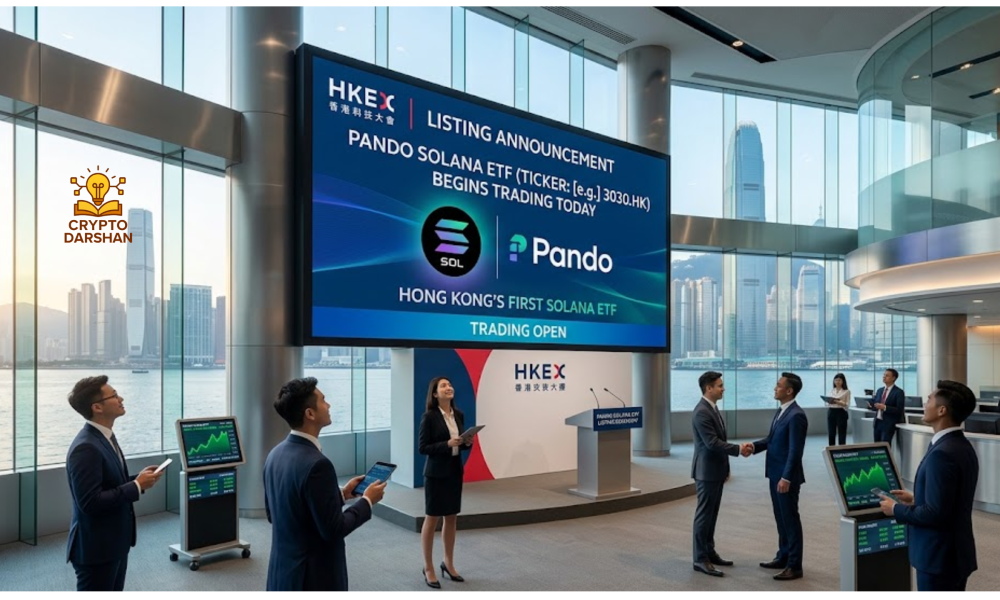
Pando Finance is scheduled to list its spot Solana ETF on the Hong Kong Stock Exchange on October 13, adding another regulated way for investors to gain exposure to SOL. The fund will trade under the stock code 2831.HK and hold Solana directly, rather than using futures contracts.
A second spot Solana ETF for Hong Kong
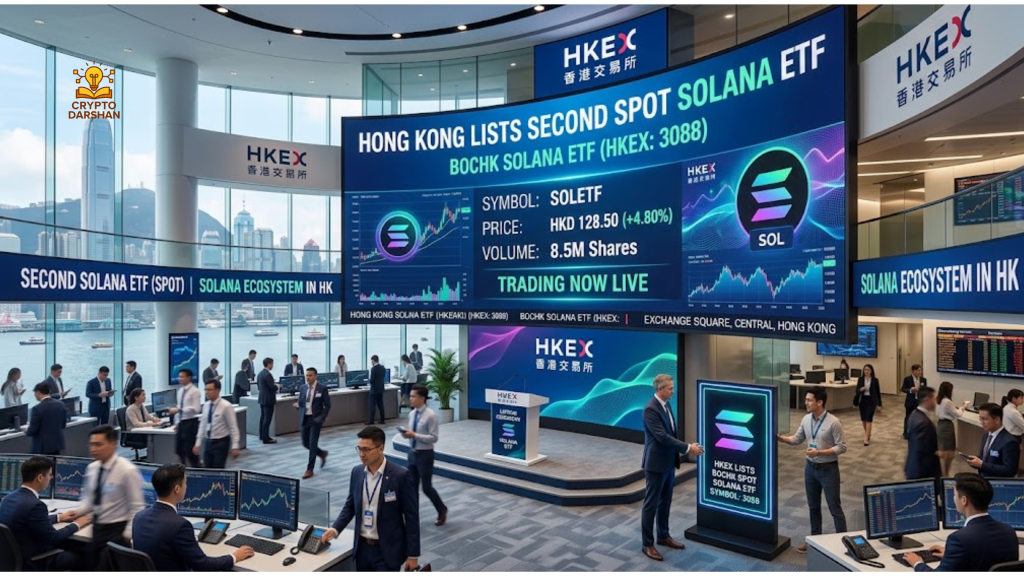
The Pando Solana ETF will be Hong Kong’s second spot ETF focused on Solana, following the launch of the territory’s first such product. Its arrival adds to the range of crypto investment products available through the city’s financial markets.
A spot ETF gives investors exposure to the value of an asset through shares in a fund. Investors buy and sell those shares on a stock exchange, while the fund holds the underlying asset. For Pando’s ETF, that asset is SOL, the native cryptocurrency of the Solana network.
The fund’s prospectus names Pando Finance Limited as manager. It also says the ETF has been authorised by Hong Kong’s Securities and Futures Commission (SFC). However, the prospectus cautions that authorisation is not a recommendation, endorsement, or guarantee of performance.
How the fund plans to track SOL
Pando says the ETF aims to deliver results that closely follow the Solana price benchmark known as the CME CF Solana-Dollar Reference Rate – Asia Pacific Variant. The fund is passively managed, meaning it is designed to follow that benchmark rather than actively choose investments in an effort to beat the market.
The ETF plans to invest directly in SOL through virtual asset trading platforms licensed by Hong Kong’s SFC. Its prospectus identifies HashKey Exchange as the platform for buying and selling the fund’s Solana, while HashKey Custody Services will act as the sub-custodian. BOCI-Prudential Trustee Limited is listed as the fund’s custodian and administrator.
The fund will not stake its Solana holdings. It also will not use derivatives or leverage, according to Pando’s product information. It may hold a small amount of cash—up to 3% of its net asset value—to cover expenses and meet redemption requests.
Fees, trading details, and ticker
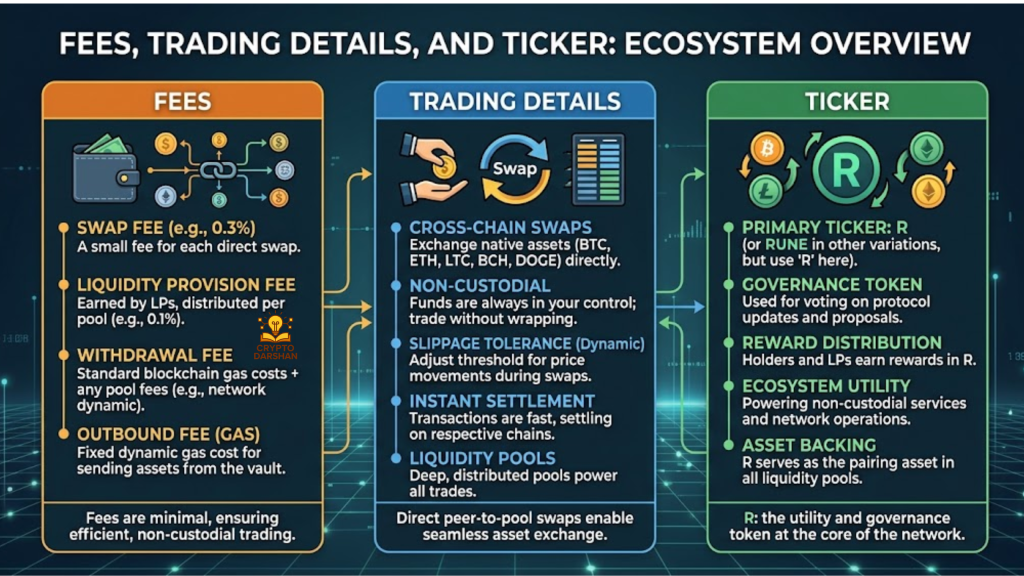
The ETF is expected to trade in Hong Kong dollars on the Hong Kong Stock Exchange’s Main Board. Its stock code is 2831.HK, and the minimum board lot is 100 shares. The fund does not intend to pay dividends.
Pando lists a management fee of 0.60% per year and estimates ongoing charges at 1.60%. The ongoing-charge figure is an estimate, not a fixed fee. Pando says charges will be capped at 1.60% of the fund’s average net asset value during its first year, through October 13, 2027.
Investors may also face brokerage and other trading costs when buying or selling shares. The market price can differ from the ETF’s net asset value, so buyers could pay more than the value of the fund’s underlying holdings, while sellers could receive less.
What the launch could mean
The listing gives investors another exchange-traded route to Solana exposure in Hong Kong. Some investors may find a stock-market product easier to access than holding SOL directly in a crypto wallet. An ETF can also handle the custody of the underlying tokens through its appointed service providers.
But the fund does not remove Solana’s market risks. Because it invests directly in SOL, its value can rise or fall sharply with the token’s price. Pando warns that investors could lose a substantial part—or even all—of their investment.
The ETF’s trading price may also move away from its net asset value. This can happen when supply and demand for its shares shift, when liquidity is limited, or when crypto markets are moving while the Hong Kong exchange is closed. SOL trades around the clock, but ETF shares are available only during exchange trading hours.
Risks investors should understand
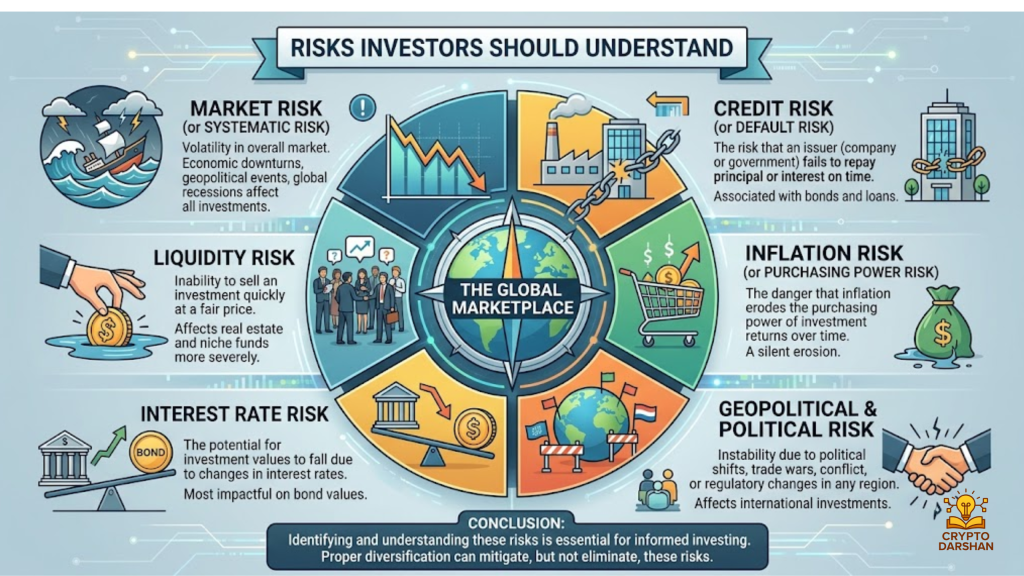
Pando’s product information highlights several risks tied to Solana and the fund’s structure. These include the token’s price volatility, possible network or cybersecurity problems, changes in regulation, and risks linked to the platforms and custodians involved. The fund also warns that its performance may not match the benchmark exactly after fees and other costs.
SFC authorisation provides a regulatory framework for the product, but it does not protect investors from losses or guarantee that the ETF will meet its objective. Investors should review the fund’s prospectus and key facts statement to understand its costs, terms, and risks before making a decision.
A new option, not a guarantee
Pando’s October 13 listing is set to expand Hong Kong’s spot Solana ETF market with a fund that holds SOL directly and trades under 2831.HK. Its launch offers another route to price exposure through a regulated exchange product, but it remains closely tied to Solana’s volatile market and carries risks that differ from those of traditional stock or bond ETFs.