
The decentralized finance (DeFi) ecosystem has evolved into one of the most transformative innovations in modern finance. It has redefined how individuals and institutions interact with money, investments, and financial systems. Yet, as DeFi grows, so does its complexity. Managing liquidity, optimizing yield, and mitigating risk require technical expertise and constant attention. Kamino Finance, built on the Solana blockchain, addresses these challenges through automation, intelligence, and accessibility.
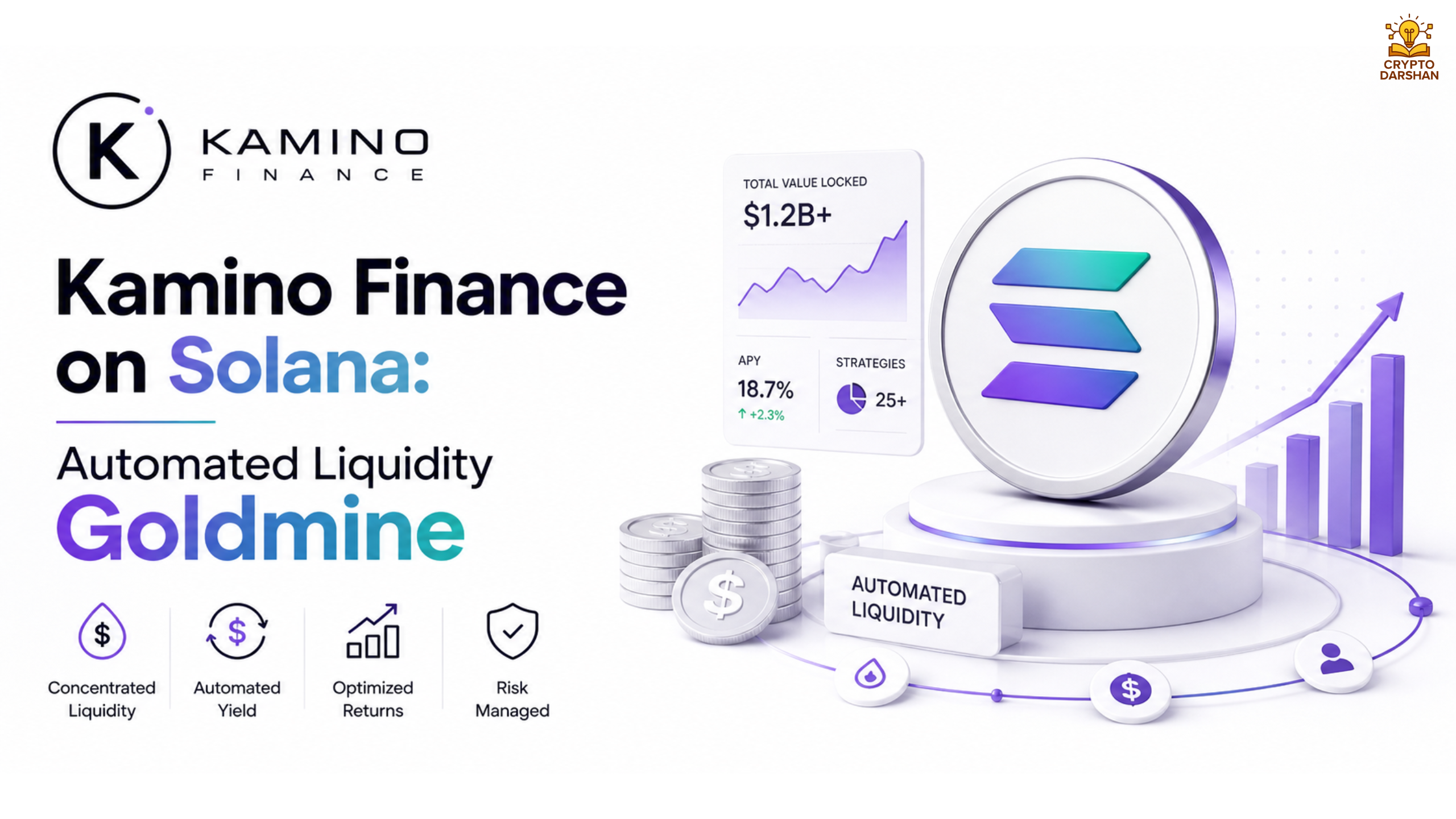
Kamino Finance is an automated liquidity management protocol that simplifies DeFi participation. It allows users to earn optimized yields without manual intervention, leveraging Solana’s speed and scalability to deliver a seamless experience. This article explores Kamino Finance in depth—its technology, features, tokenomics, ecosystem impact, and why it’s being hailed as an automated liquidity goldmine.
The Evolution of DeFi and the Rise of Solana
The DeFi Landscape
DeFi has grown from a small experimental niche into a trillion-dollar industry. Protocols like Uniswap, Aave, and Curve pioneered decentralized trading and lending, but they also introduced new challenges—high gas fees, manual management, and complex strategies. As DeFi expanded, the need for automation, efficiency, and stronger security became clear. As DeFi protocols grow, Multi-Party Computation (MPC): The Future of Secure Collaborative Computing highlights emerging security solutions for asset protection.
Solana’s Role in the Next Generation of DeFi
Solana emerged as a high-performance blockchain capable of processing thousands of transactions per second with minimal fees. Its Proof-of-History (PoH) and Proof-of-Stake (PoS) hybrid consensus mechanism ensures scalability and speed, making it ideal for real-time DeFi applications. Solana’s architecture allows protocols like Kamino to execute complex liquidity strategies instantly and cost-effectively.
The Liquidity Problem
Liquidity is the foundation of DeFi. Without it, decentralized exchanges (DEXs) suffer from slippage, volatility, and inefficiency. However, providing liquidity manually is difficult. It requires constant monitoring, rebalancing, and risk management. Kamino Finance automates these processes, allowing users to deposit assets and let the protocol handle everything—from rebalancing to compounding.
What Is Kamino Finance?
Kamino Finance is a decentralized finance (DeFi) protocol built on the Solana blockchain that integrates lending, liquidity provision, and leverage into a unified platform. It allows users to deposit tokens into smart vaults that automatically manage liquidity positions across Solana-based DEXs. The protocol optimizes yield, minimizes impermanent loss, and compounds rewards—all without requiring manual intervention.
Mission and Vision
Kamino’s mission is to democratize access to advanced DeFi strategies. It aims to make liquidity provision as simple as depositing funds into a vault while the protocol handles positioning, rebalancing, and compounding. The vision is to create a world where anyone, regardless of technical expertise, can participate in DeFi and earn sustainable yields.
How Kamino Finance Works

Automated Vaults
Kamino’s core innovation lies in its automated vaults. Each vault is designed for a specific trading pair, such as SOL/USDC or BONK/SOL. When users deposit tokens, Kamino’s smart contracts automatically deploy them into liquidity pools on DEXs like Orca, Raydium, or Meteora.
Key Functions
- Automated Rebalancing:
Kamino continuously monitors market conditions and adjusts liquidity positions to maintain optimal exposure. This reduces impermanent loss and maximizes fee generation.
- Yield Optimization:
The protocol compounds rewards automatically, ensuring that users benefit from exponential yield growth over time.
- Risk Management:
Kamino’s algorithms dynamically adjust strategies based on volatility, liquidity depth, and market trends.
- Transparency:
All vault operations are executed through audited smart contracts, ensuring full transparency and security.
Example Scenario
A user deposits SOL and USDC into a Kamino vault. The vault automatically provides liquidity to a DEX, monitors price movements, and rebalances positions as needed. The user earns trading fees and yield rewards without needing to manually manage the position.
The Technology Behind Kamino Finance
Built on Solana
Kamino leverages Solana’s high-speed, low-cost infrastructure to deliver seamless liquidity management. Solana’s parallel processing and PoH consensus mechanism allow Kamino to execute complex strategies in real time.
Smart Contract Architecture
Kamino’s smart contracts are modular and secure. Each vault operates independently, with parameters defining its strategy, risk tolerance, and target liquidity range. This modularity allows Kamino to scale efficiently and integrate with multiple DEXs.
Ecosystem Integrations
Kamino integrates with major Solana DeFi protocols, including:
- Orca: Concentrated liquidity AMM for efficient trading
- Raydium: Hybrid AMM and order book DEX
- Meteora: Dynamic liquidity management platform
- Jupiter: Solana’s leading liquidity aggregator
These integrations enable Kamino to access deep liquidity and optimize yield opportunities across the ecosystem.
Unique Features of Kamino Finance

1. Automated Liquidity Management
Kamino eliminates the need for manual intervention. Users can deposit assets once and let the protocol handle rebalancing, compounding, and optimization.
2. Concentrated Liquidity Optimization
Kamino supports concentrated liquidity, allowing liquidity to be provided within specific price ranges. This increases capital efficiency and enhances yield potential. Structured Products: Fixed Returns on Crypto Volatility demonstrates how advanced crypto strategies can also improve capital efficiency across DeFi markets.
3. Dynamic Fee Collection
The protocol automatically collects and compounds trading fees, ensuring continuous yield growth.
4. Non-Custodial Design
Kamino is fully non-custodial, meaning users retain control of their assets at all times. Funds are managed by smart contracts, not centralized entities.
5. Transparent Performance Metrics
Each vault provides real-time data on performance, yield rates, and risk exposure, allowing users to make informed decisions.
6. Governance and Community Involvement
Kamino’s governance model allows token holders to participate in decision-making, influencing vault strategies, fee structures, and protocol upgrades.
The Kamino Token (KMNO)
Token Utility
The KMNO token serves as the native utility and governance token of Kamino Finance. It plays several key roles:
- Governance: Token holders can vote on proposals related to vault strategies, protocol upgrades, and fee distribution.
- Staking: Users can stake KMNO to earn rewards and participate in revenue sharing.
- Incentives: KMNO is used to incentivize liquidity providers and vault participants.
- Fee Discounts: Holding KMNO may grant users reduced fees or enhanced yield multipliers.
Tokenomics Overview
| Category | Allocation | Purpose |
| Community Rewards | 40% | Liquidity incentives and user rewards |
| Team & Advisors | 20% | Development and strategic growth |
| Treasury | 15% | Protocol sustainability |
| Investors | 15% | Early backers and partnerships |
| Public Sale | 10% | Token distribution and liquidity |
Deflationary Mechanisms
Kamino employs token-burning mechanisms tied to protocol revenue, gradually reducing the circulating supply of KMNO and increasing its scarcity over time.
Yield Generation Strategies
Kamino’s yield generation is powered by a combination of trading fees, incentive rewards, and compounding mechanisms. The protocol’s strategies are designed to maximize returns while minimizing risk.
1. Fee-Based Yield
Liquidity providers earn a share of trading fees generated by DEX transactions. Kamino automatically collects and compounds these fees.
2. Incentive Rewards
Many Solana DEXs offer token incentives for liquidity providers. Kamino aggregates these rewards and redistributes them to vault participants.
3. Auto-Compounding
All earned rewards are automatically reinvested into the vault, compounding returns over time.
4. Dynamic Rebalancing
Kamino’s algorithms adjust liquidity positions based on market conditions, ensuring optimal exposure and minimizing impermanent loss.
In highly volatile market conditions, strategies like Scalping Crypto in Volatile Markets: High-Risk Strategy Breakdown highlight how traders attempt to capture short-term gains, contrasting with Kamino’s long-term automated yield approach.
Security and Audits

Security is a top priority for Kamino Finance. The protocol undergoes regular smart contract audits by reputable blockchain security firms. Additionally, Kamino employs multi-signature wallets, bug bounty programs, and real-time monitoring to safeguard user funds.
Key Security Measures
- Audited Smart Contracts
- Non-Custodial Architecture
- Transparent On-Chain Data
- Continuous Risk Assessment
These measures ensure that Kamino maintains the highest standards of safety and reliability.
Kamino’s Role in the Solana DeFi Ecosystem
Kamino Finance has become a cornerstone of Solana’s DeFi landscape, driving liquidity efficiency and user adoption. Its automation tools complement other Solana protocols, creating a synergistic ecosystem.
Benefits to Solana Ecosystem
- Enhanced Liquidity Depth: Kamino’s vaults aggregate liquidity across multiple DEXs, improving market depth.
- User Accessibility: Simplified interfaces attract new users to Solana DeFi.
- Capital Efficiency: Concentrated liquidity and automation increase yield potential.
- Ecosystem Growth: Kamino’s integrations foster collaboration among Solana projects.
Advanced Use Cases and Ecosystem Synergies
1. Cross-Protocol Liquidity Routing
Kamino’s integration with Jupiter and other Solana aggregators allows it to route liquidity efficiently across multiple DEXs. This ensures that users always benefit from the best trading conditions and highest yields.
2. Institutional Liquidity Management
Institutional investors can use Kamino’s vaults to deploy large-scale liquidity positions without manual oversight. The automation and transparency make it suitable for funds seeking passive yield exposure.
3. DAO Treasury Management
Decentralized autonomous organizations (DAOs) can use Kamino vaults to manage their treasuries efficiently. By depositing idle assets into Kamino, DAOs can earn yield while maintaining liquidity for governance or operations.
4. NFT and GameFi Liquidity Integration
As Solana’s NFT and GameFi ecosystems expand, Kamino can provide liquidity solutions for tokenized assets, enabling smoother trading and yield generation for gaming tokens and NFT marketplaces.
Kamino’s Economic Impact on Solana
Kamino Finance plays a vital role in strengthening Solana’s DeFi economy. By automating liquidity management and optimizing yield, it enhances the efficiency and stability of the entire network. The protocol’s smart vaults attract both retail and institutional participants, expanding Solana’s user base and deepening its liquidity pools. This increased participation not only improves trading conditions but also drives sustainable ecosystem growth.
Economic Benefits
- Higher Trading Volume: Kamino’s optimized liquidity encourages more trading activity, attracting market makers, arbitrageurs, and active traders to Solana-based DEXs.
- Lower Volatility: Deep and balanced liquidity pools help stabilize token prices, reducing slippage and improving market confidence.
- Increased TVL (Total Value Locked): Kamino’s automated vaults significantly boost Solana’s overall DeFi TVL, reinforcing its position as a leading blockchain for decentralized finance.
- Ecosystem Collaboration: By integrating with major Solana protocols, Kamino fosters innovation, strengthens partnerships, and contributes to a more interconnected and resilient DeFi ecosystem.
Through these contributions, Kamino not only supports Solana’s economic expansion but also helps establish it as a premier hub for efficient, scalable, and automated decentralized finance.
Future Innovations and Technological Roadmap

Kamino’s roadmap includes several groundbreaking innovations designed to enhance automation, scalability, and user experience.
1. AI-Powered Liquidity Optimization
Kamino plans to integrate artificial intelligence and machine learning models to predict market trends and optimize liquidity positions automatically. This will allow the protocol to anticipate volatility and adjust strategies proactively.
2. Cross-Chain Expansion
While Kamino currently operates on Solana, future updates may include cross-chain compatibility with ecosystems like Ethereum, Arbitrum, and Avalanche. This would enable users to manage liquidity across multiple blockchains from a single interface.
3. Institutional-Grade Analytics
Kamino is developing advanced analytics dashboards that provide real-time insights into vault performance, risk exposure, and yield metrics. These tools will cater to institutional investors and professional traders.
4. Enhanced Governance Framework
The protocol aims to expand its governance model, allowing KMNO holders to propose new vaults, adjust parameters, and influence protocol direction through decentralized voting.
Challenges and Risks of Kamino Finance

While Kamino Finance offers powerful automation and yield optimization, it still faces several challenges common to DeFi protocols. Understanding these risks helps explain how the project maintains stability and user trust.
Smart Contract Vulnerabilities
Smart contracts power Kamino’s vaults and automation systems. Even with audits, bugs or exploits can occur, leading to potential losses. Kamino reduces this risk through regular third-party audits, bug bounty programs, and a modular contract design that isolates vaults to prevent system-wide failures.
Market Volatility
Crypto markets are highly volatile, and sudden price swings can affect liquidity positions or cause impermanent loss. Kamino mitigates this by using automated rebalancing algorithms that adjust positions in real time and by offering diversified vaults across multiple trading pairs to spread risk.
Regulatory Uncertainty
DeFi operates in a shifting regulatory environment. Future laws could impact how protocols function or how tokens are distributed. Kamino addresses this by maintaining transparency, decentralizing governance through KMNO holders, and consulting legal experts to stay compliant with evolving standards. As DeFi protocols grow, Multi-Party Computation (MPC): The Future of Secure Collaborative Computing highlights emerging cryptographic solutions that strengthen asset protection alongside evolving regulatory standards.
Competition
The DeFi space is crowded with yield optimizers and liquidity managers. Kamino stays competitive by leveraging Solana’s speed and low fees, integrating with top Solana DEXs, and continuously improving its vault strategies and user experience.
Why Kamino Finance Is a Liquidity Goldmine
Kamino Finance stands out as a liquidity goldmine because it transforms complex DeFi strategies into automated, user-friendly solutions. Its combination of automation, yield optimization, and Solana’s performance creates a powerful platform for passive income generation.
Key Advantages
- Hands-Free Liquidity Provision
- Optimized Yield Through Automation
- Reduced Impermanent Loss
- Low Transaction Costs
- Transparent and Secure Infrastructure
- Community-Driven Governance
By bridging the gap between advanced DeFi strategies and everyday users, Kamino unlocks new opportunities for wealth creation in the decentralized economy.
The Broader Vision: Kamino as a DeFi Infrastructure Layer
Kamino Finance is expanding beyond yield optimization to become a core infrastructure layer for Solana’s DeFi ecosystem. Its vaults, automation tools, and liquidity routing systems are designed to serve as foundational components for other decentralized applications. This evolution allows developers to build on Kamino’s infrastructure to create new financial products such as structured yield instruments, synthetic assets, and automated trading systems.
Integration Potential
- Lending Protocols: Kamino vaults can act as collateral sources for lending markets, providing yield-bearing assets that improve capital efficiency.
- Derivatives Platforms: Automated liquidity from Kamino can support perpetual futures and options trading by maintaining deep, balanced liquidity pools.
- Stablecoin Ecosystems: Kamino’s liquidity depth helps stabilize algorithmic stablecoins by ensuring consistent market support.
- Cross-Chain Bridges: Liquidity automation can enhance bridge performance, reducing slippage and improving asset transfer efficiency.
By positioning itself as a liquidity engine for Solana and potentially other blockchains, Kamino aims to power the next generation of DeFi protocols. This infrastructure-level approach ensures long-term relevance, making Kamino not just a yield optimizer but a foundational layer for decentralized finance.
Kamino Finance on Solana Labs: Automated Liquidity Goldmine — FAQ

1. What is Kamino Finance?
Kamino Finance is a DeFi protocol built on Solana that automates liquidity provisioning, lending, and leveraged yield strategies. It started as an automated liquidity vault platform and has expanded into a broader capital-efficiency ecosystem for DeFi users.
2. How does Kamino’s automated liquidity work?
Kamino uses automated vaults to manage concentrated liquidity positions across Solana DEXs. Instead of manually adjusting liquidity ranges, the protocol rebalances positions automatically and compounds earned fees back into the vault.
This helps users optimize returns without constant market monitoring.
3. Why is Kamino popular on Solana?
Kamino benefits from Solana’s low fees and high transaction speeds. Since active liquidity management requires frequent rebalancing, Solana’s fast execution makes automation efficient and cost-effective.
This gives Kamino a major edge over similar systems on higher-fee blockchains.
4. What are Kamino Vaults?
Kamino Vaults are automated strategies where users deposit token pairs into liquidity pools. The protocol manages:
- Entry price ranges
- Rebalancing positions
- Auto-compounding rewards
- Fee optimization
Users simply deposit and let the system handle the strategy.
5. Can beginners use Kamino Finance?
Yes. Kamino simplifies concentrated liquidity, which is usually complex for beginners. Its one-click vault model removes manual LP management and makes yield farming more accessible.
6. What are the main earning methods on Kamino?
Kamino offers multiple earning methods:
- Automated liquidity vaults
- Lending assets for interest
- Borrowing against collateral
- Leveraged yield farming
These products allow users to choose based on risk appetite.
7. What is impermanent loss in Kamino?
Impermanent loss happens when the price ratio of deposited tokens changes significantly. Even with automation, liquidity providers can face this risk.
Kamino’s rebalancing can reduce inefficiencies, but it cannot eliminate impermanent loss entirely.
8. Is Kamino Finance safe?
Kamino uses audited smart contracts and transparent on-chain execution. However, risks still exist:
- Smart contract vulnerabilities
- Market volatility
- Liquidation risks (for leveraged positions)
- Impermanent loss
Users should assess protocol and market risks carefully.
Conclusion
Kamino Finance represents a paradigm shift in decentralized liquidity management. Built on Solana’s high-performance blockchain, it automates the complexities of yield farming and liquidity provision, making DeFi more efficient, accessible, and profitable. Through intelligent vaults, transparent governance, and robust security, Kamino is redefining how liquidity is managed in the digital economy.
As DeFi continues to evolve, Kamino Finance stands at the forefront of innovation—empowering users to harness the full potential of automated liquidity and transforming Solana into a hub of financial opportunity. With its combination of automation, scalability, and community-driven growth, Kamino truly embodies the future of decentralized finance—a goldmine of automated liquidity for the modern digital economy.