
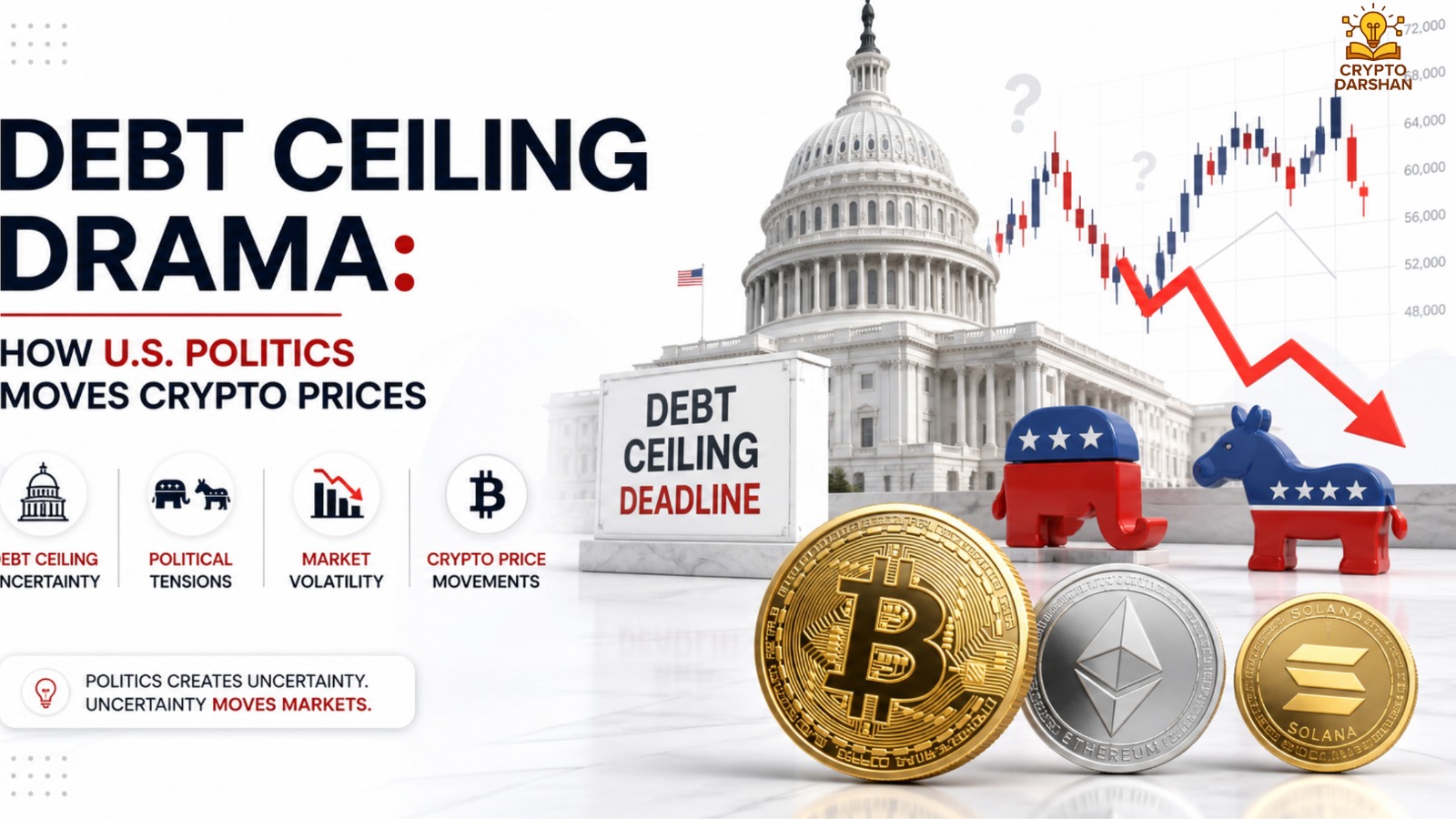
The intersection of U.S. politics and cryptocurrency markets has become one of the most fascinating dynamics in modern finance. Among the many political events that influence global markets, few have as much recurring drama and economic consequence as the U.S. debt ceiling debate. Each time Congress approaches the borrowing limit, financial markets brace for volatility, and cryptocurrencies often find themselves at the center of the storm. This article explores how the U.S. debt ceiling drama affects crypto prices, investor sentiment, and the broader digital asset ecosystem.
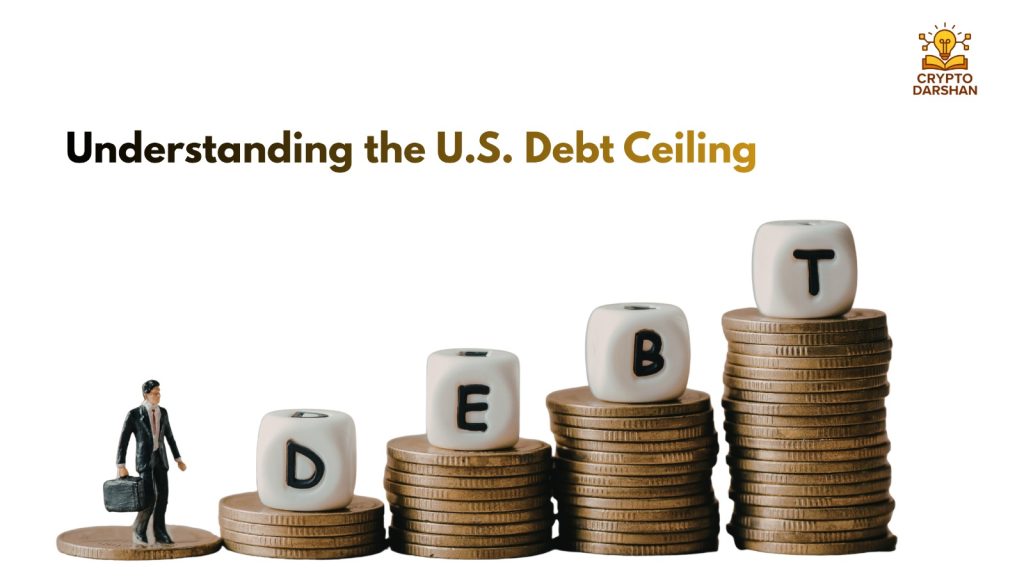
Understanding the U.S. Debt Ceiling
What Is the Debt Ceiling?
The debt ceiling is the total amount the U.S. government is authorized by Congress to borrow to meet its existing obligations, including interest payments on Treasury securities. The federal debt was $38.4 trillion as of January 12th, 2026, per the U.S. These obligations include paying for Social Security, Medicare, military salaries, interest on national debt, and other federal programs. When the government reaches this limit, it cannot issue new debt unless Congress votes to raise or suspend the ceiling.
Why It Matters
The debt ceiling does not authorize new spending; it allows the government to pay for spending that Congress has already approved. Failure to raise the ceiling could lead to a default on U.S. obligations, which would have catastrophic consequences for the global economy. Because U.S. Treasury securities are considered one of the safest investments in the world, any threat to their reliability shakes investor confidence across all asset classes, including cryptocurrencies.
The Political Theater Behind the Debt Ceiling

Partisan Battles and Market Anxiety
The debt ceiling has become a recurring political weapon. Both major parties often use it as leverage to push for fiscal or policy concessions. These standoffs create uncertainty in financial markets, as investors fear potential government shutdowns or defaults. The longer the debate drags on, the more volatility spreads across equities, bonds, and digital assets.
Historical Examples of Debt Ceiling Crises
2011 Debt Ceiling Crisis
In 2011, a standoff between the Obama administration and Congress led to the first-ever downgrade of the U.S. credit rating by Standard & Poor’s. The stock market plunged, and Bitcoin, still in its infancy, began to attract attention as an alternative asset outside traditional finance.
2013 Government Shutdown
Another impasse in 2013 caused a 16-day government shutdown. While traditional markets wobbled, Bitcoin prices surged, signaling early signs of its role as a hedge against political dysfunction.
2023 Debt Ceiling Showdown
The 2023 debate under the Biden administration reignited fears of default. Crypto markets experienced heightened volatility, with Bitcoin and Ethereum prices fluctuating sharply as investors weighed the potential fallout.
How Debt Ceiling Uncertainty Impacts Financial Markets

1. Investor Sentiment and Risk Appetite Shift
When debt ceiling debates intensify, investor psychology changes dramatically. Fear causes investors to move away from risky assets like stocks and cryptocurrencies toward safer options like gold or Treasury bonds. However, some investors now view Bitcoin as an alternative safe haven when confidence in government assets wavers. This creates a tug-of-war in crypto markets—some sell due to fear, while others buy as a hedge, resulting in increased volatility and unpredictable price movements.
2. Market Volatility and Price Swings
Debt ceiling standoffs create extreme uncertainty about what happens next. This unknown future causes wild price swings across all financial markets. Crypto markets, which operate 24/7 with high leverage options, become especially turbulent. Bitcoin and Ethereum can see 10-20% price changes in a single day during peak uncertainty. This volatility attracts day traders but scares away long-term institutional investors who prefer stability.
Debt ceiling uncertainty often leads to fake breakouts—understand these traps better in “Market Maker Manipulation: Spotting Fakeouts in Crypto.”
3. U.S. Dollar Strength and Currency Dynamics
The U.S. dollar’s value fluctuates significantly during debt ceiling crises, directly impacting crypto prices. When investors fear potential default, the dollar weakens, making Bitcoin more attractive as an independent alternative. When Congress resolves the crisis, the dollar strengthens and crypto prices often decline as investors return to traditional assets. This inverse relationship becomes particularly pronounced during political standoffs.
4. Liquidity Disruptions Across Markets

During debt ceiling crises, the Treasury may reduce issuing securities to conserve cash, creating liquidity problems throughout the financial system. When liquidity tightens in traditional markets, it spills over into crypto. Traders face delays moving money between fiat and crypto, and institutional investors may pull back from all markets, reducing trading volumes and making large transactions more difficult.
5. Credit Rating Threats and Systemic Confidence
Prolonged debt ceiling battles threaten the U.S. credit rating, as seen in 2011 when Standard & Poor’s downgraded U.S. debt for the first time. Such downgrades shake investor confidence in the entire traditional financial system. This systemic confidence crisis pushes some investors toward decentralized alternatives like Bitcoin, which don’t depend on government creditworthiness.
6. Stock Market Decline and Wealth Effects
Stock markets typically fall during debt ceiling uncertainty because investors hate unpredictability. When major indices decline, people feel poorer and reduce spending, slowing the economy. Initially, this decline drags crypto prices down as panicked investors sell everything. However, if the crisis continues, some investors begin viewing crypto as an alternative investment opportunity.
7. Federal Reserve Policy and Interest Rate Implications
The Federal Reserve’s response to debt ceiling drama significantly influences all markets. If the crisis threatens stability, the Fed might pause rate hikes, which benefits cryptocurrencies by making borrowing cheaper. If the Fed maintains aggressive rate hikes despite political chaos, it suppresses crypto prices by making safer investments more attractive. The Fed’s communication triggers immediate reactions in crypto markets.
8. Inflation Expectations and Store of Value Narrative
Debt ceiling debates raise questions about how the government manages debt. If investors believe politicians will print more money to cover obligations, inflation expectations rise. Bitcoin’s fixed supply positions it as an inflation hedge, similar to gold. During debt ceiling crises, this “digital gold” narrative strengthens, attracting investors who want to protect wealth from currency debasement.
Crypto as a Hedge Against Political Risk

Bitcoin’s “Digital Gold” Narrative
Bitcoin’s appeal as “digital gold” grows stronger during times of political and economic uncertainty. The decentralized nature of Bitcoin means it operates outside the control of any government or central bank. When investors lose faith in traditional institutions, Bitcoin becomes an attractive alternative.
Ethereum and the Broader Crypto Ecosystem
While Bitcoin often leads the charge, other cryptocurrencies like Ethereum also benefit from political instability. Ethereum’s ecosystem supports decentralized finance (DeFi) applications, which allow users to lend, borrow, and trade without intermediaries. During debt ceiling crises, interest in DeFi platforms tends to rise as investors explore alternatives to traditional banking systems.
Stablecoins and Safe Havens
Stablecoins, such as USDT and USDC, play a unique role during debt ceiling debates. Although they are pegged to the U.S. dollar, their utility in crypto markets provides liquidity and stability. However, if confidence in the dollar itself falters, stablecoins may face scrutiny, pushing investors toward Bitcoin or other non-pegged assets.
Historical Correlation Between Debt Ceiling Events and Crypto Prices

2011–2013: Early Correlations
During the early 2010s, Bitcoin was still a niche asset. Yet, its price movements during the 2011 and 2013 debt ceiling crises hinted at a pattern: when political uncertainty rose, Bitcoin gained attention as a hedge. Although trading volumes were small, the foundation for Bitcoin’s “crisis asset” narrative was laid.
2017–2021: Institutional Awareness
As institutional investors entered the crypto space, the correlation between macroeconomic events and crypto prices became more pronounced. The 2020 pandemic stimulus measures and subsequent debt ceiling debates in 2021 highlighted how fiscal policy and government borrowing directly influenced crypto sentiment.
2023–2025: Maturing Market Response
By 2023, the crypto market had matured significantly. Bitcoin’s price movements during the debt ceiling standoff reflected a more sophisticated investor base. Rather than reacting purely to fear, traders began to anticipate policy outcomes, using crypto derivatives and stablecoins to hedge exposure.
The Mechanisms Linking U.S. Politics and Crypto Prices

1. Market Volatility and Speculation
Debt ceiling debates create uncertainty, which fuels speculation. Traders often use volatility to profit from short-term price swings. Crypto markets, known for their 24/7 trading and high leverage, amplify these movements.
2. Media Coverage and Public Perception
Mainstream media coverage of debt ceiling crises often highlights government dysfunction and economic risk. This narrative drives retail investors toward decentralized assets, reinforcing the perception of crypto as a safe haven.
3. Institutional Behavior
Institutional investors, including hedge funds and asset managers, increasingly use Bitcoin as part of diversified portfolios. During debt ceiling standoffs, these institutions may increase crypto exposure as a hedge against potential dollar weakness or Treasury market instability.
4. Regulatory and Policy Implications
Debt ceiling debates often coincide with broader discussions about fiscal responsibility and financial regulation. Policymakers may propose new taxes, spending cuts, or financial reforms that indirectly affect crypto markets. For example, stricter banking regulations could push more capital into decentralized finance.
The Role of Inflation and Monetary Policy

1. Inflation Expectations Drive Crypto Demand
When debt ceiling debates create fears about government fiscal responsibility, investors worry about inflation. If they believe the government will print more money to cover debts, the dollar’s purchasing power decreases. Bitcoin, with its hard-coded limit of 21 million coins, becomes attractive as a hedge. Unlike fiat currencies that governments can print endlessly, Bitcoin’s scarcity mirrors gold. During debt ceiling crises, when inflation fears peak, buying pressure on cryptocurrencies increases significantly.
2. Federal Reserve’s Interest Rate Decisions
The Federal Reserve controls monetary policy through interest rate adjustments, which impact crypto markets directly. When the Fed raises rates to combat inflation, traditional savings and bonds become more attractive, pulling money away from cryptocurrencies. When the Fed lowers rates, investors search for higher returns in crypto. During debt ceiling standoffs, dovish Fed policies typically cause crypto rallies, while hawkish policies suppress prices.
3. Quantitative Easing and Money Supply Expansion
Quantitative easing (QE) is when the Federal Reserve buys government bonds to inject money into the economy. During debt ceiling crises, the Fed may implement QE to ensure stability. While QE prevents collapse, it devalues currency by increasing supply. Crypto enthusiasts view this as validation for Bitcoin’s fixed supply. Historical data shows cryptocurrencies perform well during QE periods as investors seek inflation-resistant assets.
4. Real Interest Rates and Opportunity Cost
Real interest rates (nominal rates minus inflation) determine the cost of holding non-yielding assets like Bitcoin. When inflation is high but rates remain low, real rates become negative, meaning cash loses value. This makes Bitcoin attractive since you’re not sacrificing much. During debt ceiling debates, if inflation rises faster than rate hikes, favorable conditions emerge for crypto investment.
5. Central Bank Credibility and Alternative Systems
The Federal Reserve’s credibility depends on managing inflation while supporting growth. The debt ceiling crisis tests this by forcing navigation through political dysfunction. When the Fed appears powerless or favors short-term fixes, confidence in centralized systems erodes. This drives interest in decentralized alternatives like Bitcoin, which operate on transparent rules rather than political decisions.
Global Implications of U.S. Debt Ceiling Drama

Impact on Emerging Markets
Emerging economies often hold large reserves of U.S. dollars and Treasuries. A U.S. default or prolonged political standoff could destabilize these reserves, prompting some countries to explore alternative assets, including Bitcoin, for diversification.
International Adoption of Crypto
Political instability in the U.S. can accelerate global interest in decentralized currencies. Countries facing similar fiscal challenges may view crypto as a model for financial independence. This trend strengthens the global crypto ecosystem and reduces reliance on the U.S. dollar.
Cross-Border Capital Flows
During debt ceiling crises, capital often flows out of U.S. assets into global markets. Some of this capital finds its way into crypto exchanges, driving up prices and trading volumes worldwide.
Case Studies: Crypto Market Reactions to Debt Ceiling Events

Case Study 1: The 2011 Crisis
- Event: Prolonged political standoff and U.S. credit downgrade
- Market Reaction: Stock market decline; gold and Bitcoin prices rose
- Crypto Impact: Bitcoin gained early recognition as a hedge asset
Case Study 2: The 2013 Shutdown
- Event: 16-day government shutdown due to debt ceiling impasse
- Market Reaction: Treasury yields fluctuated; investor confidence dropped
- Crypto Impact: Bitcoin surged from around $120 to over $200
Case Study 3: The 2023 Showdown
- Event: Political gridlock under the Biden administration
- Market Reaction: Treasury yields spiked; dollar weakened temporarily
- Crypto Impact: Bitcoin and Ethereum experienced sharp volatility, with Bitcoin briefly surpassing $30,000
Investor Strategies During Debt Ceiling Crises
Diversification
Investors often diversify portfolios across asset classes to mitigate risk. Including cryptocurrencies alongside stocks, bonds, and commodities can provide a hedge against political uncertainty.
Dollar-Cost Averaging (DCA)
Using a DCA strategy allows investors to accumulate crypto gradually, reducing exposure to short-term volatility caused by political events.
Hedging with Stablecoins
Stablecoins offer a way to park funds in crypto markets without full exposure to volatility. However, investors must monitor the stability and transparency of the issuing entities.
Monitoring Policy Developments
Staying informed about congressional negotiations, Treasury statements, and Federal Reserve actions helps investors anticipate market movements and adjust positions accordingly.
The Psychological Dimension: Fear, Uncertainty, and Opportunity

Market Psychology
Debt ceiling debates trigger fear and uncertainty, but they also create opportunities. Experienced traders understand that volatility can lead to profitable setups if managed carefully.
Social Media Influence
Social Media Platforms like Twitter, Reddit, and Telegram amplify market sentiment. During political crises, crypto communities often rally around narratives of decentralization and financial sovereignty, driving collective buying behavior.
The Role of Influencers
Crypto influencers and analysts play a significant role in shaping perceptions. Their commentary during debt ceiling debates can sway retail investor sentiment, contributing to price swings.
The Future of Crypto Amid Political Uncertainty

Institutional Integration
As more institutions adopt crypto, its correlation with traditional markets may increase. However, Bitcoin’s decentralized nature ensures it retains unique characteristics that appeal during political crises.
Central Bank Digital Currencies (CBDCs)
The rise of CBDCs could reshape the relationship between government debt and digital assets. If the U.S. introduces a digital dollar, it may coexist with decentralized cryptocurrencies, influencing how investors respond to debt ceiling debates.
Long-Term Outlook
Over time, recurring debt ceiling dramas may erode confidence in fiat systems, accelerating the adoption of decentralized alternatives. Bitcoin’s scarcity and independence position it as a long-term beneficiary of political instability.
FAQ: Debt Ceiling Drama & Crypto Markets

1. What is the U.S. debt ceiling?
The U.S. debt ceiling is a legal limit set by Congress on how much money the federal government can borrow to meet its existing obligations, such as paying debts, Social Security, and government salaries.
2. Why does the debt ceiling affect crypto prices?
When debt ceiling debates create uncertainty in traditional markets, investors often look for alternative assets like Bitcoin. This can lead to increased demand and price volatility in crypto markets.
3. Does Bitcoin benefit from debt ceiling crises?
Often, yes—but not always. Bitcoin is sometimes viewed as a “safe-haven” or hedge against government instability, so it may rise during political uncertainty. However, in extreme situations, investors may move to cash, causing short-term drops.
4. How does government default risk impact crypto?
If the U.S. risks defaulting on its debt, it can shake confidence in the dollar and traditional financial systems. This may push some investors toward decentralized assets like cryptocurrencies.
5. What happens to crypto if the debt ceiling is resolved?
When the issue is resolved, market uncertainty decreases. This can lead to profit-taking in crypto or a shift back to traditional assets, sometimes causing short-term price corrections.
6. Do interest rates and the debt ceiling connect to crypto?
Yes. Debt ceiling debates can influence government spending and monetary policy. Rising interest rates often reduce liquidity, which can negatively impact crypto prices.
7. Is crypto a reliable hedge against political instability?
Crypto can act as a hedge in some cases, but it is still highly volatile. It should not be relied upon as a guaranteed safe-haven asset like gold.
8. How do institutional investors react during debt ceiling drama?
Institutions may reduce risk exposure during uncertainty, which can cause volatility in both stocks and crypto. However, some may increase crypto allocations as a diversification strategy.
Conclusion
The U.S. debt ceiling drama is more than a political spectacle—it is a recurring stress test for global financial systems. Each episode exposes vulnerabilities in traditional markets and highlights the growing relevance of cryptocurrencies as alternative assets. As investors navigate the uncertainty of fiscal politics, crypto continues to evolve from a speculative instrument into a legitimate hedge against systemic risk.
The interplay between U.S. politics and crypto prices underscores a broader shift in global finance. In an era where government decisions can ripple across digital markets within seconds, understanding this relationship is essential for investors, policymakers, and analysts alike. The next time Congress debates the debt ceiling, the world will once again watch, not just Wall Street, but the blockchain as well.