
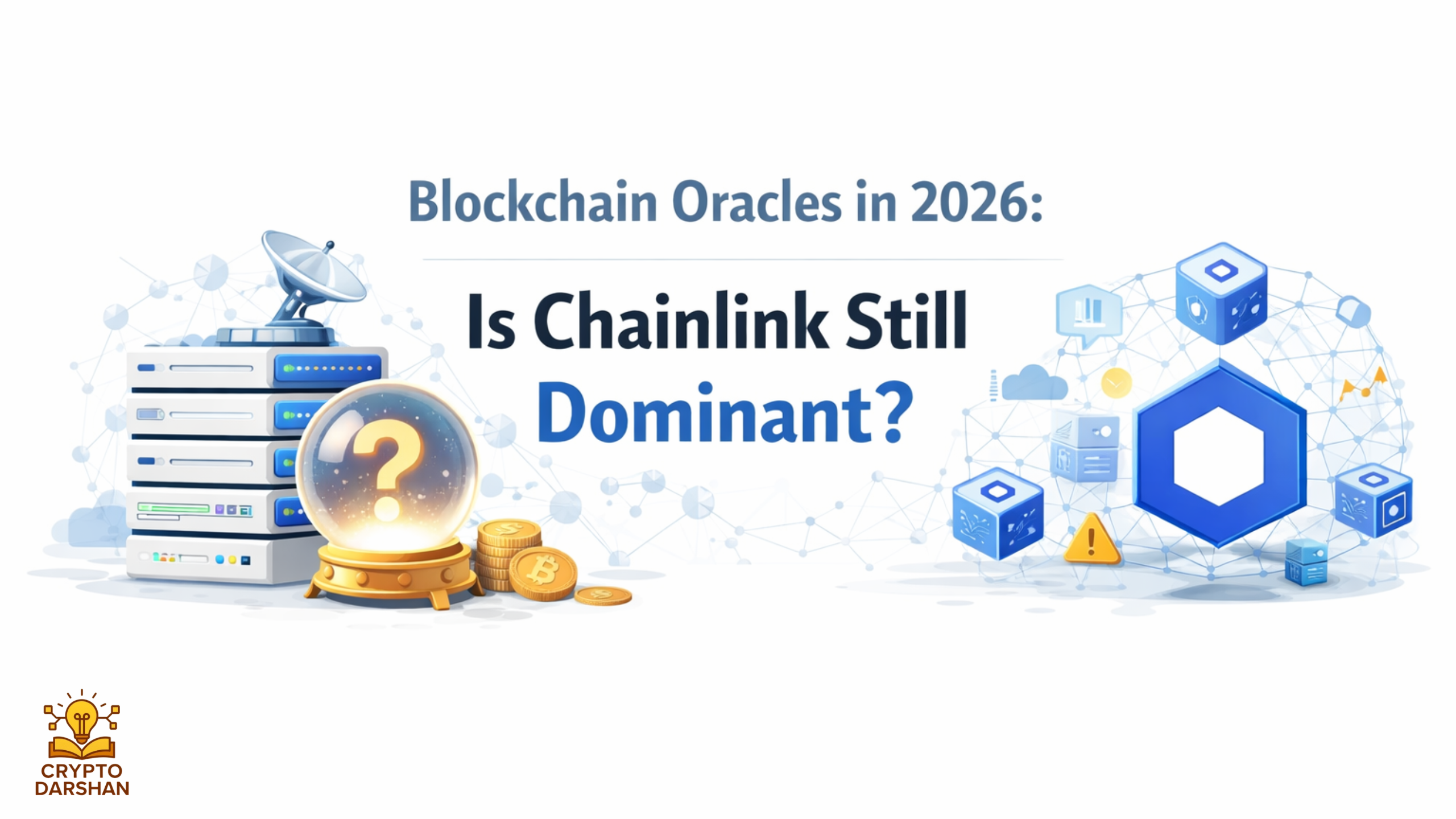
The blockchain ecosystem has evolved dramatically over the past decade, and one of the most critical components enabling this evolution is Blockchain Oracles. These systems bridge the gap between on-chain smart contracts and off-chain data, allowing decentralized applications (dApps) to interact with real-world information. As of 2026, the oracle landscape has become more competitive, with new players entering the market and established ones refining their technology. Yet, one question remains central to the discussion: Is Chainlink still the dominant force among Blockchain Oracles?
This comprehensive analysis explores the current state of Blockchain Oracles in 2026, the technological advancements shaping the sector, the competitive landscape, and the future trajectory of Chainlink and its rivals. The goal is to provide a detailed, data-driven perspective on how Blockchain Oracles continue to underpin the decentralized economy.
Understanding Blockchain Oracles
What Are Blockchain Oracles?
Oracles are a core component of on-chain financial systems, providing the external connectivity and computation that blockchains cannot natively support.
They connect blockchains to real-world data, existing systems, APIs, and industry standards, while also enabling verifiable computation for onchain privacy, compliance, orchestration, and other advanced services.Oracles solve this limitation by fetching, verifying, and transmitting external data to smart contracts. This data can include anything from asset prices and weather conditions to sports results and IoT sensor readings.
Without Blockchain Oracles, smart contracts would be confined to static, on-chain data, severely limiting their functionality. Oracles enable dynamic, real-world interactions, making them indispensable for decentralized finance (DeFi), supply chain management, insurance, gaming, and more.
Types of Blockchain Oracles
- Inbound Oracles – Deliver external data to the blockchain (e.g., price feeds for DeFi).
- Outbound Oracles – Send blockchain data to external systems (e.g., triggering payments or IoT actions).
- Software Oracles – Source data from online APIs or databases.
- Hardware Oracles – Gather data from physical devices like sensors or scanners.
- Consensus-Based Oracles – Aggregate data from multiple sources to ensure accuracy and prevent manipulation.
- Cross-Chain Oracles – Facilitate communication between different blockchains, enabling interoperability.
Each type of oracle serves a unique purpose, and the combination of these systems forms the backbone of the decentralized data economy.
Understanding Chainlink
1. What Is Chainlink?
Chainlink is a decentralized network of Blockchain Oracles that connects smart contracts with real-world data. Since blockchains cannot access external information on their own, Chainlink acts as a bridge, securely delivering off-chain data such as asset prices, weather updates, or event outcomes to on-chain applications. This capability makes it a foundational technology for decentralized finance (DeFi), insurance, gaming, and other blockchain-based industries.
2. How Chainlink Works
Chainlink operates through a network of independent node operators that fetch, verify, and deliver data to smart contracts. Instead of relying on a single data source, Chainlink aggregates information from multiple providers to ensure accuracy and prevent manipulation. This decentralized approach enhances trust and reliability, making Chainlink one of the most secure oracle solutions available.
3. Key Components of Chainlink
- Chainlink Nodes: Independent operators that collect and transmit data.
- Data Aggregation Contracts: Combine multiple data inputs to produce a single, verified output.
- LINK Token: The native cryptocurrency used to pay node operators and secure the network through staking.
- Chainlink VRF (Verifiable Random Function): Provides provably fair randomness for gaming and NFT applications.
- Chainlink CCIP (Cross-Chain Interoperability Protocol): Enables communication and data transfer between different blockchains.
4. Importance of Chainlink in the Blockchain Ecosystem
Chainlink’s decentralized oracle network has become essential for enabling smart contracts to interact with real-world events. Without Chainlink, most decentralized applications would be limited to static, on-chain data. Its infrastructure supports thousands of projects, powering billions of dollars in value across DeFi, NFTs, and enterprise blockchain solutions.
5. Why Chainlink Stands Out
Chainlink’s strength lies in its reliability, security, and continuous innovation. Its decentralized architecture eliminates single points of failure, while its partnerships with major organizations ensure real-world adoption. By combining advanced cryptography, data aggregation, and cross-chain capabilities, Chainlink has established itself as the leading provider of Blockchain Oracles, driving the next generation of smart contract functionality.
The Evolution of Blockchain Oracles
Early Development (2015–2020)
The concept of Blockchain Oracles emerged alongside the rise of Ethereum and smart contracts. Early implementations were centralized, relying on single data providers. This approach introduced trust issues, as a single point of failure could compromise the entire system. Chainlink, launched in 2017, revolutionized the space by introducing a decentralized oracle network (DON) that aggregated data from multiple sources, ensuring reliability and security.
Expansion and Adoption (2020–2023)
Between 2020 and 2023, Blockchain Oracles became integral to the DeFi boom. Chainlink’s price feeds powered major protocols like Aave, Synthetix, and Compound. Competitors such as Band Protocol, API3, and DIA also gained traction, offering alternative oracle solutions with different architectures and governance models.
During this period, oracles expanded beyond DeFi into sectors like insurance, gaming, and supply chain logistics. The demand for real-time, tamper-proof data surged, driving innovation in oracle design and scalability.
Maturity and Diversification (2024–2026)
By 2026, Blockchain Oracles have matured into a multi-billion-dollar industry. The focus has shifted from basic data delivery to advanced features such as cross-chain interoperability, zero-knowledge proofs, and AI-driven data validation. Chainlink remains a major player, but the competitive landscape has diversified significantly.
Chainlink’s Position in 2026
Market Share and Ecosystem
As of 2026, Chainlink continues to hold a substantial share of the Blockchain Oracles market. Its decentralized network supports thousands of data feeds across multiple blockchains, including Ethereum, BNB Chain, Polygon, Avalanche, and emerging Layer-2 solutions. Chainlink’s ecosystem includes partnerships with major enterprises, DeFi protocols, and government-backed blockchain initiatives.
Chainlink’s Cross-Chain Interoperability Protocol (CCIP), launched in 2023, has become a cornerstone of multi-chain communication. It enables seamless data and asset transfers across blockchains, reinforcing Chainlink’s dominance in interoperability solutions.
Technological Advancements
Chainlink’s success in 2026 is largely attributed to continuous innovation. Key advancements include:
- Hybrid Smart Contracts: Combining on-chain logic with off-chain computation for enhanced scalability.
- Verifiable Random Function (VRF) v2: Providing secure randomness for gaming and NFT applications.
- Proof of Reserve (PoR): Ensuring transparency for tokenized assets and stablecoins.
- Automation Services: Enabling decentralized task scheduling and execution.
- AI-Enhanced Data Validation: Leveraging machine learning to detect anomalies and improve data accuracy.
These innovations have solidified Chainlink’s reputation as the most reliable and feature-rich oracle provider.
Governance and Tokenomics
Chainlink’s governance model has evolved to include community-driven proposals and staking mechanisms. The LINK token remains central to the network’s economy, used for node operator rewards, staking, and governance participation. The introduction of LINK staking v2 in 2025 improved network security by incentivizing honest behavior among node operators.
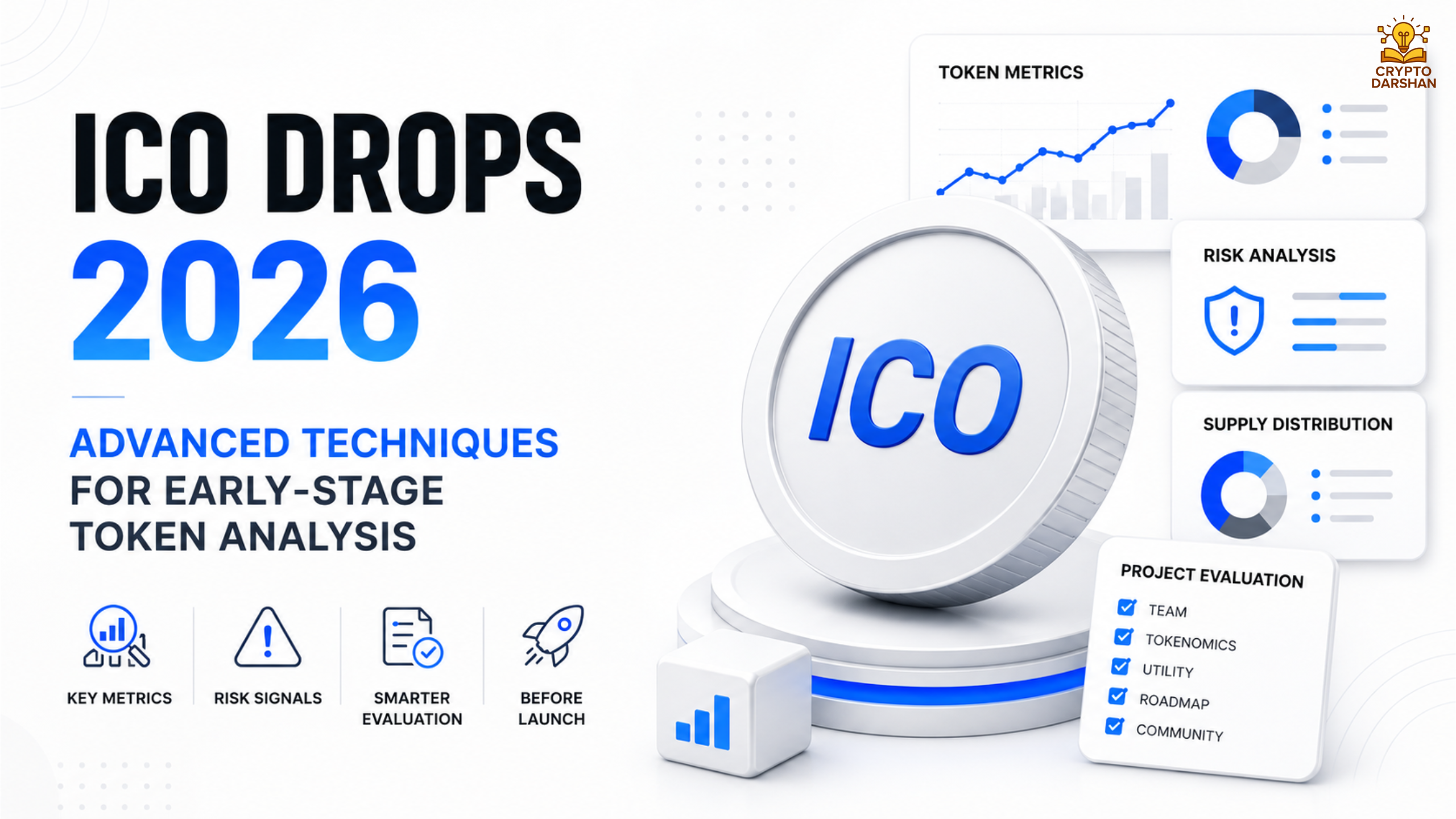
Before investing in oracle tokens like LINK, it’s important to understand how token supply impacts valuation, especially when analyzing metrics like Fully Diluted Valuation (FDV) and long-term emission schedules.
Evolving Governance and Tokenomics
The introduction of LINK staking v2 has improved network security and community participation. Node operators are rewarded for honest behavior, while token holders gain a voice in governance decisions. This evolution has created a more sustainable and transparent ecosystem around the LINK token.
Expanding Enterprise and Institutional Adoption
Chainlink’s collaborations with major corporations and institutions have solidified its reputation as a reliable data infrastructure provider. Partnerships with organizations like SWIFT and Google Cloud highlight its growing influence in bridging traditional finance and blockchain technology, ensuring long-term relevance in the global data economy.
Competitors in the Blockchain Oracles Market
While Chainlink remains dominant, several competitors have emerged with unique value propositions. The following are the most notable Blockchain Oracles in 2026:
1. Band Protocol
Band Protocol operates on the Cosmos network, offering high-speed, low-cost oracle services. Its cross-chain compatibility and flexible data sourcing have made it popular among developers seeking alternatives to Ethereum-based oracles. Band’s decentralized governance and focus on scalability have helped it capture a growing share of the oracle market.
2. API3
API3 introduced the concept of first-party oracles, where data providers run their own oracle nodes. This model eliminates intermediaries, reducing costs and improving data authenticity. API3’s Airnode technology simplifies integration for traditional APIs, making it a strong contender in enterprise blockchain adoption.
3. DIA (Decentralized Information Asset)
DIA focuses on transparency and community-driven data sourcing. It allows users to verify data origins and methodologies, promoting trust and accountability. DIA’s open-source framework has attracted developers building DeFi and NFT analytics platforms.
4. Pyth Network
Pyth Network specializes in high-frequency financial data, catering to institutional-grade DeFi applications. Built on Solana, Pyth delivers ultra-low-latency price feeds, making it ideal for trading platforms and derivatives markets. Its collaboration with major exchanges and data providers has strengthened its position in the oracle ecosystem.
5. SupraOracles
SupraOracles combines cross-chain interoperability with high-performance data delivery. Its focus on speed, security, and scalability has made it a preferred choice for next-generation dApps. Supra’s hybrid consensus mechanism ensures both decentralization and efficiency.
6. RedStone
RedStone offers modular oracle solutions optimized for Layer-2 and modular blockchain architectures. Its caching mechanism reduces gas costs, making it suitable for cost-sensitive applications. RedStone’s integration with Arbitrum, Optimism, and zkSync has expanded its reach in the scaling ecosystem.
Key Trends Shaping Blockchain Oracles in 2026
1. Cross-Chain Interoperability
The rise of multi-chain ecosystems has made interoperability a top priority. Blockchain Oracles now facilitate seamless data exchange across networks, enabling unified liquidity and cross-chain smart contracts. Chainlink’s CCIP and SupraOracles’ cross-chain framework exemplify this trend.
2. AI and Machine Learning Integration
AI-driven data validation is becoming standard among Blockchain Oracles. Machine learning algorithms detect anomalies, filter out malicious data, and enhance accuracy. This integration ensures that smart contracts rely on trustworthy information.
3. Zero-Knowledge Proofs (ZKPs)
ZKPs are being integrated into Oracle systems to enhance privacy and scalability. By verifying data without revealing its source, ZKPs enable confidential transactions and secure data sharing across industries like healthcare and finance.
4. Decentralized Identity (DID) Integration
Blockchain Oracles are increasingly linked with decentralized identity systems. This integration allows for verifiable credentials and secure authentication, expanding oracle use cases in supply chain management, voting systems, and digital identity verification.
5. Enterprise Adoption
Corporations and governments are adopting Blockchain Oracles for real-world applications. From verifying carbon credits to automating insurance claims, oracles are bridging traditional industries with blockchain technology. Chainlink’s partnerships with SWIFT and Google Cloud highlight this growing enterprise interest.
6. Regulatory Compliance
As blockchain adoption grows, regulatory scrutiny intensifies. Blockchain Oracles are adapting by incorporating compliance features such as data provenance tracking and auditability. These measures ensure that oracle networks align with global data protection and financial regulations.
Challenges Facing Blockchain Oracles
Despite their progress, Blockchain Oracles face several challenges in 2026:
- Data Manipulation Risks – Ensuring data integrity remains a core challenge, especially in high-stakes financial applications.
- Scalability – As demand for real-time data increases, oracle networks must handle higher throughput without compromising decentralization.
- Cost Efficiency – Gas fees and operational costs can limit oracle adoption, particularly on congested networks.
- Interoperability Complexity – Maintaining compatibility across multiple blockchains introduces technical and security challenges.
- Regulatory Uncertainty – Varying global regulations on data usage and digital assets create compliance hurdles for oracle providers.
Addressing these challenges will determine which Blockchain Oracles thrive in the coming years.
The Role of Blockchain Oracles in DeFi and Beyond
Decentralized Finance (DeFi)
DeFi remains the largest consumer of Blockchain Oracles. Price feeds, interest rates, and collateral ratios all depend on accurate, real-time data. Chainlink’s decentralized price oracles continue to power leading DeFi platforms, ensuring transparency and security.
Gaming and NFTs
Blockchain Oracles enable dynamic in-game events, verifiable randomness, and real-world data integration in gaming ecosystems. In NFTs, oracles provide metadata updates, rarity verification, and cross-platform interoperability.
Supply Chain and Logistics
Oracles track goods across global supply chains, verifying authenticity and provenance. Integration with IoT devices ensures real-time monitoring of temperature, location, and condition, enhancing transparency and efficiency.
Insurance
Parametric insurance relies on Blockchain Oracles to trigger payouts based on predefined conditions, such as weather data or flight delays. This automation reduces administrative overhead and ensures timely compensation.
Environmental and Social Impact
Blockchain Oracles are increasingly used to verify sustainability metrics, such as carbon emissions and renewable energy production. These applications support ESG (Environmental, Social, and Governance) initiatives and transparent reporting.
Chainlink vs. Competitors: Comparative Analysis
| Feature | Chainlink | Band Protocol | API3 | Pyth Network | SupraOracles |
| Decentralization | High | Moderate | High | Moderate | High |
| Cross-Chain Support | Extensive (CCIP) | Cosmos-based | Limited | Solana-focused | Multi-chain |
| Data Sources | Aggregated from multiple providers | Community-curated | First-party APIs | Institutional data | Hybrid sources |
| Speed | Moderate | High | Moderate | Very High | High |
| Enterprise Adoption | Strong | Moderate | Growing | High | Emerging |
| AI Integration | Advanced | Limited | Moderate | Moderate | Advanced |
| Governance | Community + Staking | DAO | DAO | Foundation-led | Hybrid |
Chainlink’s comprehensive ecosystem, robust security, and enterprise partnerships keep it ahead of competitors. However, specialized oracles like Pyth and API3 are gaining ground in niche markets.
The Future of Blockchain Oracles
Decentralized Data Economy
By 2030, Blockchain Oracles are expected to underpin a fully decentralized data economy. Data will be tokenized, traded, and verified through oracle networks, creating new revenue streams for data providers and consumers alike.
Integration with AI and IoT
The convergence of Blockchain Oracles, AI, and IoT will enable autonomous systems capable of real-time decision-making. Smart cities, autonomous vehicles, and predictive maintenance systems will rely on oracle-fed data for seamless operation.
Enhanced Security and Privacy
Future Blockchain Oracles will incorporate advanced cryptographic techniques, including homomorphic encryption and secure multi-party computation (MPC), to protect sensitive data while maintaining transparency.
Global Standardization
As adoption grows, industry-wide standards for oracle design, data validation, and interoperability will emerge. These standards will ensure consistency, reliability, and compliance across networks.
Frequently Asked Questions (FAQs)
1. What is a blockchain oracle?
A blockchain oracle is a third-party service that provides smart contracts with real-world data. Since blockchains like Ethereum cannot access off-chain information directly, oracles act as bridges, feeding them data such as asset prices, weather reports, or sports results.
2. Why are oracles important in DeFi?
Oracles are critical for decentralized finance (DeFi) because they supply accurate price feeds for lending, borrowing, derivatives, and stablecoins. Without reliable oracle data, protocols could face incorrect liquidations, price manipulation, or even collapse.
3. Is Chainlink still the leading oracle network in 2026?
Chainlink remains the most widely adopted oracle network in 2026, largely due to its strong security record, extensive integrations, and institutional partnerships. However, competition from decentralized oracle alternatives has increased.
4. What are Chainlink’s main competitors in 2026?
Major competitors include:
- Pyth Network – Popular in Solana-based ecosystems
- Band Protocol – Cross-chain oracle provider
- API3 – First-party oracle solution
- RedStone – Modular oracle infrastructure
Each offers different models such as pull-based data feeds or first-party data providers.
5. What makes Chainlink different from other oracle providers?
Chainlink uses decentralized node operators, cryptographic proofs, and reputation systems to secure data feeds. Its Cross-Chain Interoperability Protocol (CCIP) also allows secure messaging between blockchains, expanding its use beyond simple price feeds.
6. What is CCIP and why does it matter?
CCIP (Cross-Chain Interoperability Protocol) enables secure cross-chain data and token transfers. This makes Chainlink more than just a price oracle — it becomes infrastructure for multi-chain communication.
7. Can blockchain oracles be hacked or manipulated?
Yes, oracle manipulation is possible if price feeds rely on low-liquidity markets or centralized sources. However, decentralized oracle networks reduce this risk by aggregating data from multiple providers and nodes.
8. Are oracles only used for price feeds?
No. While price feeds are the most common use case, oracles also power:
- Prediction markets
- Insurance payouts
- Gaming outcomes
- Real-world asset tokenization
- Proof-of-reserve systems
Conclusion
In 2026, Blockchain Oracles remain the backbone of decentralized applications, enabling smart contracts to interact with the real world. Chainlink continues to lead the market through innovation, reliability, and strategic partnerships. However, the competitive landscape is evolving rapidly, with emerging players introducing specialized solutions that challenge Chainlink’s dominance.
The future of Blockchain Oracles lies in interoperability, AI integration, and enterprise adoption. As the decentralized economy expands, oracles will play an even greater role in connecting digital and physical worlds. Whether Chainlink maintains its leadership or shares the stage with new innovators, one thing is certain: Blockchain Oracles will remain indispensable to the blockchain revolution.