


In the world of AI(Artificial Intelligence) and Bitcoin, stories of lost wallets and forgotten passwords are common. But one recent case stands out: a man in the United Kingdom recovered access to a Bitcoin wallet worth around $400,000 after 11 years of being locked out.
This wallet was created in 2013, back when Bitcoin was trading for less than $100 per coin. Over the years, the price exploded, turning a relatively small investment into a small fortune. The only problem? He could not remember the password.
The Locked Wallet Nightmare
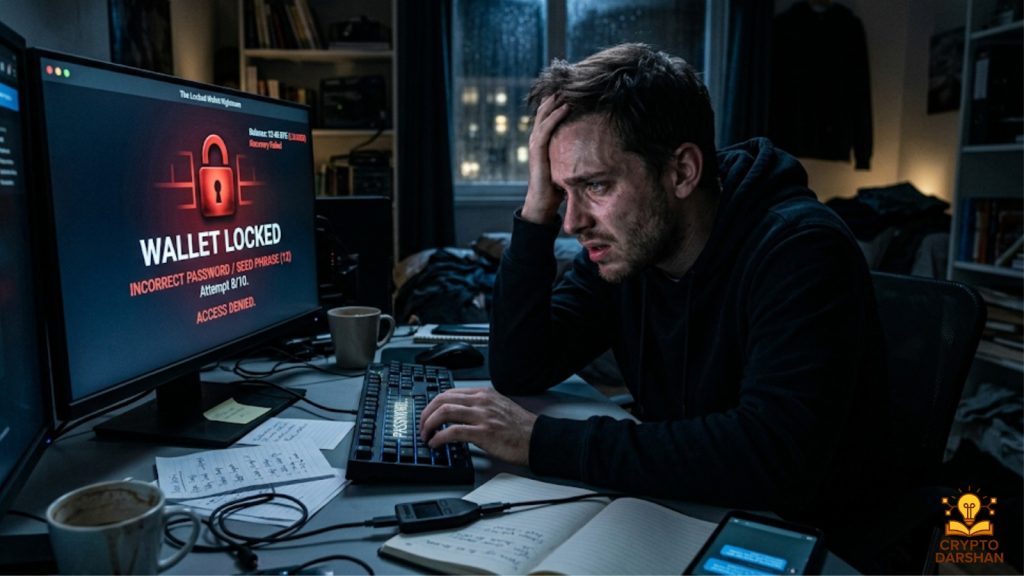
For more than a decade, the wallet sat untouched. The owner had tried logging in multiple times, but the platform he used had strict security rules. Each time he entered the wrong password, the system locked him out for increasingly longer periods.
Eventually, the lockout became permanent in practice, even though the account still existed. He could see the wallet on his profile, but the password field felt like a wall he could never climb over.
This is a common issue in the crypto world. Many people bought Bitcoin early, stored it in wallets, and then either forgot access details or lost devices. Analysts estimate that millions of Bitcoin are effectively “lost” because of dead wallets and forgotten keys.
Why Passwords Are So Critical
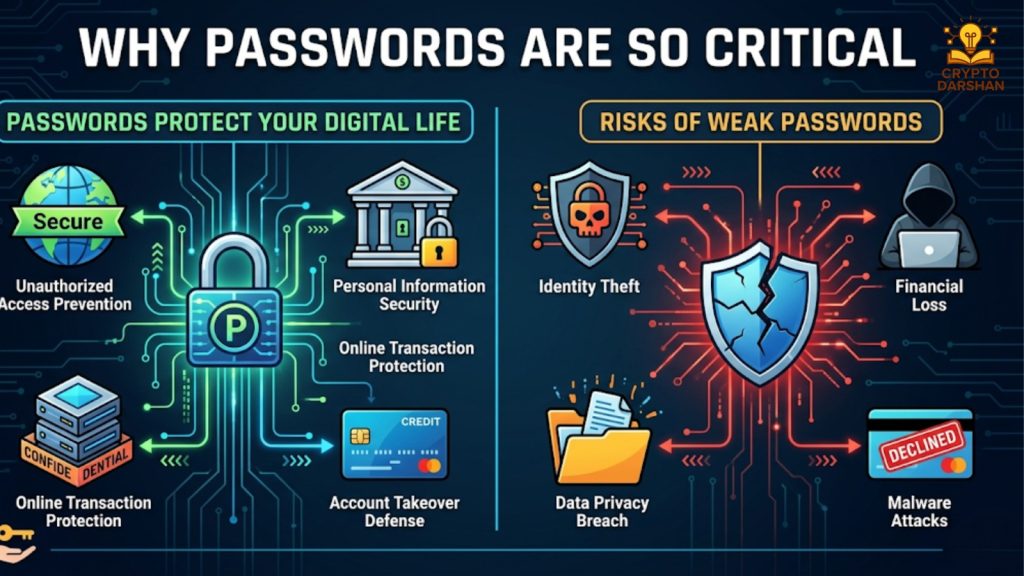
In traditional banks, staff can often help you recover access if you forget your login. But most crypto wallets do not work that way.
Crypto wallets rely on private keys and strong passwords for security. If you lose your private key or forget your password, there is usually no “forgot password” option. The blockchain is designed to be secure and immutable, not convenient.
This is a feature, not a bug. Strong encryption protects users from hackers and scammers. But it also means that mistakes can be permanent. That’s why many experts recommend writing down passwords, using password managers, and keeping backups in safe but accessible places.
Enter Artificial Intelligence

After years of frustration, the man decided to try something new: artificial intelligence.
Rather than guessing blindly, he gave detailed information about his life back in 2013 to an AI system—his habits, favorite words, common phrases, and patterns he used in passwords. The AI then analyzed this information and generated thousands of possible password combinations that fit his typical style.
The software did not “break” the wallet’s security. Instead, it narrowed down the possibilities by using patterns the user himself had likely followed. In other words, it reverse‑engineered the way he thought about passwords at that time.
The Moment of Breakthrough
Using the AI‑generated list, the wallet owner began testing possible passwords again. The platform still had its lockout rules, so he had to be careful and patient.
After several attempts, one of the AI‑suggested passwords worked. The once‑locked wallet suddenly opened up, revealing roughly $400,000 worth of Bitcoin.
This moment was not just a financial win; it was also an emotional relief. After 11 years of believing the money was gone forever, the wallet suddenly felt alive again. He could now move the coins, sell them, or hold them longer, depending on his goals.
Why This Story Matters Beyond One Wallet
This case is more than just a feel‑good recovery story. It highlights several important points about the future of technology and personal finance.
First, it shows how AI can be a powerful tool for solving real‑world problems, especially when it comes to memory and data. AI can’t guess just any password, but when combined with detailed personal history, it can dramatically increase the chances of success.
Second, it reminds users that careless password habits can have huge consequences. A few missed characters or an extra symbol can lock someone out of life‑changing sums of money.
Third, it raises questions about how platforms balance security and usability. If the system is too strict, users can lose access permanently. If it is too lenient, it becomes vulnerable to attacks.
Lessons for Everyday Crypto Users
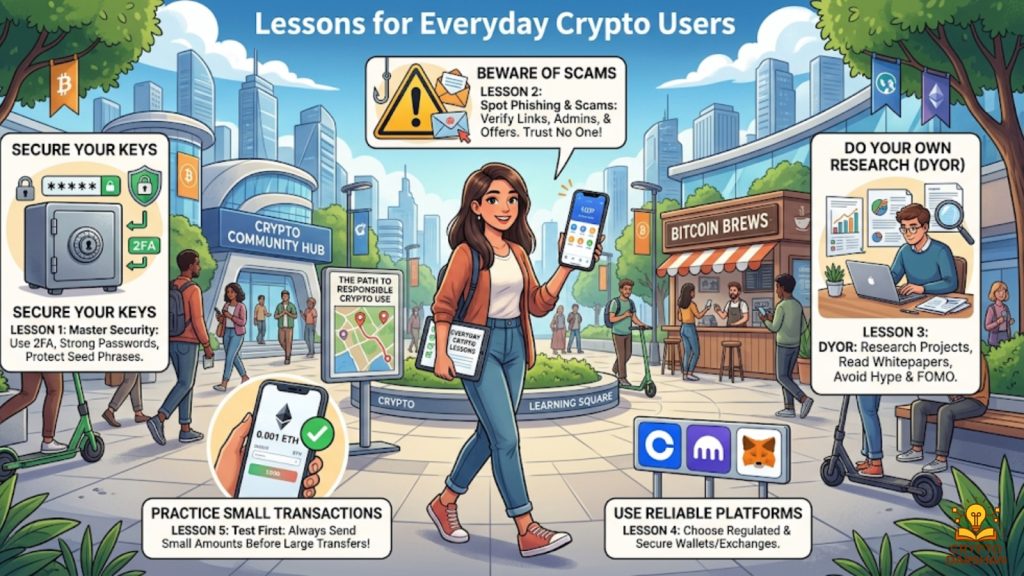
If you own or plan to use a crypto wallet, this story offers several practical takeaways:
- Write down your passwords and store them securely, such as in a password manager or a physical notebook kept in a safe place.
- Avoid using overly complex combinations that you cannot remember. A strong but memorable pattern is often safer than something random that you forget.
- Keep backup files or recovery phrases in multiple locations, such as encrypted drives or trusted offline storage.
- If possible, test your recovery process early—make sure you can restore access before you invest large amounts.
AI and Crypto: A New Partnership

This case also signals a growing relationship between AI and crypto. AI tools can now help users recover passwords, analyze risk, and even detect suspicious transactions.
However, this technology also brings new risks. If someone knows enough about your habits and information, they could use AI to guess your passwords too. That’s why privacy and security remain the top priorities.
For now, the story of the $400,000 wallet serves as both a warning and a hopeful reminder: some mistakes are not always final, especially when technology steps in to help.
Final Thoughts

Eleven years locked out from a fortune, one forgotten password, and a breakthrough powered by AI—this story is a modern digital fairy tale. It underscores how quickly our lives have become intertwined with technology, code, and cryptography.
For crypto holders everywhere, it is a simple message: treat your passwords like keys, because they can unlock or shut away life‑changing value in a single click.