

The cryptocurrency industry has evolved rapidly over the past decade, by 2026, cryptocurrencies will be more than just investments they’re a key part of the global financial system. Used for trading, DeFi, gaming, payments, and Web3 apps, the growing adoption raises one important question for every crypto user.
How do you safely store and manage your digital assets?
The answer lies in choosing the right crypto wallet. By 2026, crypto wallets will be more than storage, they’ll help you trade, stake, and explore NFTs safely. This guide covers wallet types, key features, security tips, and top recommendations for beginners, traders, and long-term investors.
What Is a Crypto Wallet?
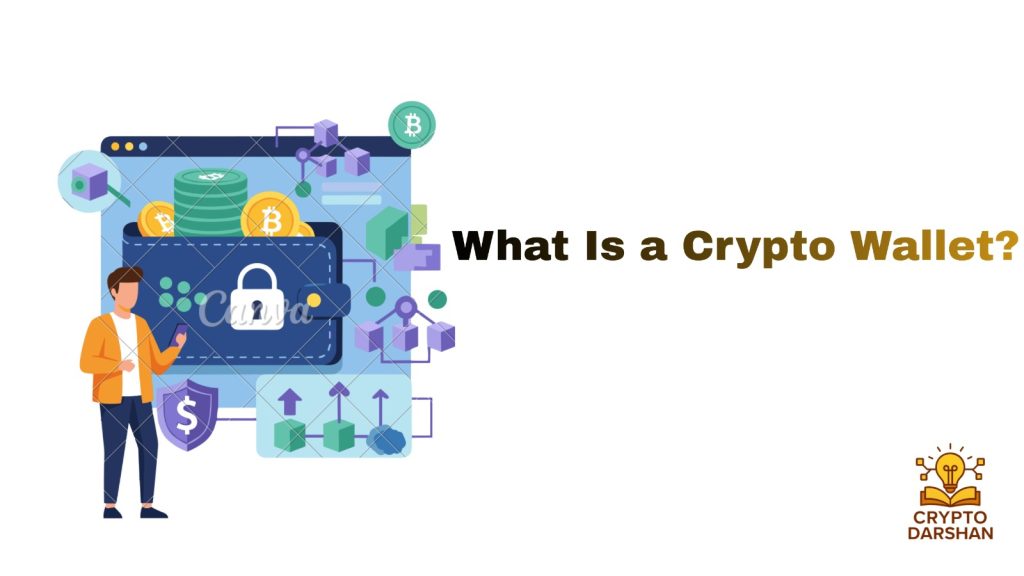
A crypto wallet is a digital application or physical device that allows users to store, send, receive, and manage cryptocurrencies. Instead of holding physical money, or cash in hand, crypto wallets store private keys, which act as proof of ownership of assets recorded on the blockchain.
There are two fundamental components:
1)Public Key – Used to receive cryptocurrency.
2)Private Key – Used to authorize transactions and access funds.
Whoever controls the private key controls the crypto. This is why wallet security is critical
Types of Crypto Wallets
1. Hot Wallets
Hot wallets are connected to the internet and which also includes mobile apps, desktop software, and browser extensions, for the storage of cryptoassets.
Advantages
- Easy to use
- Quick transactions
- Ideal for daily trading and payments
Disadvantages: - Higher risk of hacking
2. Cold Wallets
Cold wallets are a type of cryptocurrency wallet that remains disconnected from the internet, giving users or institutions full control over their private keys
Advantages: - Maximum security
- ideal for long-term storage
Disadvantages: - Less convenient for frequent use
3. Custodial Wallets
These wallets are managed by third parties, such as crypto exchanges. the third party has full control over your funds while you only have to give permission to send or receive payments.
Advantages:
- Easy for beginners
- Password recovery options
Disadvantages: - No full control over private keys
4. Non-Custodial Wallets
Non- custodial wallets are any type of cold wallet, including a crypto hardware wallet. These physical crypto wallet devices store your private keys offline and are widely regarded as the safest solution for storing cryptocurrency assets.
Advantages:
- Full ownership of funds
- Enhanced security and privacy
Disadvantages: - User is responsible for backup and recovery.
By 2026, non-custodial wallets dominate as users become more aware of the importance of self-custody.
5. Binance Wallet
Binance is one of the largest cryptocurrency exchanges in the world , a platform where you can buy, sell, trade, and manage a wide variety of cryptocurrencies such as Bitcoin, Ethereum, BNB, and many others.
Advantages
- Wide Range of Cryptos
- High Liquidity & Low Fees
- Advanced Trading Features
- Binance Wallet Options
- Security Measures
- Educational Resources
Disadvantages
- Regulatory Issues
- Complexity for Beginners
- Custodial Wallet Risk
- Customer Support Delays
- Security Risks for Hot Wallets
6. Bitstamp
Bitstamp is a cryptocurrency exchange founded in 2011 and headquartered in Luxembourg. It allows users to buy, sell, and trade cryptocurrencies like Bitcoin, Ethereum, and many others.
Target users: Both beginners and professional traders
Advantage
- Regulated and trusted exchange
- Simple and user-friendly interface
- High security with cold storage and 2FA
- Reliable trading with high uptime and liquidity
- Transparent and competitive fees
Disadvantages
- Limited cryptocurrency options
- Lacks advanced trading tools (futures, margin)
- Geographical restrictions in some countries
- Customer support can be slow.
7. Exodus
Exodus is a software cryptocurrency wallet that allows users to store, manage, and exchange multiple cryptocurrencies in one place. In exodus you, and only you, have full access to and control over your 12-word secret key and private keys.
Advantages
- User-friendly and intuitive interface
- Supports a wide range of cryptocurrencies
- Non-custodial: you control your private keys
- Built-in exchange to swap cryptocurrencies easily
- Provides portfolio tracking and visual analytics
Disadvantages
- Not as secure as fully offline hardware wallets (hot wallet risk)
- Limited advanced trading features (no futures or margin)
- Customer support is slower compared to larger exchanges
- Mobile version slightly less feature-rich than desktop
8. Trust Wallet
Trust Wallet is a mobile cryptocurrency wallet that allows users to store, send, receive, and stakecryptocurrencies securely. It is a self-custody crypto wallet which gives you complete control over your private keys and digital assets across 100+ blockchains.
Advantages
- Full control of private keys (non-custodial)
- Supports a huge range of cryptocurrencies and tokens
- Built-in Web3 browser for decentralized apps (DApps)
- Simple and mobile-friendly interface
- Open-source and transparent
Disadvantages
- Mobile-only (desktop version unavailable)
- Not as secure as hardware wallets (hot wallet risk)
- Limited advanced trading features
- Customer support can be slow
Key Features to Look for in a Crypto Wallet in 2026
Before choosing a wallet, users should evaluate the following features:
- Strong Security (encryption, biometrics, multi-signature)
- Multi-Chain Support
- DeFi and NFT Integration
- User-Friendly Interface
- Backup and Recovery Options
- Regular Updates and Community Support
Best Crypto Wallets You Should Be Using in 2026

1. MetaMask – Best for DeFi and Web3 Users
MetaMask will remain one of the most popular crypto wallets in 2026, especially for users who actively participate in decentralized applications.
Key Features:
- Supports Ethereum and EVM-compatible blockchains.
- Seamless connection with DeFi platforms
- NFT(non-fungible token) storage and management
- Enhanced phishing protection
- Hardware wallet integration.
Best For:
DeFi users, Web3 developers, NFT collectors.
2. Trust Wallet – Best Mobile Wallet
Trust Wallet is one of the most user-friendly mobile wallets will be available in 2026. It supports a wide range of cryptocurrencies and is ideal for users who prefer managing assets on their smartphones.
Key Features:
- Supports 70+ blockchains
- Built-in Web3 browser
- Staking options
- Biometric authentication
- NFT support
Best For:
Mobile users, beginners, daily transactions
3. Ledger Nano X / Nano S Plus – Best Hardware Wallet
It is a hardware wallets that facilitate the safe storage of private keys and crypto assets offline. In 2026, ledger continues to be the top choice for investors holding large crypto portfolios.
Key Features:
- Offline private key storage
- Secure chip technology
- Bluetooth connectivity (Nano X)
- Ledger Live app
- Supports thousands of assets
Best For:
Long-term investors, high-value portfolios
4. Trezor Model T – Best Open-Source Wallet
Trezor is widely respected for its open-source approach and transparency.Trezor Model T is a next-generation hardware wallet, designed with the benefits of the original Trezor in mind, combined with a modern and intuitive interface for improved user experience and security.
Key Features:
- Touchscreen interface
- Open-source firmware
- Advanced recovery options
- Strong security protocols
Best For:
Privacy-focused and advanced users
5. Coinbase Wallet – Best for Beginners
Coinbase Wallet is separate from the exchange and gives users full control of private keys. It supports multiple blockchains, making self-custody easy and secure.Coinbase Wallet is a great option for self-custodying your cryptocurrency.
Key Features:
- Simple onboarding
- Multi-chain support
- dApp and NFT compatibility
- Secure cloud backup
Best For:
Beginners entering self-custody.
6. Phantom Wallet – Best for Solana Ecosystem
Phantom Wallet is a non-custodial wallet for the Solana blockchain and by 2026, it’s simple design attracts beginners and experts for tokens, NFTs, and DeFi use.
Key Features:
- Solana, Ethereum, and Polygon support
- Fast transactions
- NFT visualization
- Built-in swaps
Best For:
Solana users and NFT traders
7. SafePal – Best Hybrid Wallet
SafePal offers both software and hardware wallet solutions, making it ideal for users seeking layered security.
Key Features:
- Air-gapped hardware wallet
- Mobile app integration
- Multi-chain support
- DeFi and NFT access
Best For:
Users seeking affordable hybrid security.
Security Best Practices for Crypto Wallets in 2026
- Never share your seed phrase
- Enable biometric and multi-factor authentication.
- Use hardware wallets for large funds.
- Avoid clicking suspicious links.
- Regularly update wallet software
- Store recovery phrases offline
The Future of Crypto Wallets
Crypto wallets are rapidly evolving into all-in-one digital finance platforms. Future innovations include:
- AI-powered fraud detection
- Social recovery wallets
- Multi-signature authentication
- Digital identity integration
- Cross-chain interoperability
Wallets will become the foundation of decentralized digital identity and finance.
Conclusion
In 2026, choosing the right crypto wallet is about security and confidence. As digital assets grow in daily use, the right wallet keeps funds safe and accessible. Whether you’re a beginner, trader, long-term holder, or Web3 explorer, the right wallet helps you stay protected and active in the crypto ecosystem.