
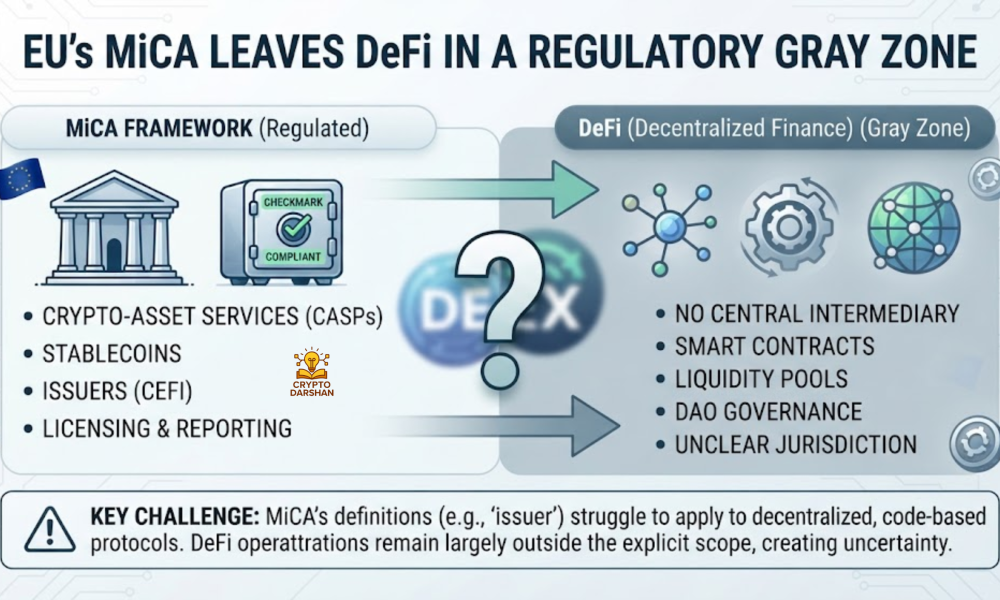
Europe’s landmark crypto law, the Markets in Crypto-Assets Regulation (MiCA), is now fully in force—but it deliberately stops short of covering decentralized finance (DeFi). The result is a legal vacuum: users of truly decentralized protocols operate without the consumer protections, licensing requirements, or supervisory oversight that MiCA imposes on centralized crypto firms.
MiCA’s DeFi exemption: Recital 22 in plain language
MiCA’s treatment of DeFi hinges on a single but critical clause: Recital 22 of Regulation (EU) 2023/1114. It states that crypto-asset services provided “in a fully decentralized manner without any intermediary” fall outside MiCA’s scope.
In practice, this means:
- No identifiable company or person behind the service → no MiCA licensing requirement.
- No licensed counterparty → no mandated custody rules, complaint-handling procedures, or capital requirements.
- No defined “fully decentralized” test in the articles → national regulators and ESMA assess borderline cases individually.
Crucially, Recital 22 appears only in the regulation’s preamble, not in the binding articles. MiCA does not define what “fully decentralized” actually means, leaving the boundary intentionally and fact-specific.
Why “fully decentralized” is rarer than it sounds
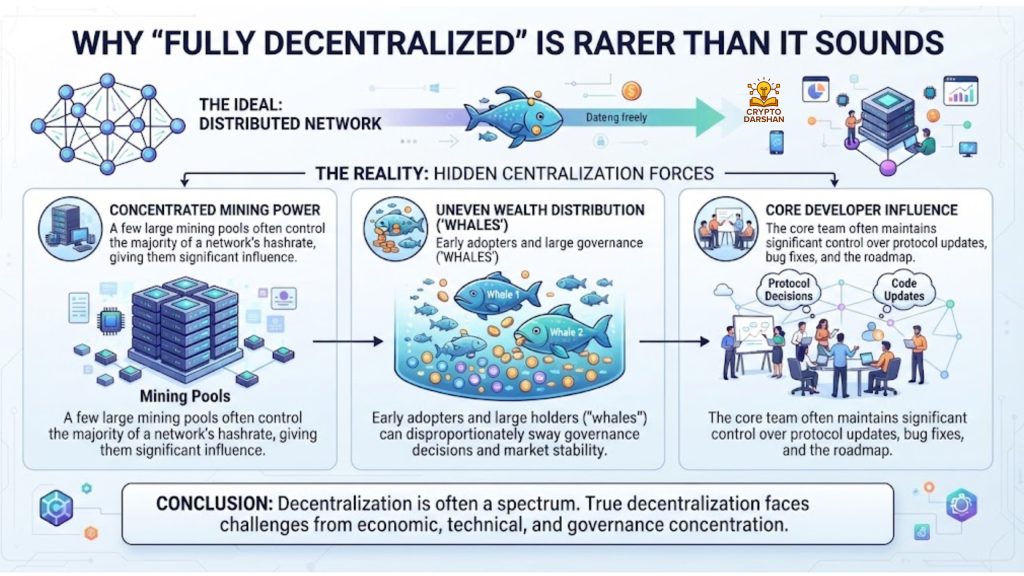
European supervisors argue that very few protocols meet the “no intermediary” threshold. In a joint January 2025 report under Article 142 of MiCA, the European Banking Authority (EBA) and the European Securities and Markets Authority (ESMA) concluded that DeFi remains a niche, representing roughly 4% of global crypto market capitalization.
Their reasoning is pragmatic:
- Most “DeFi” protocols have identifiable developers, governance token holders with treasury control, or entities running front-ends and relayers.
- Users typically interact via websites, apps, bridges, or stablecoin issuers—all potential points of centralization.
- Administration keys, upgrade mechanisms, or curated liquidity often imply an actor who can be held responsible.
Because of this, the exemption is narrow. If any natural or legal person “carries out, provides, or controls” a crypto-asset service—even if part of it runs on-chain in a decentralized way—MiCA can apply.
What this means for European crypto users
For retail and institutional users in the EU, the MiCA/DeFi boundary translates directly into protection (or the lack of it).
With a MiCA-licensed CASP
When using a licensed Crypto-Asset Service Provider (exchange, custodian, broker, etc.), users benefit from:
- Segregated client assets and custody standards.
- Formal complaint mechanisms and supervisor oversight.
- Clear rules on governance, disclosures, and operational resilience.
With a truly decentralized protocol
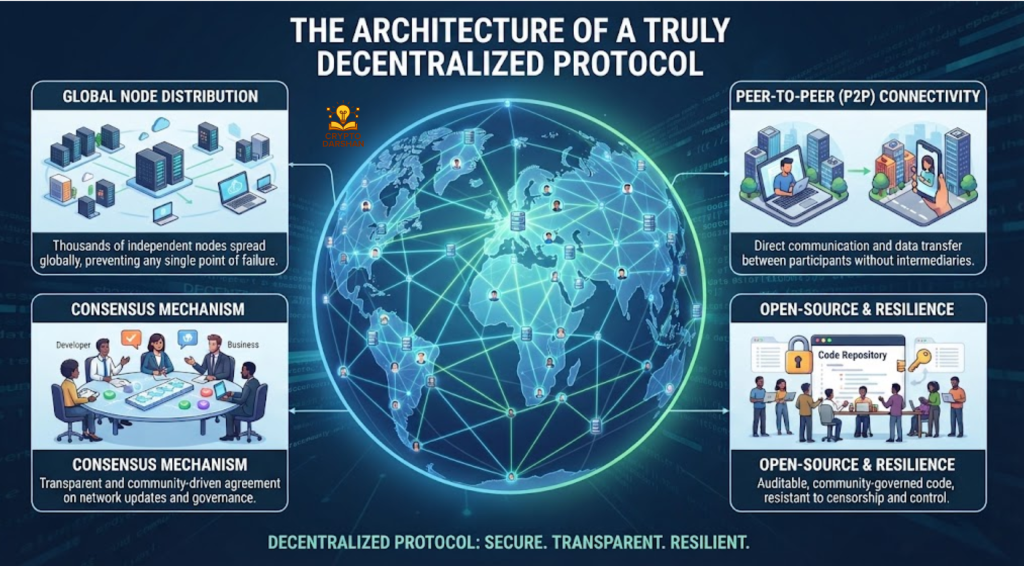
By contrast, interacting with a protocol that genuinely has no intermediary means:
- No regulated entity to complain to if funds are lost via a bug, exploit, or liquidity drain.
- No MiCA-mandated disclosures about risks, fees, or conflicts of interest.
- No supervisory authority with direct jurisdiction over the code itself.
Two commonly overlooked points:
- Taxation still applies. The DeFi exemption does not remove national tax obligations on trading, staking, or yield.
- Scams remain illegal. National authorities can still blacklist fraudulent “DeFi” sites, and offering crypto services without authorization where MiCA applies is an offense.
Where regulators are heading next
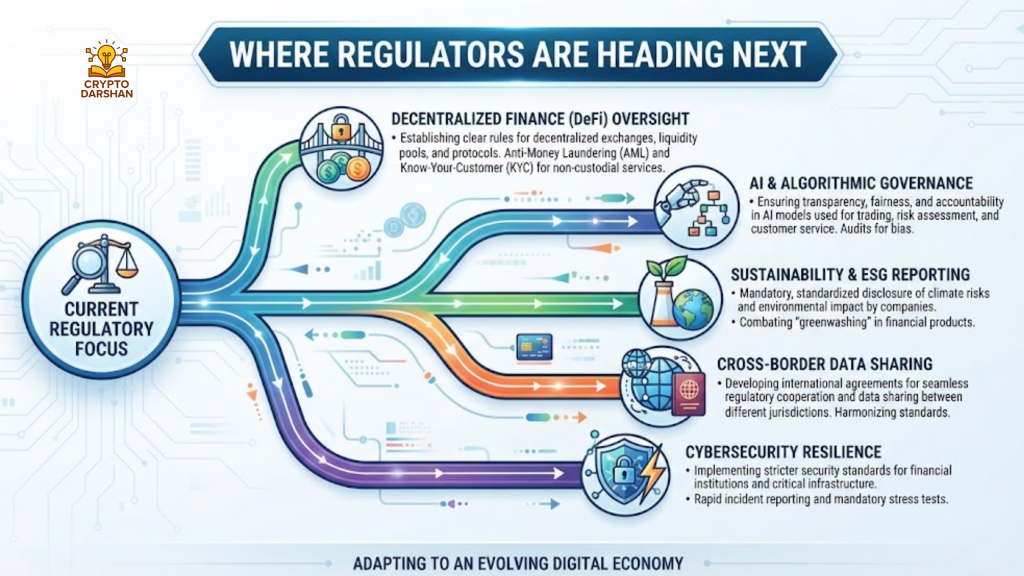
Brussels acknowledges the gap. Article 142 of MiCA explicitly tasks the European Commission with evaluating DeFi’s development and the case for future regulation. The 2025 EBA/ESMA joint report laid the empirical groundwork for that review.
In 2026, the Commission launched a targeted consultation focused less on regulating code and more on identifying accountable actors:
- Entities that exercise decisive influence over a protocol (e.g., core devs, governance councils, treasury managers).
- Intermediaries that facilitate access (front-ends, wallets, on/off-ramps, indexers).
The emerging logic is “follow the control”: if someone can upgrade contracts, direct fees, or steer governance, they may fall within MiCA or future rules—even if the underlying protocol looks decentralized on-chain.
To date, no timeline has been announced for legislative changes. Until then, Recital 22 remains the governing principle: fully decentralized services sit outside MiCA, while anything with an identifiable intermediary risks being in scope.
Practical takeaways for projects and publishers
For crypto businesses and content teams targeting EU audiences, the implications are clear:
- Protocols: If you have a legal entity, controlled treasury, or curated interface serving EU users, assume MiCA may apply and seek legal advice on CASP licensing or exemptions.
- Front-ends and aggregators: Websites, apps, and widgets that route users to DeFi can become the regulatory “anchor point,” especially if they are EU-based or EU-targeted.
- Content and SEO: When covering DeFi for EU readers, clearly distinguish between licensed platforms and non-custodial protocols, and avoid implying that “DeFi = unregulated” as a blanket statement.
Bottom line
MiCA gives Europe a comprehensive rulebook for crypto intermediaries—but it leaves decentralized finance in a deliberate gray zone. Users of genuinely intermediary-free protocols trade without MiCA’s safety net, while projects with any identifiable control risk being pulled into the regime. For now, the legal vacuum around DeFi is a feature, not a bug, of the EU’s design—and one that Brussels is actively studying for future closure.