


A U.S. federal judge has trimmed most of the lawsuit against blockchain analytics firm Chainalysis over Celsius Network’s collapsed lending platform, but kept one major claim in play. The surviving allegation centers on a disputed 2020 “audit” that Celsius used to promote about $3.3 billion in assets under management (AUM), a figure creditors say was deeply misleading.
What the Celsius–Chainalysis case is about
Celsius Network, once a leading crypto yield platform, filed for bankruptcy in July 2022 after freezing customer withdrawals during the market crash. Users were left unable to access roughly $4.7 billion in assets, triggering years of litigation and recovery efforts.
As part of that process, the Celsius estate’s litigation administrator, Blockchain Recovery Investment Consortium (BRIC), sued Chainalysis in early 2025. The complaint alleges that Chainalysis helped Celsius insiders overstate the platform’s size and health through a flawed “audit” and related marketing, which in turn encouraged more deposits from retail customers.dockets.
The disputed $3.3 billion “audit”
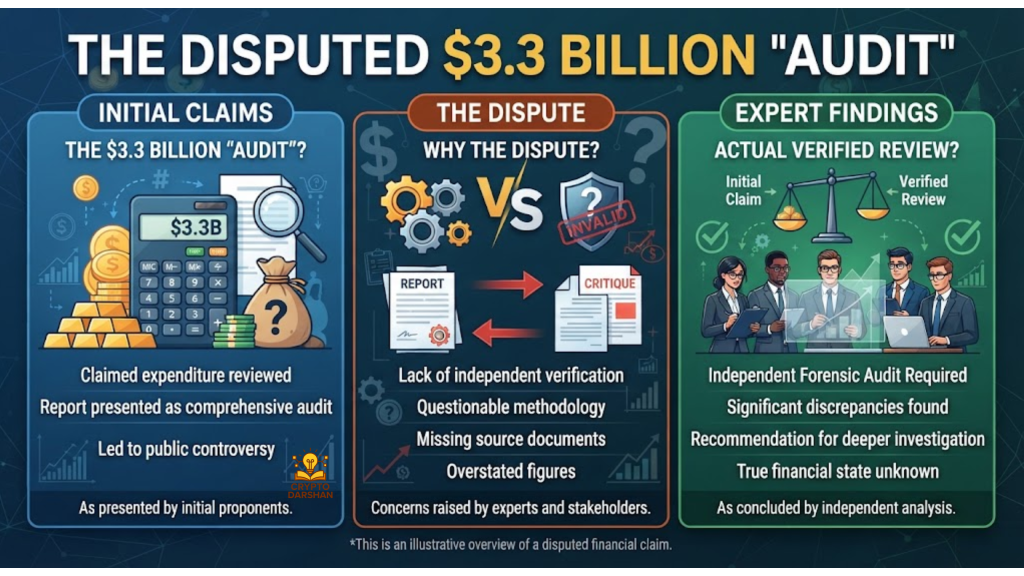
At the heart of the case is a December 2020 press release in which Celsius announced an “audit” showing around $3.3 billion in assets under management, calculated using Chainalysis’ Reactor software.
According to court summaries of the complaint:
- A Celsius executive initially used Reactor to calculate roughly $1.18 billion in assets.
- After changes to the methodology, the figure was increased to about $3.3 billion.
- Celsius then publicized the result as an independently verified “audit” of its AUM since launch in 2018.
Creditors allege that Chainalysis helped draft, edit, and approve the press release and knew that calling the work an “audit” and “independent verification” was false or materially misleading. Chainalysis has denied wrongdoing and argued it provided data tools, not an audit in the traditional accounting sense.
Judge narrows the lawsuit but keeps core claim
In a ruling issued around September 30, 2026, U.S. District Judge Margaret Garnett in the Southern District of New York dismissed 15 of the 16 claims brought against Chainalysis.
Key points from the decision:
- Most claims dismissed. Twelve claims were thrown out with prejudice, meaning they cannot be refiled.
- Some consumer claims may be amended. Three state consumer-protection claims were dismissed but plaintiffs were given until October 20, 2026 to try to amend them.
- One claim survives. The judge allowed an aiding-and-abetting breach of fiduciary duty claim to proceed.
The court found that the complaint sufficiently alleged Chainalysis knew a 2020 Celsius press release contained false statements and helped disseminate them, supporting the fiduciary-duty theory at this early stage.
Who is suing Chainalysis and why it matters
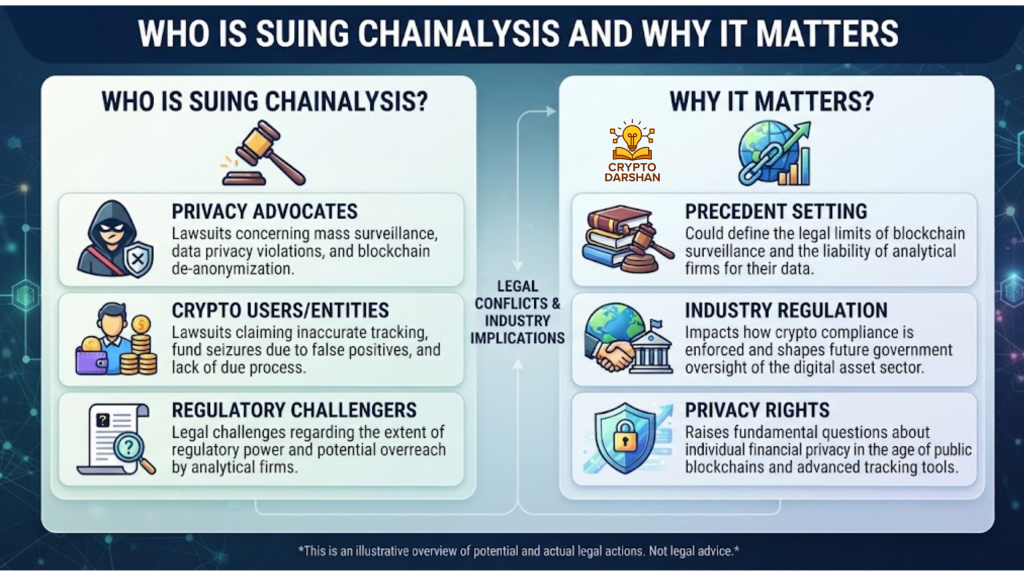
The lawsuit is being brought by BRIC, which acts as litigation administrator and recovery manager for the Celsius bankruptcy estate. BRIC is pursuing claims on behalf of Celsius and certain former customers to recover funds for creditors.
For the crypto industry, the case touches on several sensitive issues:
- Role of analytics firms. It questions how far blockchain data providers can go in supporting marketing claims without crossing into endorsement or audit-like responsibilities.
- Use of the word “audit.” The dispute highlights how loosely the term “audit” has been used in crypto marketing, often without independent accounting oversight.
- Liability for third-party tools. If Chainalysis is found liable, it could set a precedent for when tool providers share responsibility for how their outputs are presented to the public.
Chainalysis is widely used by exchanges, regulators, and investigators to trace on-chain activity. A ruling that expands its legal exposure could affect how similar firms structure their services, disclaimers, and client engagements.
What happens next in the case
With most claims dismissed but the fiduciary-duty claim intact, the case will move forward toward discovery and potentially trial unless the parties settle.
Possible next steps include:
- Amended consumer claims. Plaintiffs have until October 20, 2026 to file revised versions of the three consumer-protection claims that were dismissed with leave to amend.
- Discovery phase. Both sides will likely exchange documents, internal communications, and expert reports about the 2020 “audit,” the press release, and Chainalysis’ involvement.
- Settlement talks. Given the cost and uncertainty of litigation, there is room for a negotiated resolution, especially if the remaining claim poses significant reputational or financial risk for Chainalysis.
For Celsius creditors, keeping even one claim alive preserves a potential path to additional recoveries from a deep-pocketed third party. For Chainalysis, the ruling means it must continue defending its role in one of crypto’s most notorious collapses, even as it wins dismissal of most allegations.
Why this story still matters in 2026

Years after Celsius’ implosion, the case underscores how post-mortem litigation continues to shape accountability in crypto. It also shows that bankruptcy estates can pursue not only founders and executives, but also vendors and service providers whose tools and branding were used to promote inflated metrics.
As the case proceeds, the outcome could influence:
- How crypto firms describe data from third-party analytics providers.
- Whether terms like “audit,” “verified,” and “independent” are used more cautiously in marketing.
- The legal risk profile for infrastructure companies that sit one layer removed from end-user platforms.
For now, Chainalysis has avoided the broadest liability theories, but the core allegation—that it helped Celsius insiders mislead users about the platform’s size via a $3.3 billion “audit”—remains very much in play