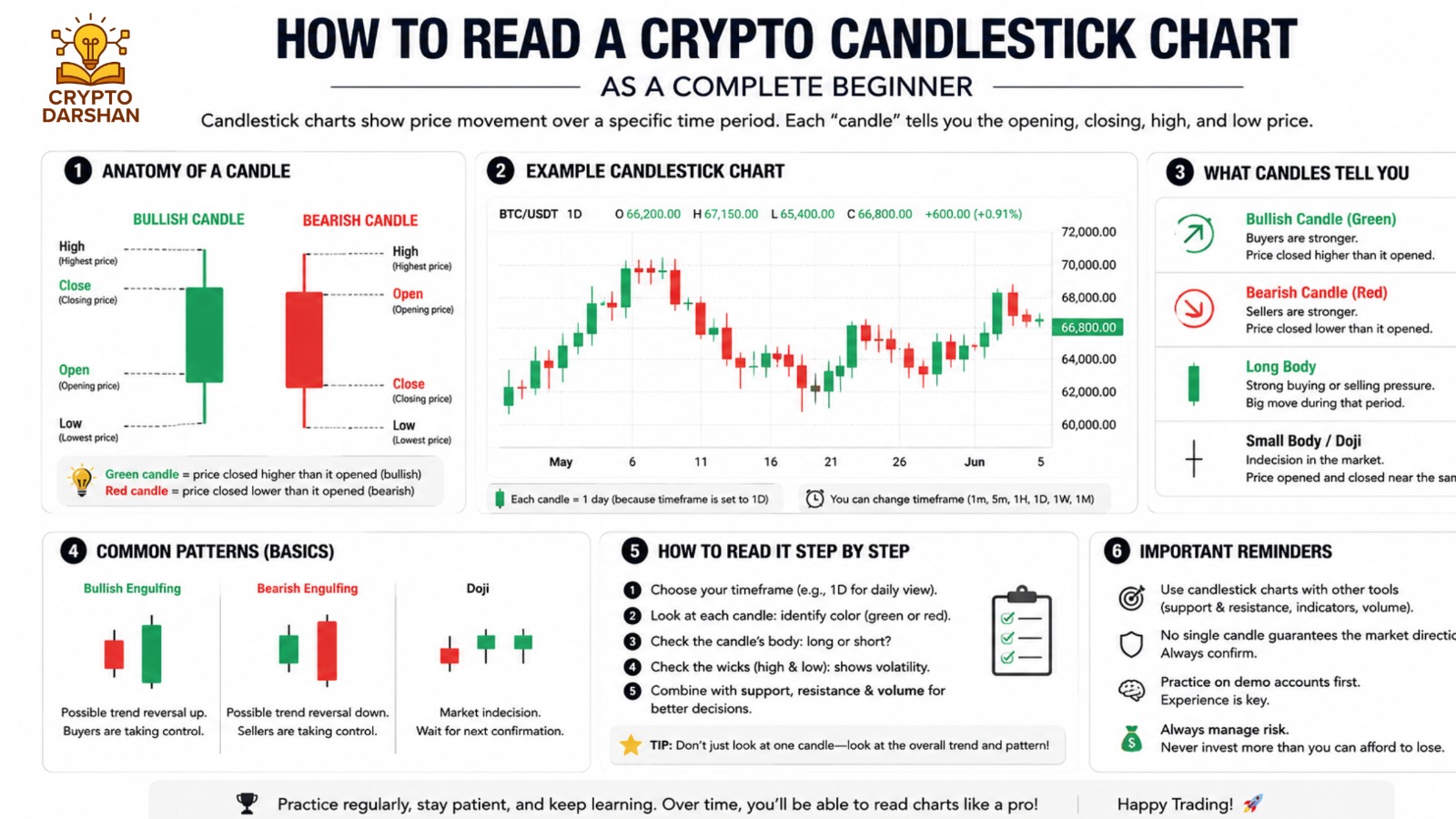


The cryptocurrency market is known for its extreme volatility, where prices can rise or fall dramatically within hours. While most investors profit when prices go up, there’s another side of trading that allows profit when prices fall — Short Selling Crypto. This strategy, though risky, has become increasingly popular among experienced traders who understand market trends and want to capitalize on downward movements.
Short Selling Crypto involves borrowing digital assets, selling them at a high price, and then buying them back at a lower price to return to the lender, pocketing the difference as profit. It’s a high-risk, high-reward strategy that requires deep market knowledge, timing, and discipline.
This comprehensive guide explains what Short Selling Crypto is, how it works, the platforms that support it, the risks involved, and strategies to manage those risks effectively. It also explores whether this approach is a smart trading method or a dangerous gamble in the unpredictable world of digital currencies.
What Is Short Selling Crypto?

Short Selling Crypto is a trading strategy that allows investors to profit from a decline in the price of a cryptocurrency. Instead of buying low and selling high, traders sell high and buy low. The process involves borrowing a cryptocurrency from a broker or exchange, selling it immediately at the current market price, and later repurchasing it at a lower price to return to the lender.
For example, if Bitcoin is trading at $40,000 and a trader believes it will drop to $35,000, they can borrow one Bitcoin and sell it for $40,000. When the price falls to $35,000, they buy it back, return it to the lender, and keep the $5,000 difference as profit.
This strategy is common in traditional financial markets but has gained traction in the crypto world due to the market’s frequent price swings.
How Short Selling Crypto Works

The process of Short Selling Crypto involves several key steps:
1. Borrowing the Cryptocurrency
The trader borrows a specific amount of cryptocurrency from a broker, exchange, or margin trading platform. This borrowed asset must eventually be returned.
2. Selling the Borrowed Crypto
Once borrowed, the trader sells the cryptocurrency at the current market price, expecting that the price will soon decline.
3. Waiting for the Price to Drop
The trader monitors the market, waiting for the price to fall to a target level. Timing is crucial here, as prices can move unpredictably.
4. Buying Back the Crypto
When the price drops, the trader buys back the same amount of cryptocurrency at the lower price.
5. Returning the Borrowed Crypto
The trader returns the borrowed cryptocurrency to the lender, keeping the difference between the selling and buying prices as profit.
Example:
- Borrow 1 Bitcoin at $40,000
- Sell it immediately for $40,000
- Wait until the price drops to $35,000
- Buy back 1 Bitcoin for $35,000
- Return it to the lender
- Profit = $5,000 (minus fees and interest)
Why Traders Use Short Selling Crypto

1. Profit from Market Downturns
The main reason traders engage in Short Selling Crypto is to profit when prices fall. In a bear market, this strategy can be highly profitable.
2. Hedging Against Losses
Investors holding large crypto portfolios may short certain assets to hedge against potential losses. For example, if an investor owns Ethereum but expects a short-term decline, they can short Ethereum to offset potential losses.
3. Market Correction Opportunities
When a cryptocurrency becomes overvalued due to hype or speculation, traders may short it, anticipating a correction. Many traders open short positions during periods of uncertainty, making it important to understand Why People Still Don’t Trust Crypto, And Are They Actually Wrong? and how market sentiment affects prices.
4. Increased Market Liquidity
Short Selling Crypto adds liquidity to the market, allowing for more efficient price discovery and trading activity.
Platforms That Support Short Selling Crypto

Several exchanges and trading platforms allow users to short cryptocurrencies. These platforms provide margin trading, futures contracts, or perpetual swaps that enable short positions.
1. Binance
Binance offers futures and margin trading, allowing users to short major cryptocurrencies like Bitcoin, Ethereum, and others with leverage.
2. Bybit
Bybit is a derivatives exchange that supports perpetual contracts, enabling traders to short crypto assets with up to 100x leverage.
3. Kraken
Kraken provides margin trading with leverage options for shorting popular cryptocurrencies.
4. BitMEX
BitMEX is known for its advanced derivatives trading features, including perpetual swaps and futures contracts for Short Selling Crypto.
5. KuCoin
KuCoin offers margin trading and futures contracts, making it accessible for traders who want to short various digital assets.
6. OKX
OKX provides futures and options trading, allowing users to short cryptocurrencies with flexible leverage.
Methods of Short Selling Crypto

There are several ways to execute Short Selling Crypto, depending on the platform and the trader’s risk tolerance.
1. Margin Trading
Margin trading allows traders to borrow funds from an exchange to sell crypto they don’t own. The borrowed amount must be repaid with interest. This method amplifies both potential profits and losses.
2. Futures Contracts
Futures contracts are agreements to buy or sell a cryptocurrency at a predetermined price on a future date. Traders can short futures contracts if they believe prices will fall.
3. Perpetual Swaps
Perpetual swaps are similar to futures contracts but have no expiration date. They allow traders to maintain short positions indefinitely, provided they can cover margin requirements.
4. Options Trading
Options give traders the right, but not the obligation, to sell a cryptocurrency at a specific price before a certain date. Buying put options is a common way to short crypto with limited risk.
5. Inverse Exchange-Traded Products (ETPs)
Some platforms offer inverse ETPs that move opposite to the price of a cryptocurrency. Buying these products allows traders to profit from price declines without directly shorting the asset.
The Risks of Short Selling Crypto

While short-selling crypto can be profitable, it carries significant risks that can lead to substantial losses.
1. Unlimited Loss Potential
When buying crypto, the maximum loss is the amount invested. However, when shorting, potential losses are theoretically unlimited because prices can rise indefinitely.
2. Margin Calls
If the market moves against a trader’s position, the exchange may issue a margin call, requiring additional funds to maintain the position. Failure to meet the margin call can result in liquidation.
3. Market Volatility
Cryptocurrency prices are notoriously volatile. Sudden price spikes can trigger liquidations and wipe out positions quickly.
4. Borrowing Costs
Borrowing crypto incurs interest and fees, which can eat into profits, especially if the position is held for a long time.
5. Short Squeezes
A short squeeze occurs when prices rise rapidly, forcing short sellers to buy back assets to cover their positions, further driving prices up and causing massive losses.
6. Regulatory Risks
Regulations around Short Selling Crypto vary by country. Some jurisdictions may restrict or ban certain types of leveraged trading.
Advantages of Short Selling Crypto

- Profit in Bear Markets – Allows traders to earn even when prices fall.
- Hedging Tool – Protects long-term holdings from short-term declines.
- Market Efficiency – Helps correct overvalued assets.
- Flexibility – Multiple instruments like futures, options, and swaps provide diverse strategies.
- Liquidity – Increases trading volume and market depth.
Disadvantages of Short Selling Crypto
- High Risk – Potential for unlimited losses.
- Complexity – Requires advanced trading knowledge.
- Emotional Stress – Constant monitoring and quick decision-making are needed.
- Borrowing Costs – Interest and fees reduce profitability.
- Regulatory Uncertainty – Legal restrictions may limit access to shorting tools.
Strategies for Successful Short Selling Crypto

1. Technical Analysis
Use charts, indicators, and patterns to identify potential price reversals. Common tools include moving averages, RSI (Relative Strength Index), and MACD (Moving Average Convergence Divergence).
2. Fundamental Analysis
Evaluate the underlying value of a cryptocurrency by analyzing its technology, adoption rate, and market sentiment. Overhyped projects are often good shorting opportunities.
3. Risk Management
Set stop-loss orders to limit potential losses. Never risk more than a small percentage of your trading capital on a single short position.
4. Leverage Control
Avoid excessive leverage. While leverage amplifies profits, it also magnifies losses. Conservative leverage ratios reduce liquidation risk.
5. Diversification
Don’t short only one cryptocurrency. Spread positions across multiple assets to reduce exposure to sudden market movements.
6. Monitor Market Sentiment
Track news, social media trends, and institutional activity. Positive news can quickly reverse bearish trends, leading to losses for short sellers.
Common Mistakes in Short Selling Crypto
- Ignoring Market Trends – Shorting during strong bull markets often leads to losses.
- Overleveraging – Using high leverage increases liquidation risk.
- Poor Timing – Entering too early or too late can destroy profits.
- Neglecting Fees – Borrowing and trading fees can erode gains.
- Emotional Trading – Fear and greed often lead to poor decisions.
Short Selling Crypto vs. Traditional Short Selling

| Aspect | Short Selling Crypto | Traditional Short Selling |
| Market Hours | 24/7 trading | Limited to stock market hours |
| Volatility | Extremely high | Moderate |
| Regulation | Less regulated | Highly regulated |
| Leverage | Up to 100x on some platforms | Typically 2x–5x |
| Liquidity | Varies by token | Generally high |
| Risk Level | Very high | Moderate |
While both strategies share the same concept, Short Selling Crypto is far riskier due to the market’s volatility and lack of regulation.
The Psychology Behind Short Selling Crypto

Short-selling crypto requires a different mindset than traditional investing. Traders must be comfortable betting against market optimism and managing stress during volatile conditions. Emotional discipline is crucial, as sudden price surges can trigger panic and poor decision-making. Successful short sellers rely on logic, data, and strict risk management rather than emotion.
Economic developments can dramatically impact crypto prices, as seen in Trump’s Inflation Surge Hits Bitcoin: What Crypto Investors Need to Know.
Legal and Ethical Considerations

1. Regulatory Compliance
Ensure that Short Selling Crypto is permitted in your jurisdiction. Some countries restrict leveraged trading or derivatives.
2. Market Manipulation
Avoid participating in pump-and-dump schemes or spreading false information to influence prices.
3. Tax Implications
Profits from short selling are typically subject to capital gains tax. Consult a tax professional to understand reporting requirements.
Case Studies

Case 1: Bitcoin Crash of 2021
During the 2021 market correction, Bitcoin dropped from $64,000 to $30,000. Traders who shorted Bitcoin at the peak earned substantial profits, while long-term holders faced heavy losses.
Case 2: Terra (LUNA) Collapse
In 2022, the Terra ecosystem collapsed, causing LUNA’s price to plummet from over $80 to near zero. Traders who executed Short Selling Crypto strategies during this period made significant gains.
Case 3: Ethereum Merge Speculation
Before Ethereum transitioned to proof-of-stake, speculation caused price fluctuations. Some traders shorted ETH during uncertainty, profiting from temporary declines.
How to Start Short Selling Crypto

Starting to short sell cryptocurrency is a sophisticated process that requires careful preparation and a disciplined approach to risk. Here are six key steps to get started:
1. Choose a Reliable Exchange
Not all platforms support short selling. You need an exchange that offers advanced trading features like margin trading, futures contracts, or perpetual swaps. Look for platforms with high liquidity, strong security measures, and a clear interface. Popular options include Binance, Bybit, or Kraken, but always ensure the platform is legal and regulated in your jurisdiction before signing up.
2. Complete Verification and Fund Your Account
Most reputable exchanges require you to complete a Know Your Customer (KYC) process, which involves submitting identification documents. Once your account is verified, deposit your funds. You will typically need to deposit either fiat currency or a stablecoin (like USDT or USDC) to serve as collateral for your trades. This collateral is essential for maintaining your margin requirements.
3. Analyze the Market
Before opening a position, perform thorough technical and fundamental analysis. Use charts to identify bearish trends, resistance levels, or overbought conditions. Look for news or fundamental shifts that might cause a specific cryptocurrency to decline. Never short an asset simply because you “feel” it will go down; base your decision on data, market sentiment, and clear indicators of a potential price drop.
4. Set Your Leverage and Position Size
Leverage allows you to control a larger position with a smaller amount of capital, but it also significantly increases your risk. As a beginner, it is wise to use low leverage or no leverage at all. Determine your position size based on your total capital and ensure you are not over-leveraging, as this can lead to rapid liquidation if the market moves against you.
5. Execute the Trade
Once you have your strategy, place your “sell” order on the exchange. By doing this, you are essentially borrowing the asset from the exchange and selling it at the current market price. The proceeds from this sale are held by the exchange as collateral. At this stage, you have an open short position, and you are now waiting for the price to fall so you can buy it back cheaper.
6. Monitor and Close the Position
This is the most critical step. You must actively monitor your trade. If the price drops to your target, place a “buy” order to repurchase the asset and return it to the lender, keeping the difference as profit. More importantly, always set a stop-loss order. If the price rises instead of falling, a stop-loss will automatically close your position at a predetermined price, preventing your losses from spiraling out of control.
The Future of Short Selling Crypto

As the cryptocurrency market matures, Short Selling Crypto is expected to become more sophisticated and regulated. Institutional investors are increasingly using derivatives and futures to hedge positions, adding legitimacy to the practice. However, as regulations tighten, retail traders may face stricter requirements for margin and leverage.
Advancements in decentralized finance (DeFi) are also introducing new ways to short crypto without centralized intermediaries. Platforms like dYdX and Aave are pioneering decentralized shorting mechanisms, offering transparency and control to traders.
FAQ: Short Selling Crypto: A Dangerous but Profitable Strategy Explained

1. What is short selling in cryptocurrency trading?
Short selling is a trading strategy where an investor aims to profit from a decline in a cryptocurrency’s price by selling borrowed assets and buying them back later at a lower price.
2. How does crypto short selling work?
Traders borrow a cryptocurrency from an exchange or lending platform, sell it at the current market price, and then repurchase it later. If the price falls, they can buy it back for less and keep the difference as profit.
3. Why do traders short cryptocurrencies?
Traders short crypto to profit from bearish market conditions, hedge existing investments, or capitalize on anticipated price declines.
4. What is a short position?
A short position is a trade that benefits when the price of an asset falls rather than rises.
5. What are the risks of short selling crypto?
Short selling carries significant risks, including unlimited potential losses if the asset’s price continues rising, margin calls, liquidation, and extreme market volatility.
6. What is a short squeeze?
A short squeeze occurs when a heavily shorted cryptocurrency rises rapidly, forcing short sellers to buy back their positions, which can drive prices even higher.
7. How is short selling different from buying crypto?
Traditional buying (going long) profits from rising prices, while short selling profits from falling prices.
8. Can beginners safely short cryptocurrencies?
Short selling is generally considered an advanced trading strategy due to its complexity, leverage risks, and potential for large losses.
9. What is margin trading in crypto?
Margin trading allows traders to borrow funds from an exchange to open larger positions than their account balance would normally allow.
Conclusion
Short Selling Crypto is both dangerous and potentially profitable. It allows traders to benefit from falling prices, hedge portfolios, and participate in market corrections. However, it demands advanced knowledge, emotional discipline, and strict risk management.
While the strategy can yield impressive returns, it’s not suitable for beginners or those unwilling to accept high levels of risk. The key to success lies in understanding market behavior, using proper tools, and maintaining a balanced approach.
In the ever-evolving world of digital assets, Short Selling Crypto remains one of the most powerful yet perilous strategies — a tool that can either multiply profits or magnify losses, depending on how wisely it’s used.