
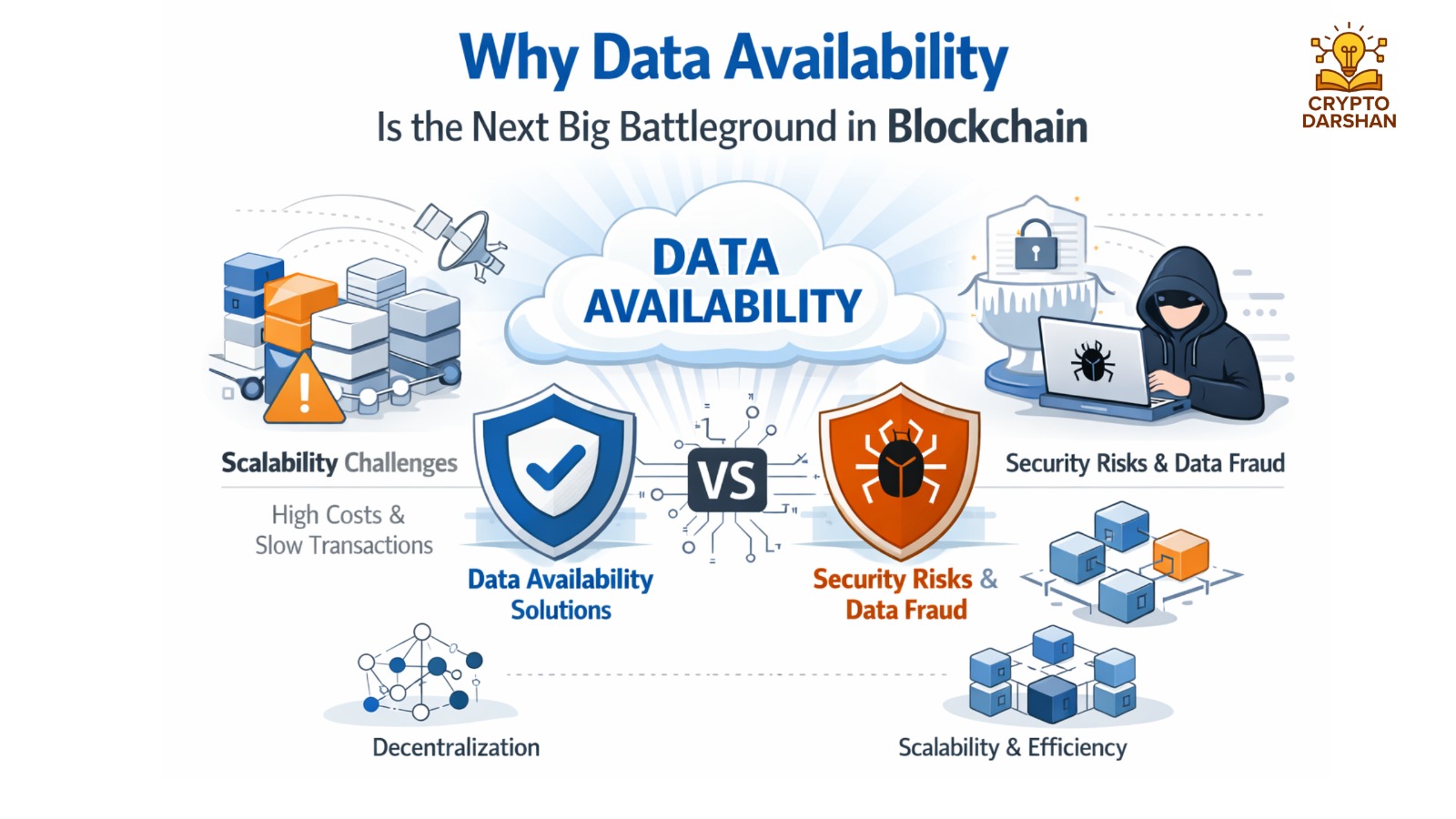
The blockchain ecosystem is evolving rapidly, and one of the most critical challenges shaping its future is data availability. As decentralized networks scale and new blockchain layers emerge, ensuring that data remains accessible, verifiable, and secure has become a defining issue. Without reliable data availability, even the most advanced blockchain layers cannot function effectively. This article explores why data availability is becoming the next big battleground in blockchain, how it affects scalability and security, and what innovations are emerging to address it.
Understanding Data Availability in Blockchain

Data availability refers to the guarantee that all necessary data for verifying blockchain transactions is accessible to network participants. In simple terms, it ensures that every node can download and verify the data needed to confirm the validity of blocks.
In traditional blockchains like Bitcoin and Ethereum, every node stores the entire blockchain history. This design ensures high data availability but limits scalability. As blockchains grow, storing and verifying all data becomes increasingly resource intensive. This is where new blockchain layers come into play, offering innovative ways to balance scalability, security, and data accessibility.
The Role of Blockchain Layers in Data Availability
A blockchain layer represents a structural level within the blockchain ecosystem that performs specific functions. The most common layers include:
- Layer 1 (Base Layer): The foundational blockchain, such as Bitcoin or Ethereum, is responsible for consensus and security.
- Layer 2 (Scaling Layer): Protocols built on top of Layer 1 to improve transaction throughput and reduce costs.
- Layer 3 (Application Layer): The interface where decentralized applications (dApps) interact with users.
Each layer plays a unique role in maintaining data availability. Layer 1 ensures that all data is stored and verified by the network. Layer 2 solutions, such as rollups and sidechains, rely on Layer 1 for data verification but handle computation off-chain. Layer 3 focuses on user experience and application logic, depending on lower layers for data integrity.
As more blockchain layers are introduced, ensuring seamless data availability across them becomes increasingly complex. This complexity is driving innovation in how data is stored, shared, and verified.
Why Data Availability Matters
Data availability is fundamental to blockchain’s core principles of transparency, security, and decentralization. Without it, the entire trust model collapses. Here’s why it matters:
- Security: If data is unavailable, malicious actors could hide invalid transactions or manipulate the blockchain state.
- Scalability: Efficient data availability mechanisms allow blockchains to process more transactions without compromising decentralization.
- Interoperability: Multiple blockchain layers must share data seamlessly to enable cross-chain communication.
- User Trust: Users and developers rely on accessible data to verify transactions and build reliable applications.
In essence, data availability ensures that every participant in the network can independently verify the blockchain’s integrity. Poor data availability introduces hidden risks that many investors and developers overlook. If users cannot verify transaction data, the entire system becomes vulnerable. This is why understanding risk is essential in crypto markets, something we cover in detail in Risk Management in Crypto: Position Sizing, Stop Loss, Take Profit.
The Data Availability Problem

The data availability problem arises when not all nodes can access the data required to verify a block. This issue becomes more pronounced in blockchain layers that use off-chain computation, such as rollups or sharding.
For example, in a rollup, transactions are processed off-chain, and only a summary of the results is posted on-chain. If the underlying data is unavailable, users cannot verify whether the rollup’s state is valid. This creates a potential attack vector where operators could withhold data, leading to network vulnerabilities.
The challenge is to design blockchain layers that can scale efficiently while ensuring that all necessary data remains accessible to validators and users.
How Blockchain Layers Address Data Availability

Different blockchain layers adopt various strategies to tackle the data availability problem. These include:
1. Full Data Replication
Traditional blockchains like Bitcoin and Ethereum store all data on every node. This ensures maximum data availability but limits scalability due to storage and bandwidth constraints.
2. Sharding
Sharding divides the blockchain into smaller segments (shards), each responsible for a subset of data. This approach increases throughput but introduces new challenges in ensuring that data across shards remains available and verifiable.
3. Rollups
Rollups process transactions off-chain and post compressed data on-chain. They rely on the base blockchain layer for availability. Optimistic rollups assume data is valid unless proven otherwise, while zero-knowledge rollups use cryptographic proofs to verify data integrity.
4. Data Availability Sampling (DAS)
DAS allows nodes to verify the availability of data without downloading the entire dataset. Nodes randomly sample small portions of data to confirm that the full dataset exists. This technique is used in advanced blockchain layers like Celestia.
5. Modular Blockchain Architecture
Modular blockchains separate consensus, execution, and data availability into distinct blockchain layers. This design allows each layer to specialize, improving scalability and efficiency. For example, one layer handles consensus, another manages execution, and a third ensures data
The Rise of Modular Blockchain Layers

The modular blockchain paradigm is transforming how data is managed. Instead of a single monolithic chain handling all tasks, modular architectures distribute responsibilities across specialized blockchain layers.
Key Components of Modular Blockchains
- Consensus Layer: Ensures agreement on the order of transactions.
- Execution Layer: Processes transactions and updates the blockchain state.
- Data Layer: Guarantees that all transaction data is accessible for verification.
By decoupling these functions, modular blockchains can scale more efficiently. The data availability layer becomes a dedicated component that ensures all other layers can access the data they need.
Example: Celestia
Celestia is a leading example of a modular blockchain that focuses on data availability. It provides a base blockchain layer dedicated to storing and verifying data, allowing other layers to build scalable execution environments on top. This separation enhances both scalability and security.
Data Availability in Layer 2 Solutions

Layer 2 solutions are designed to improve scalability by processing transactions off-chain. However, they depend heavily on data from the base blockchain layer.
Optimistic Rollups
Optimistic rollups assume that transactions are valid by default. If data becomes unavailable, users can challenge the rollup’s state. This model requires reliable data to prevent fraud.
Zero-Knowledge Rollups
Zero-knowledge rollups use cryptographic proofs to verify transactions without revealing all data. While this improves privacy and efficiency, it still relies on the base blockchain layer to store and verify essential data.
Sidechains
Sidechains operate independently but periodically anchor their state to the main chain. Data availability between the sidechain and the main blockchain layer is crucial for maintaining trust and interoperability.
The Interplay Between Blockchain Layers and Data Availability

The relationship between blockchain layers and data availability is one of the most important aspects of how modern blockchain systems function. To understand this interplay, it helps to first recognize that a blockchain is not a single, uniform system, it is made up of multiple layers, each with its own role. These layers must work together to ensure that data is always accessible, verifiable, and secure.
1. What Are Blockchain Layers?
A blockchain layer is a structural level within the blockchain ecosystem that performs a specific function. The main layers are:
- Layer 1 (Base Layer): The foundational blockchain, such as Bitcoin or Ethereum. It handles consensus, security, and data storage.
- Layer 2 (Scaling Layer): Built on top of Layer 1, it processes transactions off-chain to improve speed and reduce costs. Examples include rollups and sidechains.
- Layer 3 (Application Layer): The interface where decentralized applications (dApps) operate, interacting with users and other layers.
Each blockchain layer depends on the others to maintain the overall integrity of the system. Data availability is the glue that connects them.
2. What Is Data Availability?
Data availability is the question of whether the data behind a block or batch has actually been published and can be downloaded by the network. That sounds narrower than “is the chain valid?”, but in scaling systems, it is often the condition that makes validity checkable at all. Data availability means that all the information needed to verify transactions and blocks is accessible to all participants in the network. If data is missing or withheld, users cannot confirm whether a transaction is valid. This can lead to security risks, fraud, or even network failure.
For example, if a Layer 2 rollup posts a summary of transactions to Layer 1 but hides the actual transaction data, users cannot verify that the rollup’s state is correct. This is known as the data availability problem.
3. How Blockchain Layers Depend on Data Availability
Each blockchain layer relies on data availability in different ways:
- Layer 1: Acts as the ultimate source of truth. It stores all transaction data permanently, ensuring that anyone can verify the blockchain’s history.
- Layer 2: Depends on Layer 1 for data verification. It processes transactions off-chain but must make the data available on Layer 1 so that users can confirm its validity.
- Layer 3: Relies on both Layer 1 and Layer 2 for accurate and accessible data. Applications built on Layer 3 need to read and write data across multiple layers to function properly.
If data becomes unavailable at any layer, the entire system’s trust and functionality are compromised.
4. Why Data Availability Is Crucial Across Layers
The interplay between blockchain layers and data availability ensures that:
- Security is maintained: Every layer can verify the data it depends on.
- Scalability is achieved: Higher layers can process transactions faster without sacrificing trust.
- Interoperability is possible: Different layers and even different blockchains can communicate and share data reliably.
- Transparency is preserved: Users can independently verify all transactions, regardless of which layer they occur on.
Without properly available data, higher layers could become opaque or even malicious, undermining the entire blockchain ecosystem.
Innovations Driving Data Availability Solutions

Several emerging technologies are addressing the data availability challenge across blockchain layers:
1. Erasure Coding
Erasure coding splits data into fragments and distributes them across the network. Even if some fragments are lost, the original data can be reconstructed. This technique enhances redundancy and reliability.
2. Data Availability Sampling
As mentioned earlier, DAS allows nodes to verify data efficiently. It reduces the need for full data replication, making it ideal for scalable blockchain layers.
3. Light Clients
Light clients enable users to verify blockchain data without downloading the entire chain. They rely on cryptographic proofs and data availability layers to ensure trust.
4. Decentralized Storage Networks
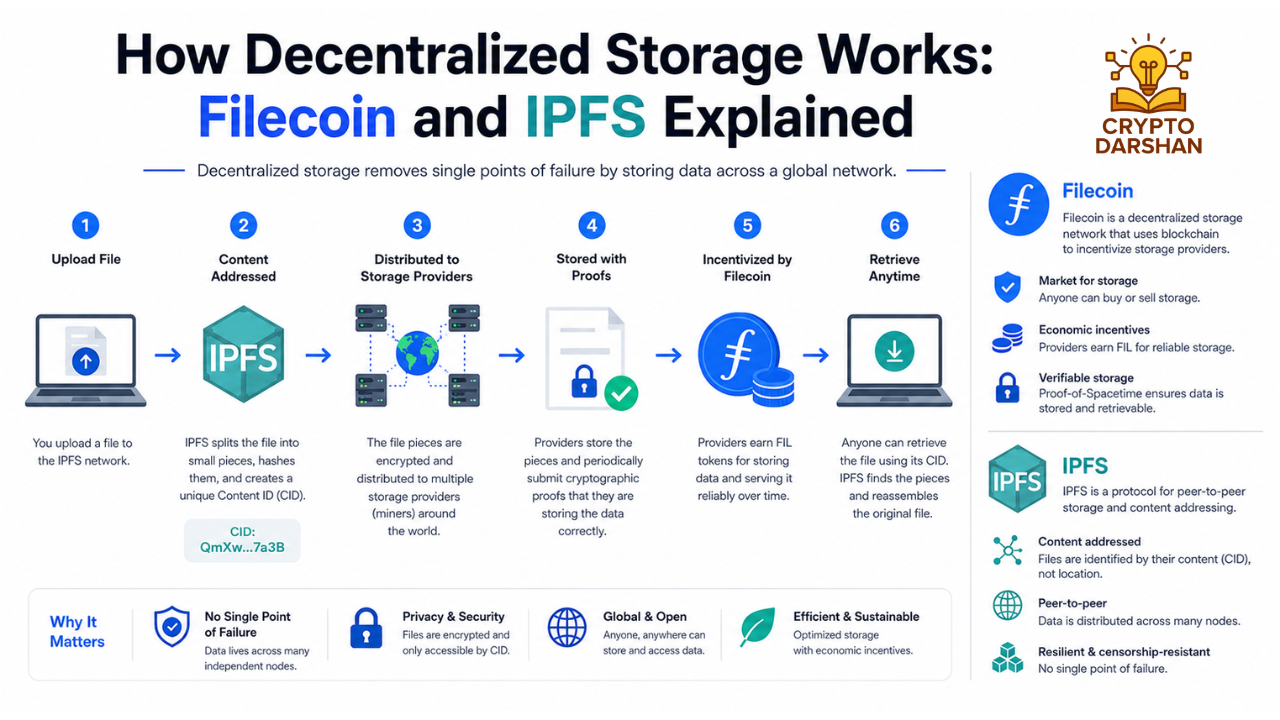
Projects like IPFS and Arweave provide decentralized storage solutions that can complement blockchain layers by ensuring long-term data availability.
5. Cryptographic Proofs
Zero-knowledge proofs and validity proofs allow nodes to verify data integrity without accessing the full dataset. These proofs are becoming essential components of modern blockchain layers.
The Economic Incentives

Data availability is not just a technical issue, it’s also an economic one. Incentive mechanisms ensure that participants act honestly and maintain data accessibility.
- Validators are rewarded for storing and serving data.
- Users pay fees to access or verify data.
- Developers design protocols that penalize data withholding.
These incentives align the interests of all participants across blockchain layers, ensuring that data remains available and verifiable.
Challenges in Achieving Full Data Availability

Despite technological advances, several challenges remain:
- Storage Costs: As blockchains grow, storing all data becomes expensive.
- Bandwidth Limitations: Transmitting large datasets across nodes can slow down the network.
- Centralization Risks: Relying on a few nodes for data storage can compromise decentralization.
- Cross-Layer Coordination: Ensuring consistent availability across multiple blockchain layers is complex.
Addressing these challenges requires continuous innovation in both protocol design and infrastructure.
The Future of Data Availability in Blockchain

The future of blockchain depends on solving the availability problem. As networks scale and new blockchain layers emerge, data will determine which platforms succeed.
Key Trends to Watch
- Modular Architectures: More blockchains will adopt modular designs, separating data availability from execution and consensus.
- Specialized Data Availability Layers: Dedicated layers like Celestia will become standard components of blockchain ecosystems.
- Cross-Chain Data Sharing: Improved interoperability will require robust data availability protocols across multiple blockchain layers.
- Decentralized Storage Integration: Combining blockchain with decentralized storage networks will enhance long-term data persistence.
- Enhanced Cryptographic Techniques: Advances in zero-knowledge proofs and erasure coding will make data verification more efficient.
Case Studies: Data in Action

Data availability is especially critical in real-world applications like supply chains, where transparency and traceability are essential. If transaction data isn’t accessible, trust in the system breaks down. For a practical perspective, see how blockchain is being applied in logistics in Can Blockchain Finally Fix Global Supply Chains?
Ethereum
Ethereum’s roadmap includes solutions like Danksharding, which aims to improve data availability through sharded data blobs. This approach will allow Layer 2 rollups to post data more efficiently to the base blockchain layer.
Celestia
Celestia’s modular design separates consensus from data availability, allowing developers to build scalable execution layers on top. It represents a new generation of blockchain layers focused on modularity and efficiency.
Polygon Avail
Polygon Avail is another project dedicated to providing a data availability layer for scalable blockchains. It enables developers to build custom execution environments while relying on Avail for secure data storage.
The Strategic Importance of Data Availability

Data availability is not just a technical requirement in blockchain; it is a strategic foundation that determines the success, scalability, and trustworthiness of the entire ecosystem. Without reliable access to data, even the most advanced blockchain layers cannot function effectively. Below are five key points that explain the strategic importance of availability in detail.
1. Ensures Network Security and Integrity
Data availability guarantees that all participants in a blockchain network can access the information needed to verify transactions and blocks. When data is always accessible, it prevents malicious actors from hiding invalid transactions or manipulating the blockchain’s state. Every node can independently confirm the accuracy of the ledger, maintaining the network’s integrity. In contrast, if data is withheld, attackers could exploit this gap to introduce fraudulent activities. Therefore, data availability acts as a defense mechanism that upholds the security of all blockchain layers.
2. Enables Scalability Without Compromising Trust
Scalability is one of the biggest challenges in blockchain technology. To process more transactions efficiently, many systems use Layer 2 or modular blockchain layers that handle computations off-chain. However, these layers still depend on accessible data to maintain trust. Data availability ensures that, even when transactions are processed off-chain, users can still verify their validity. This balance between scalability and transparency allows blockchains to grow without sacrificing decentralization or reliability.
3. Strengthens Interoperability Across Blockchain Layers
Modern blockchain ecosystems are built on multiple interconnected layers: Layer 1 for consensus, Layer 2 for scaling, and Layer 3 for applications. For these layers to communicate effectively, they must share and verify data seamlessly. Availability of data ensures that information flows securely between layers, enabling cross-chain communication and interoperability. Without it, different blockchain layers would operate in isolation, limiting the potential for integrated decentralized applications and multi-chain ecosystems.
4. Builds User and Developer Trust
Transparency is one of blockchain’s core principles, and it depends entirely on data. When users and developers can access and verify all transaction data, they gain confidence in the system’s fairness and reliability. Developers can build decentralized applications (dApps) knowing that the underlying data is accurate and accessible. Users, in turn, can interact with these applications without fear of hidden manipulation.
5. Drives Competitive Advantage and Ecosystem Growth
In the rapidly evolving blockchain industry, networks that can guarantee strong data availability gain a strategic edge. Reliable data access attracts developers, investors, and users, leading to faster ecosystem growth. Projects like Celestia and Polygon Avail, which focus on dedicated data availability layers, are setting new standards for scalability and performance.
FAQ: Data Availability in Blockchain

1. What is data availability in blockchain?
Data availability refers to ensuring that all transaction data on a blockchain is accessible and verifiable by anyone in the network. It allows users and validators to confirm that transactions are valid without needing to fully trust other participants.
2. Why is data availability important for blockchain security?
Without proper availability of data, malicious actors could hide invalid transactions. This leads to risks like fraud or incorrect state updates. Strong data guarantees transparency and trust in decentralized systems.
3. How is data availability different from data storage?
Data availability ensures data can be accessed and verified, while data storage simply means data is stored somewhere. A system may store data, but still fail if users cannot retrieve or verify it when needed.
4. What problem does data availability solve in Layer 2 scaling?
In Layer 2 solutions, transactions are processed off-chain. Data availability ensures that the transaction data is still published or accessible on-chain so users can verify results and prevent fraud.
5. What are Data Availability Layers (DALs)?
Data Availability Layers are specialized blockchain layers designed to store and distribute transaction data efficiently. They help scale networks by separating execution from data storage.
6. How do rollups rely on data availability?
Rollups depend on data availability to publish transaction data on-chain. This allows users to reconstruct the state and verify correctness even if the rollup operator behaves maliciously.
Conclusion
Data availability is the foundation upon which the future of blockchain will be built. As the ecosystem evolves from monolithic chains to modular architectures, ensuring that data remains accessible and verifiable across all blockchain layers is paramount. The next wave of innovation will focus on specialized layers, cryptographic proofs, and decentralized storage solutions that empower scalable, secure, and interoperable networks.
The battle for data availability is not just a technical challenge; it’s the defining frontier of blockchain evolution. The blockchain layers that master this challenge will shape the decentralized future, enabling a new era of trustless, scalable, and transparent digital systems.