
The global real estate market is undergoing a digital transformation, and one phrase is dominating conversations among investors, developers, and billionaires alike: Tokenized Real Estate. This emerging concept is reshaping how property ownership, investment, and management are conducted. It combines the stability of real estate with the innovation of blockchain technology, creating a new asset class that is transparent, liquid, and globally accessible.
Billionaires are suddenly talking about Tokenized Real Estate because it represents a fundamental shift in how wealth can be created and preserved. For decades, real estate has been a cornerstone of wealth accumulation, but it has also been one of the least liquid and most exclusive markets. Tokenization changes that by allowing fractional ownership, instant trading, and borderless investment opportunities.
This article explores why the world’s wealthiest individuals are turning their attention to Tokenized Real Estate, how the technology works, what benefits it offers, and what challenges it faces. It also examines the broader economic and social implications of this innovation and how it could redefine the future of property investment.
What Is Tokenized Real Estate?

Tokenized real estate is when a real-estate property or its cash flows are represented as a blockchain token (or tokens) to increase liquidity, streamline processes, and enable digital ownership.
In general, the use of blockchain technology for tokenized real estate requires the use of either non-fungible tokens (NFTs) or fungible tokens, depending on the goal and what’s being tokenized. NFTs are useful when a property or group of properties is being considered as a whole (i.e., one or more properties, one token).
For example, a $10 million commercial building could be divided into 1 million tokens, each worth $10. Investors can purchase as many tokens as they wish, effectively owning a share of the property. These tokens can then be traded on digital exchanges, providing liquidity and accessibility that traditional real estate markets lack.
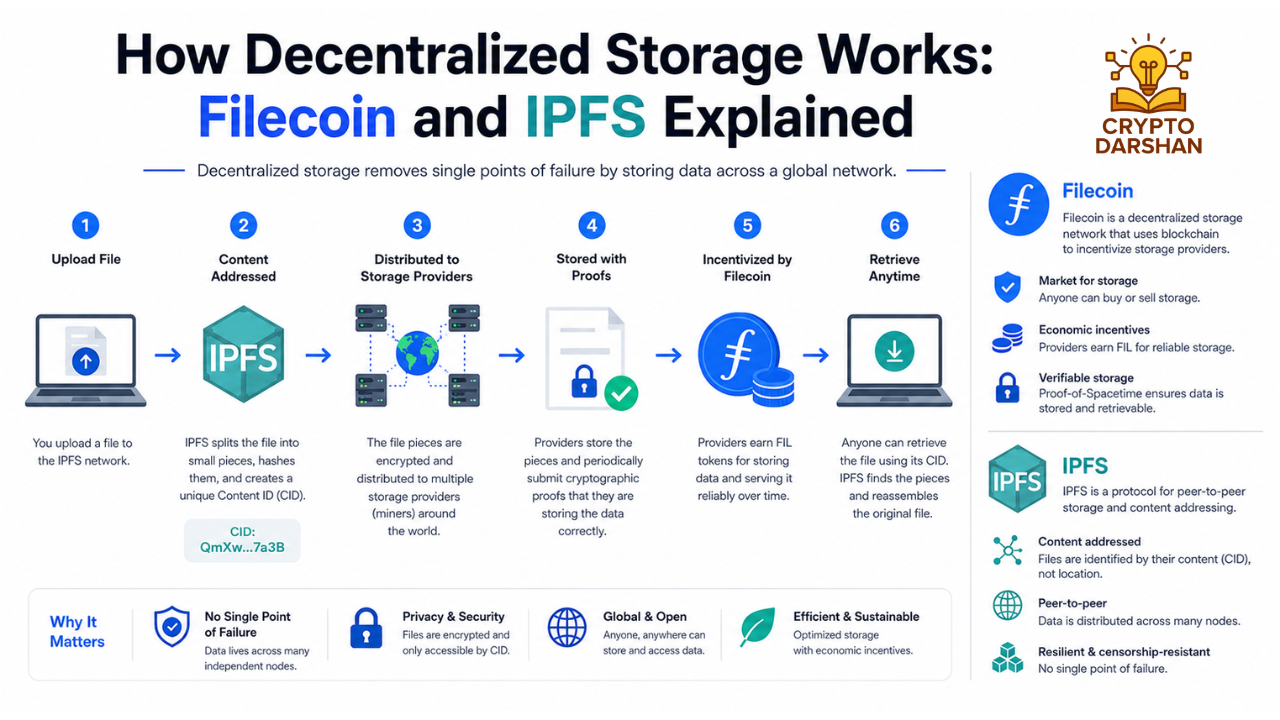
The blockchain serves as a secure, transparent ledger that records every transaction and ownership change. Smart contracts are self-executing agreements coded into the blockchain, automating processes such as rent distribution, profit sharing, and compliance checks.
Tokenized real estate is part of a broader shift toward real-world asset tokenization, a trend that could reshape traditional finance much like we explored in The Quiet Rise of Tokenized Stocks: Wall Street’s Next Disruption.
Why Billionaires Are Suddenly Interested in Tokenized Real Estate

1. Liquidity in a Traditionally Illiquid Market
Real estate has always been a long-term, illiquid investment. Selling a property can take months or even years, and large transactions often involve complex legal and financial processes. Tokenized Real Estate changes this dynamic by enabling fractional ownership and instant trading.
For billionaires managing vast portfolios, liquidity is a major advantage. They can quickly convert property holdings into cash or other digital assets, allowing for more agile portfolio management. This liquidity also opens opportunities for diversification and rapid capital reallocation.
2. Democratization of Real Estate Investment
Billionaires understand that democratization can drive massive market growth. Tokenized Real Estate lowers the entry barrier for investors, allowing anyone to buy small fractions of high-value properties. This influx of new investors increases market participation and overall liquidity.
By investing early in Tokenized Real Estate platforms, billionaires can capture significant market share as adoption grows. They see tokenization not just as an investment opportunity but as a transformative business model that could redefine global property markets.
3. Transparency and Security
Blockchain technology ensures that every transaction in Tokenized Real Estate is recorded on an immutable ledger. This transparency reduces fraud, corruption, and disputes over ownership. For billionaires, who often deal with complex, high-value assets, this level of security and accountability is invaluable.
Transparency also builds trust among investors, regulators, and partners. It ensures that all parties have access to the same verified information, reducing the risk of manipulation or hidden liabilities.
4. Global Accessibility
Tokenized Real Estate transcends borders. Investors from any part of the world can purchase tokens representing properties in major cities like New York, London, or Dubai. This global accessibility appeals to billionaires seeking to diversify their holdings across regions without the logistical challenges of international property ownership.
It also allows them to tap into emerging markets where real estate is booming but traditional investment channels are limited. Tokenized Real Estate effectively turns property into a global, borderless asset class.
5. Integration with Digital Finance

The rise of cryptocurrencies and decentralized finance (DeFi) has created a new financial ecosystem. Billionaires who have already invested in crypto see Tokenized Real Estate as a natural extension of this trend. It bridges the gap between tangible assets and digital finance, offering stability and yield in a volatile crypto market.
By integrating Tokenized Real Estate with DeFi platforms, investors can use property tokens as collateral, earn yield through staking, or participate in liquidity pools. This fusion of real estate and blockchain finance is redefining how wealth is generated and managed.
6. Lower Transaction Costs and Faster Deals
Traditional real estate transactions involve brokers, banks, lawyers, and notaries, each adding time and cost. Tokenized Real Estate uses smart contracts to automate these processes, reducing fees and speeding up transactions. For billionaires managing large-scale investments, these efficiencies translate into significant savings and faster deal execution.
7. Early Adoption of a Transformative Market
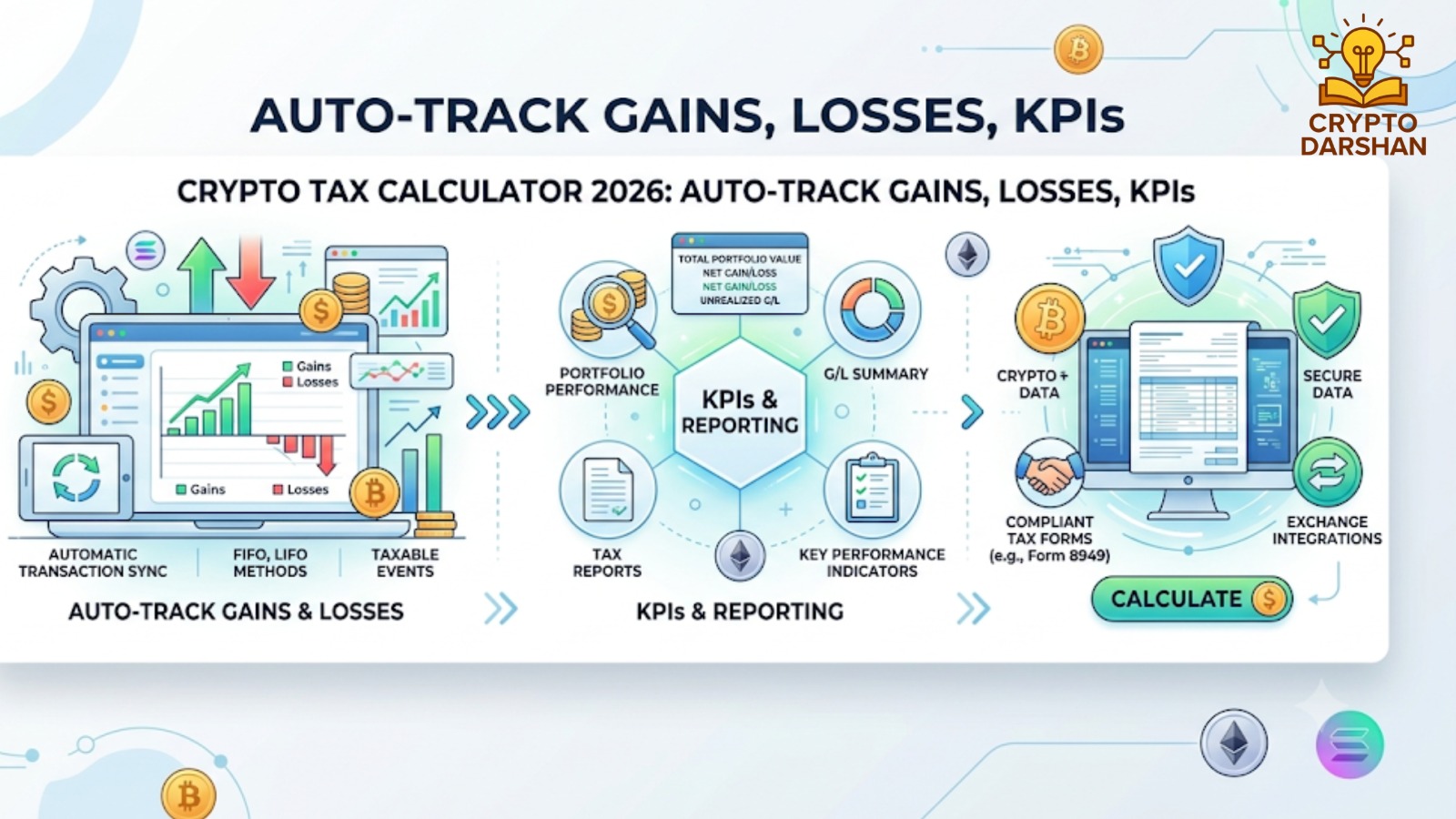
Billionaires often act as early adopters of disruptive technologies. They recognize that Tokenized Real Estate could redefine global property markets, much like how the internet transformed commerce. As tokenized assets grow in popularity, regulators are paying closer attention to digital investments, something we examined in Crypto Tax Enforcement in 2026: Governments Are Getting Smarter.
8. Enhanced Portfolio Management and Liquidity Options

With Tokenized Real Estate, billionaires can manage their portfolios more dynamically. They can sell portions of their holdings, reinvest profits, or trade property tokens for other digital assets. This flexibility allows them to respond quickly to market changes and optimize returns across multiple asset classes.
9. Regulatory Influence and Market Shaping
Wealthy investors have the resources and influence to shape emerging markets. Billionaires are investing in Tokenized Real Estate platforms, lobbying for favorable regulations, and funding blockchain infrastructure. Their involvement helps legitimize the industry and accelerate the creation of global standards for tokenized property ownership.
The Technology Behind Tokenized Real Estate

Blockchain Infrastructure
Tokenized Real Estate relies on blockchain technology to ensure transparency, security, and efficiency. Most platforms use public blockchains like Ethereum, Polygon, or Solana, which support smart contracts and decentralized applications (dApps). Some projects use private or hybrid blockchains to maintain control over data privacy and regulatory compliance.
The blockchain records every transaction, ensuring that ownership records are immutable and verifiable. This eliminates the need for intermediaries such as banks, brokers, and notaries.
Smart Contracts
Smart contracts are the backbone of Tokenized Real Estate. They automate key processes such as:
- Distributing rental income to token holders
- Managing voting rights for property decisions
- Enforcing compliance with securities regulations
- Executing buyback or redemption clauses
By removing human intermediaries, smart contracts reduce errors, delays, and administrative costs.
Security Tokens vs. Utility Tokens
Tokenized Real Estate typically involves security tokens, which represent ownership or investment rights in an asset. These differ from utility tokens, which grant access to a service or platform feature. Security tokens are subject to financial regulations, ensuring investor protection and legal compliance.
Security tokens can represent various forms of ownership, including equity shares, debt instruments, or profit-sharing agreements. This flexibility allows developers and investors to structure deals that align with their financial goals.
Real-World Examples of Tokenized Real Estate

1. The St. Regis Aspen Resort
One of the earliest high-profile examples of Tokenized Real Estate was the St. Regis Aspen Resort in Colorado. In 2018, the luxury hotel was partially tokenized through a security token offering (STO), allowing investors to purchase digital shares representing ownership in the property. The project raised millions and demonstrated the viability of tokenized hospitality assets.
2. RealT
RealT is a platform that allows investors to buy fractional ownership in U.S. rental properties using blockchain tokens. Each token represents a share of a property, and investors receive rental income in stablecoins. RealT has become a leading example of how Tokenized Real Estate can make property investment accessible to a global audience.
3. BrickMark
BrickMark, based in Switzerland, tokenized a commercial property in Zurich worth over $130 million. The project showcased how blockchain can streamline large-scale real estate transactions and attract institutional investors. It also highlighted the potential of Tokenized Real Estate to handle high-value assets efficiently.
4. Propy
Propy is a blockchain-based real estate marketplace that enables property transactions using smart contracts. It has facilitated tokenized property sales in the U.S. and Europe, offering a glimpse into how Tokenized Real Estate can simplify cross-border real estate deals.
The Economic and Social Impact of Tokenized Real Estate

Increased Market Efficiency
Tokenized Real Estate reduces friction in property transactions. By digitizing ownership and automating processes, it cuts down on paperwork, legal fees, and administrative delays. This efficiency can lead to faster deal cycles and lower costs for all participants.
Enhanced Accessibility
Fractional ownership allows smaller investors to participate in high-value real estate projects. This inclusivity can democratize wealth creation and reduce inequality in asset ownership. It also provides developers with access to a larger pool of investors, improving capital flow into the sector.
Urban Development and Innovation
Tokenized Real Estate can accelerate urban development by attracting global capital to local projects. Developers can raise funds more efficiently, while investors gain exposure to new markets. This model encourages innovation in property design, sustainability, and community engagement.
Wealth Redistribution
By opening real estate investment to a broader audience, Tokenized Real Estate challenges traditional wealth hierarchies. Billionaires recognize that this shift could reshape global wealth distribution—and they want to be on the leading edge of that transformation.
Challenges and Risks of Tokenized Real Estate

Regulatory Uncertainty
One of the biggest challenges facing Tokenized Real Estate is regulatory ambiguity. Different countries have varying definitions of digital assets, securities, and property rights. Compliance with anti-money laundering (AML) and know-your-customer (KYC) regulations is essential but complex.
Governments are still developing frameworks to govern tokenized assets, and inconsistent regulations can hinder cross-border transactions. Billionaires and institutional investors are closely monitoring these developments before committing large-scale capital.
Market Volatility
While Tokenized Real Estate increases liquidity, it can also introduce volatility. The value of property tokens may fluctuate based on market sentiment, trading volume, and macroeconomic factors. This volatility can deter conservative investors seeking stable returns.
Technological Risks
Blockchain technology, though secure, is not immune to risks such as hacking, smart contract bugs, or network congestion. Ensuring robust cybersecurity and auditing protocols is critical to maintaining investor confidence in Tokenized Real Estate.
Adoption Barriers
Widespread adoption of Tokenized Real Estate requires education, infrastructure, and trust. Many traditional investors and institutions are still unfamiliar with blockchain technology. Overcoming skepticism and building user-friendly platforms will be key to mainstream acceptance.
The Role of Billionaires in Shaping Tokenized Real Estate

Early Adopters and Visionaries
Billionaires often act as early adopters of transformative technologies. Their investments and endorsements can accelerate market adoption and attract institutional interest. Figures like Elon Musk, Mark Cuban, and real estate magnates have publicly expressed interest in blockchain-based assets, signaling confidence in Tokenized Real Estate.
Strategic Investments
Many billionaires are investing not only in tokenized properties but also in the infrastructure supporting them—such as blockchain platforms, digital exchanges, and compliance solutions. By controlling the ecosystem, they position themselves to benefit from the entire value chain of Tokenized Real Estate.
Influence on Regulation
Wealthy investors have the resources and influence to shape regulatory frameworks. Through lobbying, partnerships, and public advocacy, they can help create favorable conditions for Tokenized Real Estate to thrive.
Philanthropy and Social Impact
Some billionaires view Tokenized Real Estate as a tool for social good. By enabling broader access to property investment, they can promote financial inclusion and community development. Tokenized housing projects, for example, could provide affordable investment opportunities for low-income families.
The Future of Tokenized Real Estate

Integration with the Metaverse
As virtual worlds and digital real estate gain traction, Tokenized Real Estate could bridge the gap between physical and virtual assets. Investors might own both physical properties and their digital twins in the metaverse, creating new forms of value and interaction.
Institutional Adoption
Banks, hedge funds, and real estate investment trusts (REITs) are beginning to explore tokenization. Institutional adoption will bring credibility, liquidity, and scale to the market. Billionaires are likely to lead or fund these initiatives, further accelerating the growth of Tokenized Real Estate.
Sustainable and Smart Properties
Tokenized Real Estate can support sustainability by funding green building projects and smart infrastructure. Investors can track environmental performance metrics through blockchain, ensuring accountability and transparency in sustainable development.
Global Real Estate Exchanges
In the future, Tokenized Real Estate could be traded on global digital exchanges, similar to stock markets. This would create a unified, borderless marketplace for property investment, with real-time pricing and liquidity.
FAQ

1. What is tokenized real estate?
Tokenized real estate is the process of converting ownership of a property into digital tokens on a blockchain. Each token represents a share of the property, allowing investors to buy or sell fractional ownership without purchasing the entire asset.
2. Why are billionaires interested in tokenized real estate?
Wealthy investors are attracted to tokenized real estate because it increases liquidity, allows fractional ownership, and enables global access to high-value properties that were traditionally difficult to trade.
3. How does blockchain make real estate more accessible?
Blockchain technology removes intermediaries and enables transparent digital ownership records. This allows investors worldwide to purchase small portions of property through tokens instead of needing millions to buy an entire building.
4. What are the benefits of tokenizing property?
Key benefits include:
- Fractional ownership
- Increased liquidity
- Faster transactions
- Lower entry barriers for investors
- Transparent ownership records
5. Can small investors participate in tokenized real estate?
Yes. One of the biggest advantages is that investors can buy small portions of real estate assets, sometimes with only a few hundred dollars, making property investment accessible to more people.
6. Is tokenized real estate legal?
Regulations vary by country. Many tokenized real estate projects operate under securities laws and comply with financial regulations to ensure investor protection.
7. What risks are involved in tokenized real estate?
Some potential risks include regulatory uncertainty, platform security risks, market volatility, and liquidity depending on the trading platform.
8. How is tokenized real estate different from traditional real estate investment?
Traditional real estate requires large capital and involves lengthy paperwork. Tokenized real estate simplifies the process by digitizing ownership and allowing easier buying, selling, and trading of property shares.
Conclusion
The sudden interest of billionaires in Tokenized Real Estate is not a passing trend—it’s a reflection of a deeper transformation in how wealth, ownership, and technology intersect. Tokenized Real Estate offers a powerful combination of liquidity, transparency, and accessibility that aligns with the evolving digital economy.
As blockchain technology matures and regulatory frameworks solidify, Tokenized Real Estate could become a mainstream asset class, reshaping global property markets. Billionaires are positioning themselves at the forefront of this revolution, recognizing that the future of real estate lies not just in bricks and mortar, but in code and tokens.
The convergence of real estate and blockchain marks the beginning of a new era—one where ownership is digital, investment is global, and opportunity is open to all. Tokenized Real Estate is not just the future of property investment; it is the foundation of a new financial world.