

The financial world is undergoing a silent revolution. While cryptocurrencies and decentralized finance (DeFi) have dominated headlines, another innovation is quietly reshaping how investors think about ownership, liquidity, and access to global markets, Tokenized Stocks. This emerging concept bridges traditional finance and blockchain technology, offering a new way to trade, invest, and manage assets. The rise of Tokenized Stocks could be one of the most significant disruptions to Wall Street in decades.
This article explores the evolution, mechanics, benefits, challenges, and future potential of Tokenized Stocks, providing a comprehensive understanding of how they are transforming the global financial landscape.
What Are Tokenized Stocks?

Tokenized stocks are digital versions of traditional company shares issued on a blockchain. They enable investors to gain exposure to real-world equities through blockchain-based tokens, rather than relying on a traditional stock exchange or brokerage account. Each token corresponds to a specific number of shares in a company, such as Apple, Tesla, or Amazon. These tokens are backed by actual shares held by a custodian or a regulated entity, ensuring that each token reflects the real value of the underlying stock.
In essence, Tokenized Stocks combine the stability and familiarity of traditional equities with the flexibility and efficiency of blockchain technology. They allow investors to buy, sell, and trade fractional shares of major companies without relying on traditional stock exchanges.
How Tokenized Stocks Work
The process of creating and trading Token Stocks involves several key steps:
Custody of Real Shares
A regulated financial institution or custodian purchases and holds the actual shares of a company. These shares serve as the underlying asset for the tokens.
Token Issuance
A blockchain-based platform issues digital tokens that represent ownership of these shares. Each token corresponds to a specific fraction of a share or a full share.
Smart Contracts
Smart contracts govern the issuance, transfer, and redemption of Tokenized Stocks. They ensure transparency, automate compliance, and facilitate instant settlement.
Trading on Blockchain Platforms
Investors can trade tocks on decentralized or centralized exchanges that support digital assets. Transactions occur peer-to-peer, reducing intermediaries and costs.
Redemption and Dividends
Token holders may redeem their tokens for the underlying shares or receive dividends in cryptocurrency or fiat, depending on the platform’s structure. This system merges the best of both worlds, the regulatory assurance of traditional finance and the innovation of blockchain.
The Evolution of Tokenized Stocks
1. Early Concepts of Tokenization (2015–2017)
Explanation: The idea of tokenizing real-world assets began with the rise of blockchain technology. Initially, tokenization was applied to cryptocurrencies and digital collectibles. Innovators soon realized that the same technology could represent ownership of traditional assets like stocks, bonds, and real estate. This period laid the foundation , introducing the concept of converting equity shares into digital tokens.
2. First Experiments and Pilot Projects (2017–2019)
As blockchain matured, fintech startups began experimenting with Token Stocks. Platforms like tZERO and Swarm Markets explored how to issue digital tokens backed by real shares. These early projects demonstrated that blockchain could handle secure, transparent, and efficient trading of equity tokens. However, regulatory uncertainty limited large-scale adoption during this phase.
3. Rise of Fractional Ownership (2019–2020)
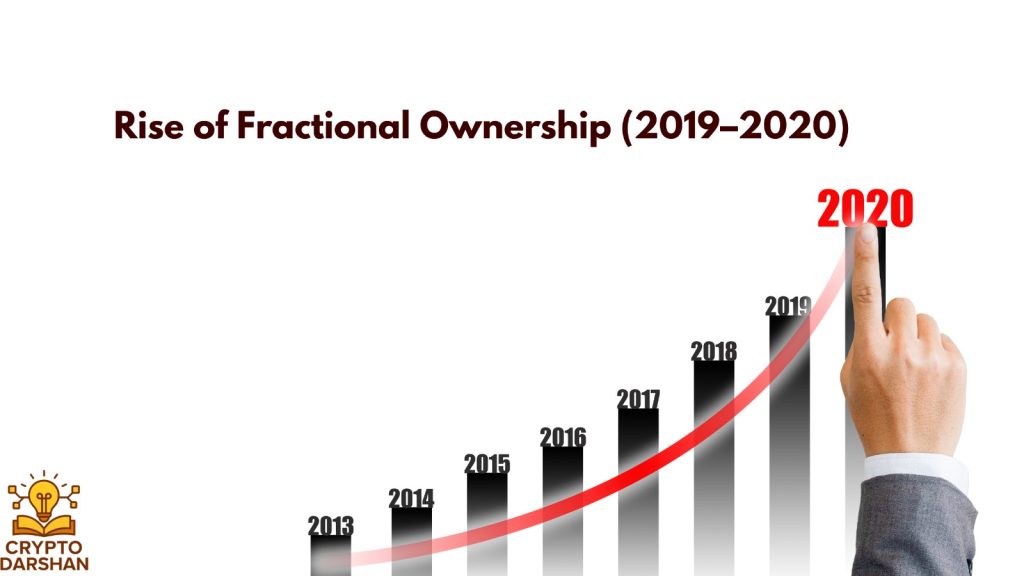
The next major step in the evolution of Tokenized Stocks was the introduction of fractional ownership. Investors could now buy small portions of high-value stocks like Amazon or Tesla. This innovation made investing more accessible to retail investors and attracted global attention. Blockchain-based platforms began offering 24/7 trading, breaking away from traditional market hours.
4. Acceleration During the COVID-19 Era (2020–2021)
The pandemic accelerated digital transformation across industries, including finance. With more people turning to online investing, interest in Tokenized Stocks surged. Platforms such as Binance and FTX launched tokenized versions of popular stocks, allowing users to trade them using cryptocurrencies. This period marked the first mainstream exposure to global investors.
5. Regulatory Scrutiny and Adjustments (2021–2022)
As Tokenized Stocks gained popularity, regulators began paying closer attention. Authorities like the U.S. SEC and European regulators questioned whether these tokens complied with securities laws. Some platforms paused or modified their offerings to align with legal frameworks. This phase highlighted the need for clear regulations to ensure investor protection and market stability.
6. Institutional Interest and Integration (2022–2024)

Financial institutions started exploring Tokenized Stocks as part of their digital asset strategies. Banks and asset managers began testing blockchain-based settlement systems and tokenized funds. The focus shifted from experimentation to integration, with institutions recognizing tokenization to improve efficiency, reduce costs, and expand market access.
7. Emergence of Regulated Tokenization Platforms (2024–2025)
New regulated platforms emerged, offering compliant Tokenized Stocks under financial supervision. These platforms ensured that each token was fully backed by real shares held by licensed custodians. The introduction of frameworks like the EU’s MiCA (Markets in Crypto-Assets) provided legal clarity, encouraging broader adoption among both retail and institutional investors.
8. Expansion Beyond Equities (2025–Present)
The concept of Tokenized Stocks has expanded to include other asset classes such as ETFs, commodities, and even private company shares. Cross-chain interoperability and integration with decentralized finance (DeFi) platforms have made tokenized assets more versatile. This evolution is transforming how global markets operate, paving the way for a fully digital financial ecosystem.
Benefits

1. Fractional Ownership
One of the most significant advantages of Tokenized Stocks is fractional ownership. Investors can purchase small portions of high-value stocks, such as Amazon or Google, without needing to buy a full share. This democratizes access to global markets and enables more inclusive investing.
2. 24/7 Trading
Traditional stock markets operate within fixed hours and close on weekends and holidays. Tokenized Stocks, however, can be traded around the clock on blockchain platforms, offering continuous liquidity and flexibility.
3. Global Accessibility
They eliminate geographical barriers. Anyone with an internet connection and a digital wallet can invest in global equities, regardless of their location or local market restrictions.
4. Instant Settlement

Blockchain technology enables near-instant settlement of trades, reducing the typical two-day (T+2) delay in traditional markets. This minimizes counterparty risk and enhances efficiency.
5. Lower Costs
By removing intermediaries such as brokers and clearinghouses, Tokenized Stocks reduce transaction fees and administrative costs. This makes investing more affordable for individuals and institutions.
6. Transparency and Security
All transactions involving Tokenized Stocks are recorded on a blockchain ledger, ensuring transparency and immutability. Smart contracts enforce compliance and reduce the risk of fraud.
7. Enhanced Liquidity
Tokenization allows previously illiquid assets to become tradable. Investors can easily buy or sell fractions of shares, improving market liquidity and price discovery.
Tokenized Stocks vs Traditional Stocks

| Feature | Tokenized Stocks | Traditional Stocks |
| Trading Hours | 24/7 | Limited to market hours |
| Ownership | Digital tokens on blockchain | Paper or electronic certificates |
| Settlement Time | Instant or near-instant | T+2 days |
| Accessibility | Global | Restricted by jurisdiction |
| Fractional Ownership | Yes | Limited or unavailable |
| Intermediaries | Minimal | Multiple intermediaries |
| Transparency | High (blockchain-based) | Moderate |
| Liquidity | High | Varies by market |
This comparison highlights how Tokenized Stocks offer a more flexible, efficient, and inclusive alternative to traditional equities.
The Role of Blockchain in Tokenized Stocks

Blockchain is the foundation of Tokenized Stocks. It provides the infrastructure for secure, transparent, and decentralized record-keeping. Key blockchain features that enable tokenization include:
- Smart Contracts: Automate compliance, dividend distribution, and ownership transfers.
- Immutable Ledger: Ensures that all transactions are permanently recorded and verifiable.
- Interoperability: Allows Tokenized Stocks to be traded across multiple platforms and networks.
- Security: Cryptographic encryption protects investor data and assets from tampering or theft.
By leveraging blockchain, Tokenized Stocks achieve a level of efficiency and trust that traditional systems struggle to match.
Regulatory Landscape

The regulatory environment for Tokenized Stocks is still evolving. Different jurisdictions have varying approaches to classifying and overseeing these assets.
Stocks are part of a wider movement toward digitizing real-world assets, a concept closely related to the rise of blockchain-based financial ecosystems discussed in Decentralized Cloud Computing: Can Blockchain Replace Big Tech Servers?
- United States: The Securities and Exchange Commission (SEC) treats Tokenized Stocks as securities, subjecting them to existing securities laws. Platforms offering these tokens must comply with registration and disclosure requirements.
- European Union: The EU’s Markets in Crypto-Assets (MiCA) framework aims to provide clarity for digital assets, including Tokenized Stocks.
- Asia: Countries like Singapore and Japan have introduced progressive regulations to encourage innovation while maintaining investor protection.
Regulatory clarity will be crucial for the widespread adoption of Tokenized Stocks. As governments and financial authorities adapt, the market is expected to mature and expand.
Major Platforms Offering Stocks

Several platforms have pioneered the trading of Tokenized Stocks, including:
- Binance – Offered tokenized versions of major stocks like Tesla and Apple before regulatory adjustments.
- FTX (before its collapse) – Provided fractional Tokenized Stocks backed by real shares.
- Mirror Protocol – Enabled synthetic assets that mirrored the price of real-world stocks.
- Synthetix – Offered decentralized trading of synthetic assets, including stock tokens.
- Swarm Markets – A regulated platform in Germany offering compliant Stocks.
These platforms demonstrate the growing interest in merging traditional equities with blockchain-based trading systems.
Institutional Adoption of Tokenized Stocks

Institutional investors are beginning to recognize the potential of Tokenized Stocks. Banks, asset managers, and hedge funds are exploring tokenization to improve efficiency, reduce costs, and expand market access. If tokenized assets gain traction, they could influence market dynamics just like the evolving capital allocation trends highlighted in Why Hedge Funds Are Secretly Increasing Their Altcoin Exposure.
For example, major financial institutions are experimenting with blockchain-based settlement systems that could eventually support Tokenized Stocks. Asset managers are also exploring tokenized funds, where investors can hold fractional ownership of diversified portfolios.
The institutional embrace of Tokenized Stocks signals a shift toward a more digital and interconnected financial ecosystem.
Challenges Facing Stocks

Despite their promise, Tokenized Stocks face several challenges:
1. Regulatory Uncertainty
Lack of consistent global regulation creates uncertainty for issuers and investors. Compliance requirements vary widely across jurisdictions.
2. Custody and Backing
Ensuring that each token is properly backed by real shares requires trust in custodians and transparent auditing.
3. Market Fragmentation
Different platforms may issue Tokenized Stocks for the same company, leading to liquidity fragmentation and pricing discrepancies.
4. Technological Risks
Smart contract vulnerabilities, hacking, and network congestion can pose risks to investors.
5. Limited Awareness
Many investors are still unfamiliar with Tokenized Stocks, slowing adoption and market growth.
Addressing these challenges will be essential for the long-term success of Tokenized Stocks.
The Impact on Wall Street

The rise of Tokenized Stocks represents a direct challenge to Wall Street’s traditional structure. By enabling peer-to-peer trading and reducing reliance on intermediaries, tokenization could disrupt brokerage firms, clearinghouses, and even stock exchanges.
Key impacts include:
- Disintermediation: Investors can trade directly without brokers.
- Reduced Settlement Costs: Instant settlement eliminates clearing delays.
- Global Competition: Decentralized platforms compete with established exchanges.
- New Revenue Models: Financial institutions can offer tokenization services and digital custody solutions.
Wall Street’s response to Tokenized Stocks will determine how quickly the financial industry adapts to this new paradigm.
Token Stocks and Decentralized Finance (DeFi)

Tokenized Stocks are becoming an integral part of the DeFi ecosystem. They can be used as collateral for loans, traded on decentralized exchanges (DEXs), or integrated into yield farming strategies.
For example, investors can deposit Stocks into liquidity pools to earn rewards or use them in automated trading protocols. This fusion of traditional assets and DeFi creates new opportunities for innovation and financial inclusion.
The Future of Tokenized Stocks

The future of Tokenized Stocks looks promising. As technology advances and regulations evolve, tokenization could become the standard for asset ownership and trading.
Key Trends to Watch:
- Integration with Central Bank Digital Currencies (CBDCs): Combining stocks with CBDCs could streamline cross-border transactions.
- Institutional Tokenization: Large financial institutions may tokenize entire portfolios or funds.
- Interoperable Networks: Cross-chain solutions will enable seamless trading across multiple blockchains.
- Retail Adoption: Simplified user interfaces and education will attract more retail investors.
- Regulatory Harmonization: Global standards will enhance trust and scalability.
In the long term, They could redefine how capital markets operate, making them more efficient, transparent, and accessible.
Case Studies

Case Study 1: Tesla Tokenized Stock
A blockchain platform issued Tokenized Stocks representing Tesla shares. Investors could buy fractions of a Tesla share using cryptocurrency, trade them 24/7, and receive dividends in stablecoins. This model demonstrated how tokenization can make high-value stocks accessible to a broader audience.
Case Study 2: Real Estate Tokenization
While not a stock, real estate tokenization follows a similar principle. Properties are divided into digital tokens representing ownership shares. This success story highlights the potential of tokenization across asset classes, reinforcing the viability of Tokenized Stocks.
Economic Implications
The widespread adoption of Tokenized Stocks could have profound economic effects:
- Increased Market Participation: More investors can access global equities.
- Enhanced Capital Efficiency: Faster settlement frees up capital for reinvestment.
- Reduced Barriers to Entry: Lower costs and fractional ownership democratize investing.
- Global Liquidity Pools: Tokenized assets can be traded across borders seamlessly.
- Innovation in Financial Products: New derivatives, ETFs, and funds based on Tokenized Stocks will emerge.
These changes could reshape global finance, making markets more inclusive and efficient.
Ethical and Social Considerations

While Tokenized Stocks offer many benefits, they also raise ethical questions:
- Data Privacy: Blockchain transparency must balance with user privacy.
- Market Manipulation: Decentralized platforms need safeguards against manipulation.
- Financial Literacy: Investors must understand the risks of digital assets.
- Environmental Impact: Some blockchains consume significant energy, though newer models are more sustainable.
Responsible innovation will be key to ensuring that Stocks benefit society as a whole.
The Road Ahead

The quiet rise of Tokenized Stocks marks the beginning of a new era in finance. As blockchain technology continues to evolve, the boundaries between traditional and digital assets will blur. Investors, regulators, and institutions must adapt to this transformation.
In the coming years, expect to see:
- Broader regulatory acceptance
- Integration with mainstream financial systems
- Growth of hybrid exchanges combining traditional and blockchain trading
- Expansion into new asset classes beyond equities
The journey of Stocks is just beginning, but their potential to disrupt Wall Street is undeniable.
FAQ

1. What are tokenized stocks?
Tokenized stocks are digital tokens on a blockchain that represent shares of publicly traded companies. Each token mirrors the value of the underlying stock, allowing investors to trade equity exposure using blockchain technology.
2. How do tokenized stocks work?
They are issued by platforms that hold the real shares or synthetic exposure and then create blockchain-based tokens representing them. These tokens can be traded on crypto platforms, often with faster settlement and global access.
3. What are the advantages of tokenized stocks?
Tokenized stocks offer several benefits, including fractional ownership, 24/7 trading, faster settlement, lower transaction costs, and easier access for global investors who may not have access to traditional stock markets.
4. Are tokenized stocks legal?
The legality of tokenized stocks depends on the country and the platform offering them. Some jurisdictions allow regulated versions, while others restrict them due to securities laws and investor protection concerns.
5. How are tokenized stocks different from traditional stocks?
Stocks are traded on regulated stock exchanges through brokers, while tokenized stocks are blockchain-based representations that can be traded on crypto platforms with faster settlement and often without traditional intermediaries.
6. What risks are involved with tokenized stocks?
Risks include regulatory uncertainty, platform reliability, custody issues, and the possibility that the token may not always perfectly track the underlying stock price.
Conclusion
Tokenized Stocks represent a powerful convergence of traditional finance and blockchain innovation. By enabling fractional ownership, 24/7 trading, and global accessibility, they are redefining how investors interact with capital markets. Despite regulatory and technological challenges, the momentum behind Tokenized Stocks continues to grow.
As this quiet revolution unfolds, Tokenized Stocks could become the foundation of a more inclusive, transparent, and efficient financial system one that transcends borders and empowers investors worldwide. The disruption of Wall Street has already begun, and are leading the charge.